
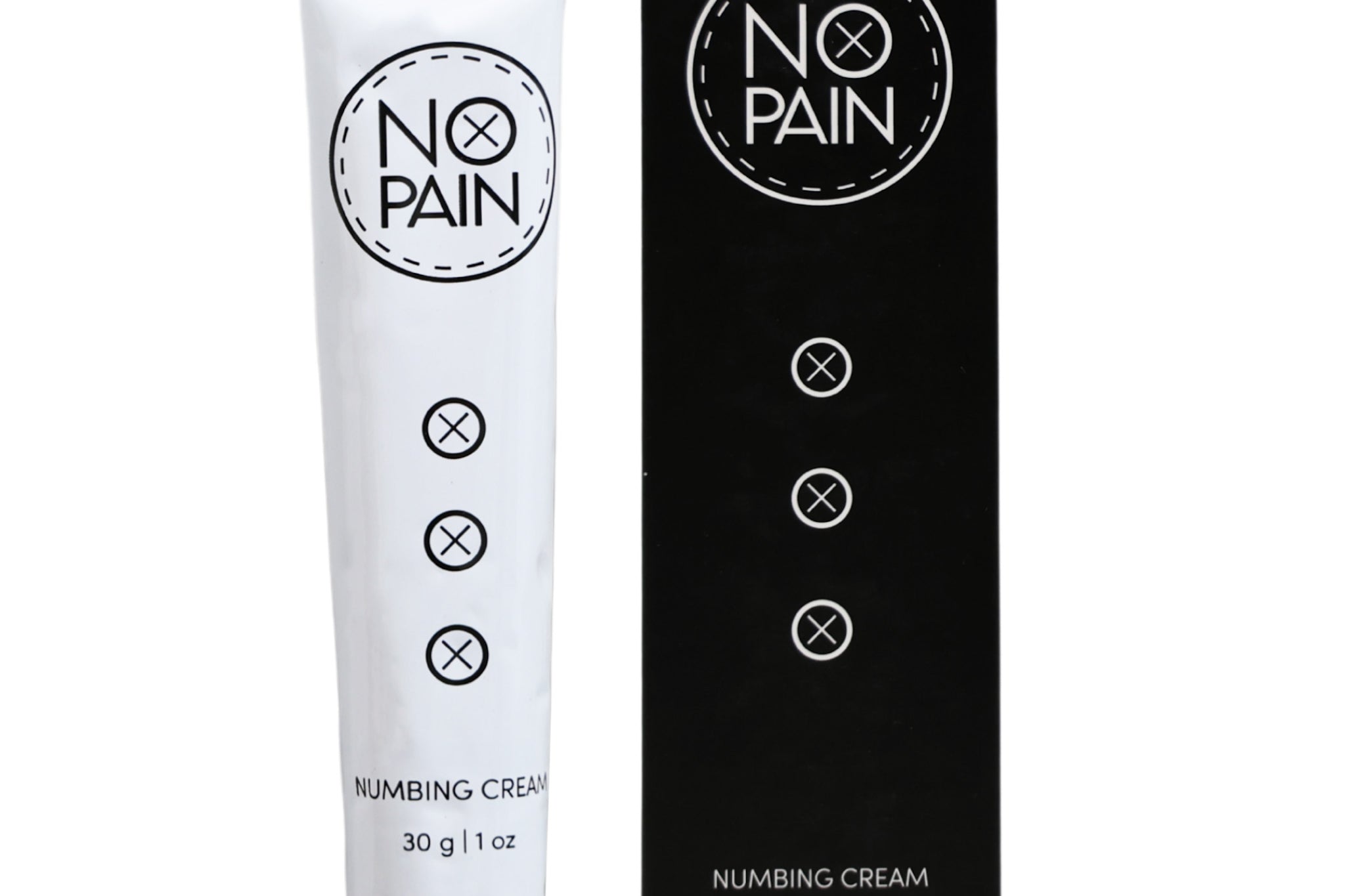



The short answer most tattoo artists give is: avoid it. Hydrocortisone is a topical steroid that reduces inflammation quickly, which sounds like exactly what a itchy, swollen healing tattoo needs. But interfering with that inflammatory response can slow down healing and affect how the ink settles in the skin. There are better options specifically designed for this stage that relieve the itch without the risks.
Here is what you need to know.
In this article
- What hydrocortisone actually does
- Why you should avoid it on a healing tattoo
- What to use instead for tattoo itch
- Frequently asked questions
What Hydrocortisone Actually Does
Hydrocortisone is a mild corticosteroid. When you apply it to a bug bite or a rash, it constricts blood vessels and suppresses the immune response driving the inflammation, which reduces redness, swelling, and itch. It works well for those applications because the goal there is purely symptom relief on intact skin.
A healing tattoo is a different situation. The inflammation happening in your fresh tattoo is not a malfunction; it is your immune system doing exactly what it is supposed to do. Blood flow increases to the area, healing cells arrive, the skin begins repairing itself, and the ink gets locked into the dermis. Interrupting that process with a steroid has different implications than using it on a mosquito bite.
Why You Should Avoid It on a Healing Tattoo
It can slow down healing
The inflammatory response hydrocortisone suppresses is the same process your body uses to repair the wound and heal the skin. Applying a steroid cream slows that process down. For a new tattoo, slower healing means a longer window during which the skin is vulnerable to infection, and more time for ink to be disturbed before it has fully settled into place.
It can affect how the ink sits
How the dermis heals in the first few weeks directly affects how the ink looks once everything settles. Disrupting the healing process with a topical steroid can result in ink that does not lock in as solidly, leading to patchiness or fading that would not have happened with a clean, undisturbed heal. The risk is not guaranteed but it is unnecessary.
It is not designed for open wounds
Most hydrocortisone cream packaging specifically advises against use on broken, damaged, or open skin. For the first week or two, a new tattoo is exactly that: an open wound working to close. Using a product outside its intended application on fresh skin during that window is not a good trade-off for temporary itch relief.
The steroid can cause skin thinning with repeated use
With extended use, topical corticosteroids can thin the skin over time. For a tattoo that needs the dermis to stay healthy and intact to hold ink well over the years, applying a skin-thinning agent during the vulnerable healing phase is not ideal, and for placement areas you plan to tattoo again, it matters even more.
What to Use Instead for Tattoo Itch
The itch during the peeling phase of healing is caused by the skin regenerating, not by inflammation in the usual sense. Dry, tight skin itches. The fix is proper moisture and a product formulated for this exact stage, not a steroid cream designed for allergic reactions.
Do not scratch
Before anything else: do not scratch. Scratching pulls off scabs and flaking skin before the underlying layer is ready, which pulls ink out with it and leaves patchy spots. If the urge is overwhelming, tap or lightly slap the area firmly with a clean hand. It redirects the nerve signal without damaging the skin.
Use a soothing, cooling gel
A lightweight gel specifically designed for the inflammation and itch of a healing tattoo addresses the problem directly without the risks of a steroid. It cools the skin, calms the irritation, and does not leave a heavy residue that blocks airflow to the healing wound.

Lightweight, cooling formula designed for the critical first days after your session. Calms inflammation and relieves irritation without steroids or heavy residue. Formulated at Historic Tattoo in Portland.
Keep the skin moisturized
Dry skin itches more. Applying a thin layer of aftercare balm once the main peeling phase is underway keeps the new skin supple and reduces the tight, pulling sensation that drives the worst of the itch. The key is thin layers, not thick coats that sit on the surface and block the skin from breathing.
The complete aftercare kit
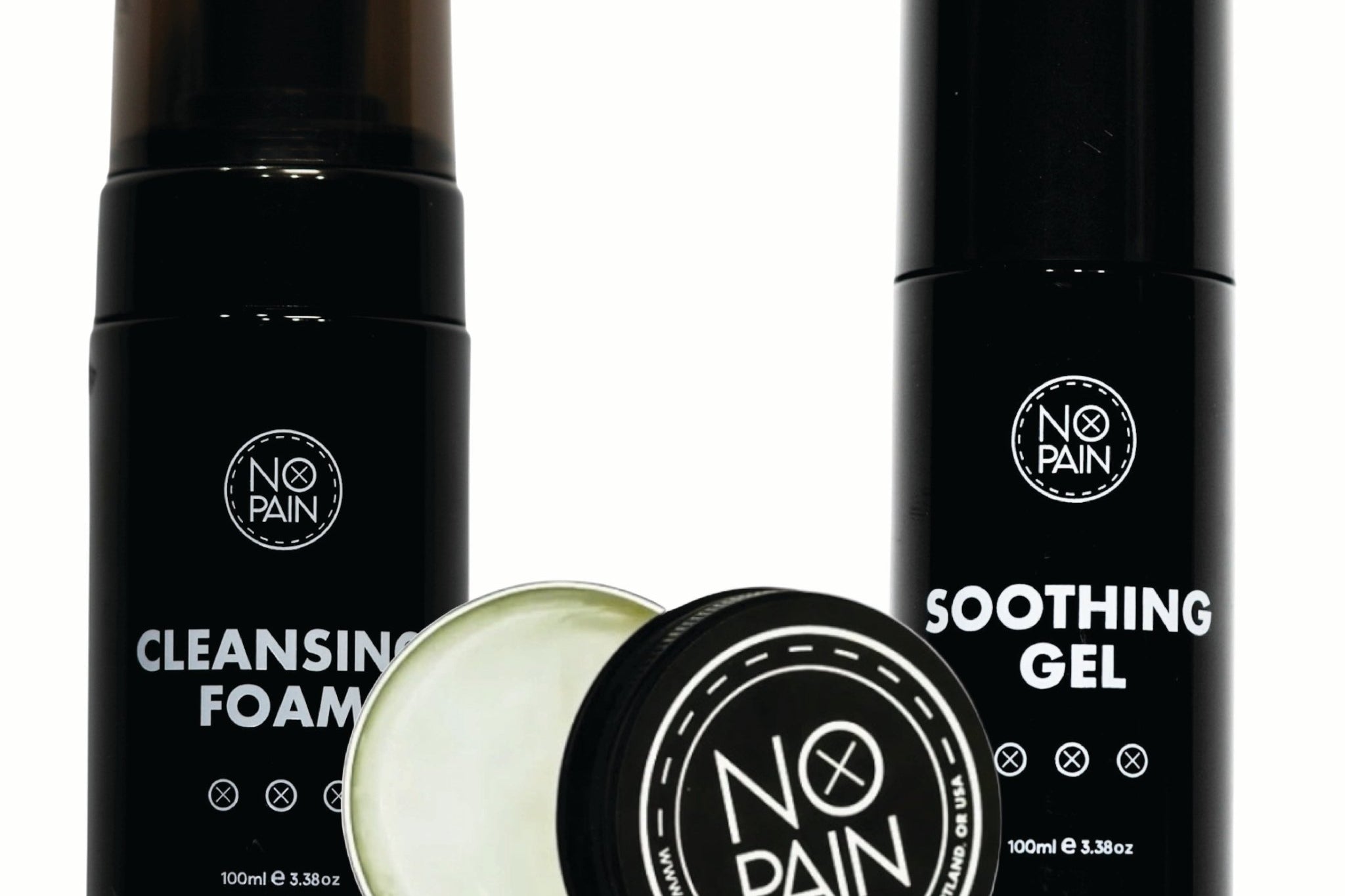
The full routine for getting through the healing phase without reaching for the wrong product: antibacterial cleansing foam to keep the area clean, soothing gel for the itchy stage, and aftercare balm to maintain the new skin once the surface has healed over.

Cleansing foam, soothing gel, and aftercare balm. The full routine from day one through the end of healing, formulated at Historic Tattoo in Portland.
Frequently asked questions
Can you put hydrocortisone on a tattoo?
Most tattoo artists advise against it for a new tattoo. Hydrocortisone suppresses the inflammatory response your body uses to heal the skin and lock in the ink, which can slow healing and potentially affect the final result. For a healed tattoo with an allergic reaction to ink pigment, a dermatologist may prescribe a steroid cream as treatment. That is a different situation from using it during the healing phase.
Will hydrocortisone fade my tattoo?
Not immediately or in a dramatic way, but it can affect how the ink settles during the healing window. Disrupting the healing process during the critical first few weeks can lead to patchy or less vibrant ink once everything has healed over. The risk is not guaranteed but it is unnecessary when there are better alternatives for the itch.
Can you use hydrocortisone cream on a tattoo rash?
If the rash is on a fully healed tattoo and is caused by an allergic reaction to the ink pigment, a dermatologist may recommend a topical steroid as treatment. For a new tattoo that is still healing, the answer is the same as above: avoid it and use a product designed for healing skin instead. If a new tattoo develops a rash that looks like an allergic reaction, see a doctor rather than self-treating.
What anti-itch cream can I use on a new tattoo?
Skip the hydrocortisone and reach for a soothing gel specifically formulated for healing tattoos. These products calm inflammation and relieve itch without steroids or ingredients that interfere with the healing process. Keeping the area properly moisturized with a lightweight balm also reduces the dry, tight skin that drives the worst of the itch.
What about steroid cream for tattoo bumps?
Raised, bumpy texture on a healing tattoo can be normal during the peeling phase, or it can be a sign of an allergic reaction to a specific ink color. If it is confined to one color and persists after the tattoo has healed, see a dermatologist. They may prescribe a steroid cream as treatment for the allergic reaction. Do not self-diagnose and apply over-the-counter hydrocortisone during the healing phase without knowing what you are treating.
Can I use hydrocortisone on an old, fully healed tattoo?
For a tattoo that has been fully healed for months or years, occasional use of hydrocortisone for general skin irritation unrelated to the tattoo carries less risk. The concern is specifically with the healing window, when the inflammatory process is actively doing work. On fully healed skin, the dynamics are different. For any persistent reaction on or around a tattoo, a dermatologist's guidance is better than self-treating.
Beat the Itch Without the Risk
Soothing gel designed for the itchy healing phase, no steroids required. Pairs with cleansing foam and aftercare balm for the full routine.
Shop Aftercare Kit →Formulated at Historic Tattoo in Portland, Oregon.