


If you've spent time in a tattoo studio, you've probably seen your artist using a squirt bottle filled with a golden-green, soapy liquid throughout the session. This ubiquitous product is known as "green soap," and it's one of the most essential tools in a professional artist's arsenal.
But what is green soap, and what does it do? And if artists use it, does that mean you should be using it for your tattoo aftercare at home? This is your insider's guide to this classic tattooing supply.
What is Green Soap?
Despite the name, green soap isn't necessarily green in color (it's often golden-yellow but tinted green by vegetable dyes). It is a natural, oil-based soap made from vegetable oils, glycerin, and other plant-based ingredients. In its concentrated form, it has a very high pH, making it a powerful and effective cleanser.
Why Do Artists Use Green Soap During the Tattoo?
A tattoo artist uses a diluted green soap solution throughout the entire tattoo process. It is the perfect multi-purpose tool for the job.
-
It Preps the Skin: It's used to clean and disinfect the skin before the stencil is applied, creating a sterile canvas.
-
It Cleans Excess Ink: During the tattoo, it's used to wipe away excess ink and blood, allowing the artist to see their work clearly.
-
It's a Mild Antiseptic: The properties of green soap help to soothe the skin and prevent infection during the application process.
In the hands of a professional, a properly diluted green soap solution is an indispensable tool for a clean and safe tattoo session.
The Big Question: Should You Use Green Soap for Your Aftercare?
If it's the professional standard, you should use it at home, right? The answer is NO. While green soap is a great tool for an artist, it is not an ideal cleanser for a client healing a new tattoo.
-
It's Too Harsh: The key is the dilution. Artists are trained to dilute the concentrate to the perfect, safe ratio. In its concentrated form, or if mixed incorrectly, green soap is very harsh and can be extremely drying and irritating to a healing wound.
-
It's Inconvenient and Messy: You would have to buy the concentrate and mix it yourself, which is an unnecessary hassle.
The Modern Solution: A Purpose-Built Tattoo Cleanser
So, what should you wash a new tattoo with? The best answer is always a product that is specifically formulated for the gentle needs of a healing tattoo.
The question of what to clean new tattoo with is the most critical part of the tattoo healing stages. A modern, pH-balanced cleanser is designed to be effective without being overly harsh.
-
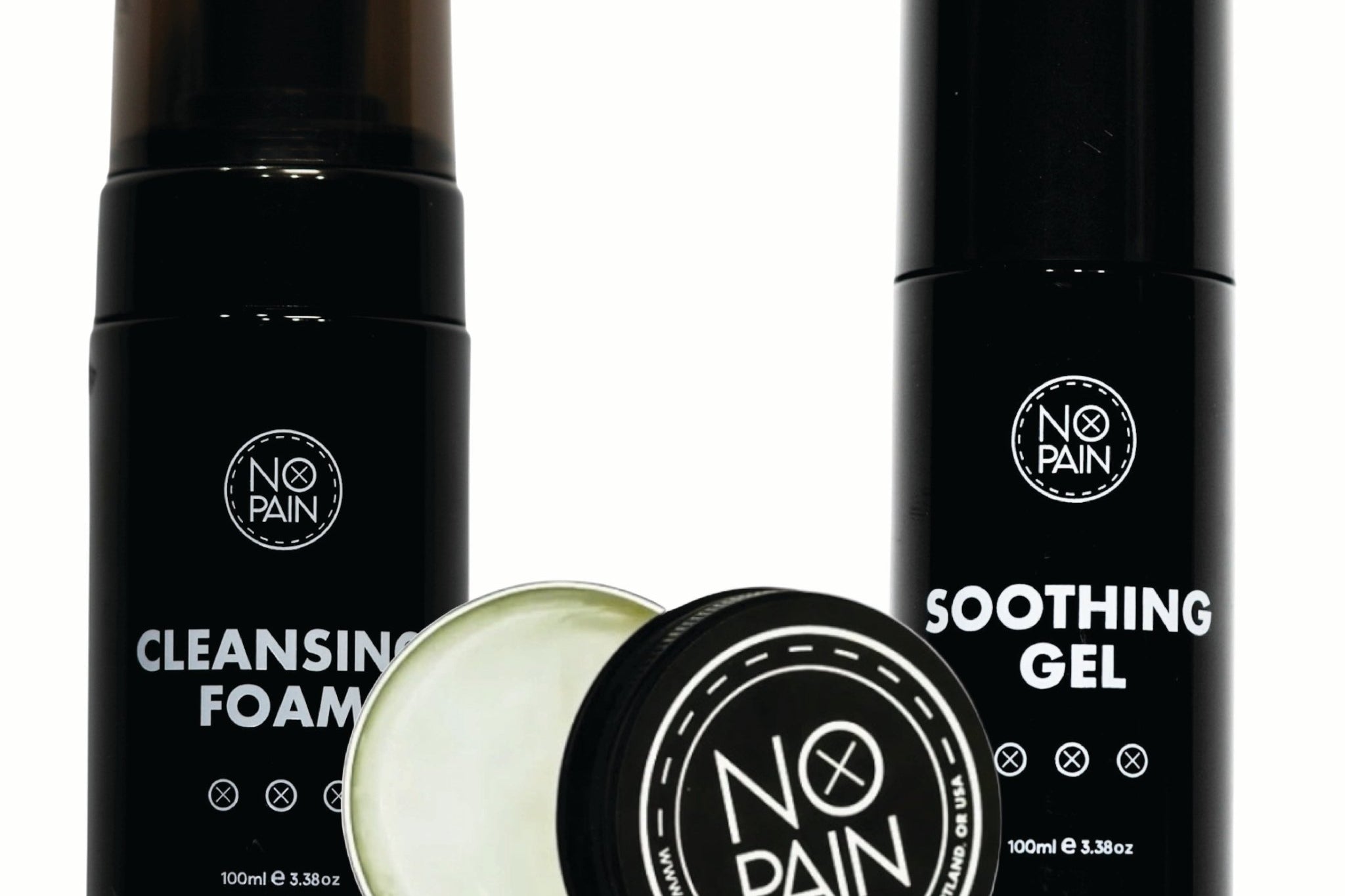
The Best Tool: Our No Pain Tattoo Cleansing Foam is the ultimate solution for at-home aftercare. It is a gentle, hypoallergenic, and powerful antimicrobial that is perfectly balanced for sensitive, healing skin. The foam formula is easy to apply and rinses clean, making it a simple and foolproof part of your daily routine.
The Verdict: Green soap is a fantastic tool for your artist in the studio. For your aftercare at home, you need a product that is designed for you. Leave the green soap to the pros, and trust your healing to a gentle, professional-grade foam cleanser like the one in our No Pain Tattoo Aftercare Bundle.