
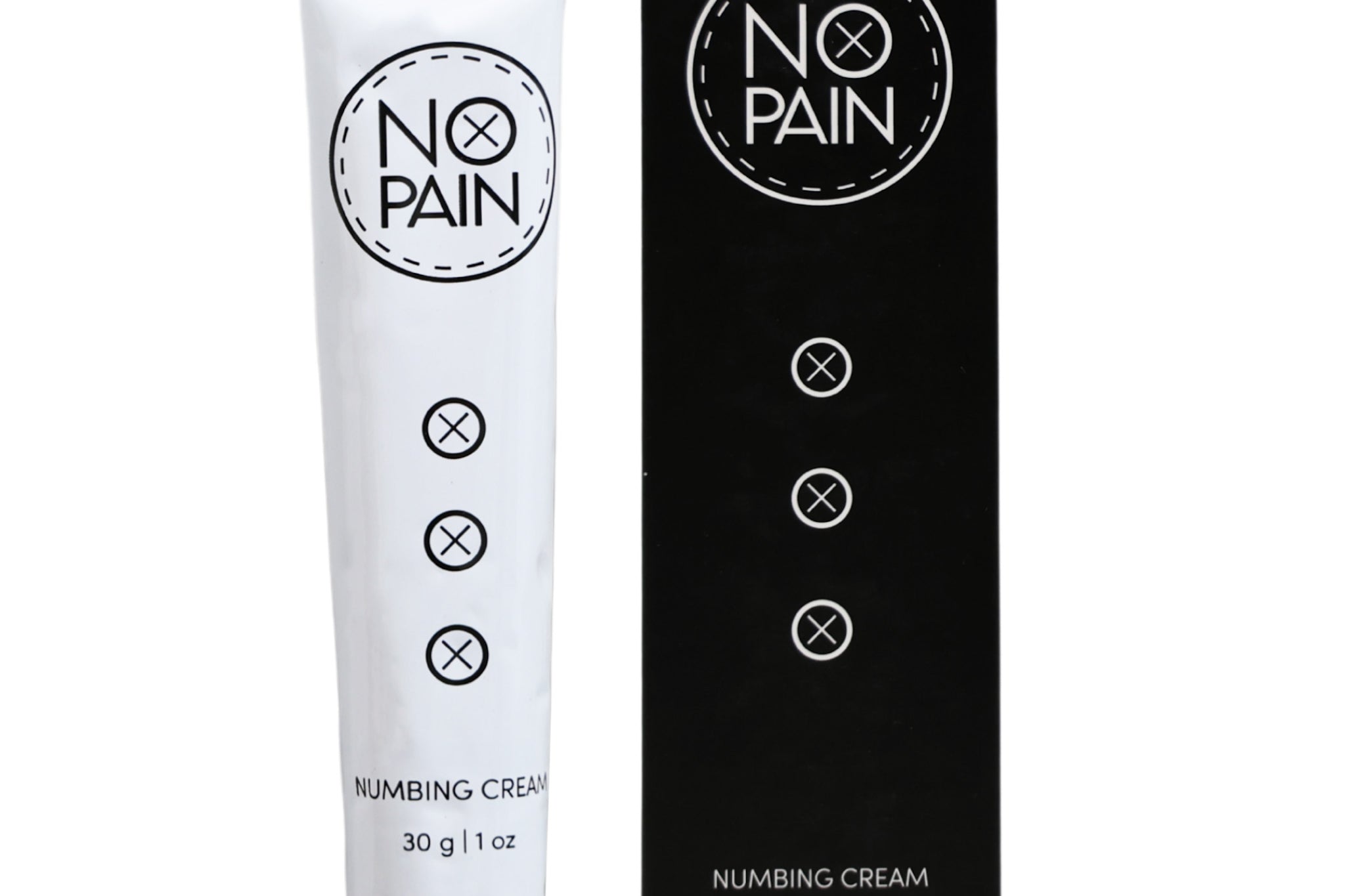



At No Pain Tattoo, we don't just sell products; we sell a better tattoo experience. Our No Pain Tattoo Numbing Cream is engineered to provide more relief than any other brand - guaranteed.
However, your skin is a living, breathing organ, and several external factors can "block" the lidocaine from doing its job. If your numbing felt "thin" or wore off in under an hour, one of these 7 factors is likely the culprit.
SHOP THE NO PAIN TATTOO NUMBING CREAM →
1. The "Invisible Shield" (Pore Blockage)
This is the #1 reason for failure. If you use a moisturizer, cleanser, or exfoliant that contains coconut oil or any other fatty lipids in the 24 hours before your session, you are sealing your pores.
The Science: Lidocaine must travel through the pores into the dermis. Fatty substances like coconut oil create a waterproof barrier that the cream cannot penetrate.
-
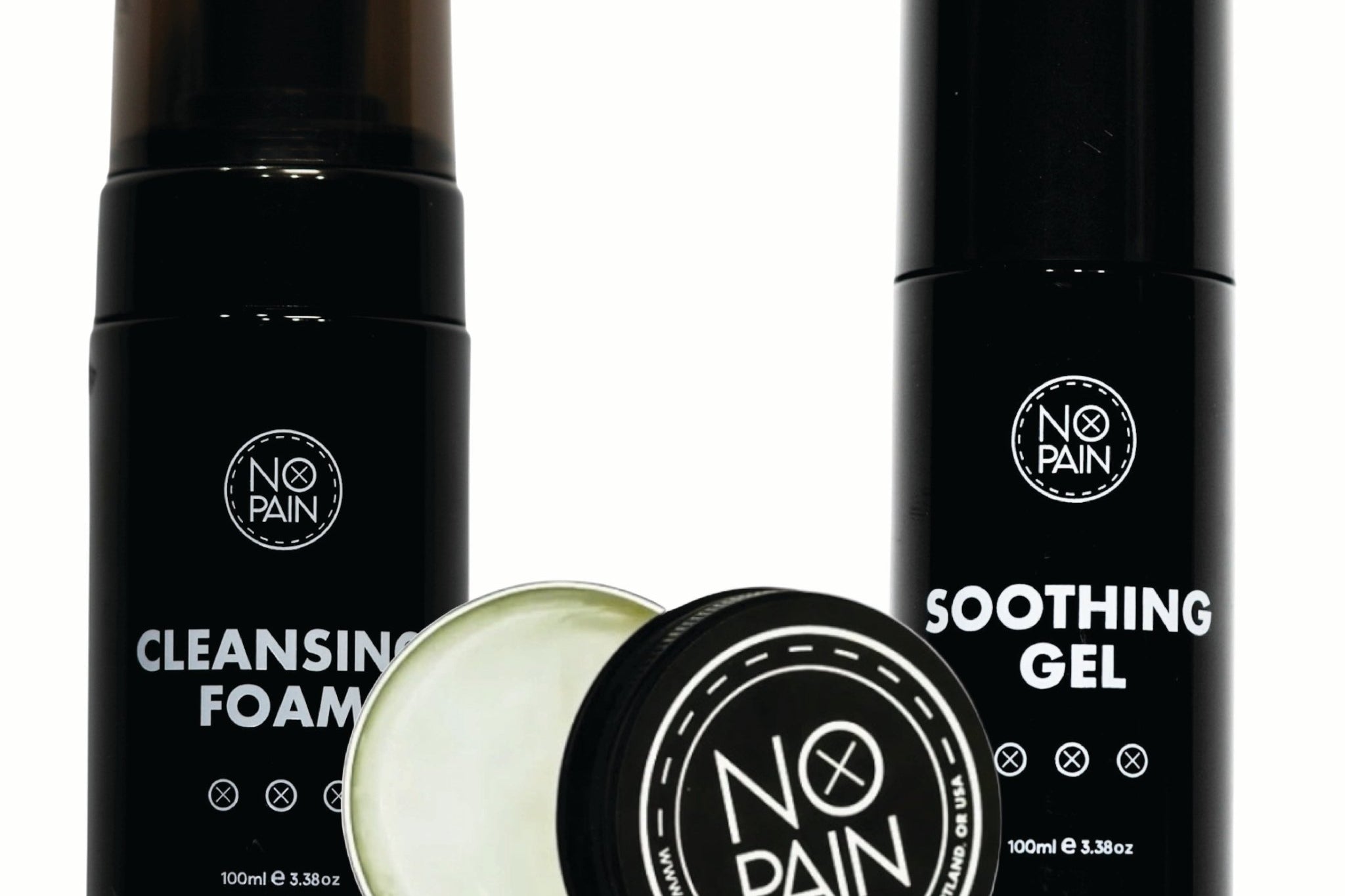
The Fix: Wash the area for at least 60 seconds with a plain, non-fatty soap like our Cleansing Foam or Dial Antibacterial & Sensitive before applying the cream.
2. The Alcohol Mistake (Timing Matters)
Sanitizing with alcohol is crucial, but timing is everything.
-
The Error: Wiping the area with alcohol after you remove the plastic wrap. Alcohol causes the pores to constrict and can "shock" the active ingredients out of the skin before the needle even touches it.
-
The Fix: Sanitize with alcohol before you apply the cream. Once the wrap comes off, only wipe away the excess cream with a clean, dry paper towel.
3. The 120-Minute Protocol
Lidocaine 5% needs time to saturate the deep nerve endings in the dermis. If you only wait 30–45 minutes, you are only numbing the surface.
-
The Fix: You must apply a "cake-frosting" thick layer and wrap it tightly for 120-180 minutes. No exceptions.
4. The "Heavy-Handed" Artist & Trauma
If an artist is working too deep or causing unnecessary trauma, the excess bleeding can physically "wash" the lidocaine out of the open skin channels. This "unblocks" the pain signals, allowing the nerve endings to function normally—and painfully!
5. Genetic & Biological Resistance (The Ginger Factor)
It is a documented medical fact that people with red hair (specifically of Irish/Scottish descent) carrying the MC1R gene are more resistant to local anesthetics like lidocaine.
-
The Fix: If you have red hair or a known high tolerance to dental numbing, you must use the full 120-minute wrap and consider using our Numbing Spray mid-session for an extra boost. And even then, you may not get the same relief that 99% of other people get.
Shop the no pain tattoo numbing cream →
6. Systemic Blood Thinners
Alcohol and caffeine are systemic blood thinners and inflammatory agents. OTC Pain relievers (tylenol, ibuprofen, etc) will also thin your blood. All of these increase blood flow to the surface, which carries the lidocaine away from the nerves and out through the "weeping" of the tattoo.
-
The Fix: Zero alcohol for 24-48 hours before your session, and 12-24 hours after. No caffeine for at least 1 hour before your session.
-
No OTC pain relievers for 12 hours before your session.
7. Reworking an Area
When you continually go back and work an area that has been previously work, you will dislodge the lidocaine. This happens with all brands of numbing cream, it’s just how our bodies work.
-
The Fix: For a larger tattoo, start in one area, and end in another (work top to bottom for instance). Do all the lines at once, do all the black (shading) at once, etc.
-
For a smaller tattoo, the initial numbing should last through the session. Grab some of our numbing spray if the artist works slower, or you just don’t want to feel anything at all.
7. The Ultimate 11-Step "No Pain" Protocol
To ensure a 100% success rate, follow this exact sequence:
-
Patch Test: Perform 24 hours prior to check for skin sensitivity (learn how here).
-
Abstain: No alcohol for 48 hours before/after; no caffeine 2 hours before.
-
Cleanse: Wash with soap warm water for 60 seconds.
-
Sanitize (Optional): If you are going to sanitize the area with alcohol - do it now.
-
Base Layer: Rub a thin layer of cream into the skin to "prime" the pores.
-
Frosting Layer: Apply a second, very thick layer (do not rub in).
-
Wrap: Use plastic wrap tightly (but do not constrict blood flow).
-
The Wait: Wait exactly 120-180 minutes.
-
Remove: Take off the wrap and wipe excess cream with a dry paper towel.
-
Tattoo: Begin the session immediately.
-
Boost: If the session goes over 2 hours, use our Numbing Spray to maintain comfort.
The Verdict
Knowledge is power. Most "numbing failures" are actually application errors. By avoiding fatty cleansers and respecting the 120-minute rule, you can reclaim the pain-free experience you deserve.
Don't let the lack of knowledge stop you. Grab the Comfort Bundle and follow the protocol for a guaranteed result.