

No Pain Tattoo FAQ: Numbing Cream, Aftercare & Healing
Answers to the most common questions about No Pain Tattoo products — what they do, how to use them, and how they're made.
Category 1: About No Pain Tattoo
What is No Pain Tattoo?
No Pain Tattoo makes tattoo numbing and aftercare products formulated at Historic Tattoo, one of Portland, Oregon's oldest tattoo studios. The lineup includes Numbing Cream, Numbing Spray, Final Mile Gel, Cleansing Foam, Soothing Gel, and Aftercare Balm — developed by working tattoo artists for real-session use. Rated 4.8/5 across 200+ verified reviews. Founded by Michael Hollman in 2024. (See: About Us)
Do you ship internationally?
Yes. Most orders placed before 12PM PST (Monday–Friday) ship same day from Portland. Shipping options:
- Free US shipping on orders $30+ — USPS Ground Advantage, typically 1–5 days depending on proximity to Portland
- USPS Priority Mail — $6 upgrade on orders $30+, typically 1–3 days
- FedEx 2-Day Express — $3.98 on orders over $30
- International free shipping on orders over $70 USD — typically 3–5 days via FedEx or UPS Express
(See: Shipping Policy for full details)
What is your return policy?
No Pain Tattoo offers a 100% satisfaction guarantee. (See: Returns & Refund Policy)
Category 2: Numbing Products (Numbing Cream & Final Mile Gel)
Does tattoo numbing cream work?
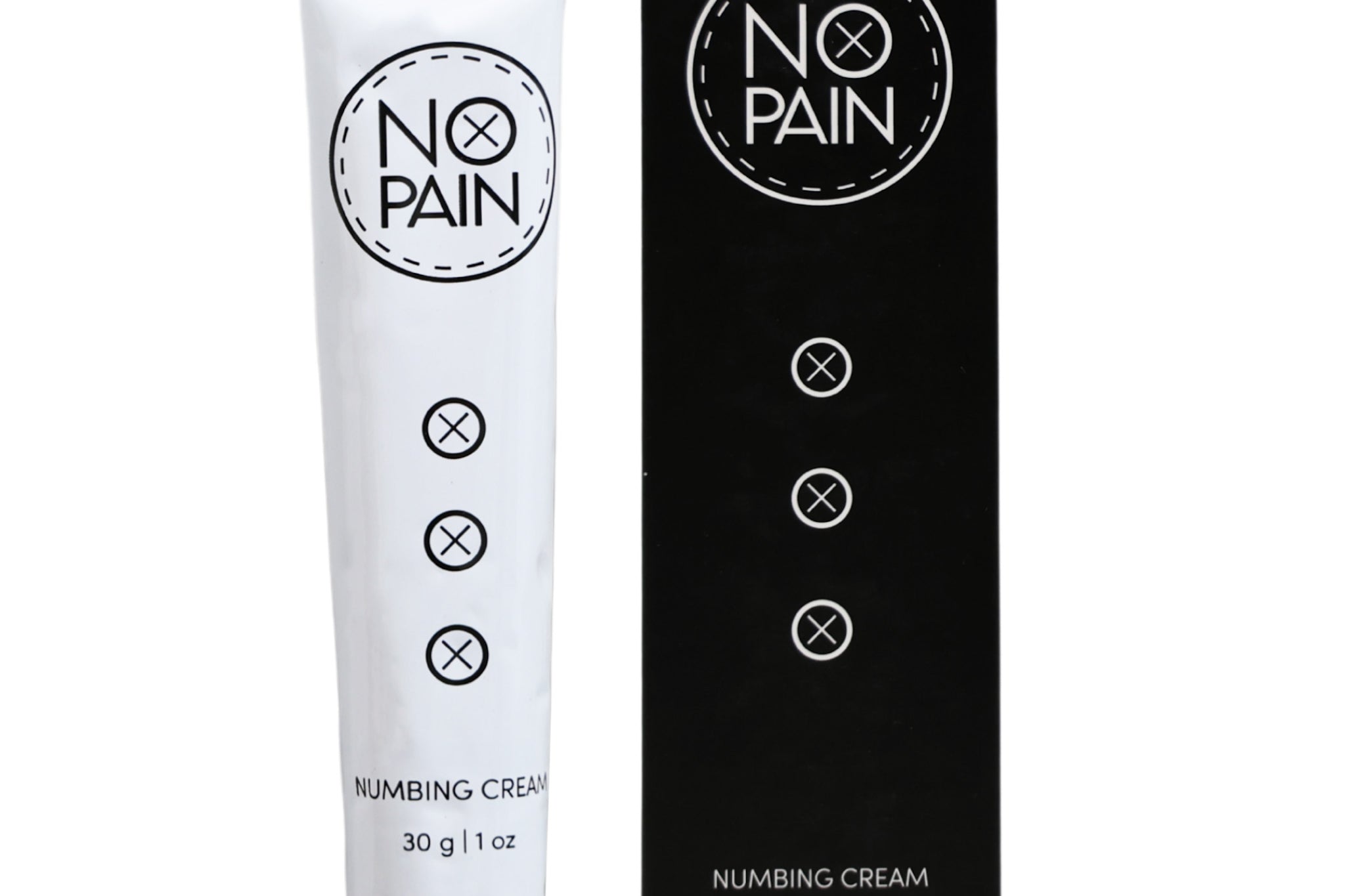
Yes. When applied correctly — thick layer on clean, dry skin, covered with plastic wrap for 90–120 minutes before your session — No Pain Tattoo Numbing Cream provides 2–4 hours of effective pain relief from the first needle stroke. Results vary by skin type, placement, and session length, but the majority of users report significant reduction in discomfort. See verified reviews on the Numbing Cream product page for real-session feedback.
How does No Pain Tattoo Numbing Cream work?
No Pain Tattoo Numbing Cream uses 5% Lidocaine — the maximum FDA-approved concentration for over-the-counter topical use — to temporarily block pain signals from the nerve endings in the skin. Applied to intact skin and covered with plastic wrap, the Lidocaine penetrates the dermis and provides relief starting from the first needle stroke. (See: How To Use)
How long does No Pain Tattoo Numbing Cream last?
When applied as directed — thick layer, covered with plastic wrap for 90–120 minutes — No Pain Tattoo Numbing Cream typically provides 2–4 hours of effective relief during your session. Results vary based on skin type, placement, and session intensity. (See: How To Use)
How long before my tattoo should I apply the Numbing Cream?
Apply No Pain Tattoo Numbing Cream 90 minutes before your session for lighter work, and 120+ minutes for longer or more intense sessions. Make sure the cream is wiped off completely before your artist begins.
Is No Pain Tattoo Numbing Cream safe to use?
Yes. No Pain Tattoo Numbing Cream contains 5% Lidocaine and is formulated without fragrance, petroleum, or parabens. It's designed for external use on unbroken skin before a tattoo session. If you have sensitive skin or known allergies, do a patch test 24 hours before full application. Not for use on broken skin.
When do I use No Pain Final Mile Gel?
No Pain Final Mile Gel is for use during your session, after the outline is complete and the skin is broken. It's thicker than the spray and works well for targeted spots — long sessions, bony placements, or the most uncomfortable stretch of a piece. (See: How To Use)
How long does Final Mile Gel provide relief?
No Pain Final Mile Gel provides 20–30 minutes of targeted numbing relief per application. It can be reapplied as needed — no waiting period on subsequent applications.
Can my tattoo artist use Final Mile Gel on me?
Yes. Final Mile Gel is used regularly by professional tattoo artists at Historic Tattoo and studios across the country. It reduces client movement from discomfort, which helps artists maintain precision on detailed work. Many artists apply it themselves during long sessions.
Category 3: Tattoo Aftercare (Balm, Soothing Gel & Cleansing Foam)
Why is proper tattoo aftercare important?
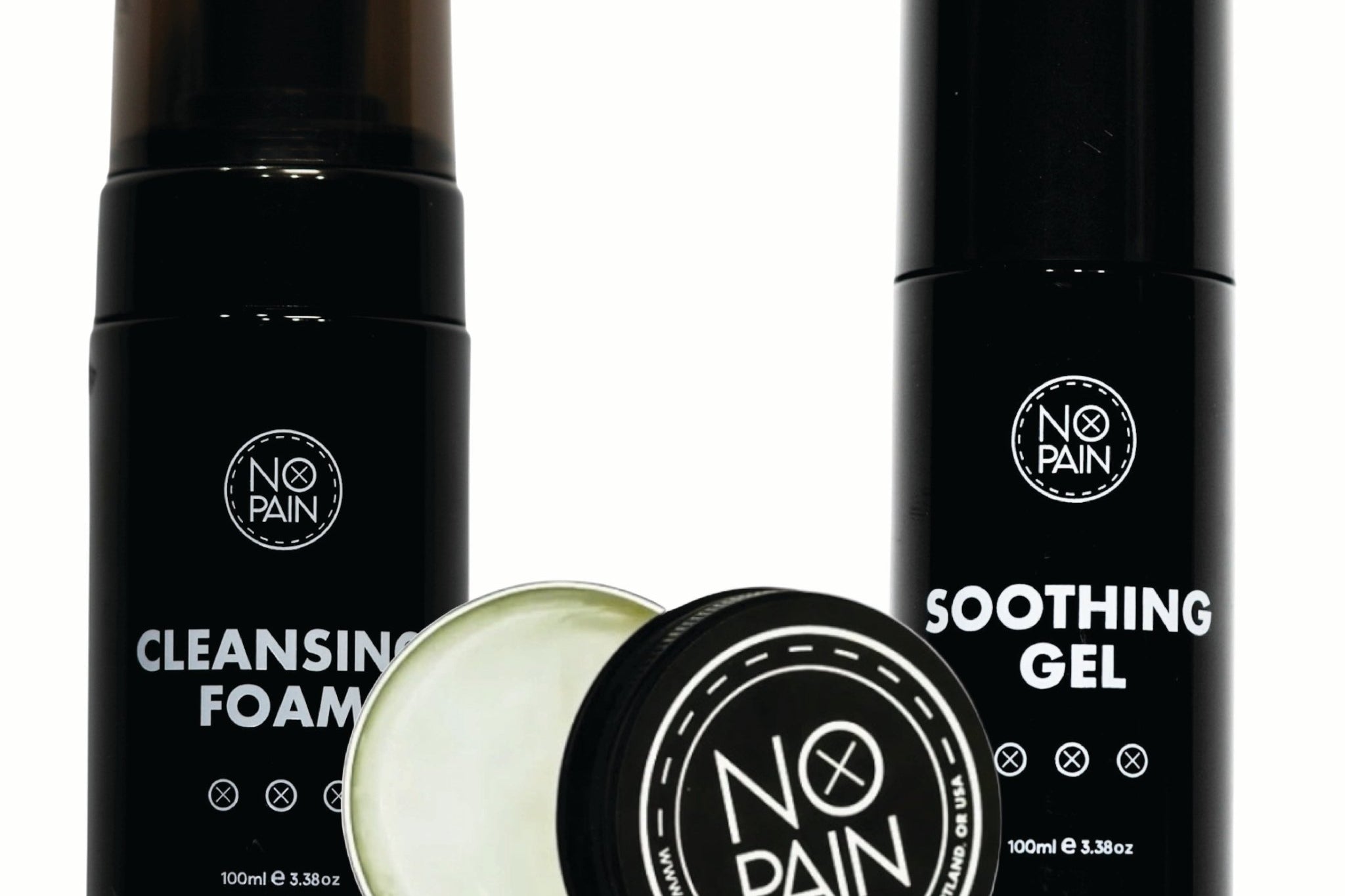
A new tattoo is an open wound. What you put on it in the first two weeks directly affects how the tattoo looks long-term — proper aftercare prevents infection, reduces scabbing, and keeps the ink sharp as it heals. No Pain aftercare products follow the natural stages of healing: antimicrobial cleansing in the early days, inflammation relief while the skin is still raw, and deep hydration through the peeling phase.
How do I use No Pain Tattoo Aftercare Balm?
Switch to No Pain Tattoo Aftercare Balm around day 4–5, once the initial inflammation settles and the skin starts to dry and peel. After cleansing and patting dry, apply a very thin, breathable layer 2–3 times daily. It keeps the skin hydrated, minimizes scabbing, and keeps ink color true through the peeling phase. (See: How To Use)
What does No Pain Tattoo Soothing Gel do?
No Pain Tattoo Soothing Gel is a lightweight, water-based gel for the first 3–5 days of healing. It cools on contact, reduces redness and swelling, and soothes the irritation of a fresh tattoo without clogging pores or trapping heat. Use it right after removing your bandage and after each wash in those early days. (See: How To Use)
When should I use No Pain Tattoo Cleansing Foam?
Use No Pain Tattoo Cleansing Foam for the first wash after your session, then 2–3 times daily throughout the entire healing process. It's a gentle, antimicrobial foam that removes plasma and bacteria from the surface without stinging or over-drying the skin. (See: How To Use)
Category 4: Safety & Ingredients
Are No Pain products safe for all skin types?
No Pain products are formulated without fragrance, petroleum, parabens, or artificial dyes and are suitable for most skin types. If you have sensitive skin or known allergies, do a patch test on a discreet area (like the inner elbow) 24 hours before full application.
Where can I find the full list of ingredients for your products?
Full ingredient lists for each product are on the individual product pages. (See: All Products)
Category 5: Tattoo Healing & General Questions
Does numbing cream affect your tattoo?
No — when applied correctly. Numbing cream used on intact skin before the session doesn't contact the dermis where ink is deposited, so it has no effect on retention. The concern some artists have is with products applied mid-session to broken skin — specifically petroleum-based formulas that can coat the skin and make it harder to read. No Pain's water-based Numbing Spray and Final Mile Gel are formulated to avoid this: they absorb quickly and don't leave a film that interferes with the artist's work.
How long does a tattoo take to heal?
Surface healing — the point at which skin looks and feels normal — takes about 2–4 weeks. Full healing of the deeper tissue layers takes 3–6 months, though you won't notice much difference after the first few weeks. The visible stages: redness and swelling (days 1–3), peeling and flaking (days 3–14), a slightly milky or shiny appearance (weeks 2–4), then fully settled color. Aftercare matters most during that first two weeks.
Why is my tattoo peeling? Is that normal?
Yes, completely normal. Peeling usually starts around day 3–5 and can continue through day 14. The outer layer of skin that was tattooed dies off and sheds, revealing the healed skin underneath. Don't pick or peel it — pulling skin off prematurely can pull ink with it. Keep the area moisturized with a thin layer of Aftercare Balm and let it come off on its own.
Can I shower after getting a tattoo?
Yes. A quick shower with lukewarm water is fine starting the same day. What to avoid: soaking — no baths, hot tubs, pools, or ocean until the surface is fully healed (2–3 weeks). In the shower, keep direct high-pressure water off the tattoo, wash gently with Cleansing Foam, rinse, and pat dry with a clean paper towel. Don't rub.
What should I avoid after getting a tattoo?
For the first 2–3 weeks: soaking in water (baths, pools, hot tubs, ocean), direct sun exposure, picking or scratching the peeling skin, and tight clothing that rubs the area. Avoid petroleum-based products (Vaseline, A&D ointment) — they clog pores and can affect how ink settles. After the tattoo is fully healed, apply SPF before extended sun exposure to keep the ink from fading over time.
Can I work out after getting a tattoo?
Light activity is generally fine after 48–72 hours. Heavy sweating, friction against equipment, and anything that stretches the tattooed skin should wait longer — typically 5–7 days minimum, more for large pieces or placements that flex a lot (inner arm, ribs, back of knee). Sweat introduces bacteria to healing skin, and friction can cause irritation and scabbing.
How long should I keep my tattoo covered?
It depends on what your artist used. Traditional plastic wrap (cling film): remove within 1–3 hours, don't sleep in it. Second skin / medical adhesive film (Saniderm, Dermshield, Tegaderm): leave on for 24–72 hours or per your artist's instructions — this type is breathable and designed to stay on longer. When you remove either type, wash immediately with Cleansing Foam and begin your aftercare routine.
What lotion should I use on a new tattoo?
It can work in a pinch, but most drugstore lotions aren't ideal — they contain fragrance, artificial dyes, and preservatives that can irritate healing skin. If you use a regular lotion, choose something unscented and petroleum-free (CeraVe Moisturizing Cream, Lubriderm unscented). Avoid anything with fragrance, alcohol, or a thick petroleum base. No Pain Tattoo Aftercare Balm is formulated specifically for healing tattoos — shea butter, jojoba oil, and calendula without the additives that cause problems.