



Made peace with the idea that some tattoos aren't forever? Laser tattoo removal is the most effective method for clearing unwanted ink, but most people go into their first consultation with more questions than answers. How much will it cost? How many sessions will it take? And what is the experience actually like?
This guide covers all of it — the science of how removal works, realistic cost and timeline expectations, what to expect from your results, and how to make your sessions as comfortable as possible.
How Does Laser Tattoo Removal Work?
Tattoo ink particles are embedded deep in the dermis and are too large for your body's immune system to clear naturally — which is why tattoos are permanent. Laser removal uses a process called photothermolysis to solve that problem.
A Q-switched or picosecond laser sends ultra-short pulses of light energy into the skin. The ink particles absorb this energy, heat up rapidly, and shatter into microscopic fragments small enough for your lymphatic system to carry away. Over the weeks following each session, your body gradually flushes those fragments out — and the tattoo fades a little more with each round.
Different wavelengths target different ink colors. Black and dark blue inks absorb most wavelengths and fade the fastest. Colors like yellow, green, and light blue require specific wavelengths to break up and typically take more sessions to clear.
How Many Sessions Does Laser Tattoo Removal Take?
Most people need between 6 and 12 sessions for significant to full clearance. Several factors push that number up or down:
- Ink color: Black ink fades fastest. Greens, yellows, and light blues are the most difficult to remove and often require more sessions with specialized laser wavelengths.
- Age of the tattoo: Older tattoos have already faded somewhat naturally and tend to clear faster than fresh ink.
- Ink density: A heavily saturated, bold tattoo takes more energy to break up than a lighter, more detailed piece.
- Your immune system: The laser shatters the ink into particles, but your lymphatic system does the actual clearing. Better circulation and overall health supports faster fading between sessions.
- Skin tone: Laser settings are adjusted for darker skin tones to protect natural melanin, which can affect the pace of removal.
Sessions need to be spaced 6 to 8 weeks apart to allow the skin to heal and the lymphatic system to flush the shattered ink from the previous round. A full removal course typically plays out over 1 to 2 years.
How Much Does Laser Tattoo Removal Cost?
Cost varies significantly by tattoo size, location, and the number of sessions required. As a rough guide for the US market:
- Small tattoos (postage stamp to business card size): $100 to $250 per session
- Medium tattoos (roughly hand-sized): $250 to $500 per session
- Large tattoos or sleeves: $500 to $1,000+ per session
Multiplied across the full course of treatment, total cost often lands between $1,000 and $10,000 or more depending on the piece. Many clinics offer package pricing for multiple sessions upfront, which reduces the per-session rate. Most also offer free consultations and will give you a specific quote based on the actual tattoo size.
Laser Tattoo Removal Before and After: What to Expect
Managing expectations is one of the most important parts of starting the removal process.
After your first one or two sessions, you will likely see some lightening — but not dramatic change. The most visible fading usually happens in sessions three through six, as the cumulative effect builds. Later sessions are often about chasing the remnants of the most stubborn colors.
Complete clearance is not guaranteed for every tattoo. Dense professional work may plateau at 90% to 95% clearance, which most people find more than acceptable. Your technician should give you an honest assessment at the consultation.
Between sessions, keep the treated area out of direct sun. UV exposure interferes with the fading process and increases the risk of hyperpigmentation. Apply SPF 30 or higher if the area cannot avoid sun exposure.
Does Laser Tattoo Removal Hurt?
Most people describe it as a rubber band snapping against the skin combined with intense heat. The laser creates thermal energy within the dermis, and without preparation, it is significantly more uncomfortable than the original tattoo for many people. Placement matters — areas with less fat or muscle (ribs, feet, spine) are more intense than fleshy areas like the upper arm or thigh.
How to Make Laser Removal Comfortable
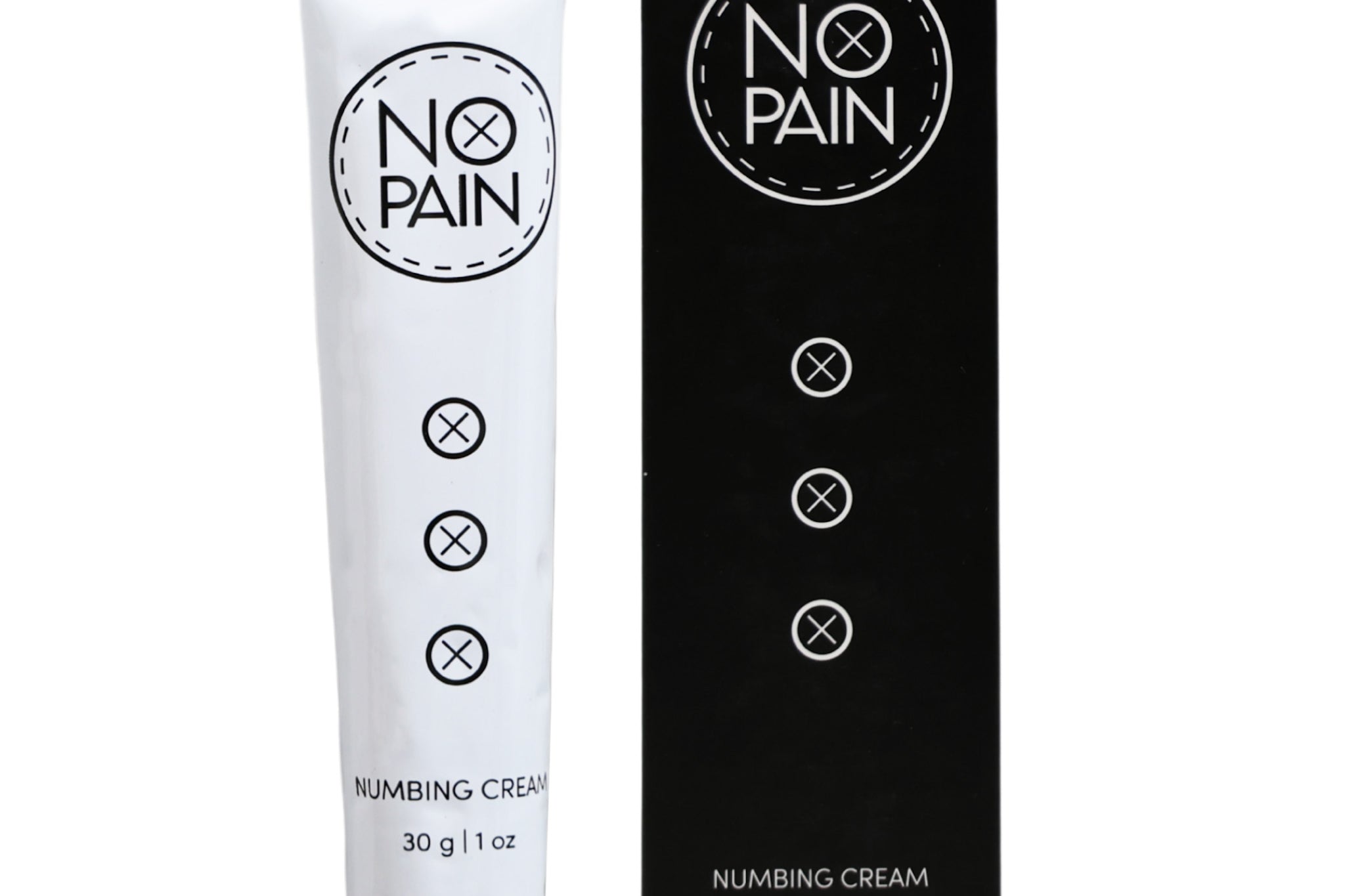
The good news is that laser sessions do not have to hurt. A numbing cream applied correctly before your appointment blocks pain at the nerve level, making even the most sensitive placements manageable.
The key is timing and application method. Apply a thick layer to the tattoo area 90 to 120 minutes before your session and cover it with plastic wrap. The wrap creates a sealed environment that uses your body heat to drive the active ingredient deep into the dermal layer — the same layer where the laser is working. Wipe the cream off only when the technician is ready to begin.
Applying cream for 20 minutes, as many people try, only numbs the surface. Ninety to 120 minutes is what it takes to reach the deeper nerve endings where the sensation actually originates.

Aftercare After Laser Tattoo Removal
Your skin has just undergone a significant thermal event. Proper aftercare in the days following each session protects the skin and supports the fading process.
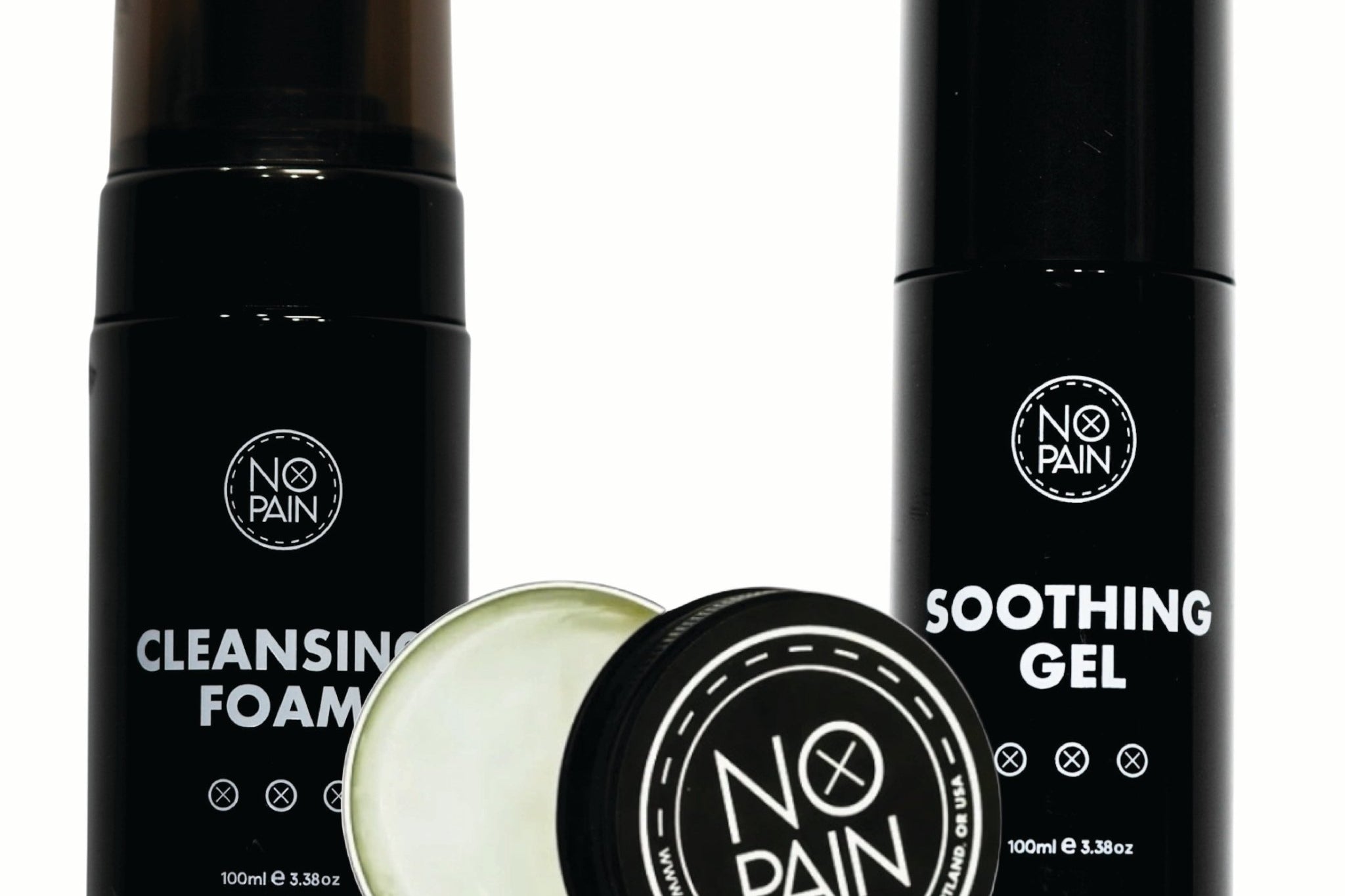
For the first few days, the treated area may feel like a sunburn — red and slightly swollen. Keep it clean with a gentle, fragrance-free cleanser and apply a lightweight, fast-absorbing soothing gel to calm the heat and reduce inflammation.

As the immediate inflammation settles, switch to a nourishing balm to support the skin as it heals and peels. Do not pick at any scabs — pulling them off early can cause scarring and interfere with the fading process.

Avoid hot tubs, pools, and direct sun for at least 48 hours after each session. Your skin is in a compromised state and needs clean, calm conditions to recover.
Frequently Asked Questions
Does numbing cream interfere with the laser?
No. A quality numbing cream with a thick, slow-absorbing base does not contain additives that reflect laser energy or change how ink responds to treatment. It is safe to use at every session.
Can laser removal work on all skin tones?
Yes. Laser settings are calibrated for darker skin tones to protect natural melanin, and modern equipment handles a wide range of skin tones safely. Discuss your skin type with your technician at the consultation.
Is complete removal always possible?
Not always, but most people achieve significant to near-complete clearance over a full course of treatment. Amateur tattoos tend to clear more fully than dense professional work with heavy ink saturation.
What should I avoid before a session?
Avoid alcohol for 24 hours before, come well hydrated, and eat a meal beforehand. Do not tan the treatment area in the weeks leading up to an appointment — tanned skin changes how the laser interacts with the skin and increases the risk of side effects.
Laser tattoo removal is a process, not a single event. Going in with a realistic picture of the timeline, cost, and what results actually look like makes the journey far easier to commit to — and a comfortable session at each visit helps you stay consistent.