
What Happens if You "Tap Out" During a Tattoo Session?

Tapping out is not failure. It is a normal part of tattooing that every experienced artist has handled many times. When it happens, there is a clear process for protecting your skin, preserving the work already done, and getting the piece finished at a later date.

This guide covers why people tap out, how to communicate with your artist, what the artist does next, and how to give yourself the best chance of sitting through a full session next time.

What "Tapping Out" Actually Means

"Tapping out" is the tattoo community's term for ending a session early because you have reached your physical or mental limit. The phrase comes from the martial arts tradition of tapping the mat to signal that you need to stop.

In a tattoo context, tapping out simply means telling your artist: "I cannot continue today." It is not a rude request. It is not a reflection of your character. It is honest communication that protects you and the quality of your tattoo.

Why People Tap Out

Tapping out is almost always the result of one or more of the following:

Pain Overload

Pain builds over the course of a session. A spot that felt manageable in hour one can become intense in hour four as the skin becomes increasingly raw and the nervous system grows more sensitized. This is the most common reason people call it early.

Vasovagal Response

The body sometimes responds to sustained pain and stress with a drop in blood pressure and heart rate. Symptoms include dizziness, nausea, cold sweating, and lightheadedness. This is a vasovagal response, and it is your body signaling that it needs a break. Pushing through it can lead to fainting.

Mental Exhaustion

Staying completely still and managing discomfort for hours requires real mental effort. When that focus runs out, every sensation feels worse and holding a position becomes much harder. Mental fatigue is a legitimate and common reason to end a session.

Low Blood Sugar

Not eating enough before a long session causes blood sugar to drop. The resulting lightheadedness and weakness can make continuing both uncomfortable and unsafe. Eating beforehand is not optional for multi-hour sessions.

How to Tell Your Artist

The most important rule: communicate early. Do not wait until you are about to pass out. The moment you feel yourself approaching your limit, speak up.

Wait for your artist to finish a stroke or lift the machine, then say: "I am really starting to struggle. I think I am going to need to call it for today." That is all. A professional artist will not be surprised, frustrated, or disappointed.

Early communication gives your artist time to find a good stopping point in the design. They can complete a specific section, close an outline, or reach a natural visual break in the work. This matters for how the unfinished tattoo looks during healing and how cleanly the next session can pick up where this one ended.

What the Artist Does Next

An experienced artist has been through this situation many times. Their process is consistent.

Finding a Safe Stopping Point

They will complete the immediate section they are working on, then assess the design for a logical place to pause. A skilled artist will not leave a line half-finished in the middle of a visible area if they can avoid it.

Cleaning and Wrapping

The unfinished piece is still an open wound. Your artist will clean and wrap it exactly as they would a completed tattoo. The aftercare process from that point is identical.

Payment for the Session

You pay for the time the artist worked. Tapping out does not change the agreed rate for the hours spent on your piece. Factor in the cost of the return session when budgeting for large or multi-day pieces.

Scheduling the Return Visit

You and your artist will book a follow-up to complete the work. Most artists require a minimum of four to six weeks between sessions on the same area so the healed ink can fully settle before they work over it again.

What Happens to the Unfinished Tattoo

An unfinished tattoo heals the same way a finished one does. Keep it clean, moisturized, and out of direct sun. The tattooed section will scab, peel, and settle into the skin over two to four weeks.

During that time, the piece will look exactly as it is: incomplete. The most important thing is not to pick at the healing skin and to keep it moisturized. You want to return with the healthiest possible skin for the next session.

When you go back, your artist will check how the healed ink looks. Touch-ups on the first session may happen before they continue adding to the design.

How to Avoid Tapping Out Next Time

Most tap-outs are preventable with better preparation. The biggest single factor is pain management: when the pain is under control, the mental and physical stamina required to sit for hours drops considerably.

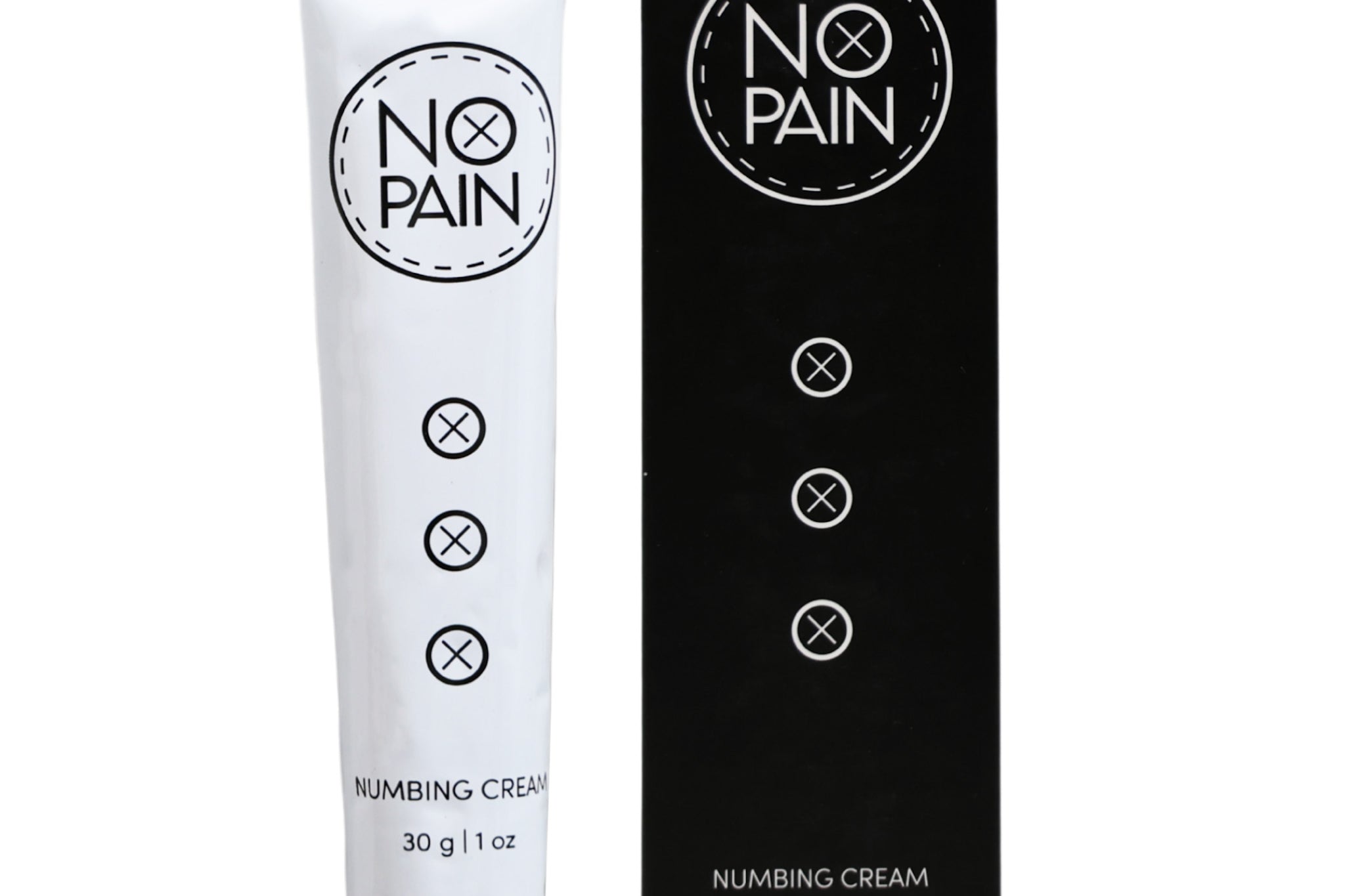
No Pain Tattoo Numbing Cream
Pre-Session
No Pain Tattoo Numbing Cream
Apply 90 to 120 minutes before your session
$30.00
Shop Numbing Cream →

Beyond pain management, these steps make a real difference:

  • Eat a full meal two to three hours before your session. Low blood sugar is a direct path to dizziness and early fatigue.
  • Sleep properly the night before. A well-rested body tolerates sustained discomfort better and keeps focus longer.
  • Stay hydrated. Dehydrated skin feels more sensitive, and recovery between sessions is slower.
  • Bring snacks for long sessions. A banana, nuts, or a sports drink during a break sustains blood sugar over multiple hours.
  • Tell your artist about your limits before you start. If you know long sessions are hard for you, say so upfront. A good artist can plan pacing and build in breaks before you hit the wall rather than after.

Take Care of What Got Done Today

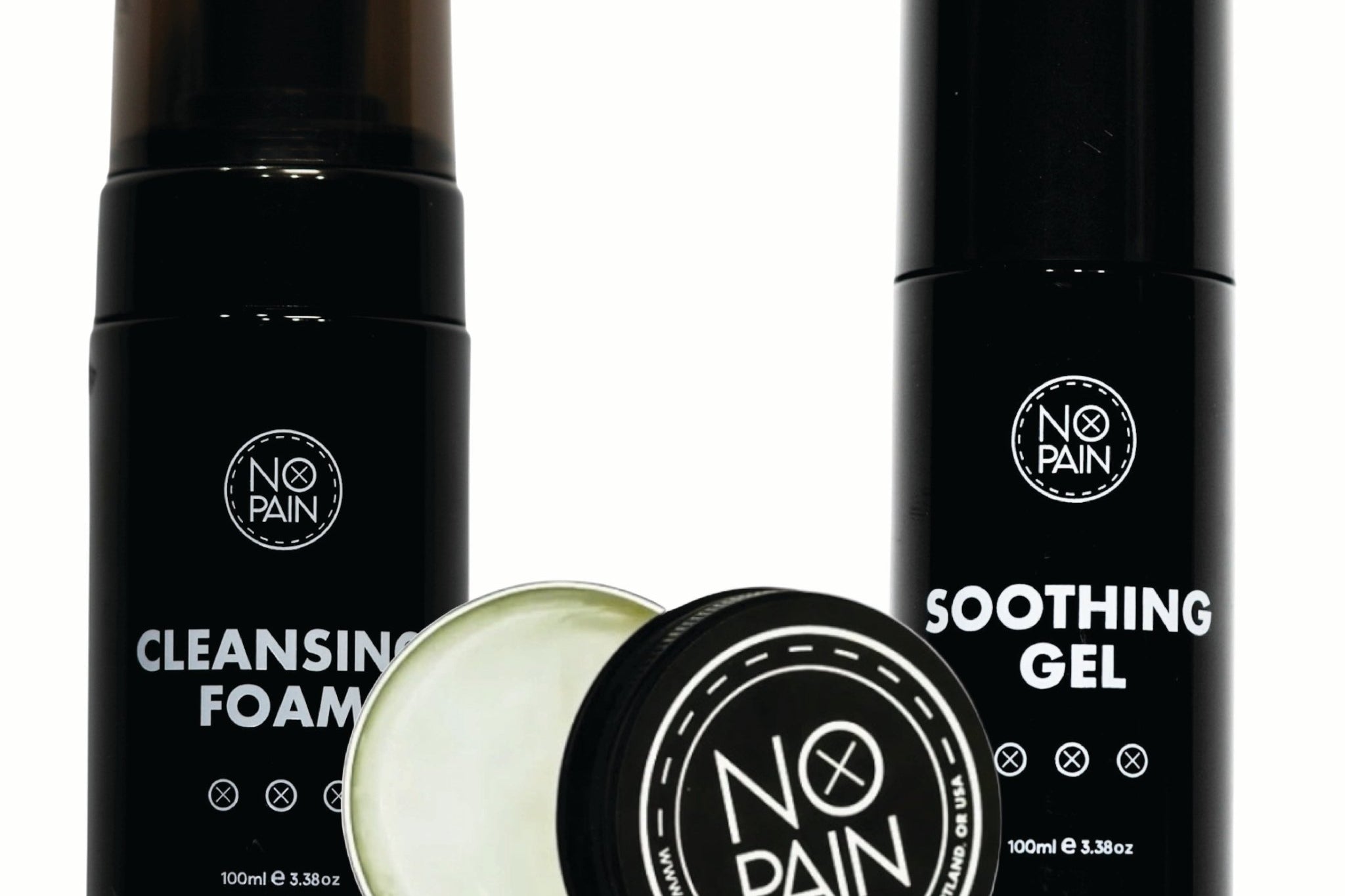
The Aftercare Bundle covers everything from session end to full heal. Gel for Days 1 to 3, balm from Day 3 Onward.

Shop Aftercare Bundle →

Frequently Asked Questions

Is it rude to tap out during a tattoo session?

No. Every professional artist has had clients tap out and expects it will happen occasionally. Communicating clearly and early is far better than pushing through to the point of fainting or shaking. A client who speaks up before hitting their limit is easier to work with than one who waits too long and becomes a safety issue in the chair.

Do I still have to pay if I tap out?

Yes. You pay for the time the artist worked, regardless of how much of the design was completed. The rate does not change because the session ended early. When planning large or multi-session pieces, budget for the possibility of a return visit as part of the overall cost.

How long do I need to wait before finishing the tattoo?

Most artists require four to six weeks between sessions on the same area. This gives the healed ink time to fully settle so they can see exactly where touch-ups are needed and where the next session should begin cleanly. Going back before the skin has fully healed risks working on fragile, compromised tissue.

Will the unfinished tattoo look bad while it heals?

It will look incomplete, which cannot be avoided. A skilled artist will stop at a logical point so the unfinished area is not in a particularly prominent or distracting position. Follow the aftercare routine properly and the healed ink will be in the best possible condition when you return.

What should I do if I feel dizzy or nauseous during a session?

Tell your artist immediately and ask to stop. Lie down or sit back fully and elevate your legs if possible. Eat or drink something with sugar to raise your blood sugar. Do not try to push through dizziness or nausea. These are the early signs of a vasovagal response, and continuing raises the risk of fainting. Artists are trained to handle this situation and will not be alarmed when you speak up.

Can numbing cream really help me sit longer?

For pain-driven tap-outs, yes. The main reason people end sessions early is that pain becomes unmanageable. A properly applied topical numbing cream reduces the intensity of that pain for the first one to two hours of a session, which is often the window when clients first start struggling. Starting the session with less pain means you reach the later hours with more reserves remaining, which is often the difference between finishing the day and calling it early.

Michael Hollman
Tagged: artist pain