

Every October, tattoo studios flip from appointment-only to something more open and chaotic: flash specials. Sheets of pre-drawn Halloween designs go up on the walls, the shop fills up earlier than usual, and artists knock out more tattoos in one day than they would in a normal week. If you have never been to one, here is how they work — and what makes the "Get What You Get" format so addictive.
In this article
- What is a Halloween flash special?
- How flash events work
- Get What You Get (GWYG)
- Why people love flash days
- How to prepare
- Frequently asked questions
What Is a Halloween Flash Special?
A flash tattoo is a pre-drawn design offered at a set price and size — no custom consultation, no back-and-forth, no waiting weeks for a design proof. The artist draws what they want to draw, puts it on a sheet, and whoever walks in can claim it.
Halloween flash events take that format and run with it. Studios create sheets of seasonal designs — ghosts, black cats, skulls, jack-o-lanterns, bats, spiders, horror characters, candy corn — all drawn in the artist's style. The event usually runs for one day only, often on or around October 31st, and the energy is different from a normal appointment. It feels more like a party than a medical visit.

How Flash Events Work
Flash days run differently from standard appointments. Most are walk-in only, first come first served. There is usually no way to book ahead or claim a specific design in advance — you show up, you look at the sheet, you pick something. Lines can form before the doors open at popular studios, especially if the artist has a large following.
The designs on the sheet are tattooed exactly as drawn. You cannot ask the artist to change the size, add color, or adjust the composition — the whole point is that the design is already done. Each piece has a set price printed next to it, so you know exactly what you are paying before you sit down. Smaller pieces on less painful spots tend to go fast. Factor in a 15 to 20 percent tip for your artist on top of the listed price.
The pace is faster than a custom appointment. Artists are moving through clients all day, and the designs are sized to be executable in a shorter window. Do not expect a long consultation or design revision process — but do expect a clean, well-executed piece in a style that reflects the artist's actual skills, not something stretched to fit a client brief.

Get What You Get (GWYG)
"Get What You Get" is a format that adds a layer of chance to the flash event. Instead of picking a design from the sheet, you pay a fixed price — usually somewhere between $50 and $150 depending on the studio and the piece — and then roll dice, spin a wheel, or pull a capsule from a gumball machine. Whatever comes out, that is what you get tattooed.
The capsules or slots are loaded with the artist's designs. You have no idea what you are going to get until it is in your hand. Some studios offer one re-roll for an additional fee if you absolutely cannot work with your first draw. But the spirit of GWYG is that you commit to the randomness — and the designs are usually good enough that there is no bad outcome, just a surprising one.
It has become one of the more talked-about formats in tattoo culture over the past few years for a reason: it removes the overthinking. People who have been sitting on a tattoo idea for months will walk up to a GWYG machine and commit to something in thirty seconds. The spontaneity is the point.

Why People Love Flash Days
Flash events give access. An artist whose books are closed for the next eight months might be doing walk-in flash on Halloween. The set price makes it easier to budget. The designs are fast to execute. And for collectors who already have a full sleeve and a clear aesthetic, flash days are a low-stakes way to add something fun without a three-month planning process.
The seasonal angle also matters. A Halloween tattoo collected on Halloween carries context that a tattoo done in March just does not have. It becomes part of the story of that year. People who get annual flash pieces on October 31st end up with a timeline of designs that means something — not just decorative ink, but a record of moments.

How to Prepare for a Flash Event
Arrive early. Popular studios can have lines forming before the doors open. For GWYG events with a limited number of capsules, early arrival is the only way to guarantee you get a shot.
Know your placement. Have at least a rough idea of where you want the tattoo before you walk in. The process moves faster when clients are not deliberating in the chair, and on a flash day the artist is working through a full queue.
Eat something first. Flash tattoos are usually small, but the adrenaline of the environment, combined with a potentially sensitive placement, can still make some people lightheaded. A meal before you go costs nothing and makes the whole experience better.
Bring your aftercare home with you. Flash events tend to happen late in the day when most shops are closed and pharmacies get inconvenient. Have everything you need at home before you go so you are not scrambling after.
Don't Forget the Aftercare
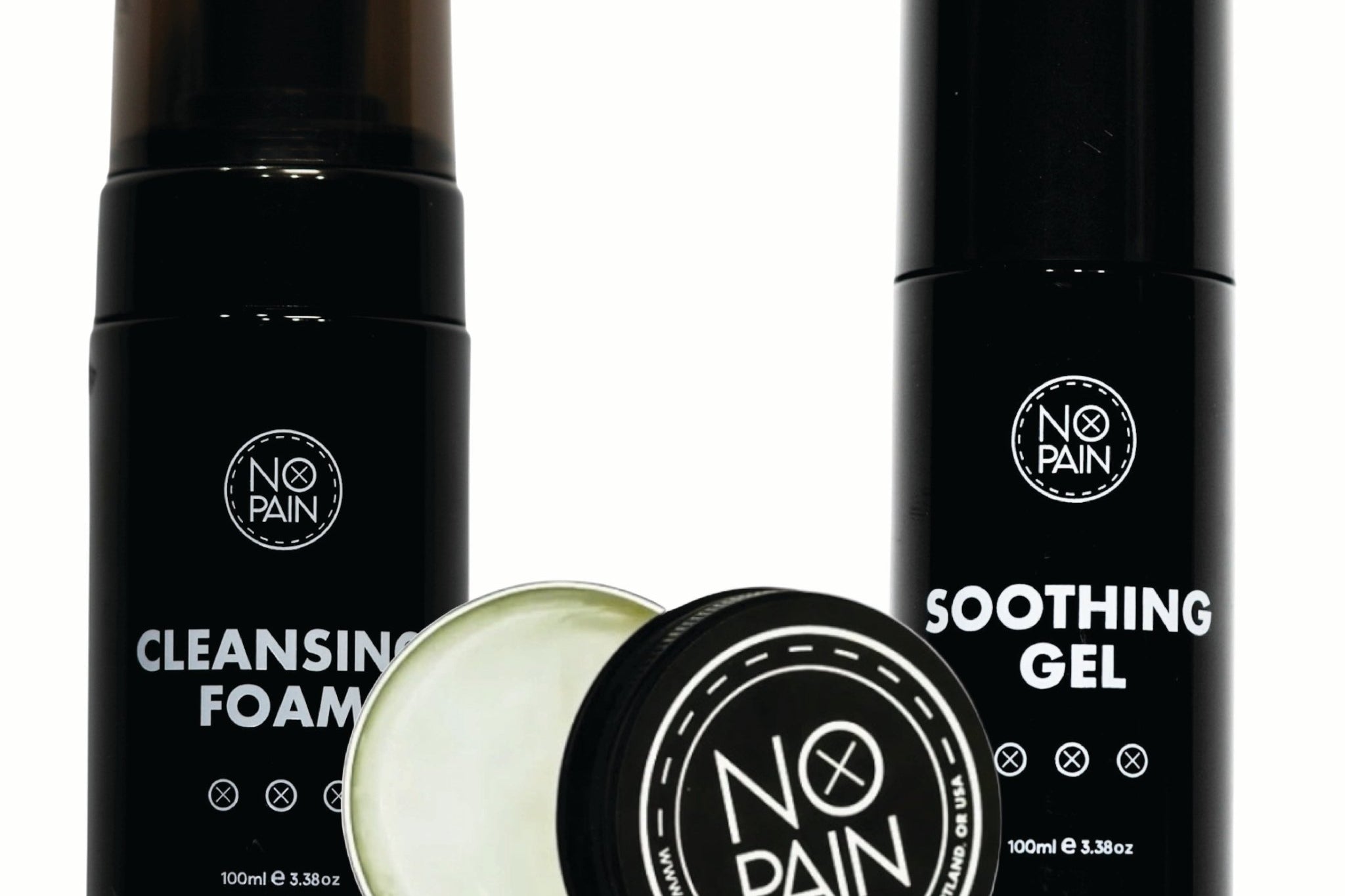
A flash tattoo is still a fresh wound. The Aftercare Bundle has everything you need for the first two weeks — Soothing Gel for days 1 to 3 and Aftercare Balm for day 3 onward.
Shop the Aftercare Bundle →Formulated at Historic Tattoo in Portland, Oregon. 100% money-back guarantee.
A few more from @krystian.tat2 at Historic Tattoo in Portland — thanks, Krystian.


Frequently asked questions
Can I request changes to a flash design?
Usually no — and that is the deal with flash. The designs are offered exactly as drawn. Some artists will make very minor adjustments like swapping a placement detail, but asking to change the size, add color, or redesign elements defeats the purpose of a flash event. If you want something custom, book a proper consultation.
How much do Halloween flash tattoos cost?
It depends on the studio and the size of the piece, but flash specials are typically priced lower than a custom tattoo of the same size. Many shops set a flat rate for the event — $60 to $150 is common for smaller pieces. Always add a 15 to 20 percent tip on top of the listed price.
Do I need to book in advance for a Halloween flash event?
Most flash events are walk-in only and cannot be booked in advance. Follow the studio on Instagram in the weeks leading up to Halloween — they will announce the event, post the flash sheets so you can preview the designs, and let you know what time doors open. Show up early.
What should I do if I hate my GWYG result?
Ask about a re-roll before you pay — some studios offer one for an additional fee. If you have already gone ahead with the tattoo and regret it, your main options are a cover-up or laser removal, neither of which is a quick fix. GWYG is a commitment to spontaneity. If that feels risky, pick from the regular flash sheet instead.
Is a flash tattoo as good quality as a custom tattoo?
Yes, if you are at a reputable studio. Flash designs are drawn by the same artists who take custom work, and many artists put their best design ideas into their flash sheets precisely because they get to choose what they draw. The execution quality is the same — it is just a faster process on both ends.
Can I hire a tattoo artist to do flash at a Halloween party?
Yes — many artists do private event bookings for exactly this. Contact the artist or studio directly to discuss the logistics, minimum booking fees, and how many pieces they can realistically complete in the time available. It is a popular option for large Halloween parties and makes for a memorable night.