
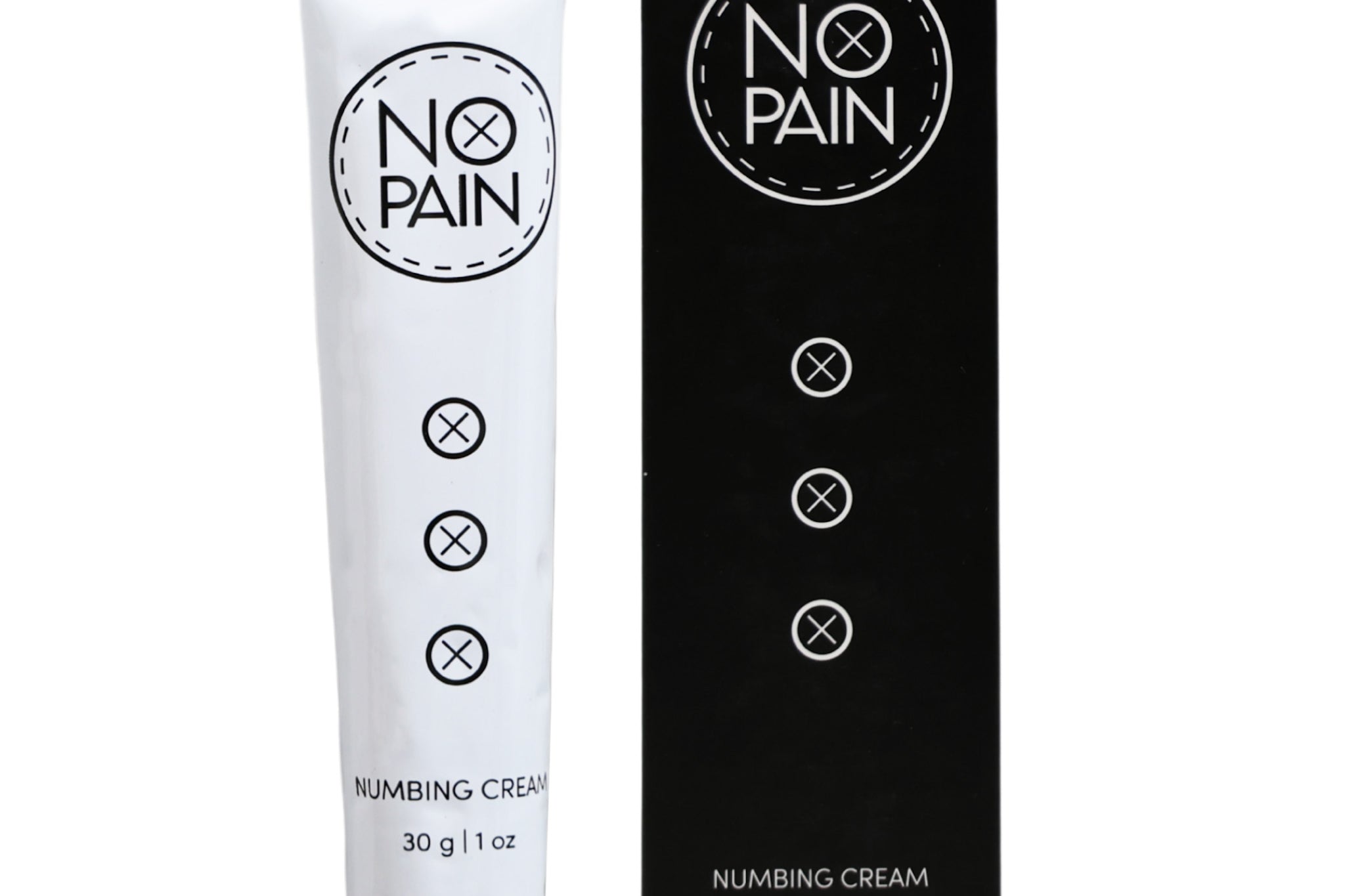


Your artist spent hours putting a technically clean piece into your skin. Whether it heals that way — whether the lines stay crisp, the color holds, the skin settles without problems — is almost entirely up to you. The aftercare instructions your artist gives you at the end of your session are not generic suggestions. They are a protocol built around how that specific artist works, what they applied to your skin, and how they have watched thousands of heals go right or wrong.
Here is what actually goes wrong when people ignore them, and why the specific instructions from your artist matter more than anything you find online.
In this article
- Why your artist's instructions beat generic advice
- What happens when cleaning goes wrong
- What happens when moisturizing goes wrong
- The most common ways people go off-script
- Having the right products ready
- Frequently asked questions
Why Your Artist's Instructions Beat Generic Advice
Most generic aftercare guides online are written for the average tattoo, applied by the average technique, with average products. Your tattoo is not average — it is a specific piece done in a specific style by an artist with a specific approach, applied to a specific area of your body.
An artist who does fine-line work pushes ink more shallowly and with less trauma than an artist who packs dense black into a bold traditional piece. Each of those heals differently, and the aftercare that is right for one can cause problems for the other. An artist who uses second-skin adhesive wrap sends you home with completely different instructions than one who uses traditional cling wrap. If you swap out one protocol for the other, you are managing a heal your artist did not design for.
Your artist has also watched hundreds or thousands of heals from their own work specifically. They know which problems come up with their technique, which products work, and which do not. That is information no blog post can replicate.
What Happens When Cleaning Goes Wrong
A fresh tattoo is an open wound. For the first few days, it weeps plasma, ink, and a small amount of blood as the skin starts to close. This fluid creates a surface environment where bacteria can grow fast. Your artist's instructions for how and when to wash are designed around exactly this window.
The most common cleaning mistakes are washing too aggressively or with the wrong product. Scrubbing a fresh tattoo with a regular bar of soap, a washcloth, or anything abrasive removes the thin layer of plasma that is helping the skin seal. It also introduces friction over skin that is already irritated. The right method is a gentle lather with clean hands, rinsed thoroughly with lukewarm water, and patted dry with a clean paper towel.
The second common mistake is not washing enough. Skipping washes lets bacteria sit on the surface and increases infection risk. An infected tattoo is not a mild inconvenience — it is a medical issue that can scar the skin permanently and destroy the art underneath.
What Happens When Moisturizing Goes Wrong
The way a tattoo is moisturized during healing has a direct effect on how the ink looks once it is done. Get this wrong and the problems are visible in the finished piece.
Too little moisture leads to heavy scabbing. When healing skin dries out, it compensates by forming thick scabs. A light flaky peel is normal. Thick, raised scabs are not. When thick scabs fall off — or get pulled off — they take ink with them, leaving patchy, faded areas that need a touch-up to correct.
Too much moisture causes its own problems. Over-moisturizing suffocates the skin and creates a wet, sticky surface that bacteria love. It can also cause the ink to look blurry or muddy as the skin cannot breathe properly during the sealing phase.
Wrong products cause the biggest problems. Petroleum-based products like Vaseline and Aquaphor seal moisture out as much as they seal it in — they create a barrier that traps heat and sweat and can pull ink to the surface during the peeling phase. Fragranced lotions irritate healing skin and can trigger reactions that look like infection. Your artist knows which products work for their clients because they have seen what happens with each one.
The Most Common Ways People Go Off-Script
A few patterns come up again and again when heals go wrong.
Switching to whatever is already in the bathroom cabinet. Coconut oil, regular lotion, Neosporin — all of these get reached for because they are familiar. None of them are ideal on a healing tattoo. Coconut oil has a comedogenic rating of 4 out of 5 and clogs pores on a significant number of people. Neosporin carries a meaningful allergy rate to its active ingredients. Regular lotion almost always contains fragrance or alcohol that irritates raw skin.
Picking or peeling the flaking skin. The urge is real. The skin looks like it is peeling off on its own, so pulling it feels harmless. It is not. Skin that peels naturally releases when it is ready — a fraction of a second before the ink underneath has finished bonding. Pulling it early pulls ink with it.
Soaking the tattoo. Pools, baths, hot tubs, and the ocean are all a problem during the first two weeks. Submerging a healing tattoo softens the scab layer, opens the skin back up to bacteria, and lets the water pull ink out. Showers are fine — soaking is not.
Going back to the gym too soon. Sweat creates a warm, wet environment on the skin surface — exactly the conditions that promote bacterial growth. Tight clothing over a healing tattoo adds friction. Most artists recommend avoiding intense exercise and anything that creates heavy sweat for at least the first week.
Having the Right Products Ready
The easiest way to follow your artist's instructions correctly is to already have the right products at home when you get back from your session. Your artist's protocol will involve two phases: a lighter, cooling product for the first few days when the skin is raw and tender, then a richer product to support the skin through the peeling phase.

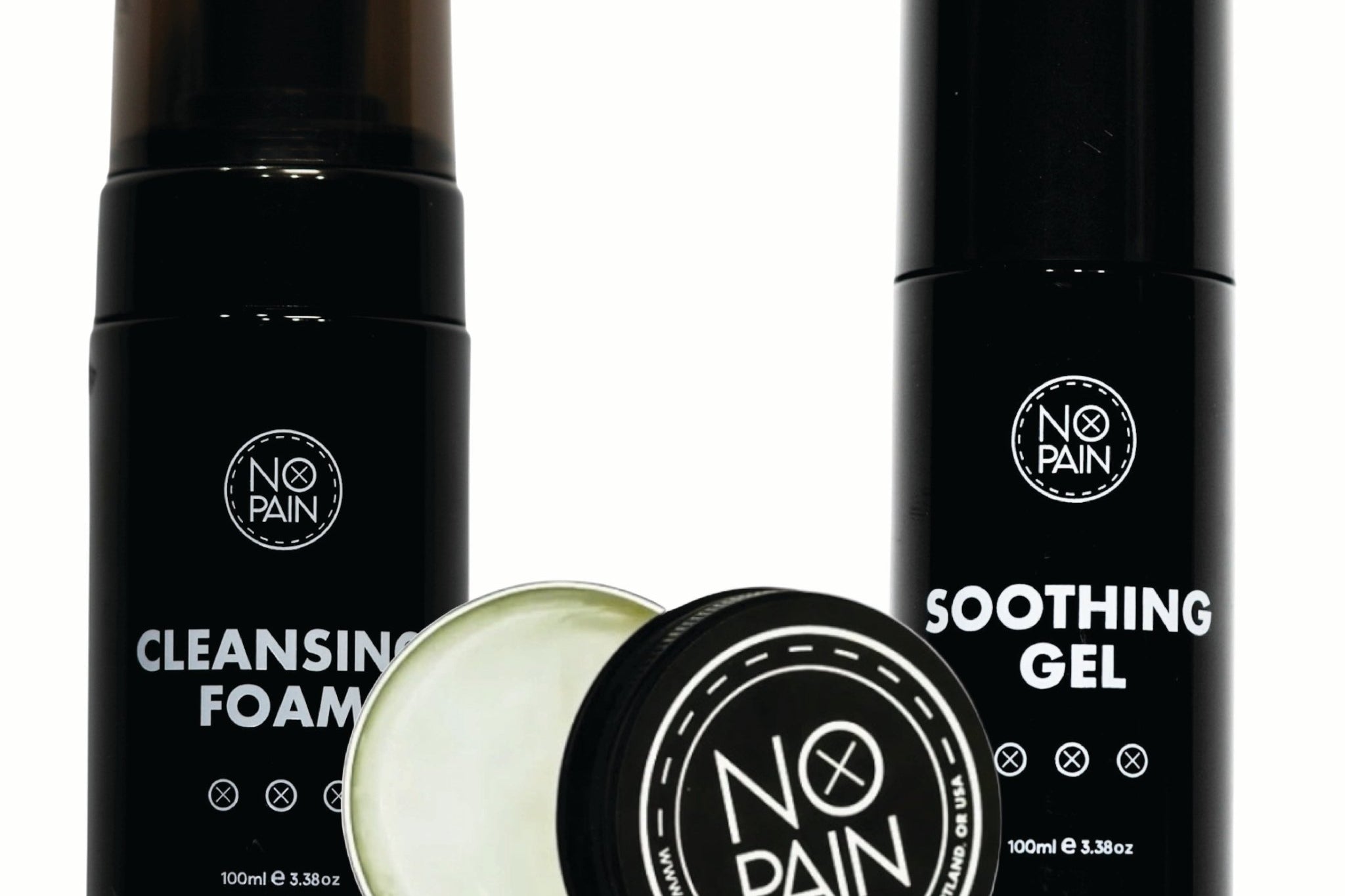
A lightweight, fast-absorbing gel that cools on contact and reduces redness in the first few days. Fragrance-free, petroleum-free, and gentle enough for raw skin.
From day three onward — and through the peeling phase — switch to a richer balm. The skin is no longer raw at this point and needs deeper, more sustained hydration to prevent the dryness that leads to heavy scabbing.

A rich, breathable balm for the peeling phase and long-term healing. Keeps the skin supple without sealing it or pulling ink to the surface.
Get Both in One Kit
The Aftercare Bundle includes the Soothing Gel for days 1 to 3 and the Aftercare Balm for day 3 onward. Have it ready before your session so you are not scrambling after.
Shop the Aftercare Bundle →Formulated at Historic Tattoo in Portland, Oregon. 100% money-back guarantee.
Frequently asked questions
What if my artist's instructions conflict with what I read online?
Follow your artist's instructions. They know how they work and what heals well from their specific technique. Generic aftercare guides are written for an average tattoo — your artist's instructions are written for yours. If something your artist said seems unusual or unclear, call the studio and ask them to clarify rather than defaulting to a generic source.
How long do I need to follow aftercare instructions?
The active phase — washing and moisturizing twice daily — typically runs for two to three weeks until the surface skin has fully shed and resettled. After that, a good SPF on healed tattoos when you are in the sun is the main long-term habit worth keeping. UV exposure is the leading cause of tattoo fading over time.
What should I do if my tattoo is not healing the way my artist described?
Contact your artist. If you are seeing anything beyond normal redness, mild swelling, and light peeling in the first week — things like increasing pain, hot skin, oozing that is not clear, or a spreading rash — reach out to your artist first and see a doctor if the symptoms are progressing. Do not wait and hope it resolves on its own.
Can I switch products mid-heal if one is not working?
If a product is clearly causing a reaction — increased redness, a rash, or stinging that gets worse instead of better — stop using it and contact your artist. Otherwise, stay consistent. Switching products mid-heal introduces a variable that makes it harder to identify what went wrong if something does. Stick with what your artist recommended for the full healing period.
My friend healed their tattoo with coconut oil and it was fine. Why not?
Anecdotal results vary a lot based on skin type, tattoo placement, the artist's technique, and luck. Coconut oil works for some people on some tattoos in some placements. It also has a high comedogenic rating, which means it clogs pores on a significant number of people — and on a healing tattoo, clogged pores create problems. A product formulated for tattooed skin removes that variable entirely.
Is it okay to ask my artist questions about aftercare after I leave?
Yes — and most artists expect it. Reputable studios want their work to heal well. A quick message or call with a specific question is always better than guessing. Most artists would rather answer three questions in the first week than see a heal go wrong because a client was not sure about something.