
You're in the tattoo chair, and you hear it: the iconic, loud, buzzing sound that is the universal signal of a tattoo session beginning. That sound comes from a tattoo machine, the most essential tool in your artist's kit. But have you ever wondered how do tattoo machines work? And why do some machines sound like an angry hornet's nest, while others are almost silent?
The answer lies in the two main types of professional tattoo machines: the classic Coil Machine and the modern Rotary Machine. While both do the same job—driving a needle into the skin—they operate in fundamentally different ways, creating a different experience for both the artist and the client.
The Classic Workhorse: The Coil Tattoo Machine
-
How it works: A coil machine operates using the principles of electromagnetism. It uses two electromagnetic coils to create a circuit. When the circuit is completed, it rapidly pulls a metal bar (the armature bar) down, and when it breaks, a spring snaps the bar back up. This rapid, hammer-like action is what drives the attached tattoo needle up and down.
-
The Look and Feel: Coil machines are the heavier, more "traditional" looking machines. Their defining characteristic is their sound—the loud, classic "buzz" that is synonymous with tattooing.
-
The Sensation: What does getting a tattoo feel like with a coil machine? The aggressive, hammer-like action creates a very strong vibration and a distinct, punchy feeling on the skin. Artists often love them for their ability to push bold, solid lines with incredible power.
The Modern Standard: The Rotary Tattoo Machine
-
How it works: A rotary machine is a much simpler and more modern piece of technology. It uses a small, quiet electric motor to move the needle up and down in a smooth, fluid, and cyclical motion.
-
The Look and Feel: Rotary machines are lightweight, often pen-shaped, and incredibly quiet. They produce a low, gentle hum rather than a loud buzz.
-
The Sensation: The smooth, fluid motion of a rotary machine is often less traumatic to the skin. The vibration is minimal, and the sensation can feel less aggressive and more like a steady, consistent abrasion. Many artists prefer them for creating the soft, smooth shading you see in black and grey realism.
Does the Machine Type Affect How Much a Tattoo Hurts?
This is a common question. Do tattoos hurt more with one type of machine? The honest answer is that the overall pain level is very similar. The type of sensation, however, is different.
-
Coil machines can feel more aggressive and jarring due to the vibration.
-
Rotary machines can feel like a smoother, more constant burn.
Ultimately, the choice of machine is a matter of the artist's personal preference and what they feel gives them the best result for their specific style.
The Constant Factor: Your Aftercare
Regardless of the machine your artist uses, the tattoo aftercare process is the same. The end result is a fresh tattoo that needs to be healed perfectly to preserve the artist's work.
-
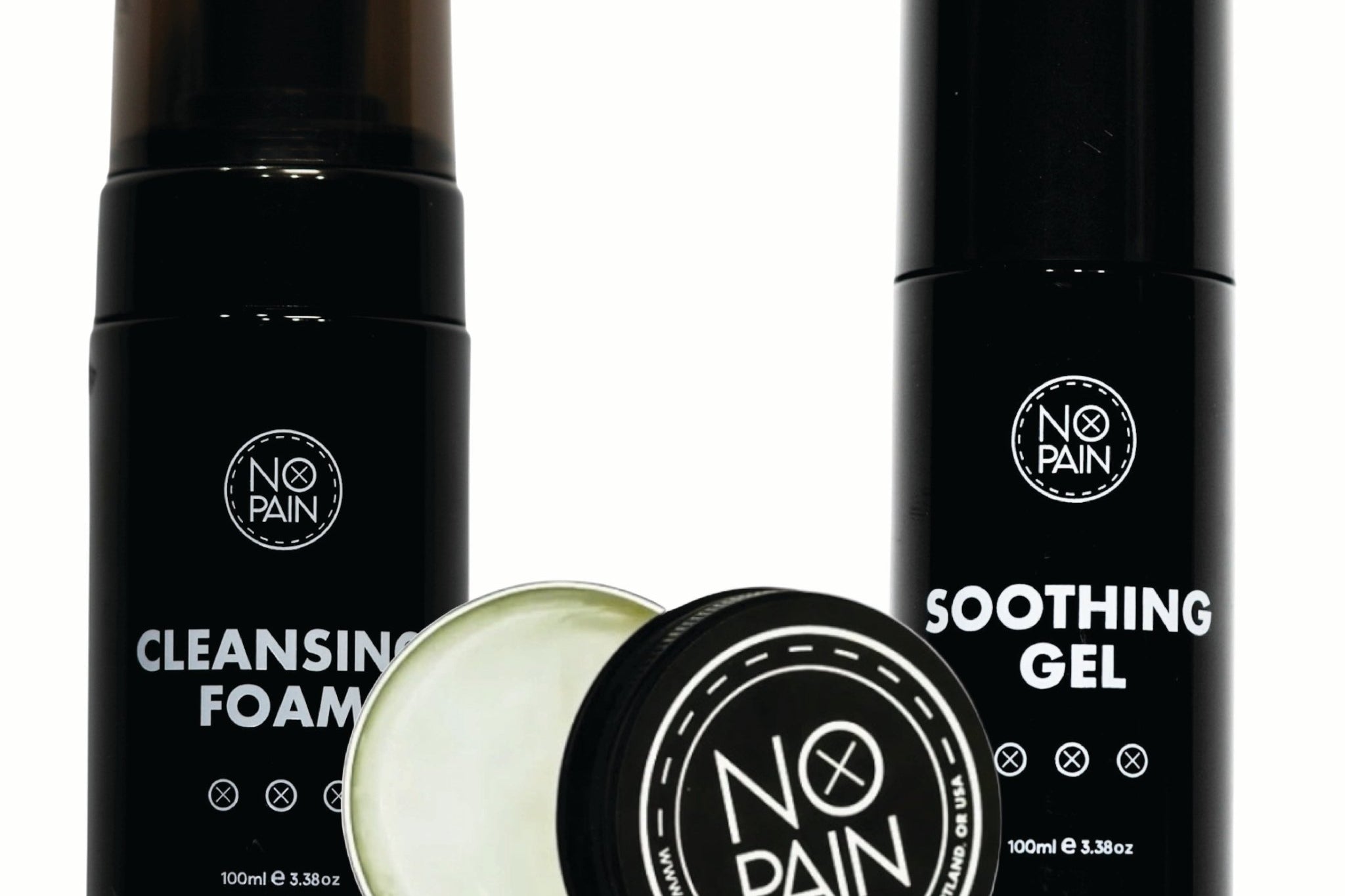
A professional aftercare system is the best way to ensure a great heal. Our No Pain Tattoo Aftercare Bundle provides the gentle Cleansing Foam and nourishing Aftercare Balm needed to heal your art perfectly, no matter how it was applied.
The Verdict: The next time you're in the chair, you'll have a new appreciation for the sophisticated tool your artist is using. Understanding the difference between a coil and a rotary machine gives you a deeper insight into the incredible skill and precision that goes into every single tattoo.