


Athletes have a specific set of considerations when it comes to tattooing that non-athletes don't face in the same way: active training schedules, competition timing, heavy sweat output, outdoor exposure, and a body that's under regular physical stress. None of these make tattooing impossible—athletes get tattooed all the time—but they do require more planning than a typical session does.
Timing: when to schedule the session
The most important decision is when to get tattooed relative to your training and competition schedule. The standard healing window where you need to significantly restrict activity is two to three weeks. During this period, intense exercise—anything that elevates heart rate, increases blood flow to the area, causes significant sweating, or creates friction at the tattoo site—works against the healing process by increasing inflammation, pulling moisture from the skin, and in some placements, physically stressing the healing skin.
The practical guidance: schedule your tattoo at the start of a planned deload week, recovery block, or off-season period. If you're training for a specific event, don't get tattooed in the final weeks of prep. If you have a competition coming up, wait until after it. A tattoo session puts your body in a mild recovery state; stacking it with peak training load creates two competing demands on your recovery systems.
Placement and training-specific friction
Placement matters more for athletes than for sedentary clients because different activities create friction and pressure in very specific places. A swimmer getting a chest tattoo faces different healing challenges than a rock climber getting the same piece. A runner with a new calf tattoo has to manage rubbing from socks and the repetitive motion of running. A lifter with fresh work on their inner forearm will feel every rack pull and barbell contact.
Think about where your gear makes contact with your body, where you grip or brace equipment, and which areas flex and compress during your specific activity. Avoid fresh tattoos in those zones until the surface heal is complete. If placement options are flexible, choose a site that's less involved in your primary movements.
Joint placements—inner elbow, back of knee, wrist, ankle—heal notoriously slowly for anyone and are harder still for people in active training, since these areas flex constantly and don't stay still even during rest.
Sweat and training during healing
Sweat itself isn't dangerous to a healing tattoo in small amounts. The problem is volume and duration. Extended sweating during an intense session keeps the skin wet and warm for a prolonged period, which softens the healing tissue and can harbor bacteria. It also means repeatedly washing the tattoo aggressively afterward, which strips the protective surface layer that's forming.
If you absolutely must train during the initial two weeks, keep sessions shorter than usual, cover the tattoo with a sterile, breathable bandage to reduce direct sweat exposure, and clean and moisturize the area immediately after you finish. This is a compromise position, not ideal practice—the cleaner approach is not training intensely until the surface is healed.
Swimming is a firm no for at least four weeks regardless of athletic level. Pools contain chlorine and bacteria. Open water contains bacteria and particulate. Neither is acceptable for a fresh tattoo.
Sun exposure and outdoor athletes
Runners, cyclists, triathletes, outdoor climbers, and anyone who trains regularly in the sun faces an ongoing long-term consideration beyond the initial heal: UV exposure degrades tattoo pigment faster than almost any other factor. Once your tattoo is fully healed, broad-spectrum SPF 30 or higher on any exposed ink is non-negotiable if you want the work to hold long-term. For outdoor athletes, this becomes part of the sunscreen routine you're already (hopefully) doing.
During healing—the first six to eight weeks—keep the healing tattoo out of direct sun entirely. Cover it with clothing if you must train outside. Sun on fresh healing skin significantly increases the risk of irritation and premature fading.
Pain management for longer sessions
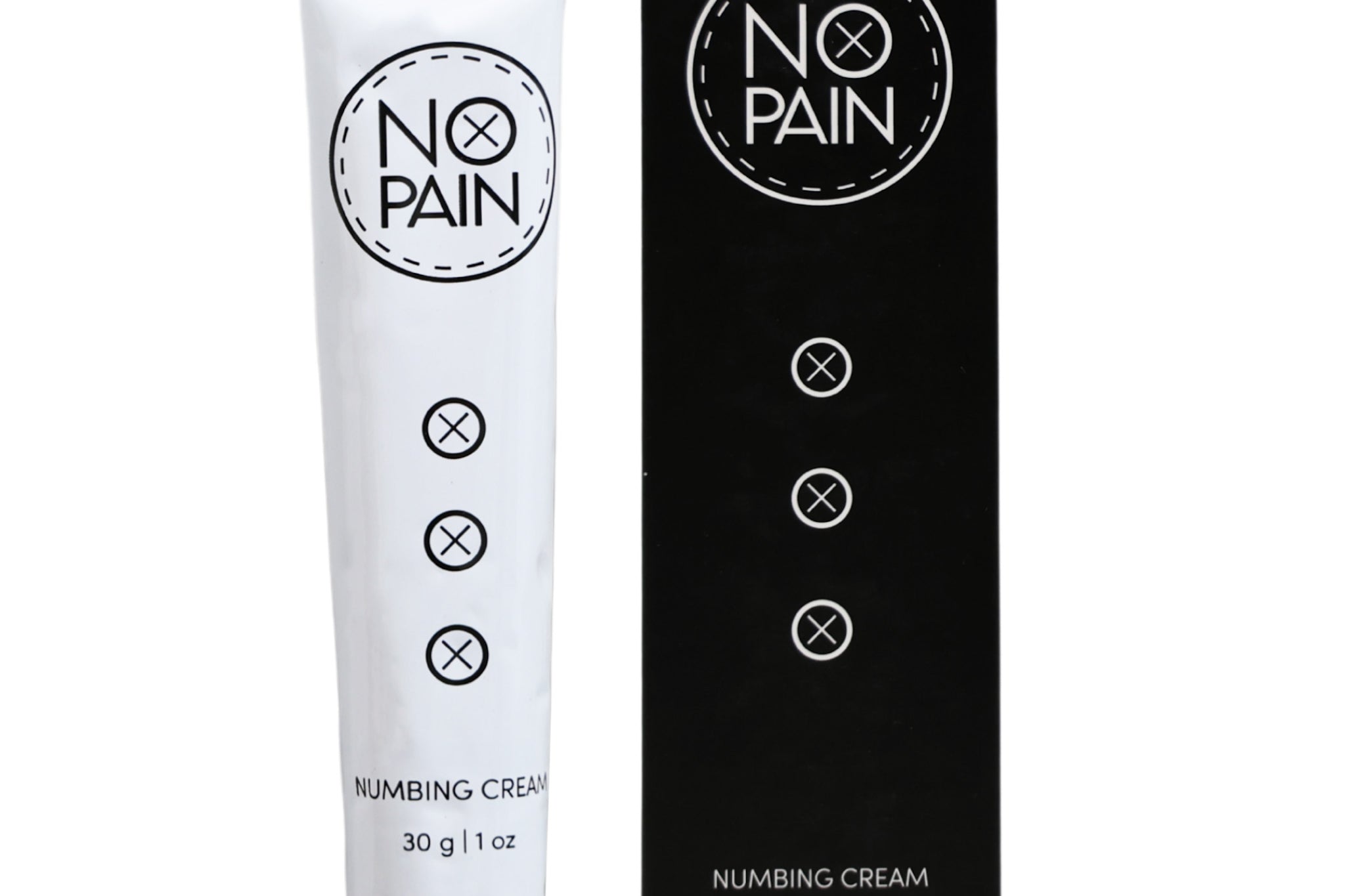
Athletes are no strangers to pushing through discomfort, but a long tattoo session creates a different kind of physical demand. Mental fatigue from holding still, the cumulative sensation of an extended session, and the mild physiological stress of being tattooed all stack. Applying No Pain Tattoo Numbing Cream before a session reduces the sensory load, which makes it easier to stay still and composed for larger or longer pieces—valuable for any athlete planning an ambitious session around a tight training window.
Recovery nutrition still applies
Athletes generally have better baseline nutrition and recovery habits than the average person, which works in their favor during tattoo healing. Adequate protein, vitamins C and E, zinc, and hydration all support skin repair. If you're already eating to support training recovery, you're eating to support tattoo healing. No special adjustments are needed—just don't treat the tattoo window as a time to crash diet or restrict significantly.