

A Guide to Tattoo Shock: What It Is and How to Handle It
Tattoo shock can mean two very different things, and both are worth knowing before your session. The first is a physical response that happens in the chair. The second is a psychological one that can hit hours or days after you get home. Neither is a sign that anything went wrong. Both are manageable.
This guide explains each type, why they happen, and what to do when they occur.
Physical Tattoo Shock: What Happens in the Chair
Physical tattoo shock refers to the body's acute stress response during a session. It is also called a vasovagal response. When the body experiences sustained pain or emotional stress, it can react by dropping blood pressure and slowing the heart rate. This is a protective mechanism, not a sign of weakness.
Symptoms to Watch For
Physical shock during a tattoo can include: feeling suddenly lightheaded or dizzy, breaking into a cold sweat, feeling nauseous, a sense of the room spinning, and in more pronounced cases, temporary loss of consciousness. These symptoms can come on quickly, often without much warning.
What Triggers It
A combination of factors raises the risk: arriving on an empty stomach, being dehydrated, getting a tattoo in a high-pain location, being anxious about the process, or simply having a body that responds more readily to pain signals. First-time clients are more likely to experience it because the nervous system has no prior reference point for the sensation.
What to Do if It Happens
Tell your artist immediately. Most experienced artists recognize the early signs before a client does. You should stop the session, lie back with your legs elevated if possible, and consume something with sugar to stabilize your blood sugar. A sports drink, juice, or candy works well. Do not try to push through lightheadedness. Continuing after these symptoms appear increases the risk of a full faint.
How to Prevent It
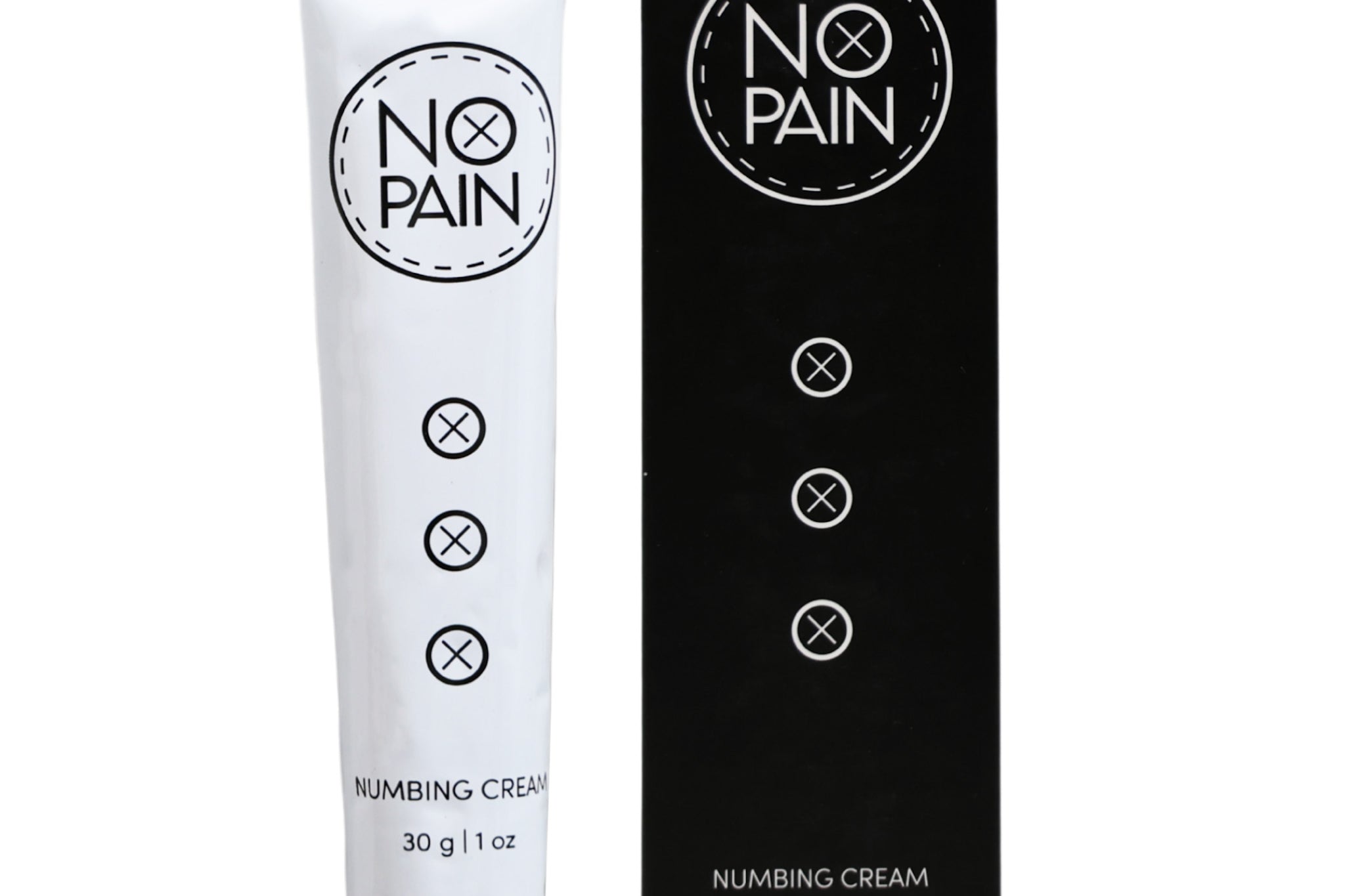
Eat a proper meal two to three hours before your appointment. Arrive hydrated. Bring snacks and a sugary drink. For sessions on high-pain placements, applying a numbing cream beforehand reduces the acute stress signal the body receives, which lowers the likelihood of a vasovagal response in the first place.

Psychological Tattoo Shock: The Feeling After
Psychological tattoo shock is the surreal, sometimes unsettled feeling that comes after getting a tattoo, especially a first tattoo or a large, highly visible piece. You look in the mirror and the tattoo looks foreign. It does not feel like you yet. This is sometimes described as "post-tattoo dread" or simply tattoo shock.
The feeling is not "I hate this tattoo." It is more like: "This is really on me. Forever." Your brain needs time to update its mental image of your body. That recalibration takes anywhere from a few days to a few weeks.
Shock vs. True Regret
These two things are easy to confuse in the first few days after a session, but they are meaningfully different.
Tattoo shock is about the permanence and the change, not the art itself. The feeling tends to ease as you grow accustomed to seeing the tattoo as part of you. It is often worst in the first 48 to 72 hours and fades noticeably within two weeks.
True regret is about the art. It is the feeling that the design is wrong, the quality is poor, or the placement is a mistake. This feeling does not soften with time and often intensifies once the tattoo has fully healed. If you still feel the same way six weeks after your session, that is worth taking seriously.
In the first few days after a large tattoo, assume what you are feeling is shock rather than regret. Give it time before drawing any conclusions.
Why a Fresh Tattoo Magnifies the Feeling
A fresh tattoo does not look like its final self, which makes the psychological adjustment harder. In the first week, a new tattoo is darker, bolder, and more saturated than it will be when healed. The skin around it is red, swollen, and inflamed. The lines look heavier. The colors look more intense.
What you are looking at in the first week is an injured version of a design that has not settled yet. Judging a tattoo based on how it looks in this state is like judging a painting while the artist is still applying the final coat.
What to Do When Tattoo Shock Hits
The most effective thing you can do is focus on the heal. When you take excellent care of a fresh tattoo, you give yourself an active role in shaping the outcome. That sense of control helps counteract the anxiety that shock can produce.
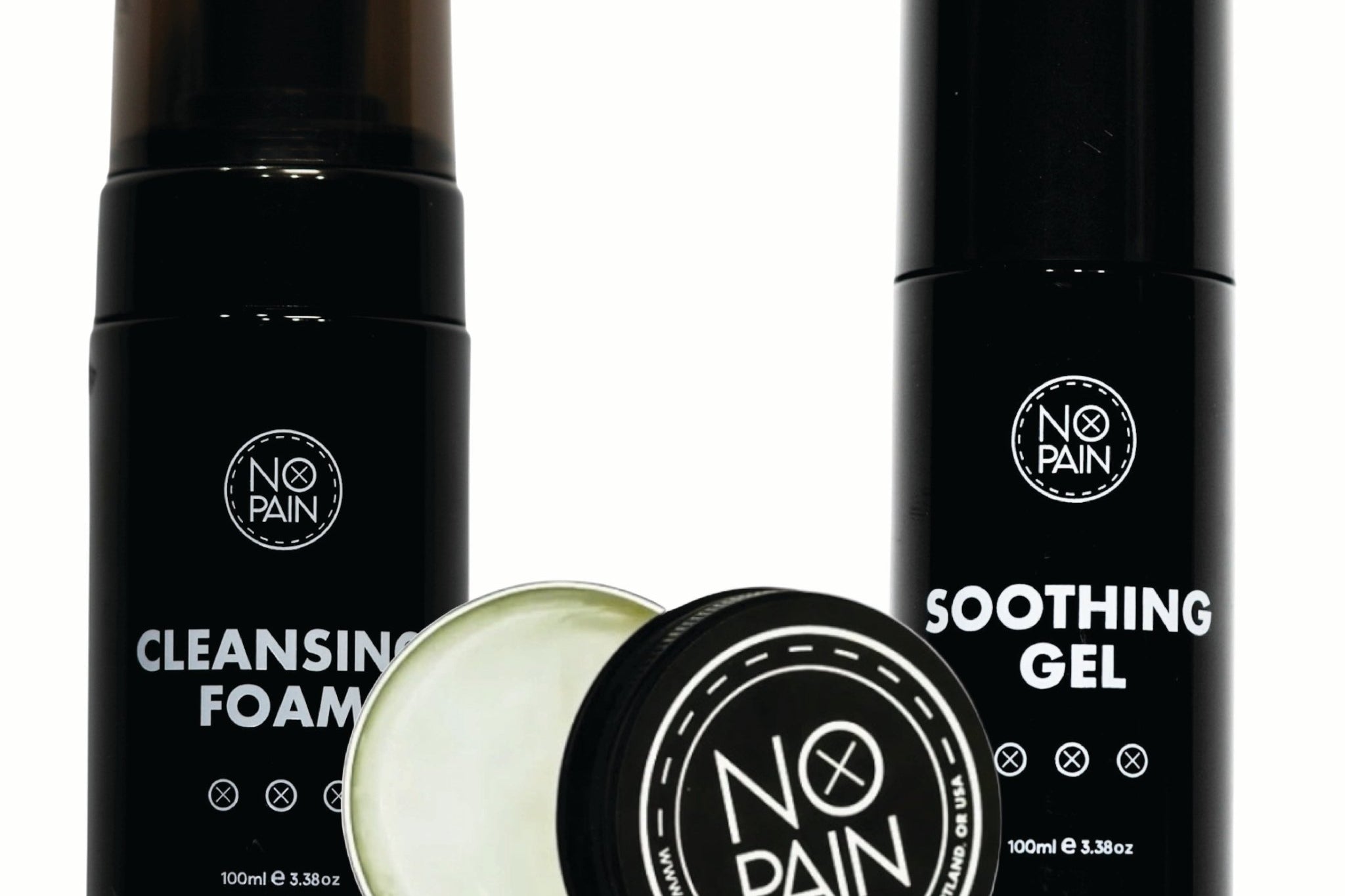
Clean the tattoo twice daily for the first few days. Apply a light, fragrance-free gel for the first three days to keep the skin hydrated without over-moisturizing. Transition to a nourishing balm from day three onward to support the peeling stage and protect the emerging healed skin.

Beyond aftercare, give yourself time. Tattoo shock almost always passes. Live with the piece for two to four weeks. As the tattoo heals, softens, and becomes a natural part of what you see in the mirror every day, that initial strangeness fades. For the vast majority of people, what felt unsettling on day two becomes something they love by week four.
If the feeling has not changed at all after six weeks and the tattoo is fully healed, that is a different conversation. At that point you are dealing with something other than shock.
Support the Heal, Trust the Process
The Aftercare Bundle gives you the right product for every stage. Gel for Days 1 to 3, balm from Day 3 Onward.
Shop Aftercare Bundle →Frequently Asked Questions
What is the difference between tattoo shock and fainting?
Tattoo shock in the physical sense is a vasovagal response that can range from mild lightheadedness to a full faint. You may feel dizzy, nauseous, and cold without losing consciousness. Fainting occurs when blood pressure drops low enough that the brain temporarily loses adequate blood flow. Both stem from the same mechanism. The difference is severity, not type.
Is it normal to feel strange or unsettled after getting a tattoo?
Yes, this is the psychological form of tattoo shock and it is extremely common. The feeling of strangeness or mild anxiety after a large, permanent change to your appearance is a normal psychological adjustment. It does not mean you made a mistake. It means your brain needs time to update its model of what you look like.
How long does psychological tattoo shock last?
For most people, the initial strangeness fades within one to two weeks. The tattoo gradually begins to feel like a natural part of you rather than something foreign. By the time the piece is fully healed at four to six weeks, the vast majority of people who experienced shock have moved past it completely.
How do I know if I am having a vasovagal response during a tattoo?
The early warning signs are dizziness, lightheadedness, a sudden cold sweat, nausea, and a sense that the room is moving. These can come on quickly. If you notice any of these, stop the session immediately. Tell your artist, lie back, elevate your legs, and consume something sugary. These steps usually resolve the response within a few minutes.
Can I prevent physical tattoo shock?
You can reduce the risk by eating a proper meal before your session, arriving well-hydrated, and bringing snacks for longer sessions. For high-pain placements, applying a topical numbing cream beforehand reduces the acute pain signal that triggers the vasovagal response. Managing anxiety beforehand also helps, since the psychological component of stress contributes to physical shock.
I feel regret about my tattoo. Is that the same as tattoo shock?
Not necessarily. Tattoo shock is about adjustment to a permanent change, not about the design itself. If your distress is specifically about the art, the quality, or the placement, that is worth examining separately. Wait until the tattoo is fully healed before drawing conclusions. A healed tattoo looks very different from a fresh one. If the same feelings remain at six weeks, speak with your artist about your options.