


A tattoo is a skin wound that heals through the same biological processes as any other wound — collagen synthesis, immune response, and cell regeneration. What you eat in the weeks surrounding your appointment directly affects how much your body has to work with during that process. These aren't supplements to add on top of a poor diet; they're the building blocks of healthy skin, and the goal is to give your body enough of them to close a wound cleanly and retain the color deposited beneath it.
Zinc — Wound Healing and Immune Function
Zinc is involved in nearly every stage of wound healing: it supports immune cell production, helps regulate inflammation, and is required for collagen synthesis. A deficiency slows healing noticeably — the wound stays open longer, immune response is blunted, and the risk of infection rises. Most people who eat meat get adequate zinc, but it's consistently low in restricted diets. Good dietary sources include beef, oysters, crab, pumpkin seeds, chickpeas, and hemp seeds. If you're plant-based, zinc absorption from non-meat sources is lower, and being deliberate about including high-zinc foods in the weeks around your appointment is worth it.
Vitamin C — Collagen Synthesis
New skin is built largely from collagen, and collagen synthesis requires vitamin C as a cofactor — meaning the process can't happen without it. A tattoo that heals with heavy scabbing, extended peeling, or poor color retention is often healing through suboptimal collagen production. Vitamin C is water-soluble, meaning the body doesn't store large amounts and uses what you consume relatively quickly. Consistent daily intake matters more than a single high-dose day. Bell peppers, citrus, strawberries, kiwi, and broccoli are among the highest dietary sources. The goal is regular consumption, not megadosing.
Vitamin A — Skin Cell Regeneration
Vitamin A drives skin cell turnover — the process by which new cells replace the damaged ones at the wound site. It also plays a role in immune defense and reduces the duration of inflammatory phases. This is the same mechanism that makes topical retinol effective on skin (and why retinol applied to healing tattoos damages them — it's too much of the right thing at the wrong moment). Dietary vitamin A from food sources doesn't carry this risk. Sweet potato, liver, eggs, and leafy greens like spinach and kale are strong sources. Carotenoids from plant foods convert to vitamin A in the body, so a varied vegetable-heavy diet generally covers this well.
Omega-3 Fatty Acids — Anti-Inflammatory Support
Healing involves inflammation — it's a necessary phase of wound repair. But excessive or prolonged inflammation is what causes heavy scabbing, extended tenderness, and greater risk of ink disruption. Omega-3 fatty acids help modulate inflammatory response, supporting the transition from the inflammatory phase to active tissue repair. They also contribute to the skin's lipid barrier, which keeps healing skin from drying out and cracking. Fatty fish — salmon, mackerel, sardines — are the most bioavailable source. Flaxseed, chia seeds, and walnuts provide plant-based omega-3s, though conversion to active forms is less efficient. Eating fatty fish two to three times per week in the weeks around your appointment provides meaningful support.
Protein — The Building Blocks of New Skin
Protein is the most foundational of the five. Collagen is a protein. New skin cells are protein. Immune cells are protein. Every phase of wound repair requires adequate protein intake to proceed at full capacity. Protein deficiency is one of the clearest nutritional predictors of poor wound healing — and in a population that often under-eats protein relative to needs, it's worth paying attention to. Adequate protein intake means roughly 0.7 to 1 gram per pound of body weight per day — eggs, chicken, fish, beef, Greek yogurt, legumes, tofu, and tempeh all contribute. In the two to three weeks of active healing after your appointment, maintaining or slightly increasing your protein intake gives your body the raw materials it needs to close the wound cleanly.
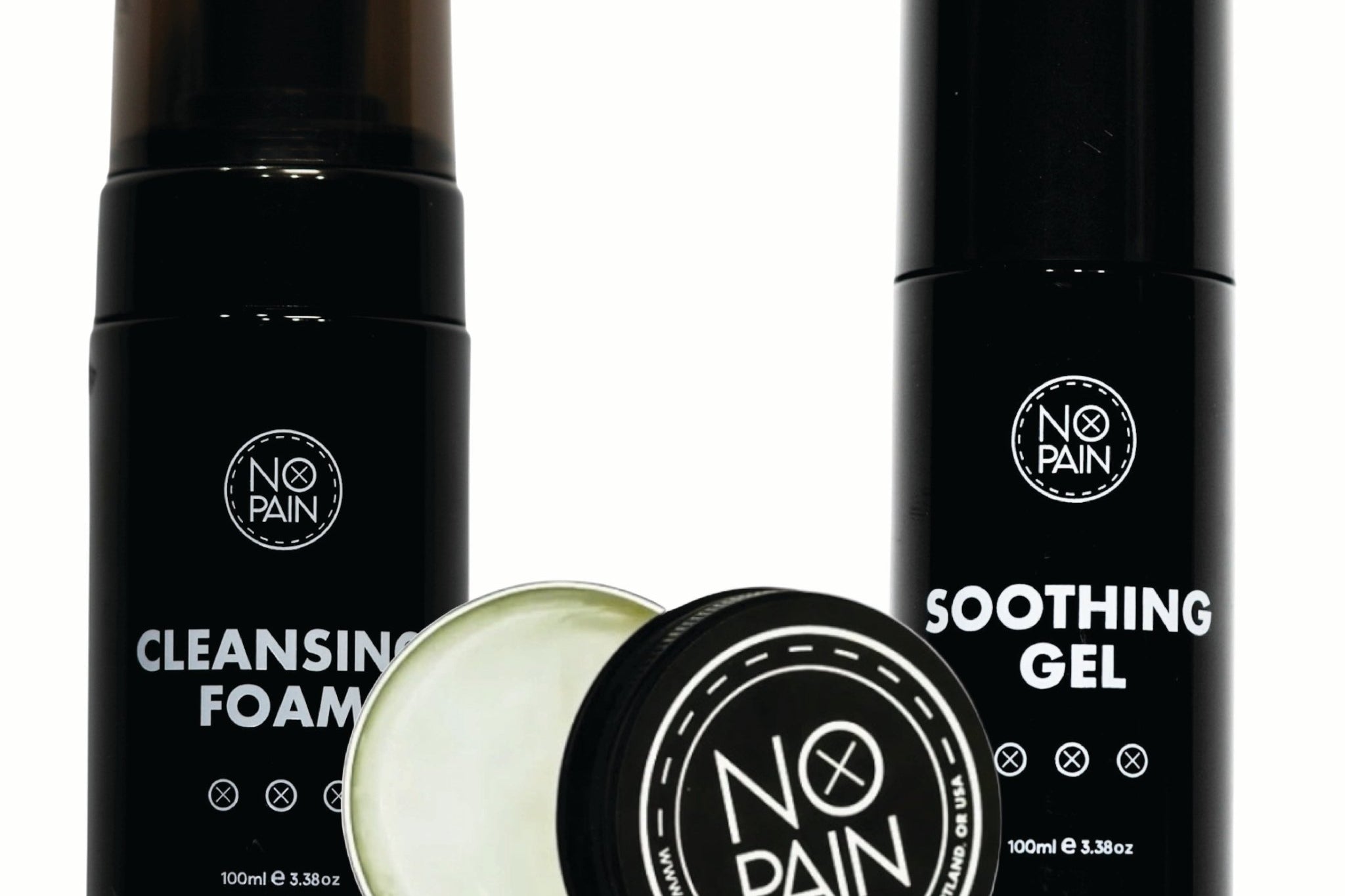
These nutrients work together rather than in isolation, and none of them replace a good aftercare routine. Washing the tattoo twice daily with gentle soap and keeping it consistently moisturized is still the most direct factor in how cleanly it heals. No Pain Tattoo Aftercare Balm handles the outside of the equation — protecting the surface, reducing friction, and maintaining moisture balance as the skin seals. Nutrition handles the inside. Both together give your tattoo the best possible conditions to heal with clean color and minimal complications.