


That clear fluid leaking from your new tattoo is plasma, and it is a sign your body is doing exactly what it should. When the tattoo needle punctures the skin thousands of times, your immune system classifies the area as an open wound and immediately sends blood and plasma to the site. The plasma seeps out through the compromised skin barrier. This is normal, it is expected, and it is temporary.
Here is what the fluid is, how long the weeping lasts, what normal looks like, and how to care for a tattoo that is actively weeping.
In this article
- What plasma is and why it comes out
- How long your tattoo will weep
- What normal weeping looks like
- How to care for a weeping tattoo
- When weeping is a warning sign
- Frequently asked questions
What Plasma Is and Why It Comes Out
Plasma is the liquid portion of blood — the clear, protein-rich fluid that carries red blood cells, white blood cells, and platelets. When those cells are filtered out, what remains is plasma: a thin, slightly yellowish fluid that your body uses to respond to injury.
A tattoo is a wound. The needle creates thousands of punctures in the epidermis and dermis, and the body's healing response kicks in within minutes. Blood flows to the site, and with it comes plasma. The plasma does several things: it cleans the wound from the inside out, delivers nutrients and immune cells to the damaged tissue, and begins forming the protective layer that becomes a scab.
The fluid you see leaking out is that plasma exiting through the compromised skin barrier. It is often slightly colored because it picks up the small amount of blood from the punctures and the excess ink that was sitting in the very top layer of skin. Pink, amber, ink-tinted, or nearly clear are all normal variations.
How Long Your Tattoo Will Weep
Weeping is most active in the first 24 to 48 hours. The inflammatory response is at its peak during this window, and the skin is still fully open. After the first two days, the surface begins to close and the leaking slows significantly. Most tattoos have stopped weeping noticeably by the end of day two.
Large pieces with heavy ink saturation may continue leaking lightly into day three. That is within the normal range. What falls outside the normal range is weeping that is still active at the 72-hour mark with no sign of decreasing, or weeping that increases after the first day rather than tapering off.
What Normal Weeping Looks Like
During the weeping phase, the tattoo will look wet or glossy even shortly after you have cleaned it. The surface moisture returns quickly because the skin is still releasing fluid. The area around the tattoo will be red, swollen, and warm. This is all part of the same inflammatory response.
Normal plasma weeping is thin and watery. The color is clear to slightly yellowish, sometimes with a faint ink tint. It does not smell unusual. The tattoo may feel tender and warm but the pain, while present, should be consistent with what you felt right after the session, not getting sharply worse.
The visual picture changes over the course of the first two days: day one is the most active, with the surface looking wet and fluid sometimes visible. By day two, the weeping has reduced to a sheen. By day three, the surface has dried down enough that the early scabbing process becomes visible.
How to Care for a Weeping Tattoo
The goal during the weeping phase is to keep the area clean and prevent the plasma from building up and hardening into a thick, heavy scab. Thick scabs form when plasma is left to accumulate on the surface. When they eventually come off, they take ink with them.
Wash the tattoo two to three times a day. Use clean hands and a gentle, unscented soap. Apply a small amount, work it lightly across the surface, rinse thoroughly with lukewarm water, and pat dry with a clean paper towel. Do not rub. Let the skin breathe for a minute before applying any product.
After washing, apply a thin layer of a lightweight soothing gel. A gel absorbs quickly without forming a seal over the surface, which lets the skin continue releasing fluid normally. Avoid anything thick or petroleum-based during this phase. Heavy ointments trap the fluid the skin is trying to expel and create a warm, wet environment under the surface that slows healing.

When Weeping Is a Warning Sign
Normal weeping decreases steadily. The overall trajectory of the first few days should be: less red, less swollen, less fluid, less tender each day. When that trajectory reverses, something is wrong.
The clearest distinction between normal plasma and infection is the fluid itself. Normal plasma is thin, watery, and mostly clear. Infected discharge is thick, opaque, and yellow or green. Pus has a different consistency from plasma — it does not run, it sits. It is also often accompanied by a foul or unusual odor and by pain that is getting worse rather than better after the first 48 hours.
Other signs that the situation has moved beyond normal healing: redness that is spreading outward beyond the tattoo border rather than staying contained to the tattooed area; swelling that is increasing after day two; red streaks extending away from the tattoo. Red streaks are a medical emergency. Get attention immediately if you see them.
Infections in fresh tattoos are not common, but they do progress quickly once they start. If you are seeing thick colored discharge, worsening pain, and spreading redness together, do not wait to see if it improves. Contact a doctor.
Frequently asked questions
Is it normal for a new tattoo to leak clear fluid?
Yes. Leaking plasma in the first 24 to 48 hours is a normal and necessary part of healing. It means your body has recognized the tattoo as a wound and is sending plasma to clean the site, deliver healing nutrients, and begin repairing the tissue. A fresh tattoo that does not weep at all would be unusual.
How long will my tattoo keep leaking?
Most of the active weeping happens in the first 24 to 48 hours. By the end of day two, the majority of tattoos have slowed to minimal or no leaking. Larger pieces or heavily saturated tattoos may continue lightly into day three. If your tattoo is still actively weeping at the 72-hour mark with no sign of tapering, or if the weeping seems to be increasing rather than decreasing, consult your artist or a doctor.
What does the fluid from a new tattoo look like?
Normal plasma is clear to slightly yellowish and thin, like water with a faint tint. It often picks up a trace of ink color, which is why you may see pink or amber tones. The tattoo looks wet or glossy shortly after cleaning, and that sheen returns quickly because the skin is still releasing fluid. Thick, opaque, yellow or green discharge is not normal plasma.
Should I wipe the fluid off my tattoo?
Not between washes. Wash the tattoo two to three times a day to remove plasma buildup. Between washes, leave it alone. Repeatedly wiping the surface with dry paper towels creates friction on sensitive healing tissue and does not meaningfully change the weeping. Just wash, pat dry, apply gel, and let it be.
Can I put a bandage on a weeping tattoo?
If your artist applied a second-skin wrap, leave it in place for the time they specified and follow their removal instructions. Once the wrap is off, do not re-cover the tattoo with regular cling wrap or gauze unless specifically told to. Sealing the weeping fluid under a non-breathable covering traps moisture and creates exactly the warm, wet conditions that make infection more likely. Let the skin breathe.
What is the yellow fluid on my tattoo bandage?
Plasma that accumulates in a sealed environment concentrates and takes on a more yellow or amber color. This is the same fluid — it just looks more intense because it has pooled rather than spreading out. The same thing happens with a blister. When you remove the bandage, wash the tattoo thoroughly to clear the buildup.
The weeping has a faint smell. Is that normal?
A very faint, neutral smell from plasma is within the range of normal. Plasma is a protein-rich biological fluid and does have a slight scent, particularly if it has dried on the surface and been there for a few hours. What is not normal is a foul, sour, or noticeably unpleasant odor. That kind of smell from a healing tattoo usually means bacterial activity, which warrants medical attention.
The Full Aftercare Routine, Start to Finish
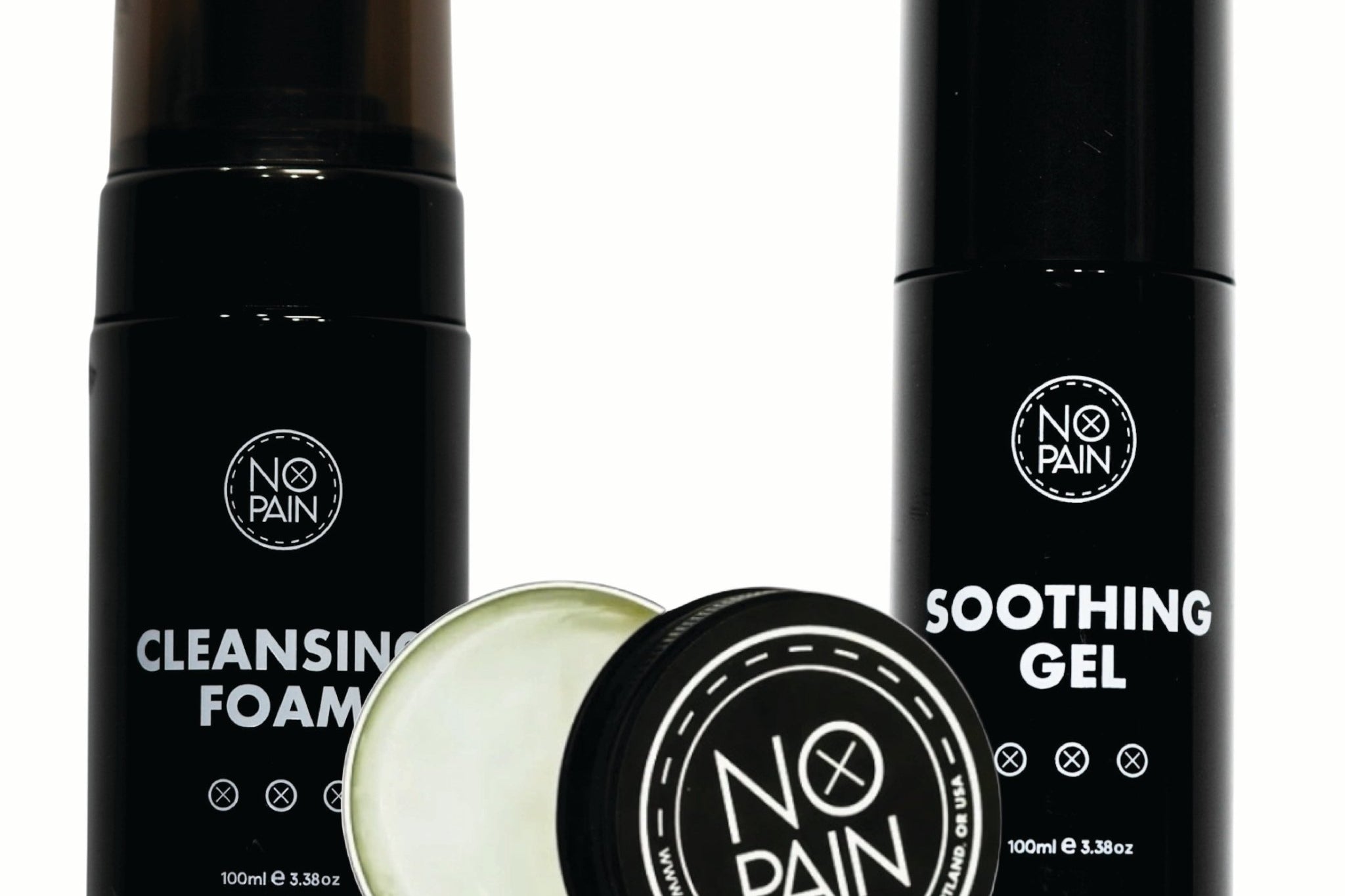
Soothing gel for the weeping and inflammation of the first days, aftercare balm for the peeling phase that follows. Everything in one kit.
Shop Aftercare Kit →