
The most common description is a slow, firm cat scratch with heat behind it. That's accurate for lining on a forgiving placement. It's not the whole picture.
A tattoo isn't one sensation. It shifts based on what the artist is doing, where they're doing it, and how long you've been in the chair. Lining feels different from shading. Shading on the ribs feels different from shading on the outer arm. The first hour feels different from the third. Here's what to actually expect.
In this article
- What each stage of tattooing feels like
- How placement changes the feeling
- How the feeling changes over a session
- The sensation people don't expect: vibration
- How to change what it feels like
- Frequently asked questions
What Each Stage of Tattooing Feels Like
Artists work in phases: outline first, then shading, then color packing if there's solid fill. Each phase has a different quality to the sensation.
Lining
Lining is the sharpest part. The needle group is small and tight, tracing a precise path through the skin. On a standard placement like the outer arm or calf, it feels like someone drawing on you with a hot ballpoint pen and pressing too hard. Clear, stinging, focused. Most people find it more manageable than they expected, because the sensation is defined. You know exactly where it is.
On a bony or thin-skin area, lining sharpens considerably. Ribs, the shin, fingers, the sternum. On those placements it stops feeling like a pen and starts feeling like a blade edge.
Shading
Shading uses a wider needle grouping moving back and forth over the same area. The sensation is less sharp but more relentless. Coarse sandpaper dragged repeatedly across the same patch of skin. It's a burning, abrasive feeling that builds with time. Many people who sail through lining find the shading pass harder to sit through, because there's no clear endpoint. The artist keeps going until the tone is right.
Color Packing
Color packing is the most intense phase for most people. The artist is saturating the same zone over and over, which means the skin is already irritated when each new pass starts. The sensation stacks. It's a combination of the burning from shading plus growing sensitivity from cumulative trauma to the tissue. On a forgiving placement it's manageable. On a difficult one, this is where people start asking for breaks.
How Placement Changes the Feeling
Placement is the biggest variable. The general rule: less tissue between skin and bone means more pain. Thin skin and no muscle or fat buffer means the needle is working right over nerve-dense bone, with minimal cushion.
Low-sensation areas have thick skin and good muscle coverage: outer thigh, outer arm, calf, shoulder cap. The needle has padding to work through, and the nerve density is lower. Most people rate these 3-5 out of 10.
High-sensation areas are those with thin skin, prominent bone, or dense nerve supply: ribs, sternum, spine, inner arm, hands, feet, head, kneecap, ankle. Ratings of 8-10 are common. It's not just the sharpness: on bony areas, the machine vibration travels through the bone and you feel it in a way that's hard to describe until you've experienced it.
Mid-range areas include the upper arm, forearm, thigh, stomach, and back. Enough tissue to buffer the sensation, but less than the most forgiving spots. 5-7 range for most people.
For a full placement-by-placement breakdown, the placement guide covers every zone with honest ratings.
How the Feeling Changes Over a Session
The first 30 to 60 minutes are often the easiest. Adrenaline is up, the skin is fresh, and the novelty keeps you present before it becomes a grind. Most people are surprised by how manageable it is in this window.
Past the two-hour mark, things shift. Adrenaline fades. The skin in the worked area is inflamed, swollen slightly, and sensitized. The same needle depth that felt manageable at the start now registers harder. Artists know this. It's why experienced artists pace sessions, work efficiently, and often tackle the most difficult zones while the skin is still fresh.
By hour three or four, the mental component becomes as much work as the physical. The actual sensation may not be much worse than hour one, but your tolerance for it is lower. This is when breathing, distraction, and taking breaks matter most.
Sessions over four to five hours cross into a different category. At that length, skin trauma accumulates to the point where the tissue quality changes and artists may stop adding detail to areas that have been overworked. Long sessions are doable. Plenty of people sit for eight-hour full-day stints, but they require preparation and often numbing.
The Sensation People Don't Expect: Vibration
Almost everyone is surprised by the vibration. When the machine is working over or near bone, you feel a deep, resonant buzz that conducts through the skeletal structure. On the head or skull it can travel into the jaw and inner ear. On the shin it rattles the tibia. On the elbow it goes right through the joint.
This isn't painful in the traditional sense, but it's deeply uncomfortable in a way that's distinct from the surface sensation of the needle. Some people find it more unsettling than the actual pain. On the other hand, some find it oddly meditative once they stop fighting it.
The other sensation worth naming: the pressure. Even when numbing cream has taken the sting away, you still feel the weight and push of the machine working. That's normal. Numbing blocks the pain signal; it doesn't block proprioception. You'll still know something is happening. You just won't mind it.
How to Change What It Feels Like
If you're anxious about the sensation (especially for a first tattoo on a painful placement), numbing cream is the most straightforward intervention. Applied correctly before the session, it takes the sharp, stinging, burning component largely out of the equation. What remains is the pressure and vibration. For most people, that's genuinely manageable.

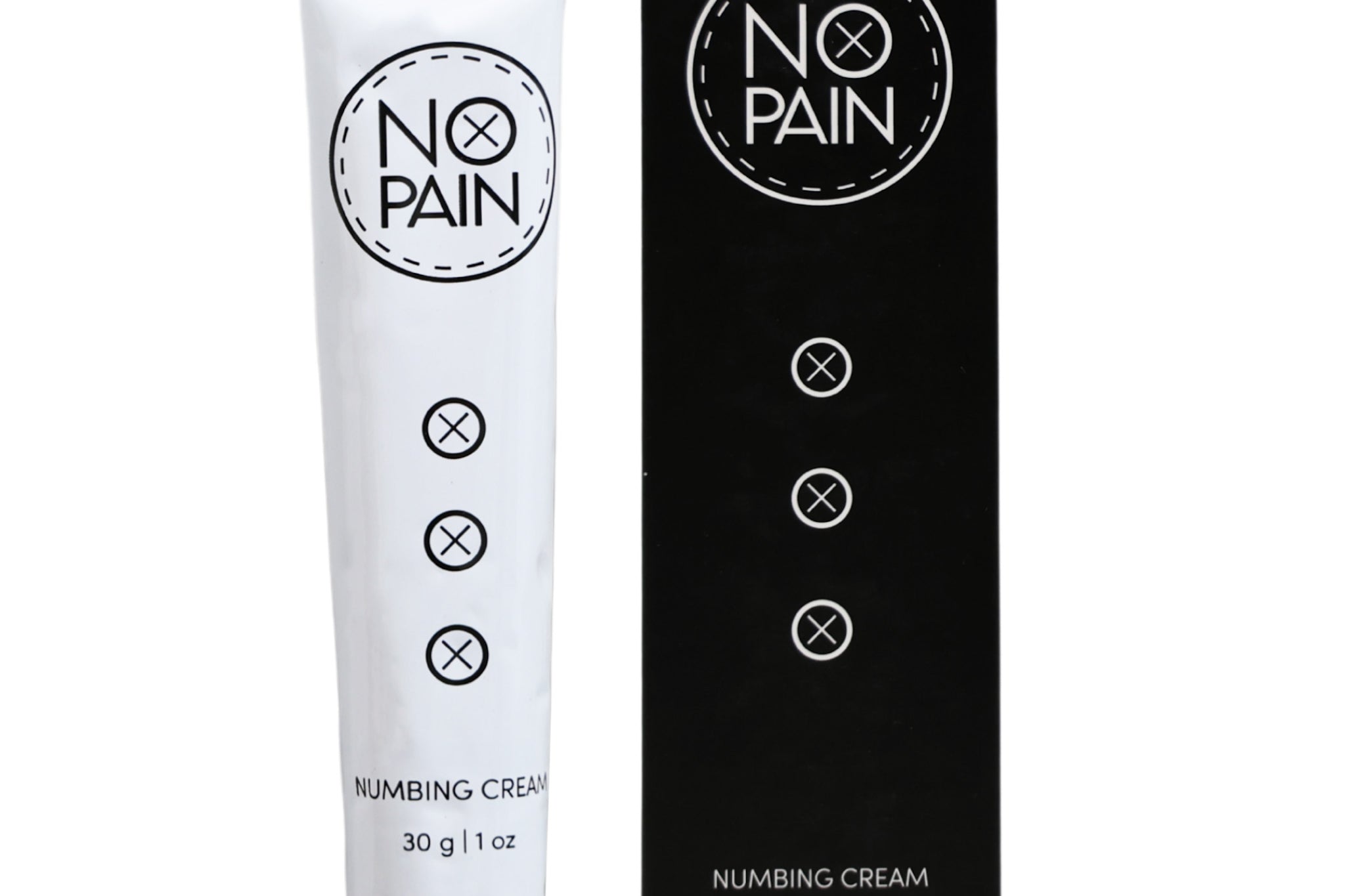
Maximum strength numbing cream for intact skin. Apply 90 to 120 minutes before your session with a thick coat under cling film. Takes the sting and burn out of the equation. What you feel is pressure and vibration, not pain.
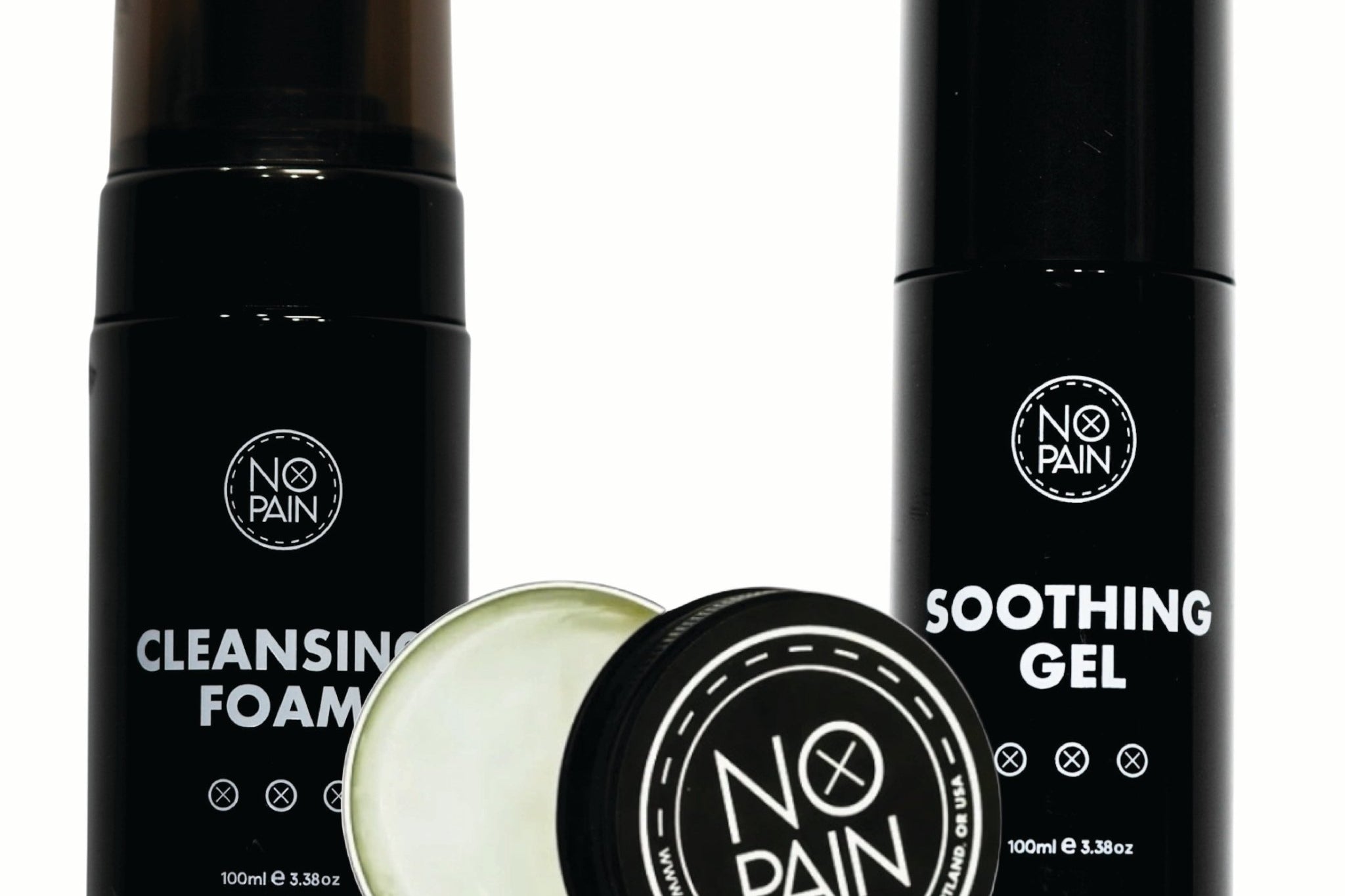
The cream covers you for roughly two to four hours from the moment the wrap comes off. For longer sessions (anything over three hours) you'll want a mid-session spray that can be applied by your artist directly to broken skin between passes. The Comfort Bundle has both.

Cream handles the first two to four hours on intact skin. The spray handles mid-session top-up on broken skin between passes. No wrap needed on subsequent applications, just spray and continue. Built for sessions that run long.
Beyond numbing, preparation matters. Eating before your session keeps blood sugar stable, which affects pain tolerance more than most people expect. Sleeping well the night before means your nervous system isn't already running hot. Wearing loose clothing that gives easy access to the placement saves you from awkward positioning. These aren't tricks; they're the difference between a manageable session and a difficult one.
Frequently asked questions
Is getting a tattoo painful?
Yes, for most people on most placements. But "painful" covers a wide range, and a tattoo is rarely as bad as first-timers expect. On a forgiving spot like the outer arm or calf, most people describe it as intense but manageable, somewhere between 3 and 6 out of 10. On a difficult spot like the ribs, spine, or hands, 8-9 is common. The honest answer is that it hurts, you adjust to it, and the first session is almost always less terrible than the buildup in your head.
What's the best way to describe tattoo pain to someone who's never had one?
The most common description is a hot cat scratch: sharp, dragging, with heat behind it. That's accurate for lining on a mid-range placement. Shading feels more like coarse sandpaper moving back and forth over the same area. On bony areas, there's also a bone-conducted vibration that people consistently say catches them off guard: a deep, resonant buzz that travels through the skeletal structure. None of these descriptions fully prepare you. The actual experience is more tolerable than most of the descriptions suggest.
Does the pain get worse as the tattoo goes on?
Generally yes. Past the two-hour mark, adrenaline fades and the worked skin becomes inflamed and more sensitive. The pain itself may not be objectively worse, but your tolerance for it is lower. Long sessions (four hours or more) cross into a different category: cumulative skin trauma becomes the main variable, and experienced artists pace their passes and tackle difficult areas while the skin is still fresh.
Does getting a tattoo hurt more in some spots than others?
Yes, by a wide margin. The main predictor is how much tissue sits between skin and bone. Thick muscle and fat buffer the sensation; thin skin directly over bone amplifies it. Low-pain zones: outer thigh, outer arm, calf, shoulder. High-pain zones: ribs, sternum, spine, hands, feet, knees, head, inner arm. Most placements fall somewhere in between. A full pain chart by body part gives you ratings for every common placement.
Can numbing cream make the tattoo feel painless?
Not completely painless, but for most people, it removes the sharp and burning components that make tattooing hard to sit through. What remains is pressure and vibration, the mechanical sensation of the machine, without the pain signal on top of it. Applied correctly (thick coat, cling film, 90 to 120 minutes), maximum strength numbing cream changes the experience substantially. It doesn't eliminate all sensation; it removes the part most people find hardest to tolerate. For more on whether it's worth using, the full guide on how numbing cream works covers the realistic expectations.
I have a low pain tolerance. Can I still get tattooed?
Yes. Low pain tolerance is common and doesn't disqualify you from getting tattooed. It just means you plan for it rather than hoping for the best. Picking a well-padded placement for a first tattoo, using numbing cream, keeping sessions shorter (two to three hours rather than five), and preparing properly (sleep, food, no alcohol) all move the experience in your direction. A complete guide for low pain tolerance covers the strategy in detail.
Control What It Feels Like
Maximum strength numbing cream for the first two to four hours. A mid-session spray for broken skin when the cream fades. Both in one bundle, built for longer sessions.
Shop the Comfort Bundle →Formulated at Historic Tattoo in Portland, Oregon. 100% money-back guarantee.