

Ankle tattoos hurt a lot. The area ranks consistently near the top of tattoo pain charts, and it earns that reputation through straightforward anatomy: two bony protrusions, almost zero fat, dense nerve coverage, and skin stretched directly over structure with nothing underneath to absorb the needle. If you are planning an ankle tattoo, the pain is manageable with the right preparation. But going in without a clear picture of what to expect is a mistake.
In this article
- Why ankle tattoos hurt so much
- Zone-by-zone pain map
- What makes it harder or easier
- What the session actually feels like
- How to manage the pain
- Healing challenges unique to the ankle
- Frequently asked questions
Why Ankle Tattoos Hurt So Much
The ankle is a convergence of three things that make tattooing painful: bone close to the surface, thin skin, and a dense nerve supply.
Bone directly under the skin. The two visible bumps on the inner and outer ankle are the medial and lateral malleolus bones. The skin over each is extremely thin, and there is almost no subcutaneous fat between the surface and the bone. When the needle moves over these areas, it works directly against bone. The vibration travels straight into the skeletal structure rather than being absorbed by muscle or fat, and it produces a rattling, buzzing quality that most people describe as unlike any other tattoo pain they have experienced.
Very thin, taut skin. The skin on the Achilles tendon side of the ankle is stretched over the tendon with almost no slack. Thin skin means the needle has almost no buffer before reaching deeper structures. It also means the skin can handle less trauma before becoming inflamed, which matters for longer sessions.
Dense nerve coverage. The ankle is supplied by several nerve branches: the saphenous nerve runs along the inner side, the sural nerve covers the outer and rear of the ankle, and branches of the superficial peroneal nerve extend down from the lower leg into the top of the foot. This means there is no part of the ankle area that lacks nerve supply. There is no low-sensitivity zone to hide a design in.
Zone-by-Zone Pain Map
Not all parts of the ankle hurt equally. Here is a realistic breakdown based on the anatomy of each zone.
Inner ankle bone (medial malleolus): 9/10
The inner bump is the most painful zone on the ankle for most people. The skin here is thinner than the outer side, the bone sits closer to the surface, and the saphenous nerve runs directly through this area. Needle contact produces a sharp, bone-deep pain with vibration that many clients describe as the worst part of any tattoo they have had. Designs that center directly on this bump are the most demanding.
Outer ankle bone (lateral malleolus): 8-9/10
The outer bump is slightly less painful than the inner because the skin has fractionally more thickness in some areas, but it is still a high-pain zone. The sural nerve supplies this region with dense coverage. The same bone-contact vibration applies. The difference between inner and outer is usually a point or less on a ten-point scale.
Achilles tendon and rear of the ankle: 8-9/10
The skin stretched over the Achilles tendon is extremely taut, and the tendon itself sits just below the surface with no fatty cushion. Pain here tends to have a sharper, more biting quality rather than the deep vibration of the bony sides. The sural nerve runs behind the lateral malleolus into this area. Clients often report that the rear of the ankle surprises them because it feels more intense than they expected relative to a spot that looks like it should have more padding.
Lower outer ankle, just off the bone: 6-7/10
Moving even a short distance off the peak of the malleolus toward the lower leg gives the needle a little more tissue to work through. The pain is still considerable but loses some of the bone-vibration quality. If your design extends into this zone rather than sitting directly on the bump, you will notice the difference.
Lower calf, 2-4 inches above the ankle: 4-5/10
Once the needle is working on the lower calf rather than the ankle proper, the anatomy changes considerably. There is muscle underneath, the skin has more thickness, and the bone is not directly below. Pain in this zone is manageable for most people and feels like a standard moderate-pain placement. Many ankle tattoos extend into this area by design, which gives the session natural breaks from the most intense zones.
What Makes It Harder or Easier
Placement within the zone. Where exactly the design sits on the ankle is the single biggest variable. A delicate piece that wraps around the side of the ankle, avoiding direct contact with the malleolus bone, is a very different experience from a design that centers on the bony protrusion itself. Talk to your artist about this before booking.
Size and complexity. A small simple ankle piece can be done in 30 to 60 minutes. A more detailed wraparound or geometric design might take two to four hours. The ankle is a placement where time in the chair compounds the pain. It does not plateau and become comfortable in the way that some fleshy spots do. The first hour and the third hour feel meaningfully different.
Whether you can keep still. The ankle is a reflex-prone area. The peroneal flinch reflex, where the foot involuntarily flexes in response to stimulation near the ankle and shin, is a real issue for some people. Flinching on a fine-line piece can cause quality problems. If you have a low flinch threshold, numbing is not just about comfort, it is about helping your artist do their best work.
Artist speed and technique. An efficient, confident artist who does not go over the same area unnecessarily will produce a faster, less traumatic session. Avoid booking an ankle tattoo with someone who has not done the placement before. Look for healed portfolio work specifically at this location.
What the Session Actually Feels Like
The first few minutes of an ankle tattoo are often the moment when people realize this is going to be harder than they expected. Unlike fleshy placements where there is an adrenaline window and some early tolerance, the ankle's bone-contact pain is present immediately and does not soften much as the session continues.
The vibration of the machine transmitting directly into the malleolus bones is a distinct sensation that people who have had other tattoos often describe as unlike anything they have felt before in the chair. It is not just sharp, it buzzes and rattles in a way that travels up the leg. Some people find they can dissociate from the pain reasonably well once they settle into it. Others find it is the one placement they cannot tune out.
The Achilles area has a different quality: less vibration, more of a pulling, biting sharpness that tends to produce more involuntary movement. Take slow exhales and focus on keeping the foot completely relaxed rather than tensing against the pain, which makes it worse.
For longer sessions that extend across multiple zones, the pain does get harder to manage as the session goes on. The skin becomes more reactive. The nerve endings that were somewhat quieted by the body's initial endorphin response become more sensitized, not less.
How to Manage the Pain
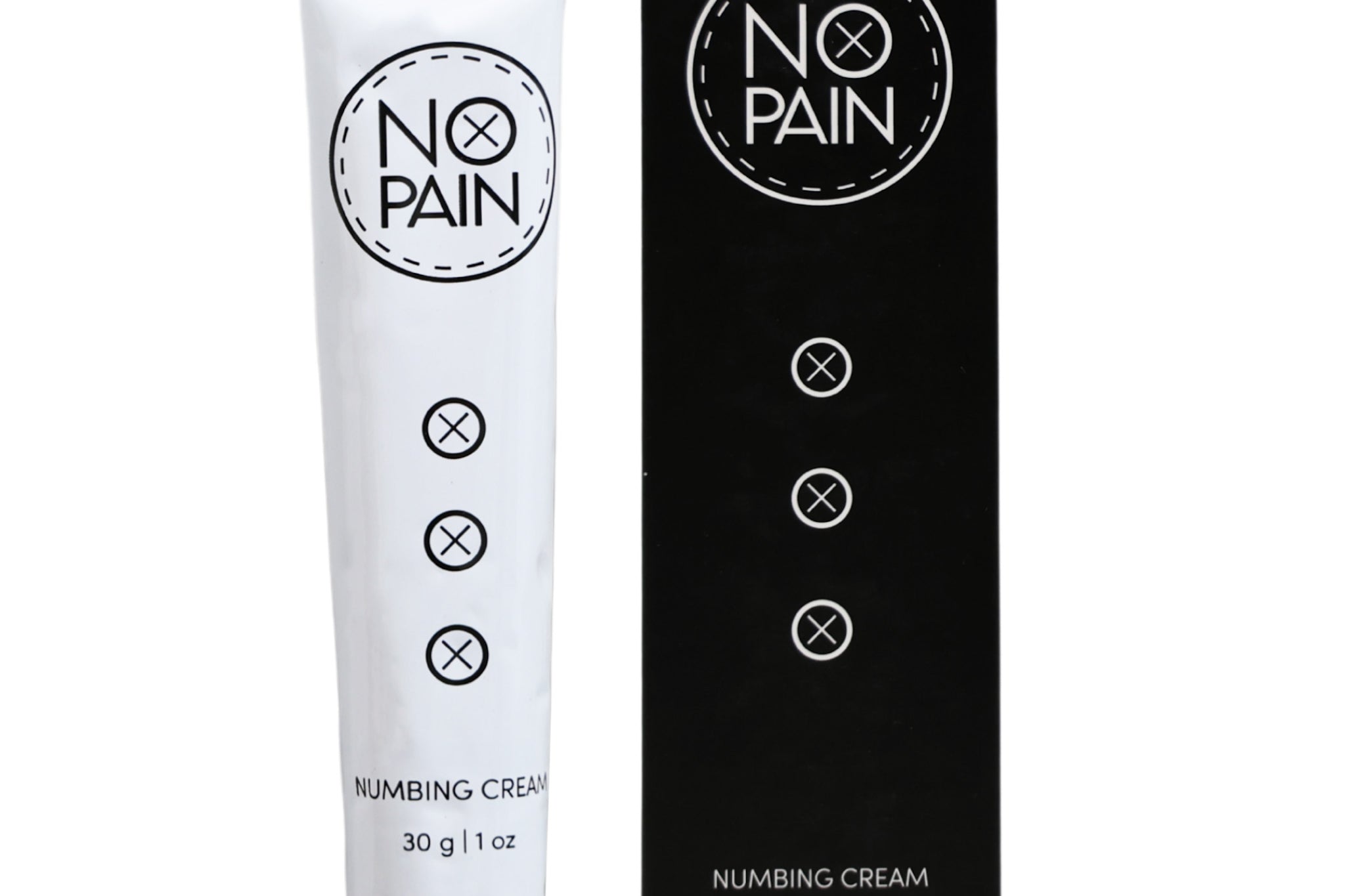
The ankle is one of the placements where numbing cream earns the most. It is a high-pain spot on a small canvas, which means the numbing cream can cover the entire design area easily. The flat, accessible surface makes it simple to apply and wrap with plastic film.
Apply a maximum strength numbing cream using the two-coat method: a thin first coat rubbed in fully, then a thick second coat left on without rubbing, covered tightly with plastic wrap. Leave it for 90 to 120 minutes before your appointment. The cream penetrates the dermis through intact skin and blocks the nerve signals responsible for the sharp, stinging quality of the needle. It will not eliminate sensation entirely, especially over the bone areas where the vibration component is structural rather than nerve-signal-only, but it reduces the sharpness enough that most people can sit considerably longer and stay more relaxed.

Maximum strength numbing cream with a thick, slow-absorbing base that drives lidocaine deep into the skin. Covers the entire ankle area easily. Apply two coats, wrap with cling film, leave 90 to 120 minutes.
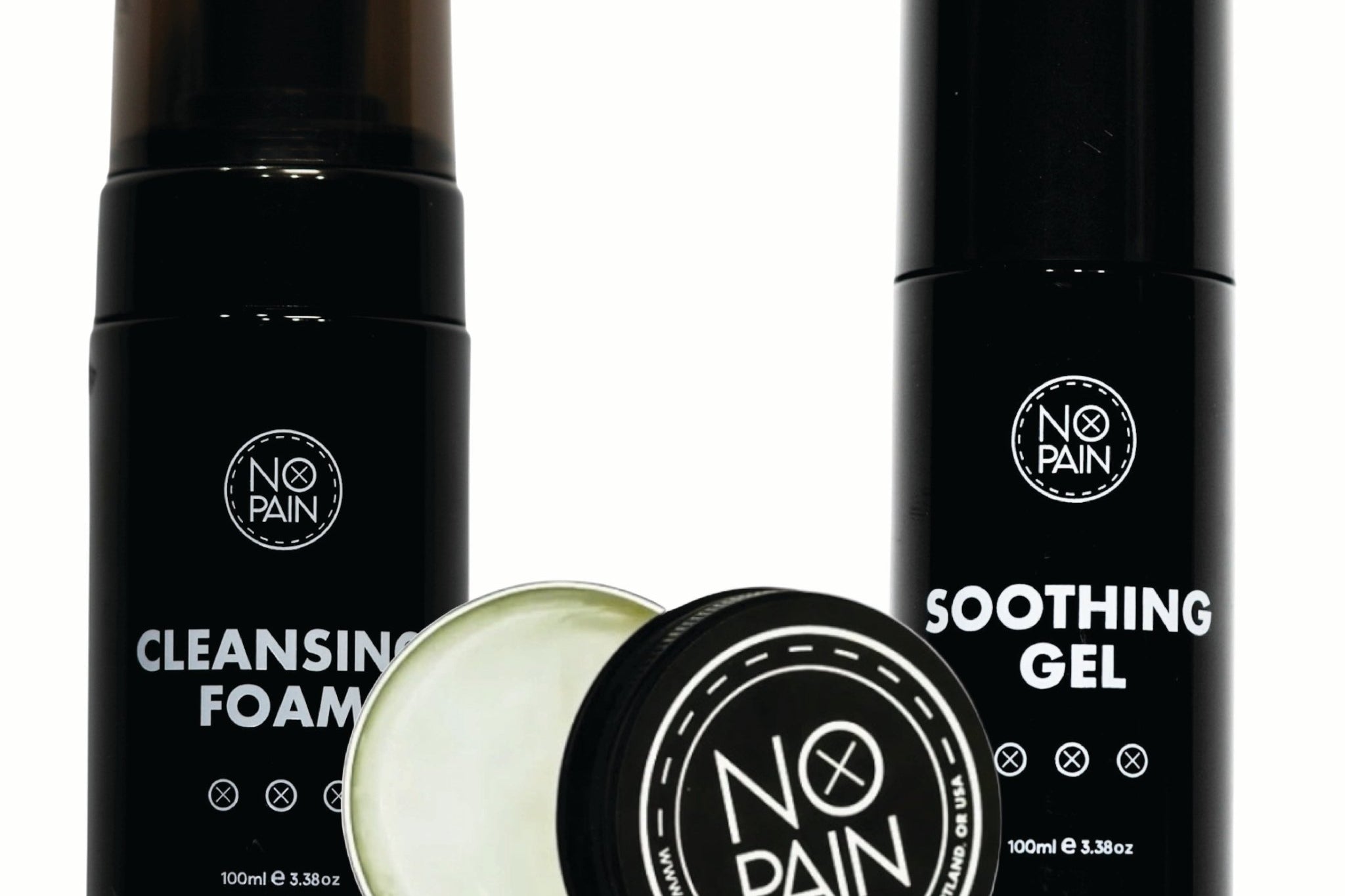
For sessions longer than two to three hours, the cream will start to wear off mid-session. The Comfort Bundle pairs the cream with a numbing spray that contains lidocaine plus epinephrine, a vasoconstrictor that reduces bleeding and swelling and extends the relief per application. Your artist applies it directly to the broken skin between passes, wraps it for 12 minutes on the first application, then sprays and continues immediately on subsequent applications without waiting. For a complex ankle piece or any session extending into the leg, this is the strategy that keeps you in the chair. For a full breakdown of how to prepare for a session at a high-pain placement, see the tattoo prep guide.
Healing Challenges Unique to the Ankle
Swelling. The ankle swells after tattooing more readily than almost any other placement. Gravity and the ankle's existing tendency to retain fluid combine to produce noticeable inflammation in the first 24 to 48 hours. Raise the foot whenever you can in the first day or two. Avoid standing or walking for long periods immediately after the session.
Sock and shoe friction. This is the practical challenge most people underestimate. Socks sit directly on the ankle area and move constantly with every step. In the first week, this mechanical friction irritates the healing skin, increases the risk of scabbing, and can disrupt the ink if the sock catches on any dried plasma. Wear loose, soft socks if you have to wear them at all, and consider sandals for the first week where possible. Ankle-height socks that sit below the tattoo are the best option if you cannot avoid footwear.
Thin skin heals differently. The very thin skin over the malleolus bones can heal slightly patchier than placements on meatier areas. The ink sits in skin that has less underlying support, and touch-ups are more common on ankle tattoos than on placements like the outer arm or thigh. Good aftercare in the first two weeks, particularly keeping the area hydrated to prevent thick scabbing, is the main variable you control. For more on how placement affects healing difficulty, see the tattoo placement guide.
Frequently asked questions
How badly does an ankle tattoo hurt?
Very badly in the bony zones. The medial and lateral malleolus bones rate 8-9 out of 10 on most pain scales, with the inner ankle bone typically being the worst spot. The Achilles tendon area is similarly painful. Lower ankle areas with a bit more tissue between the skin and the bone rate somewhat lower, around 6-7 out of 10. If your design sits directly on the bone protrusions, expect this to be one of the more challenging tattoo sessions you will have. For context on how the ankle compares to other placements, see the full body pain chart.
Are ankle tattoos one of the most painful spots?
Yes, consistently. The ankle appears near the top of pain rankings across surveys and artist feedback because the anatomy works against you in several ways at once: bone directly under the skin, very thin and taut skin, dense nerve supply, and no positional change possible during the session. Placements that compete with it for most painful are the shin, hands, ribs, Achilles, and spine. Most other common placements hurt less than the ankle bone area.
Does the ankle bone area hurt more than the Achilles?
For most people, yes, but not by much. The ankle bone zones produce deep vibration from bone contact, which many people find the hardest sensation to tolerate. The Achilles area has a sharper, more biting quality. Which one you find worse is largely personal. Both rate 8-9 out of 10 and both can produce involuntary flinching. If you have flexibility in your design placement, positioning the focal elements slightly off both the peak of the malleolus bone and the Achilles tendon center will reduce the most intense zones, though you will not be able to avoid them entirely for most ankle designs.
Can numbing cream help with ankle tattoo pain?
Yes, and it is one of the placements where it makes the most practical difference. The ankle is a small, accessible surface, so the cream covers the full design area easily. The two-coat method under plastic wrap, left for 90 to 120 minutes, blocks the sharp nerve-signal component of the pain and makes the session considerably more manageable. It does not eliminate the bone vibration sensation entirely, but most clients find the session is much easier to sit through with it than without. Apply it before leaving home so you arrive at the studio with it already active.
How long does an ankle tattoo session take?
It depends on the size and complexity of the design. A small simple piece, such as a word, a small floral, or a minimal geometric, typically takes 30 to 60 minutes. A medium ankle piece with detail and shading might run one to two hours. A wraparound design that covers both the inner and outer ankle plus the lower leg can take three to five hours. The longer the session, the more the pain compounds. If your design will take more than two hours, the Comfort Bundle gives you cream for the first portion and a spray your artist can apply to broken skin for the latter part of the session.
Is an ankle tattoo harder to heal than other placements?
More demanding than average, yes. The ankle swells more readily than most placements, sock and shoe friction is unavoidable for most people, and the thin skin over the bone areas can heal slightly patchier than meatier spots. Touch-ups are more common on ankle tattoos. To give the tattoo the best chance of healing cleanly, raise the foot when you can in the first 48 hours, wear sandals or loose socks during the first week, and keep the skin well moisturized to prevent thick scabbing. For more on what the ankle shares with other high-demand foot-area placements, see the foot tattoo pain guide.
Sit Through the Whole Session
Cream handles the first two to four hours. Spray handles mid-session on broken skin. Both in the Comfort Bundle, at a discount.
Shop the Comfort Bundle →Formulated at Historic Tattoo in Portland, Oregon. 100% money-back guarantee.