
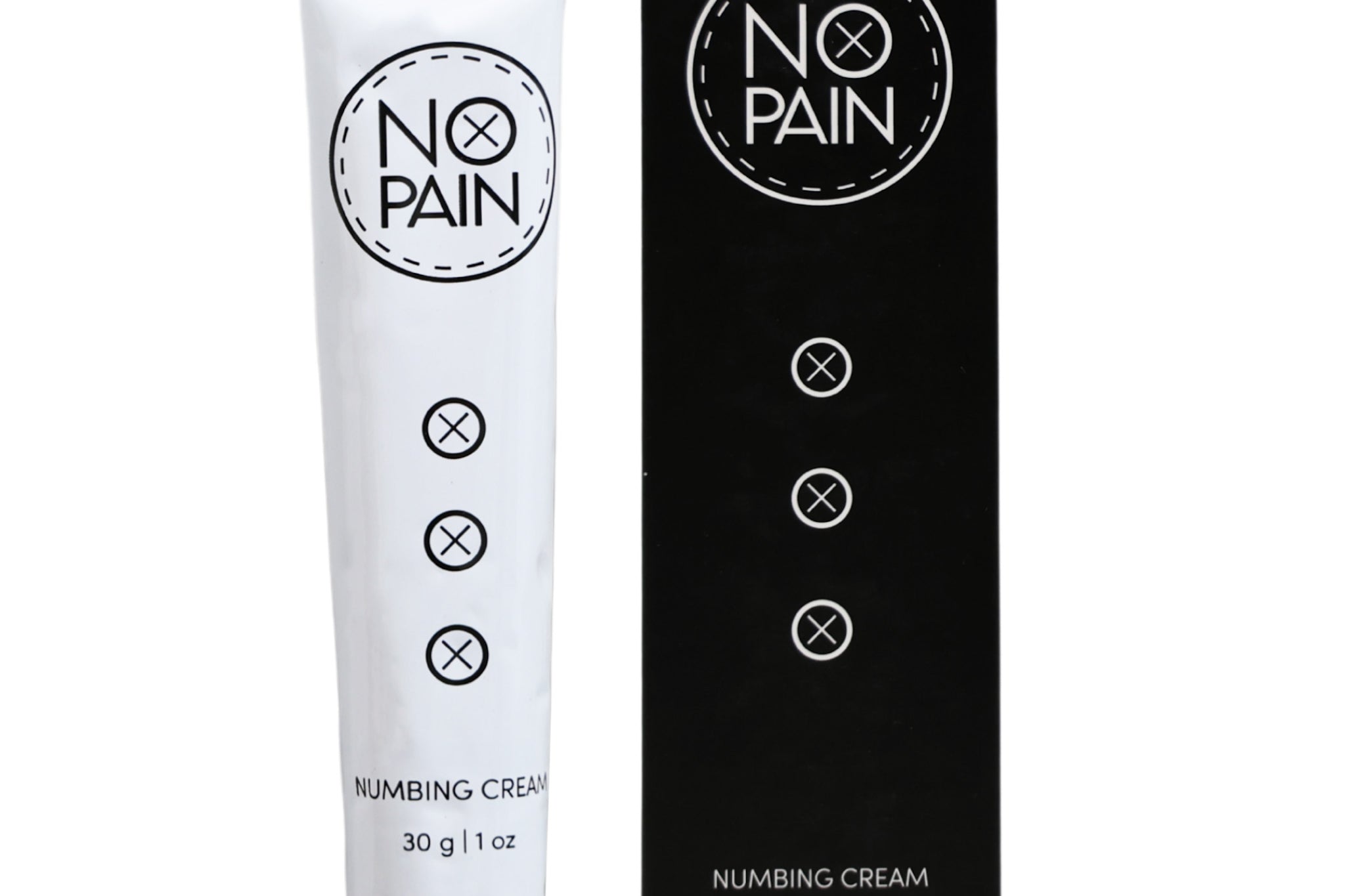



Two coats, cling film, 90 to 120 minutes. That's the method. A thin first coat rubbed in to prime the skin, a thick second coat left sitting on the surface like frosting, sealed under cling film, and left for 90 to 120 minutes before your appointment. Done correctly, you arrive at the studio numb from the first pass of the needle. Done wrong - thin application, no wrap, or pulling it early - you arrive with surface numbing that's gone before the outline is finished.
This is the full guide: what you need, exactly how to apply it, what to expect during the session, and the mistakes that kill the effect.
In this article
- What you need before you start
- Step-by-step application
- What happens during the session
- For sessions over two hours
- Common mistakes that kill the effect
- Frequently asked questions
What You Need Before You Start
Before anything goes on your skin, have these three things ready:
A maximum strength numbing cream. Not a generic topical anesthetic from the pharmacy. A cream formulated for tattooing matters because the base formula determines how the lidocaine is delivered through the skin. A thin, fast-absorbing base peaks quickly and burns off. A thick, slow-absorbing base delivers the lidocaine gradually across the full 90 to 120-minute application window and holds longer once the session starts.
Cling film (plastic wrap). Standard kitchen cling wrap. You'll need enough to cover the full tattoo area with overlap on all sides. Don't skip this step - the wrap is what activates the cream by trapping body heat and driving the lidocaine deeper into the skin. Without it, you get surface numbing only.
90 to 120 minutes. Block the time before your appointment. Most of the numbing builds in the second half of the application window. Applying the cream 30 minutes before you need to leave and then wrapping up in the car is not the method. You need 90 to 120 minutes of uninterrupted absorption before the session starts.

Maximum strength lidocaine in a thick, slow-absorbing base. Builds deep numbness across the full 90 to 120-minute application window. Formulated at Historic Tattoo in Portland, Oregon.
Step-by-Step Application
Step 1: Wash and dry the area
About 90 to 120 minutes before your appointment, wash the area to be tattooed with mild soap and warm water. Rinse thoroughly and pat completely dry. Don't leave any moisture on the skin - water on the surface dilutes the cream. Don't apply any lotion, oil, or product afterward. Anything on the skin surface slows absorption and creates a partial barrier between the cream and your skin.
Step 2: Apply the first coat and rub it in
Apply a thin, even layer of numbing cream over the entire tattoo area and rub it in gently - almost like applying a light lotion. This is the priming coat. It starts the absorption process and prepares the skin for the thicker coat that comes next. Full coverage matters here; don't leave any gaps. This coat should absorb into the skin within a minute or two of rubbing.
Step 3: Apply the second coat and leave it
Immediately after the first coat, apply a second, much thicker layer over the same area. This is the frosting coat. Don't rub it in. You want a visible white layer sitting on the surface - roughly 3mm thick, like frosting on a cake. You should not be able to see the skin through it. This coat feeds the absorption process gradually across the full 90 to 120-minute window. The more of it you leave sitting on the surface, the more lidocaine is available to absorb.
Step 4: Wrap with cling film
Cover the entire area with plastic kitchen wrap - extend it a few centimeters beyond the cream on all sides. Press it down firmly so it sits flush against the skin. It should be airtight but not so tight that it restricts circulation or becomes uncomfortable. The wrap does two things: it traps body heat, which raises the skin temperature slightly and accelerates absorption; and it keeps the cream from drying out and losing contact with the skin surface. Secure the edges with tape if the placement makes it hard to keep in place.
Step 5: Wait 90 to 120 minutes - and don't lift the wrap
Leave the wrap on for the full 90 to 120 minutes. Don't lift a corner to check on it. Don't try to feel whether it's working. The cream is doing its job under there, and disrupting the seal interferes with the process. Most of the deep numbing builds in the second half of this window - lifting the wrap at 45 minutes gives you a fraction of the possible effect.
For high-pain placements - ribs, spine, elbow ditch, knee ditch, shin - consider going the full two hours. The extra time lets the lidocaine build to a deeper level of saturation at the nerve layer.
Keep the wrap on as you travel to the studio. The wrap stays on until your artist removes it.
Step 6: Let your artist clean the area
When you arrive, let your artist know you've applied numbing cream. They'll remove the wrap and clean the area thoroughly with green soap before starting - wiping off the cream and any residue. What's left is numb skin with completely normal texture. They stencil, prep, and start exactly as they normally would. You won't feel the needle the same way you used to.
What Happens During the Session
What you'll feel: pressure and vibration from the tattoo machine. Those sensations travel through tissue rather than through pain-specific nerve pathways, so lidocaine doesn't block them. What disappears is the sharp sting, the burn, and the raw scraping sensation that characterizes tattoo pain. Most numbed clients describe feeling the machine but not minding it.
How long it lasts: two to four hours from the point the wrap comes off, for a properly applied maximum strength cream. The effect doesn't drop suddenly - it builds steadily through the early part of the session and then fades gradually. Most people notice it starting to thin somewhere in the 90-minute to two-hour range of actual tattooing, often during the later shading passes when the skin is most sensitized from being worked.
For a detailed breakdown of the timing, see How Long Does Tattoo Numbing Cream Last?
For Sessions Over Two Hours
Pre-session cream is applied to intact skin. Once the needle has broken the surface, a fresh application of pre-session cream won't work the same way on open skin. For sessions running longer than the cream's effective window, a numbing spray formulated for broken skin is applied mid-session by your artist.
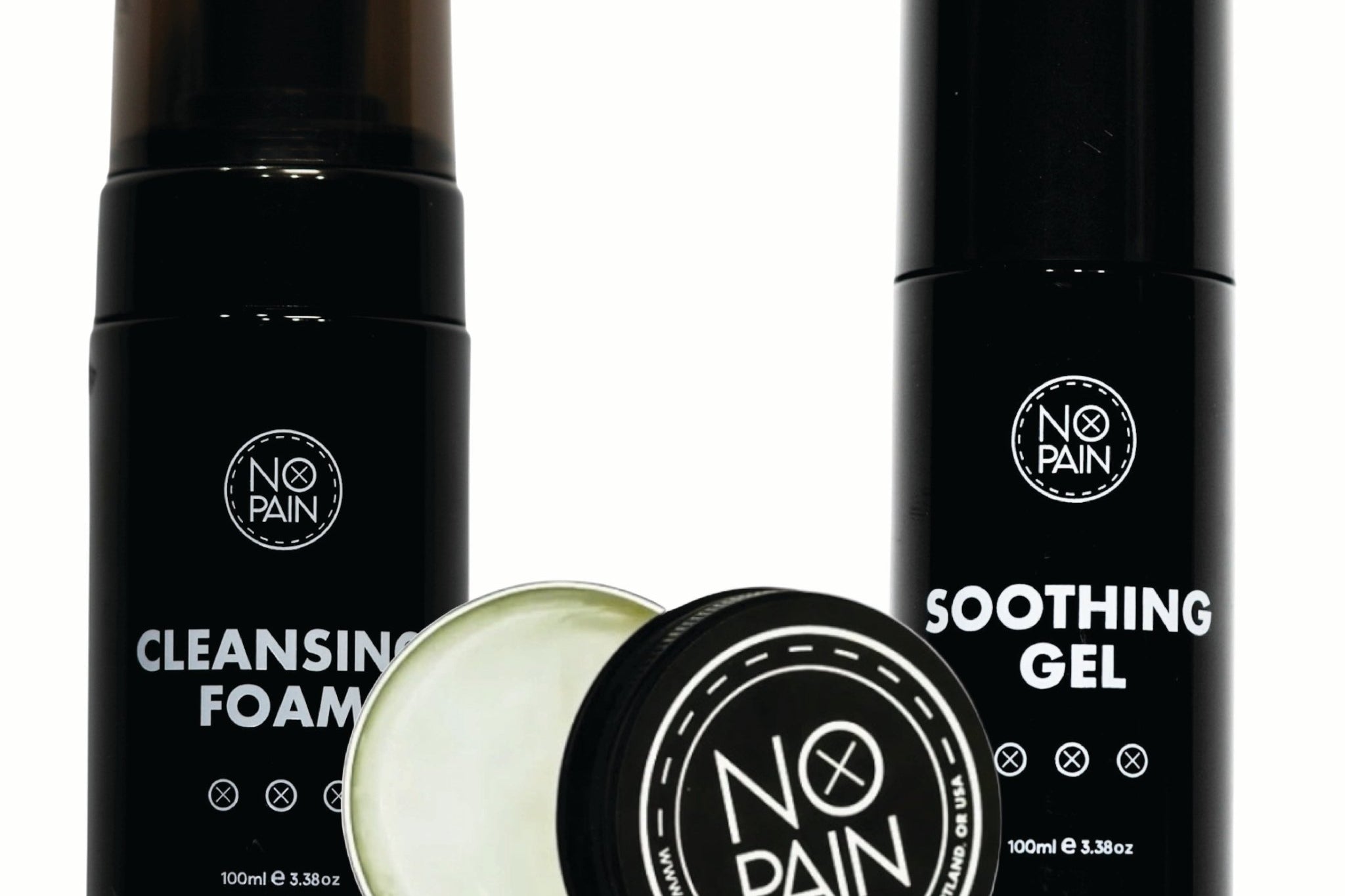
The Comfort Bundle pairs the cream with the spray for exactly this. You apply the cream at home before the session. Your artist keeps the spray ready mid-session, applying it during a natural break when coverage starts to thin - usually around the two-hour mark, right before the later shading passes.

Pre-session cream plus mid-session spray for broken skin. Covers the full session from first outline to final shading pass. Built for tattoos that run longer than two hours.
Common Mistakes That Kill the Effect
Applying too thin a layer
The most common reason numbing cream disappoints. A thin smear - the amount you'd use for a hand lotion - produces shallow, short-lived numbing. The thick frosting coat is what drives the lidocaine to depth. Don't be conservative with the second coat. If you can see through it, it's not thick enough.
Skipping the wrap
Without the wrap, the cream air-dries, loses contact with the skin, and produces only surface numbing. The wrap is how body heat gets trapped and how the cream stays active across the full 90 to 120 minutes. No wrap means 20 to 30 minutes of light surface numbing at best.
Not waiting the full 90 to 120 minutes
The lidocaine builds gradually - the deeper nerve saturation happens in the second half of the window. Applying at T-45 minutes and expecting the same result as T-90 to 120 minutes is where a lot of people get burned. If you're pressed for time, apply the cream before you leave the house, wrap it, and wait in the car if needed. Don't start the clock until the cream and wrap are both on.
Applying lotion or moisturizer first
Any product on the skin surface before the cream creates a partial barrier. Wash the area with plain soap and leave it clean. Don't apply your regular skincare routine to the tattoo area before applying the cream.
Arriving with the wrap already off
Some people remove the wrap at home, wipe the area, and arrive at the studio with clean skin. By the time the session starts, the numbness is already fading. Leave the wrap on until your artist removes it. They'll clean the area themselves with green soap as part of their normal prep.
Telling your artist the day of instead of at the consultation
Not a technical mistake, but it matters. Surprising your artist with numbing cream on the day of the appointment can delay the session or create friction if they're not familiar with the product. Mention it at the consultation. Most artists are comfortable with it when they know what's coming.
Frequently asked questions
How do you use numbing cream for a tattoo?
Wash and dry the area 90 to 120 minutes before your session. Apply a thin first coat and rub it in gently. Apply a thick second coat on top without rubbing it in - it should sit visibly on the surface like frosting. Wrap the area with cling film, press it flush against the skin, and leave it on for 90 to 120 minutes. Don't lift the wrap. Travel to the studio with the wrap still on and let your artist remove it and clean the area before starting. That's the full method.
How long before a tattoo should you apply numbing cream?
90 to 120 minutes before your session starts. Start the clock when the cream and wrap are both on. For high-pain placements like ribs, spine, or elbow ditch, two hours gives the lidocaine more time to reach full depth. The coverage builds gradually - most of the deep numbing happens in the second half of the window, so cutting it short is where most people go wrong.
Do you need to wrap numbing cream for a tattoo?
Yes. The wrap traps body heat against the skin, which drives the lidocaine deeper through the skin layers to the nerve endings below. Without the wrap, the cream dries out, loses contact with the surface, and produces only shallow numbing. You might get 20 to 30 minutes of light surface effect without the wrap. With the wrap for 90 to 120 minutes, you get two to four hours of deep coverage during the session.
How much numbing cream should I apply for a tattoo?
More than you think. The first coat is thin - just enough to cover and be rubbed in. The second coat needs to be thick enough that you can't see the skin through it, roughly 3mm of visible white cream sitting on the surface. Most people apply too little and then wonder why the effect was weaker than expected. The second coat is where the numbing depth comes from - don't hold back on it.
Can you feel anything through tattoo numbing cream?
You feel pressure and vibration from the tattoo machine - those sensations are transmitted mechanically through tissue rather than through pain-specific nerve pathways, so lidocaine doesn't block them. What disappears is the sharp sting, the burn, and the raw sensation that makes tattoo pain hard to tolerate. Most people describe the numbed experience as feeling the machine running without minding it. Pain ratings typically drop from 7-9/10 to 1-3/10 with a properly applied maximum strength cream.
Does numbing cream work for all tattoo placements?
Yes, though some placements hold the effect longer than others. Fleshier spots like the outer arm, thigh, and upper back hold coverage longest. Bony, thin-skinned placements - ribs, spine, elbow ditch, shin, ankle - have higher nerve density and the numbing tends to thin faster there. For those spots, go the full two hours on the wrap and plan for mid-session spray if the session is running long. The cream still works; it just works in a slightly shorter window. See Does Tattoo Numbing Cream Actually Work? for a full breakdown.
Two Coats. Cling Film. 90 to 120 Minutes.
That's the whole method. Maximum strength lidocaine in a thick, slow-absorbing base - apply it right and you won't feel the needle the same way again.
Shop Numbing Cream →Formulated at Historic Tattoo in Portland, Oregon. 100% money-back guarantee.