


Achilles and Heel Tattoo Pain: What to Expect
The Achilles tendon and heel area rank among the most painful tattoo placements on the body. The combination of thin skin, minimal fat padding, proximity to bone and tendon, and a concentration of nerve endings makes this location consistently challenging. If you are planning a tattoo in this area, understanding what drives the pain helps you prepare for the experience.
Why the Achilles Area Hurts So Much
Several anatomical factors combine to make the Achilles and heel one of the hardest locations to tattoo:
Thin skin over tendon. The skin directly over the Achilles tendon has very little subcutaneous fat between the outer skin layer and the tendon beneath. The needle is working in close proximity to a dense, sensitive structure with almost no cushioning. Every pass of the needle transmits impact into tissue that has a great deal of mechanical sensitivity.
Dense nerve supply. The foot and ankle have a rich nerve network, including the sural nerve and branches of the tibial nerve, that runs through the Achilles and heel area. This means the region is highly responsive to sensation, which translates to pain being felt with considerable intensity.
Tendon proximity and vibration. When the tattoo machine works near the Achilles tendon, the vibration of the needle can be felt not just at the surface but deeper in the surrounding tissue. Many people describe a strange, buzzing discomfort that extends beyond the skin itself during linework in this area.
Movement and tension. The Achilles and heel are in constant use. During a session, any movement of the foot or ankle - including involuntary flinching - puts tension on the area being tattooed. Many artists ask clients to keep the foot very still, which can itself cause fatigue and discomfort.
Heel vs. Achilles Tendon: Different Pain
The heel itself (the padded underside and back of the calcaneal bone) has thick skin but sits directly over bone with limited soft tissue between the two. Tattoos on the heel often feel sharp and bony, similar to tattooing over the knuckles or elbow. The skin here is tough, which can also mean more passes are needed to get ink to set properly.
The Achilles tendon area (the vertical band running up from the heel) tends to produce a deeper, more radiating sensation. The skin is thinner than on the heel proper, and the proximity to the tendon means the pain often feels like it travels up the back of the leg. Many clients describe a strong, sharp scratching feeling combined with an uncomfortable aching sensation after each pass.
Tattoos that wrap around the ankle and include both areas involve multiple pain characters in one session, which can make the experience more draining than a tattoo confined to a single sub-area.
What to Expect During the Session
Most people find the first few minutes over the Achilles to be the sharpest. After the initial contact, a degree of adaptation sets in, though the area remains sensitive. Artists typically work quickly in this area when possible to reduce total time under the needle.
Lining over the Achilles tendon often produces the most intense sensation. Shading in the same area is broader and more of a burn but can feel more manageable than the precise sharpness of linework.
You may notice the discomfort increase if you hold your foot in a fixed position for an extended period. This is normal - muscle tension in the lower leg and ankle contributes to the overall discomfort. Communicating with your artist about short breaks to flex and relax the foot can help manage this.
Tips for Managing the Pain
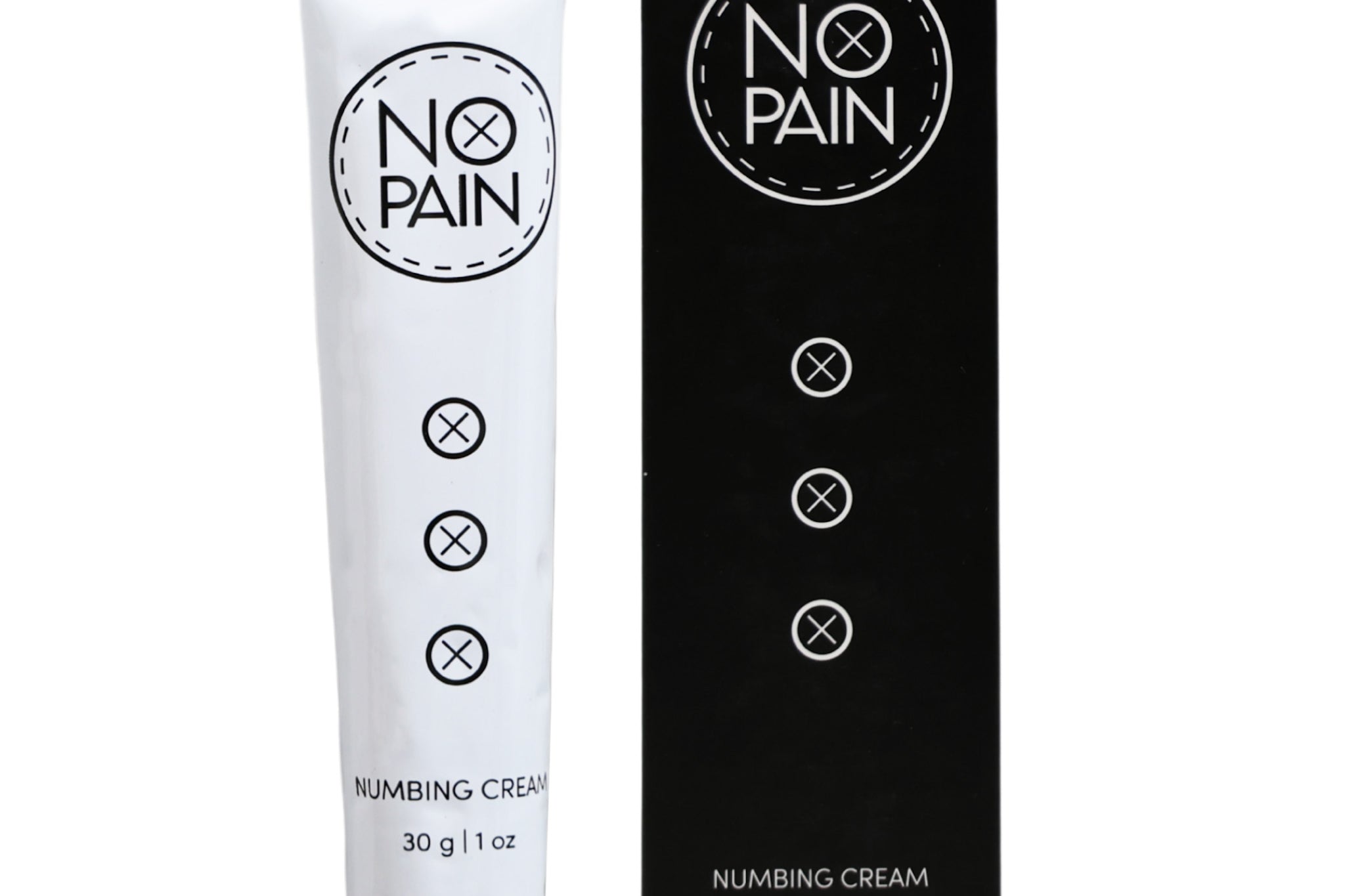
Numbing cream is particularly useful here. Applied correctly before the session, a topical numbing cream takes the sharpest edge off the experience. This is one of the locations where clients who normally skip numbing often choose to use it.
Position matters. Your artist will position you either lying face-down with your foot elevated, or seated with the leg extended. Find a position where your foot and ankle are supported without tension, which reduces the muscle fatigue component of the discomfort.
Breathe through sharpest moments. Slow, controlled breathing during lining passes over the tendon helps manage the involuntary response to sharp sensation. Focus on exhaling slowly during each needle pass.
Keep sessions shorter if possible. For complex work in this area, breaking the tattoo across two sessions with healing time between is often more manageable than pushing through an extended single session.


Healing in This Area
The Achilles and heel are demanding areas to heal. Every time you walk, the skin in this area stretches and flexes. This repeated movement can slow the initial healing phase and increase the risk of the tattoo cracking or pulling during peeling.
Minimizing walking in the first 48 hours helps the initial healing period proceed more smoothly. When you do move, wearing loose, soft shoes that do not press directly on the tattooed area protects the fresh skin from friction. Socks that sit above the tattoo are preferable to any sock fabric rubbing against fresh ink.
Touch-ups are more common in heel and Achilles tattoos than in many other locations. The repeated mechanical stress on the area during healing means ink can fall out of certain spots more easily. Your artist should discuss this with you when planning the design.
Frequently Asked Questions
How painful is an Achilles tattoo on a scale of 1 to 10?
Most people with experience getting tattooed in multiple locations rate the Achilles area in the 7 to 9 range. People with no prior tattoo experience and no frame of reference often describe it as intense. It is consistently listed among the most painful common tattoo placements.
Does the heel of the foot hurt more than the Achilles tendon?
They hurt differently. The heel produces a sharper, more bony sensation. The Achilles produces a deeper, more radiating pain that travels up the leg. Most people find the Achilles tendon itself the harder location, but individual responses vary and some find the bony heel worse.
Can numbing cream be used on the Achilles area?
Yes. Topical numbing cream applied under wrap for the recommended time before the session can reduce the sharpness of the experience. The Achilles area absorbs numbing agents reasonably well compared to thicker-skinned locations like the sole of the foot. Follow the product instructions and discuss timing with your artist.
Is the Achilles area harder to tattoo than the ankle?
The Achilles tendon area is generally harder to sit through than the sides of the ankle, which have more soft tissue and do not sit directly over tendon. Designs that wrap from the ankle onto the Achilles face increasing intensity as they move toward the tendon.
How long does an Achilles tattoo take to heal?
Surface healing typically takes 2 to 4 weeks. The deeper layers of skin continue to settle for up to 3 to 4 months. Heel tattoos may take slightly longer to fully settle because of the constant mechanical stress on the area from daily movement.
Will an Achilles tattoo fade faster than other placements?
Areas subject to high friction and repeated flex, like the heel and Achilles, can fade faster than placements on areas that move less. Good ink depth during the tattoo and diligent aftercare help, but touch-ups are more likely here than on protected placements like the upper arm or back.