


A chest piece is one of the most impactful tattoos you can get—centrally placed, large enough to carry a complex composition, and visible in ways that feel intentional rather than incidental. It's also one of the more demanding placements to get right, both in terms of pain and in terms of design execution. Here's what first-timers need to know.
Pain: what to actually expect
The chest is more painful than most people expect, and the pain is unusual in quality. The skin is thin over the sternum and upper chest, and the machine vibration transmits directly into bone—creating a deep, resonating discomfort that feels different from surface sting. Clients often describe it as something the body has a harder time habituating to than ordinary pain, because the bone vibration creates a visceral, almost nauseating sensation that doesn't settle the way rib or arm pain does.
The collarbone area and the area directly over the sternum are the most challenging. The outer chest, toward the shoulder, is generally more manageable. Most chest pieces involve some time in all of these zones, so the experience tends to vary significantly within a single session.
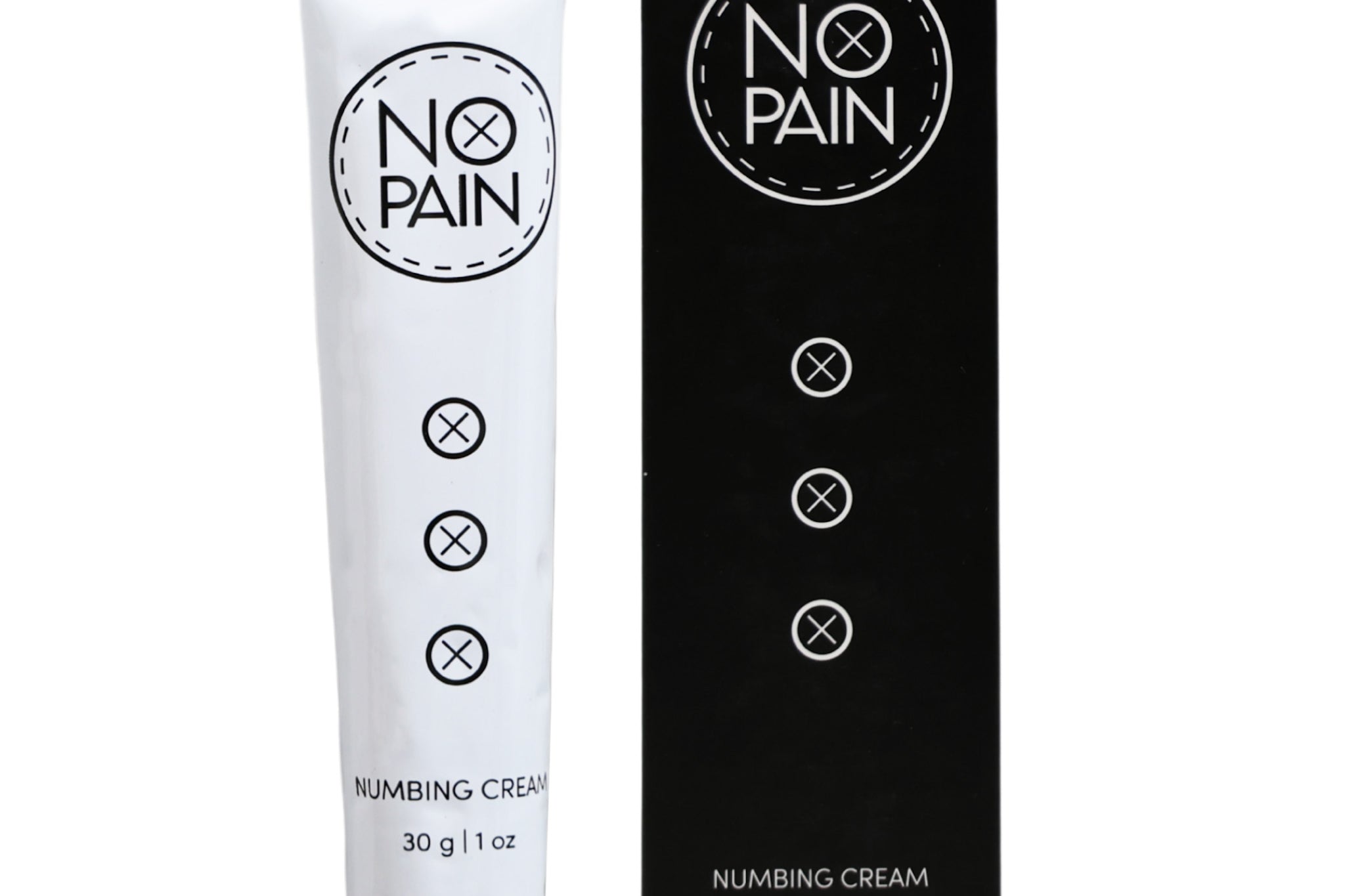
If you want meaningful pain reduction, applying No Pain Tattoo Numbing Cream to the chest and sternum area an hour before your session—with cling film over the top to help absorption—is one of the most practical things you can do. It won't eliminate the bone-vibration sensation entirely, but it significantly reduces the surface pain that compounds it.
Design considerations
The chest is a symmetrical canvas with a natural centerline. Designs that acknowledge this—either by being genuinely symmetrical, or by being deliberately asymmetrical in a way that feels intentional—tend to look stronger than designs that don't account for it. A large subject centered on the sternum reads as powerful and grounded. A design that drifts off-center or doesn't relate to the body's midline can look uncertain.
The way the chest moves also matters. The skin stretches and compresses differently when your arms are raised versus resting, when you're leaning forward versus standing up straight. Experienced artists think about this when they place designs, ensuring the composition reads well in multiple positions rather than only at the moment the stencil is applied.
Consider how the chest piece will connect to what you already have or plan to have. A chest piece that ends abruptly at the shoulder without any design language that could eventually connect to an arm sleeve can feel incomplete later. You don't need to commit to more than you're ready for, but leaving visual space for future work is easier to do at the planning stage than to retrofit later.
Session length and pacing
Most chest pieces require multiple sessions—the amount depending on the complexity and size of the design. For a first large-scale piece, starting with the outline and returning for shading after the skin has healed is common practice and usually recommended. It gives you a chance to see the design on your body before committing to the final shading pass, and it gives the skin time to recover before taking on the additional trauma of fill work.
Chest sessions of more than three to four hours tend to become significantly harder as the session extends. The cumulative fatigue from the bone vibration, combined with the general physical toll of a long tattoo session, affects most clients more in the chest zone than in other placements. Plan accordingly, communicate with your artist about pacing, and don't feel obligated to push through if you need a break or want to stop for the day.
Healing
The chest heals relatively well compared to hands or feet. The skin is protected, not subject to constant friction, and doesn't see the kind of ongoing movement that complicates healing in joints. Clothing can be an issue—anything with a neckline or strap that rubs directly on fresh work should be avoided for the first week, and bras with underwires or straps that cross over the tattoo can irritate the skin during the weeping phase.
Sleeping position is worth thinking about. People who sleep on their stomach will need to adapt for the first few weeks, since direct pressure on fresh chest work isn't ideal. A clean, loose shirt that doesn't press against the tattoo at night keeps the surface from sticking to fabric while you sleep.
What to look for in an artist
Chest pieces reward artists with strong compositional skills and experience in large-scale work. The portfolio you want to see includes healed chest pieces—not just fresh shots—and ideally shows examples of how the artist handles the sternum and collarbone zones specifically. Artists who are excellent at sleeve work often translate well to chest pieces, since the compositional demands are similar.