


The outer thigh is consistently one of the most recommended placements for a first tattoo—and for good reason. It offers a combination of low pain, generous canvas size, and straightforward healing that most other placements don't match simultaneously. Here's what the experience actually involves.
Why the outer thigh hurts less
Pain in tattooing tracks closely with two variables: the density of nerve endings in the area, and the amount of tissue between the needle and underlying bone. The outer thigh does well on both counts. It has substantial muscle and fat tissue over the femur, meaning the needle never comes close to bone, and the skin here has a relatively low concentration of pain receptors compared to areas like the inner arm, ribcage, or any area near joints.
Most people who get outer thigh tattoos describe the sensation as a dull, scratchy pressure that's entirely manageable—nothing like the sharp or burning intensity of bony areas. It's one of the few placements where clients who rated themselves as having low pain tolerance consistently report having a better experience than they expected.
The inner thigh is a different story. The skin there is thinner, softer, and considerably more sensitive—if your design extends to the inner surface, expect the sensation to intensify notably in that zone. The outer surface stays relatively forgiving even into larger pieces.
Canvas size and design options
The outer thigh provides one of the largest uninterrupted flat canvases on the body. This is significant for design ambition: pieces that require generous space to read well—detailed portraits, elaborate botanicals, large-scale geometric work, scenes with multiple subjects—work exceptionally well here because the artist has room to work without forcing the composition into an awkward shape.
The outer thigh also works well as the starting point for a leg sleeve, with pieces extending up to the hip or down to the knee. If you're thinking about future expansion, getting your first major piece on the outer thigh leaves your options open in multiple directions.
Healing the outer thigh
Healing is generally uncomplicated, with a few friction-specific considerations. The outer thigh contacts your clothing constantly—pants, jeans, leggings—and during healing, that fabric rubbing against the fresh tattoo creates friction that can disrupt the surface. Loose-fitting clothing during the first two weeks is important: anything tight enough to cling to the thigh creates problems. Loose joggers, flowing trousers, or dresses are the ideal wardrobe during this period.
If you wear jeans regularly, know that denim against a healing outer thigh tattoo is one of the more common causes of patchy healing and ink loss in this placement. It's not impossible to wear jeans, but protect the area with a clean non-stick bandage pad if denim contact is unavoidable.
Exercise caution with gym sessions during the first two weeks. Running, cycling, and any activity that involves the thighs moving repeatedly creates friction at the tattoo site—hold off on high-friction lower body workouts until the surface has healed.
Sun exposure
The outer thigh stays covered during most daily activities, which is an advantage for long-term preservation. Ink in sun-protected areas fades more slowly than on constantly-exposed locations like the forearm. Once healed, if you're wearing shorts or swimwear that exposes the thigh, SPF application is still important for the same reason it matters anywhere—UV is the primary driver of ink degradation over time.
Pain management if needed
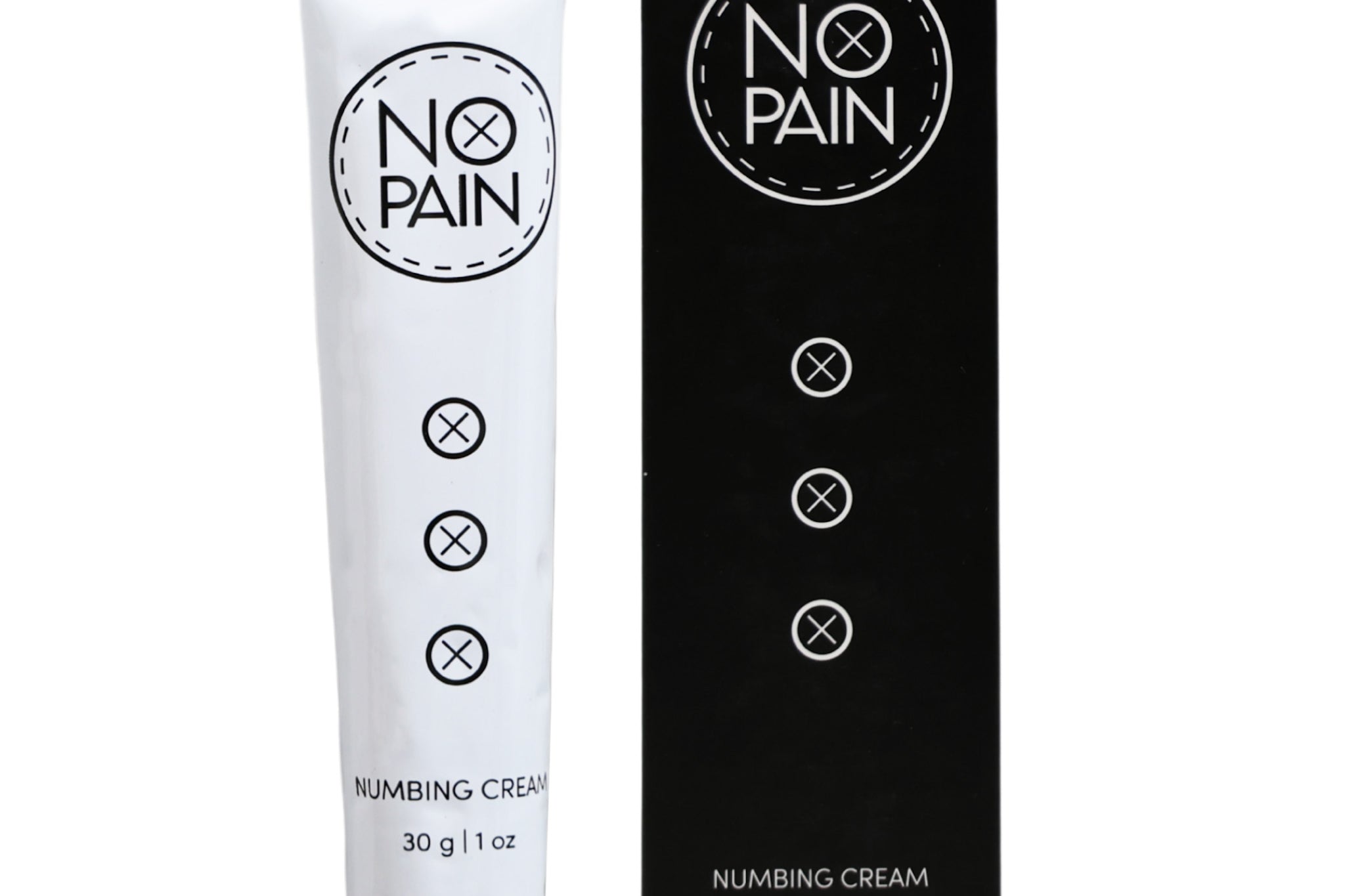
The outer thigh is already a low-pain placement, but for anyone who wants to reduce sensation further—particularly for longer sessions or detailed work—applying No Pain Tattoo Numbing Cream an hour before the session is straightforward on this placement. The large, flat surface makes application easy, and the cream absorbs reliably without the complications you'd encounter trying to numb irregular or jointed areas.