


A full back tattoo is one of the biggest commitments in tattooing. Not just aesthetically. In time, in money, and in what your body goes through across dozens of hours in the chair. Pain-wise, it's also one of the more complicated pieces to describe, because your back isn't one pain experience. It's five or six different ones layered into the same project.
The spine is one of the most brutal spots on the human body. The fleshy muscle on either side of it is one of the most comfortable. And they're inches apart. Understanding that map before you start is what separates people who finish their back pieces from people who tap out three sessions in.
In this article
- Zone-by-zone pain map
- The marathon factor
- What a long session actually feels like
- Numbing strategy for a big piece
- How to prepare for each session
- Frequently asked questions
Zone-by-Zone Pain Map
The spine (9 to 10 out of 10)
This is the hardest part of a full back piece for almost everyone. The vertebrae sit just below a thin layer of skin with very little tissue cushioning them. The needle vibrates against bone, and the spinal column carries that vibration outward through the nerve roots branching off at each vertebral level. A lot of people describe it as feeling it in their sides or hips, not just in their back. The tailbone and the upper thoracic region near the base of the neck are the sharpest sections. The mid-spine is still difficult, but slightly more tolerable than those extremes.
The shoulder blades (7 to 9 out of 10)
The scapulae are large, flat bones sitting closer to the surface than people expect. Work directly over the blade creates a bone-vibration sensation similar to the spine, though typically a notch less intense because there's slightly more tissue coverage. Where it gets harder is the inner edge of the shoulder blade, the part closest to the spine, where the tissue thins out. Designs that require heavy coverage across the full blade will move through comfortable and uncomfortable zones multiple times in the same session.
The upper back muscle (4 to 6 out of 10)
The trapezius and the muscle bulk on either side of the upper spine is where most people catch a break. Thick muscle underneath, skin that's reasonably padded, and the needle working through actual tissue rather than against bone. This is what "back tattoos are manageable" usually refers to. It's not what the full experience is, but it's a real part of it, and experienced artists often sequence sessions to let clients spend time in these zones and recover before hitting the harder sections.
The lower back and lumbar region (6 to 9 out of 10)
Varies considerably depending on body composition and exactly where the needle is. Work in the thick muscle flanking the lumbar spine is in the moderate range. Move toward the spine itself, or drop down toward the sacrum and tailbone, and it gets significantly harder. The sacral area is one of the more underestimated pain spots on the whole back, partly because people don't associate the tailbone area with the same intensity as the upper spine. It frequently surprises people late in a session.
The sides and flanks (7 to 9 out of 10)
Full back pieces often extend around the sides, and the sides are where a lot of people hit a wall. The skin is thinner, the ribs are right there, and when the design wraps around toward the front it starts entering rib territory. Most artists try to tackle flank work when the client is freshest in a session. Leaving it for hour four or five is a bad plan.
The Marathon Factor
A full back tattoo takes 40 hours or more. Often significantly more, depending on the complexity and how much color and shading is involved. That gets spread across many sessions, typically somewhere between 8 and 20 depending on session length.
The number of hours matters for pain in ways that go beyond any individual session. Your skin accumulates trauma across the project. A zone that felt manageable in session two might be noticeably more sensitive in session six because it's been worked multiple times. Artists who specialize in large-scale work understand this and plan session sequences accordingly, working outward from completed sections and giving healed skin adequate recovery time before returning to it.
The other thing that builds across sessions is psychological fatigue. Not everyone talks about this, but it's real. Sitting for long sessions repeatedly over months or years is mentally demanding in a way that a single afternoon in the chair isn't. Having a solid pain management plan for every session, not just the first few, matters more for back pieces than for almost any other tattoo.
What a Long Session Actually Feels Like
The first 30 to 45 minutes of any session are almost always the most manageable. Your body's adrenaline response kicks in, and it provides genuine relief. Most people report that the first hour feels more tolerable than they expected going in.
That changes. By hour two or three, the adrenaline is gone and the skin is inflamed. The same needle pressure that felt like a 5 in hour one can feel like an 8 in hour three. This isn't weakness. It's physiology. The tissue has been traumatized repeatedly, the nerve endings are more sensitized, and your body's natural pain buffers have worn down.
This is exactly when most people start shifting, tensing, or asking for breaks. And this is exactly when numbing support matters most, because the sections that get worked in the third and fourth hour of a session are the sections where quality is most at risk from client movement.
Numbing Strategy for a Big Piece
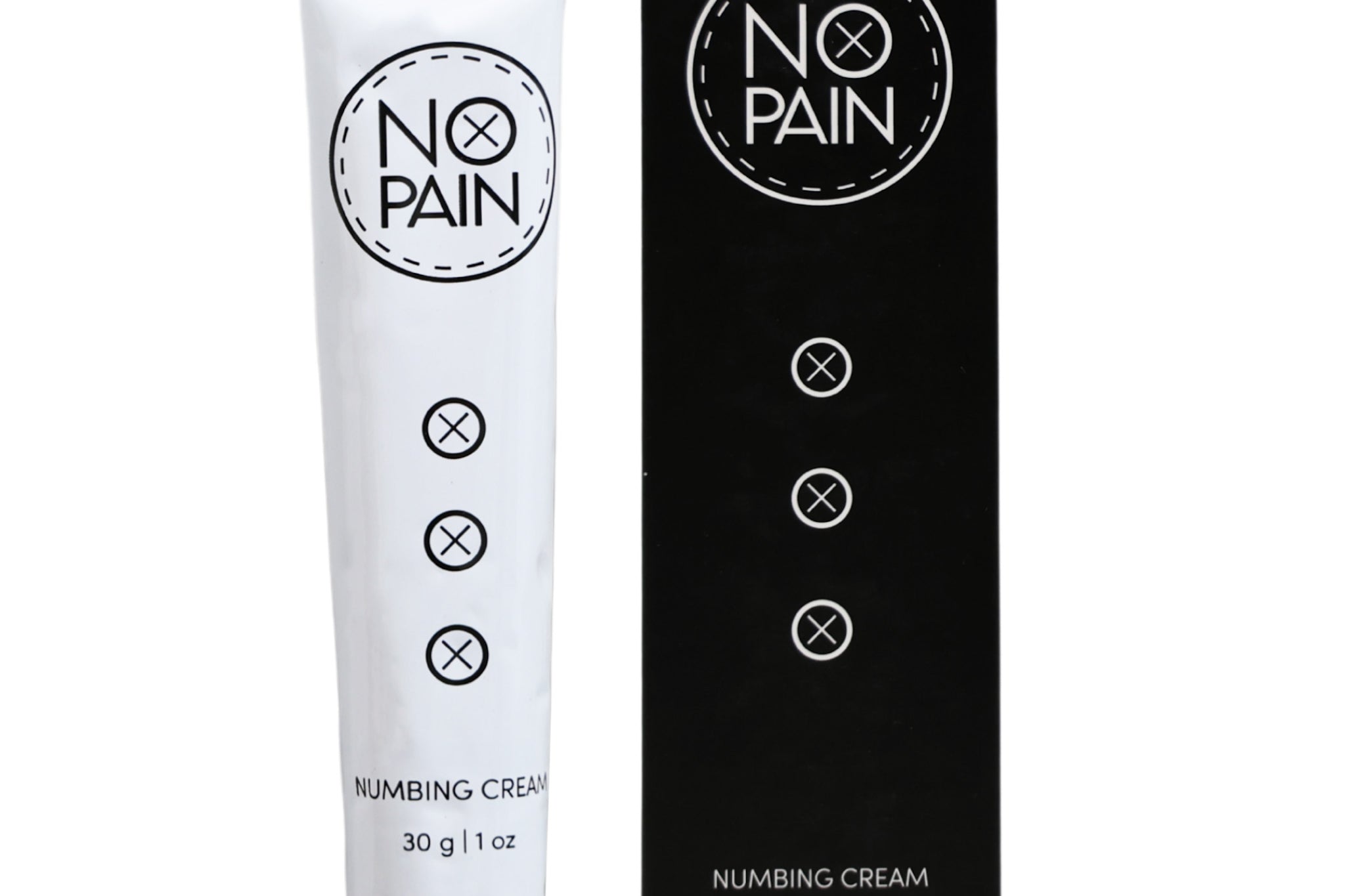
Pre-session numbing cream handles the first half of any session. Apply it to the area your artist is starting on, 60 to 90 minutes before you sit down, cover with plastic wrap, and arrive already numbed. That takes the opening hours from intense to manageable and gives you a genuine buffer for the hardest bony sections.
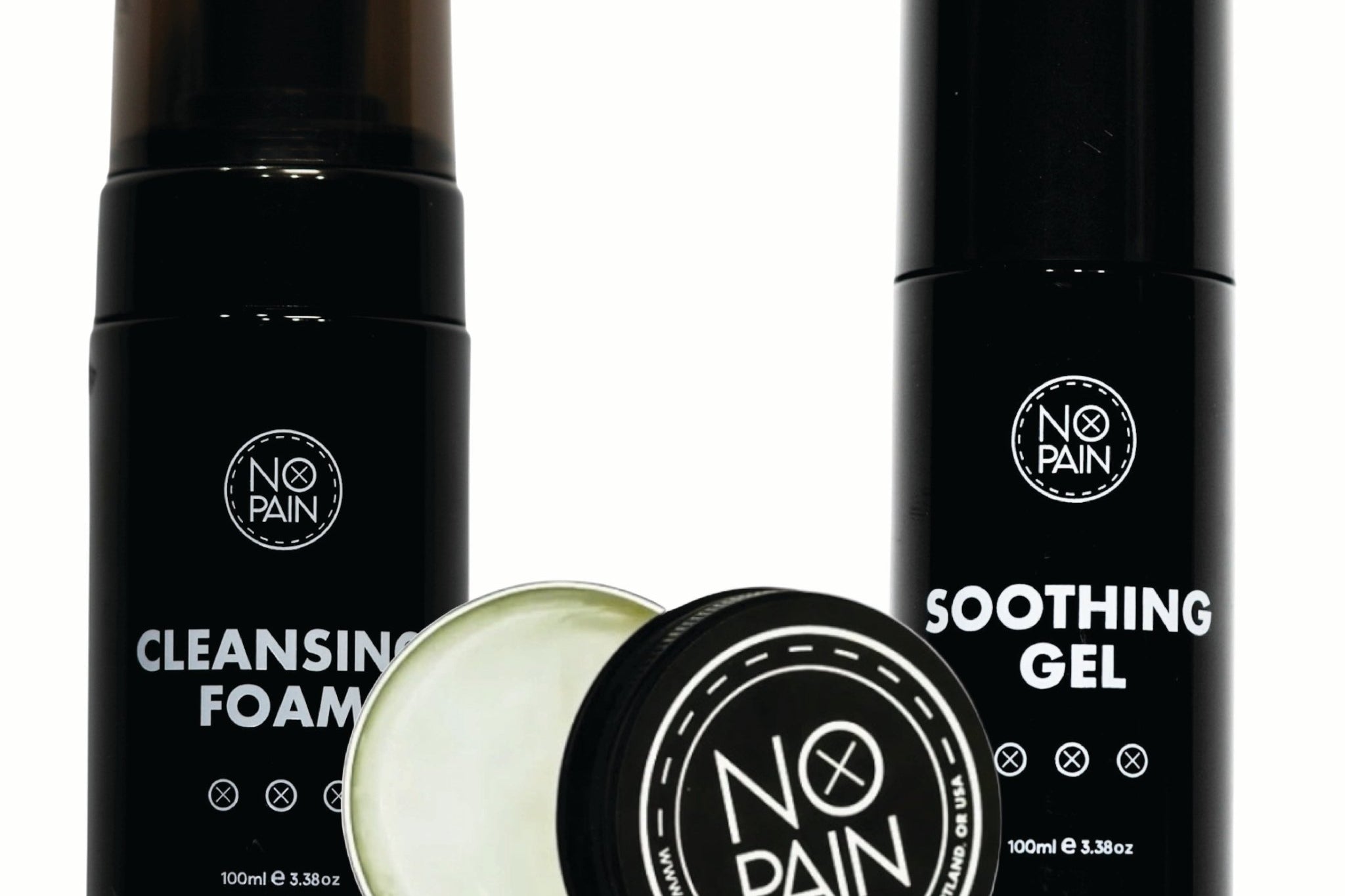
But for a session running three hours or longer, you need a second layer. A secondary numbing gel that your artist applies directly to the broken skin mid-session re-numbs the area and extends the comfort window through the back half of the appointment. Without it, you're grinding through the last hour on willpower alone, at the exact point when your skin is most fatigued and your pain tolerance is lowest.
For a full back piece, both products together aren't optional. They're the difference between sessions you can complete fully and sessions that get cut short because the last zone becomes too much.

Maximum strength formula in a thick, slow-absorbing base that stays active longer than thin creams that burn through in the first hour. Apply 60 to 90 minutes before your session to the area being worked that day, cover with plastic wrap, and arrive already numbed. Formulated at Historic Tattoo in Portland.

Pre-session numbing cream plus secondary numbing gel for your artist to apply mid-session on broken skin. Together they cover a full session from first pass to last. For a back piece running multiple hours per sitting, bring both to every appointment. Formulated at Historic Tattoo in Portland.
How to Prepare for Each Session
Sleep matters more for a back piece than for shorter tattoos. Fatigue drops pain tolerance measurably, and you'll feel it by hour two of any long session if you came in tired. Treat the night before like a real commitment, not an afterthought.
Eat a proper meal before you sit down. Blood sugar drops during extended sessions and they make everything harder. Bring a snack and a drink to the appointment for anything running over two hours. Your artist will not judge you for eating a granola bar mid-session. They've seen people pass out. They prefer the snack.
Wear something that gives full back access without being complicated. A loose button-down you can slip off easily, or a front-zip hoodie. You'll be lying or sitting for hours; comfort matters.
Tell your artist at the start of each session which zones felt hardest last time. Good back-piece artists adjust their sequencing based on this. If the sacrum wrecked you in session three, that's useful information for planning session four.
Plan your recovery time. A long back session leaves your entire back inflamed and tender. Most people feel it the next day more than they expected. Don't schedule anything physical or stressful for the 24 hours following a major session.
Frequently asked questions
How many hours does a full back tattoo take?
At minimum, 40 hours for a relatively simple design. Complex back pieces with heavy shading, color, or intricate detail can run 60 to 100 hours or more. That typically means anywhere from 8 to 20 sessions depending on how long each sitting runs and how your skin recovers between appointments. Most experienced back-piece artists prefer longer sessions, in the 4-to-6-hour range, to minimize the number of times the skin needs to be fully healed before continuing work.
Which part of the back hurts the most for a tattoo?
The spine, without much competition. The vertebrae sit just below thin skin with very little cushioning, and the vibration from the machine travels through the skeletal structure. The tailbone and the upper spine near the base of the neck are consistently the most intense sections. The shoulder blades rank second. The flanks and lower back near the sacrum are also harder than people expect. The most comfortable areas are the thick muscle on either side of the spine in the upper and mid-back.
Can you use numbing cream on the full back?
Yes, and for a project this size you should plan on it for every session. The application area is large, so you'll need enough product to cover the section being worked that day. Apply a thick layer 60 to 90 minutes before the appointment and cover with plastic wrap. You may need help from another person for full coverage. For sessions running past the two-to-three-hour mark, a secondary mid-session gel applied by your artist to the broken skin extends the numbing into the back half of the appointment.
How long is recovery between back tattoo sessions?
Most artists recommend waiting until the worked area is fully healed before returning, typically three to four weeks minimum. Coming back too soon means working over skin that hasn't fully recovered, which increases bleeding, reduces ink retention, and makes the session harder than it needs to be. For very large sessions covering most of the back, some artists prefer six weeks between sittings to make sure the skin is in good condition to accept more work.
Does a full back tattoo hurt more than other large pieces?
It depends on what you're comparing it to. A full sleeve has the elbow ditch and inner bicep, which are both extremely painful spots, but the overall pain map of a sleeve is more forgiving than the back because the outer arm is comfortable. A back piece has the spine, which is one of the hardest placements anywhere on the body, combined with dozens of hours of work across sessions. Most people who've done both rate the back piece as the harder overall project, though individual sessions on a sleeve going through the elbow can be more acutely painful than an equivalent session on the back muscles.
What should I bring to a long back tattoo session?
Water and a real snack, something with protein and fat rather than just sugar. Headphones if music or podcasts help you zone out. Something to put on the chair or bench if lying face-down for hours is hard on your chest. Your numbing cream applied at home beforehand, and the comfort bundle to hand off to your artist for mid-session use. Comfortable clothes you can easily remove the top of without adjusting around fresh work. And realistic expectations for how you'll feel the next day.
Built for the Long Sessions
Pre-session cream for the opening hours. Mid-session gel so your artist can re-numb and keep going. The Comfort Bundle is what back-piece collectors bring to every appointment.
Shop the Comfort Bundle →Formulated at Historic Tattoo in Portland, Oregon.