
The shoulder is one of the most popular tattoo placements for a reason. Easy to show, easy to cover, fits almost any design, and works as both a standalone piece and part of a larger sleeve. But "the shoulder" isn't one pain experience. It's two very different ones depending on whether the needle is on the muscle or the bone.
That distinction matters before you sit down. Here's the honest pain map for the top of the shoulder: what makes each zone feel the way it does, what to expect when a design spans both, and what you can do about the harder parts.
In this article
- The shoulder pain map
- What each zone feels like
- When your design covers both zones
- Numbing strategy
- Healing challenges
- Frequently asked questions
The Shoulder Pain Map
The deltoid cap (4 to 6 out of 10)
The rounded top of the shoulder is one of the better-padded spots on the upper body. The deltoid muscle sits between the skin and the underlying bone, and that cushioning changes everything about how the needle feels. Most people find work here surprisingly manageable, particularly if they've come in braced for the worst. It's a common first tattoo location for exactly this reason.
The shoulder blade / scapula (7 to 9 out of 10)
Move the design toward the back and it starts crossing onto the scapula. This is a large, flat bone that sits close to the surface with very little tissue covering it. The moment the artist shifts from muscle to bone, most clients notice the change immediately. It's not gradual. The sensation shifts and the intensity goes up a notch.
The outer shoulder and rear deltoid (5 to 7 out of 10)
The transition zone between the cap and the blade, and between the shoulder and the upper arm. Generally sits in the middle range. More padded than the blade itself, less cushioned than the top of the cap. For designs that wrap from the shoulder cap around toward the back, this is the territory in between.
What Each Zone Feels Like
On the deltoid cap, most people describe a moderate scratching or buzzing sensation. It stays surface-level rather than feeling deep. There's some heat as the session goes on, but it rarely escalates into anything acute. People who've only been tattooed in difficult spots sometimes express surprise at how easy it is.
On the shoulder blade it's different. The sensation becomes sharper and more specific. A lot of people describe a grinding quality, and the vibration from the machine travels through the bone in a way you can feel in your upper back and chest. It's not as intense as the spine, but it's the same type of bone-deep resonance rather than a surface sting. The areas near the inner edge of the blade, closest to the spine, are consistently the most difficult.
When Your Design Covers Both Zones
Most shoulder pieces aren't contained to just the cap. A half sleeve extending over the shoulder, a design that wraps from the front of the shoulder to the back, or anything large enough to fill the area will move across multiple zones in the same session.
That means the pain level is going to shift mid-session, and not gradually. The artist might be working on the deltoid cap for the first hour and the experience is comfortable. Then they move toward the blade and it changes. Clients who aren't expecting that can misread it as the session getting harder overall, when it's really just a zone change.
Knowing the map ahead of time lets you pace yourself mentally. The blade sections aren't permanent. The artist will move back to padded territory eventually.
Numbing Strategy
For shoulder-only designs that stay on the deltoid cap, numbing cream is a nice-to-have. For anything that extends to the shoulder blade, it becomes more meaningful. The blade sections are where most people want the edge taken off, and that's exactly where the cream does its most noticeable work.
Apply to the full area being worked 60 to 90 minutes before your session and cover with plastic wrap. The shoulder is a large, accessible surface so coverage is straightforward. Arrive already numbed rather than applying at the shop, where you'd have to wait without the plastic wrap setup doing its job properly.

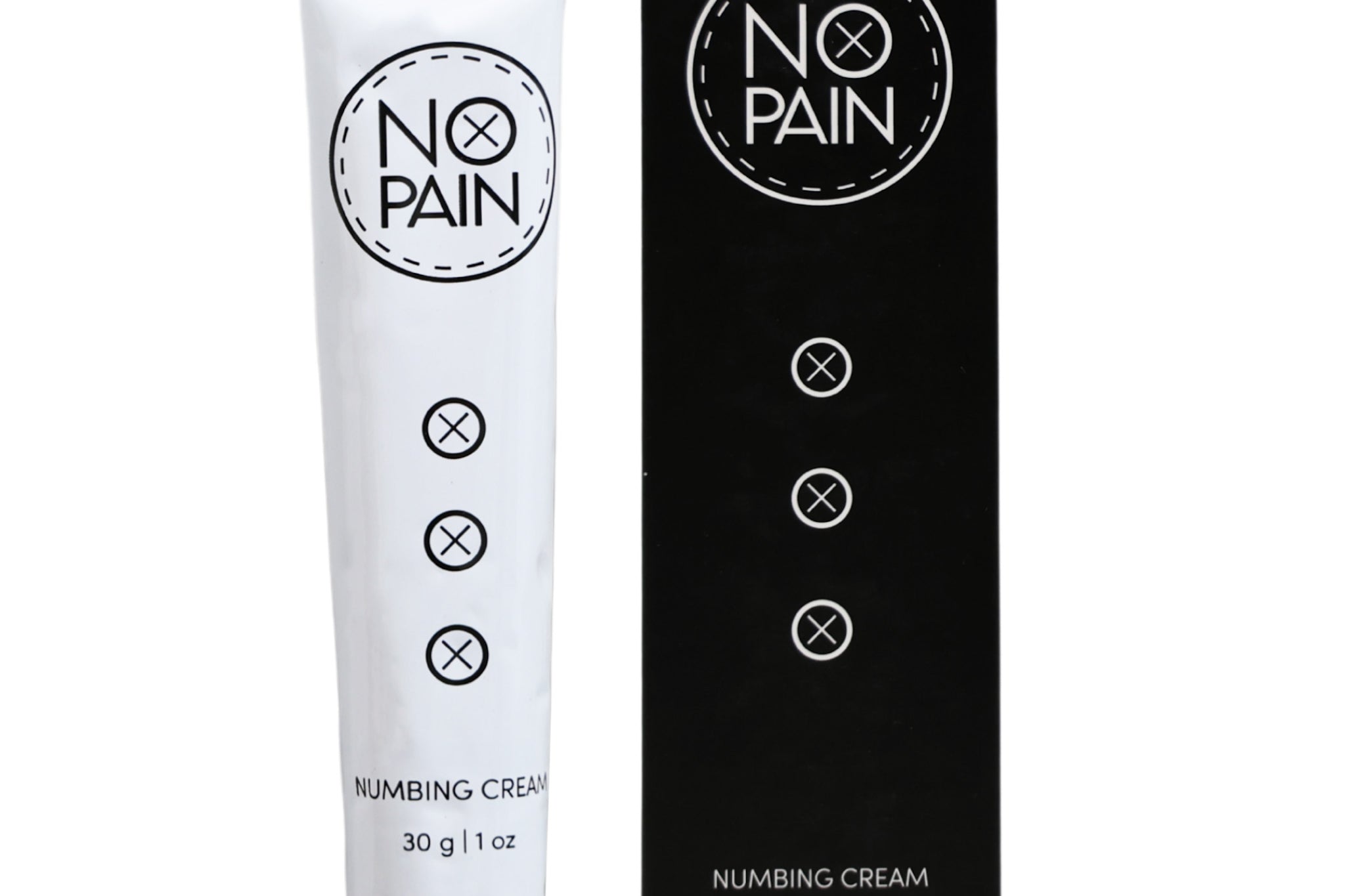
Maximum strength formula in a thick, slow-absorbing base that stays active longer than thin creams that wear off in the first hour. Applied to the full shoulder area before your session, it takes the edge off the bone work on the blade without making the easier cap sections feel numb in a distracting way. Formulated at Historic Tattoo in Portland.
Healing Challenges
The shoulder heals well overall, but it has one practical problem that catches people off guard: friction from everyday items.
Backpack straps sit directly on the shoulder. Bag straps do the same. Seat belts cross the shoulder. Shirt collars and jacket seams land right at the upper edge. During the first two weeks of healing, any of those surfaces rubbing against the fresh tattoo slows the process, pulls at peeling skin, and in the worst cases causes ink loss in the affected area.
Most people don't think about this until day three, when they sling a bag over their shoulder without thinking and immediately feel it. A cross-body bag worn on the opposite shoulder, or a backpack worn loosely enough that the straps don't press down on the work, solves the problem. If you're getting a large shoulder piece, plan your wardrobe and bag situation for the first two weeks before you show up to the appointment.
Loose, soft clothing on top helps. Anything tight or rough-textured that rubs during movement is working against you.

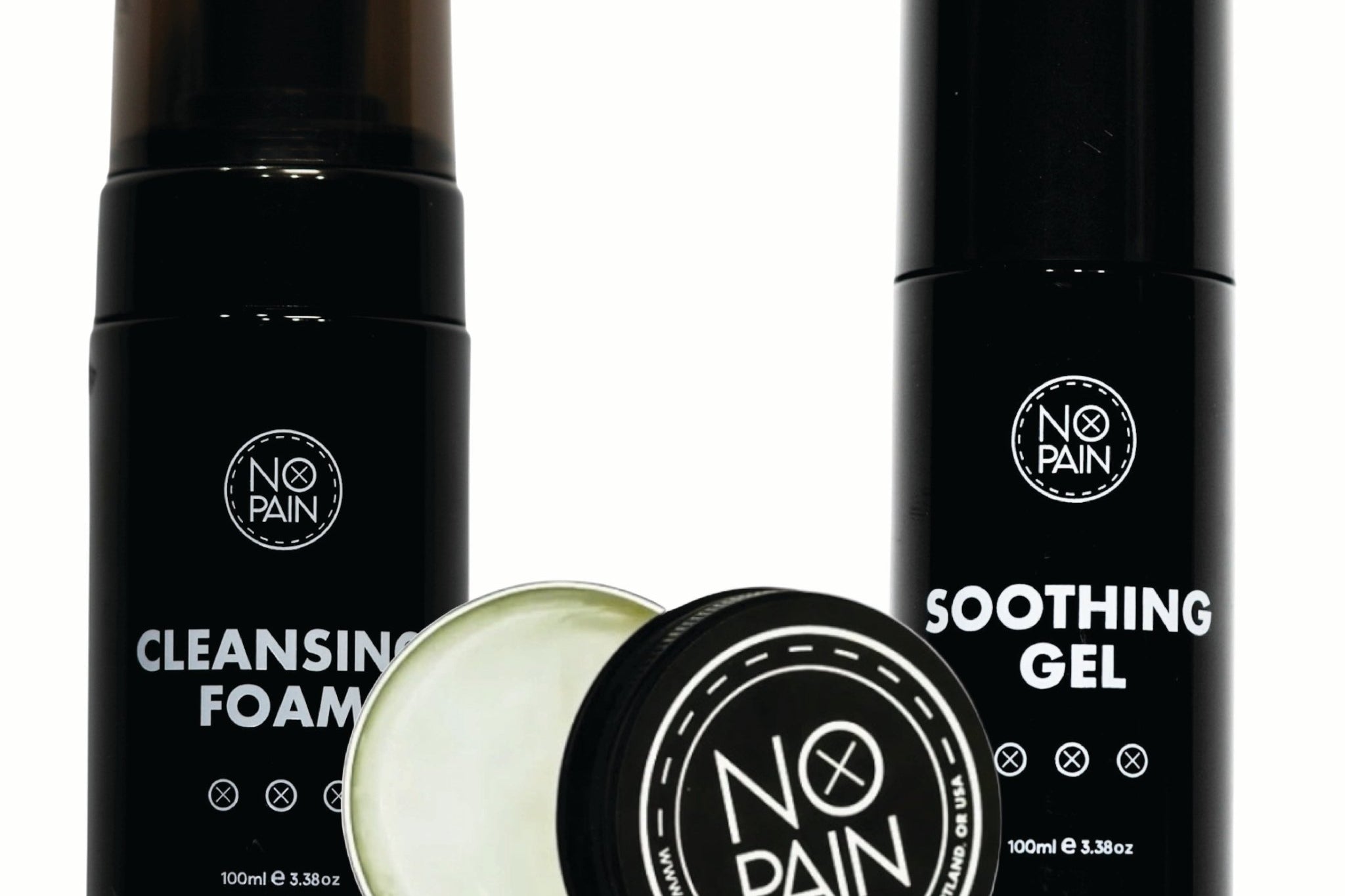
Cleansing foam, soothing gel, and aftercare balm. The full routine from day one through the end of healing, formulated without fragrance, petrolatum, or alcohol. Keeps the shoulder moisturized and protected during the weeks when backpack straps and shirt seams are working against your new ink. Formulated at Historic Tattoo in Portland.
Frequently asked questions
How painful is a tattoo on the top of the shoulder?
On the deltoid cap (the rounded muscular top), most people rate it 4 to 6 out of 10. It's one of the more comfortable placements on the upper body because the thick muscle acts as a cushion between the skin and the bone. If the design extends onto the shoulder blade, the rating jumps to 7 to 9 in that section. The two zones genuinely feel different, and many people experience both in the same session as the artist moves across the shoulder.
Is the shoulder blade painful to tattoo?
Yes, noticeably more so than the cap. The scapula sits close to the surface with less tissue between the skin and the bone, which means the needle's vibration resonates differently than it does in a padded area. Most people describe it as a sharp, grinding sensation with a bone-deep vibration you can feel in your upper back. It's not in the same category as the spine or the knee ditch, but it's a meaningful step up from the deltoid cap and surprises people who expected the whole shoulder to feel the same.
Is the shoulder a good first tattoo placement?
The deltoid cap specifically is one of the better options for a first tattoo. It's well-padded, accessible, easy to care for, and doesn't involve any of the high-nerve-density zones that make certain placements brutally intense. If your design stays mostly on the cap and doesn't push far onto the blade, the pain level is very manageable for most people. It's a spot where first-timers regularly say the experience was easier than they expected.
Can you use numbing cream on the shoulder?
Yes, and it's straightforward to apply given how accessible the area is. Apply a thick layer to the full region being tattooed, cover with plastic wrap, and wait 60 to 90 minutes before your session. The shoulder is a large flat surface that absorbs well. Where the cream makes the most noticeable difference is on the shoulder blade sections, where the bone-contact pain is hardest to sit through without any dulling.
How long does a shoulder tattoo take to heal?
Surface healing follows the standard two-to-three-week arc: redness and tenderness in the first few days, peeling starting around day five to seven, visible flaking wrapping up around week two to three. The shoulder is a stable, low-movement area in terms of the skin itself, which helps healing. The main variable is friction from clothing and straps, which can extend the surface healing timeline if it's not managed. Full dermal healing takes closer to three months regardless of how the surface looks.
How should I dress after a shoulder tattoo?
Loose, soft fabrics that don't press or rub against the tattoo. Avoid anything with a seam or collar that sits directly on the work. Wide-neck tops or off-shoulder styles work well for the first week or two. Watch out for bag straps and backpacks more than anything else, as these press directly onto the shoulder with consistent friction during movement. Switching to a cross-body bag worn on the opposite side is the simplest solution for the healing period.
Two Zones. One Prep.
Apply numbing cream to the full shoulder area before your session and the blade sections feel manageable. Keep up the aftercare routine for two weeks and the friction from daily life doesn't cost you ink.
Shop Numbing Cream →Formulated at Historic Tattoo in Portland, Oregon.