


Few tattoo placements generate as much curiosity as the butt. Once niche, butt tattoos have surged in popularity over the last decade, and for good reason — the gluteal area offers a surprisingly generous canvas with some unexpected advantages. But the placement also comes with real challenges that are worth understanding before you book your appointment.
The Case For: Why the Butt Is a Better Canvas Than You Think
The biggest surprise for most people getting their first butt tattoo is the pain level — or more accurately, the lack of it. The main body of the buttocks, dominated by the large gluteal muscles and significant subcutaneous fat, is one of the most naturally cushioned areas on the body. For most of the tattoo, the sensation is a dull, heavy pressure rather than a sharp sting, typically rating around a 2 to 4 out of 10. Many people find it genuinely one of their least uncomfortable sessions.
Beyond pain, the canvas itself is excellent. The area is large, smooth, and relatively flat — well-suited to sprawling designs, detailed floral pieces, landscapes, and any artwork that benefits from room to breathe. You also have complete control over who sees it, making the butt an ideal location for a more personal or intimate piece.
The Case Against: Where the Butt Gets Complicated
The low-pain experience doesn't last if the design extends beyond the fleshy main canvas. The tailbone and lower spine at the top, and the hip bones on the sides, are genuinely painful. The contrast can be jarring — clients who have been coasting through the session suddenly hit a very different level of intensity as the needle moves off the muscle and onto bone. If your design covers any of these areas, go prepared.
Healing is the other major challenge. The butt is a high-friction zone. Sitting puts constant pressure on a fresh wound, and clothing — particularly underwear, waistbands, and seams — rubs the area throughout the day. The gluteal fold, where the buttock meets the thigh, is especially prone to friction-related healing complications. Getting through the first two weeks without disturbing the healing skin requires real mindfulness about how you sit, what you wear, and how much movement the area is subjected to.
Planning for a Great Result
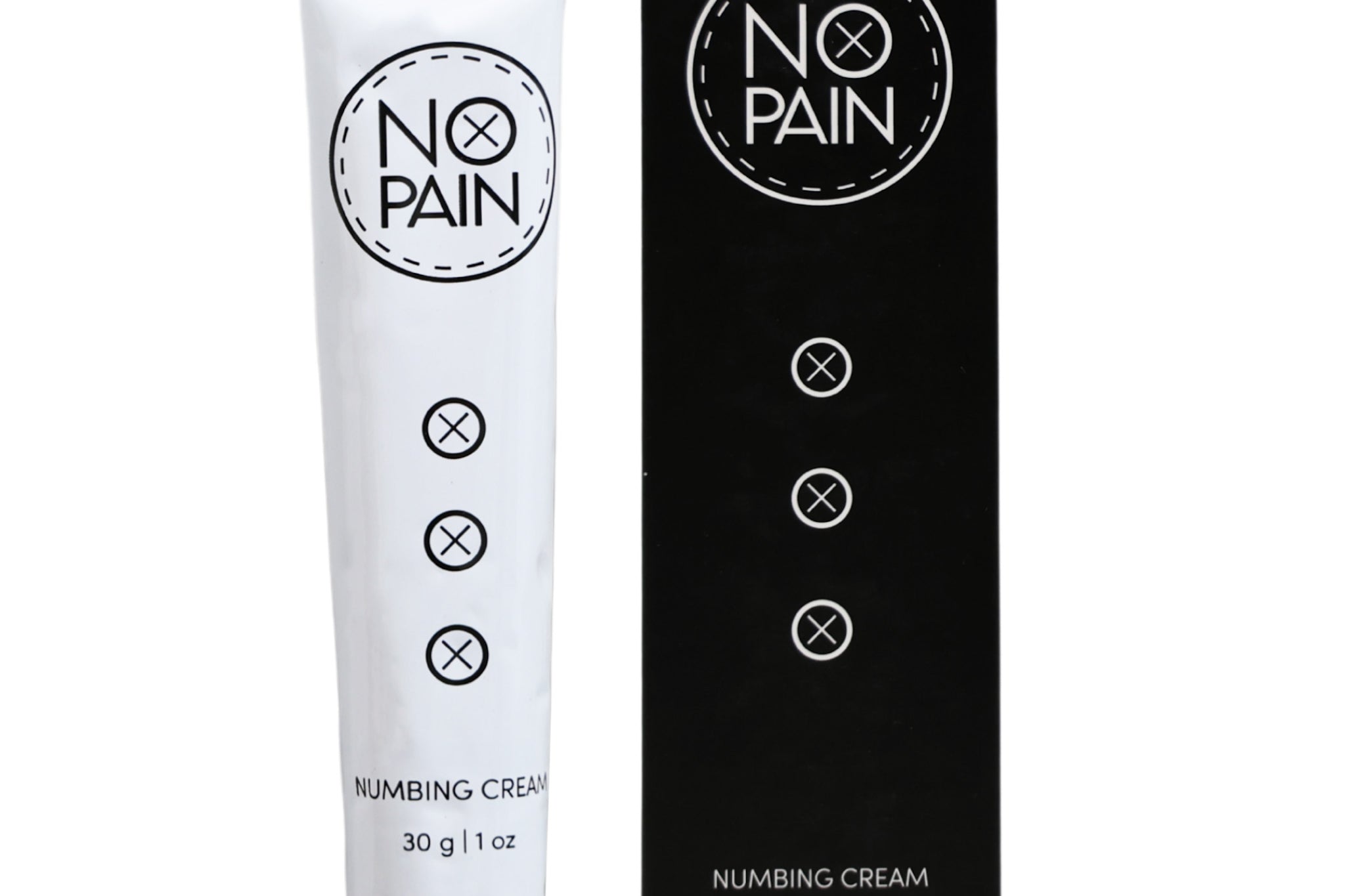
If your design travels over the bony areas at the top or sides of the buttocks, a topical numbing cream applied before your session can make a meaningful difference. No Pain Tattoo Numbing Cream works by blocking pain signals at the nerve endings, significantly reducing the sharp, intense sensation over bony areas — which makes the session more comfortable and easier to sit through for the full duration.
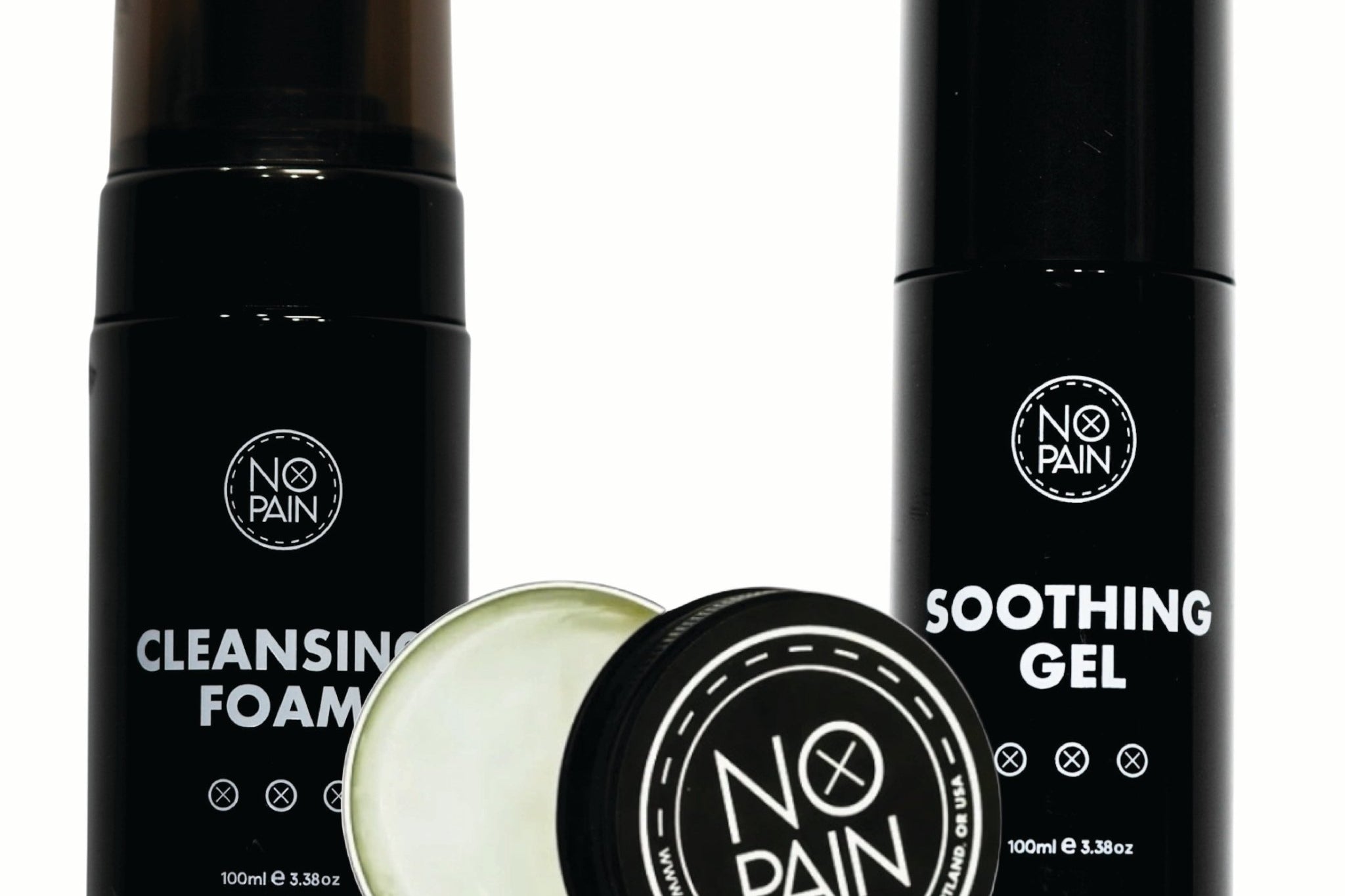
For healing, the priority is minimizing friction and keeping the skin well-moisturized. Loose, breathable cotton clothing is a must for the first two weeks. No tight jeans, no compressive underwear, nothing with seams pressing directly on the tattoo. A quality aftercare balm applied consistently will help keep the skin supple and reduce the likelihood of thick scabbing, which is a real risk in any area subject to constant movement and friction.
The Bottom Line
A butt tattoo is a genuinely good idea for most people, with the right preparation. The main canvas is more comfortable than its reputation suggests, and the large, private placement makes it well-suited to bold, expressive designs. The challenges — bony hot spots, friction during healing — are real but manageable with the right pain management strategy and a solid aftercare routine.
Go in knowing what you're getting into, prepare for the bony sections, and take the healing phase seriously. The result is a piece of art that's entirely yours to keep.