
CBD skincare has expanded significantly in recent years, and it's natural to wonder whether a CBD-infused cream or lotion might also work well on healing tattoo skin. The interest usually comes from one of two angles: either you already use CBD products and want to keep using them, or you've heard that CBD has anti-inflammatory properties and wondered if that makes it good for healing skin.
Here's the honest assessment — and why, for most people, a purpose-formulated aftercare product is a better choice during the active healing phase.
What CBD Cream Is and What It Does
CBD (cannabidiol) is a compound derived from hemp plants. In topical form, it's typically suspended in a carrier oil or lotion base. The proposed benefits for skin include anti-inflammatory effects, reduced redness, and general soothing of irritated skin — though research on topical CBD specifically is still limited compared to other well-studied skincare ingredients.
From an ingredient standpoint, CBD cream is generally not harmful to healing skin in the way that obviously problematic products like petroleum jelly, Neosporin, or fragranced lotions are. The issue isn't toxicity — it's that CBD products aren't formulated with tattoo healing specifically in mind, and the base they're suspended in matters as much as the CBD itself.
The Main Concern: What's in the Base
CBD creams vary enormously in formulation. Some use heavy, occlusive bases — similar to petroleum jelly — that create a barrier over the skin rather than allowing it to breathe. During the active healing phase of a tattoo, particularly in the first week, occlusive products can trap moisture in a way that leads to maceration: the skin becomes waterlogged, soft, and prone to damage. This can cause ink to shift unevenly and creates an environment that increases infection risk.
Other CBD creams use lighter carrier oils — hemp seed oil, coconut oil, jojoba oil — some of which are comedogenic and can clog the healing skin's surface. Coconut oil, common in many CBD products, has a comedogenicity rating of 4 and is problematic for healing tattoos specifically.
The CBD ingredient itself isn't the problem — it's that you can't assess a CBD cream's suitability for tattoo healing without looking past the headline ingredient to the full formulation.
Should You Use It?
If you already own a CBD cream and want to use it, check the base: is it fragrance-free? Is it lightweight and non-occlusive? Does it contain known problematic ingredients like coconut oil, petroleum, lanolin, or synthetic fragrance? If it passes those checks, it's probably not going to cause harm. But it also probably isn't providing anything the CBD is uniquely contributing to your healing — any benefit is coming from the base keeping the skin moisturized, not from the CBD itself.
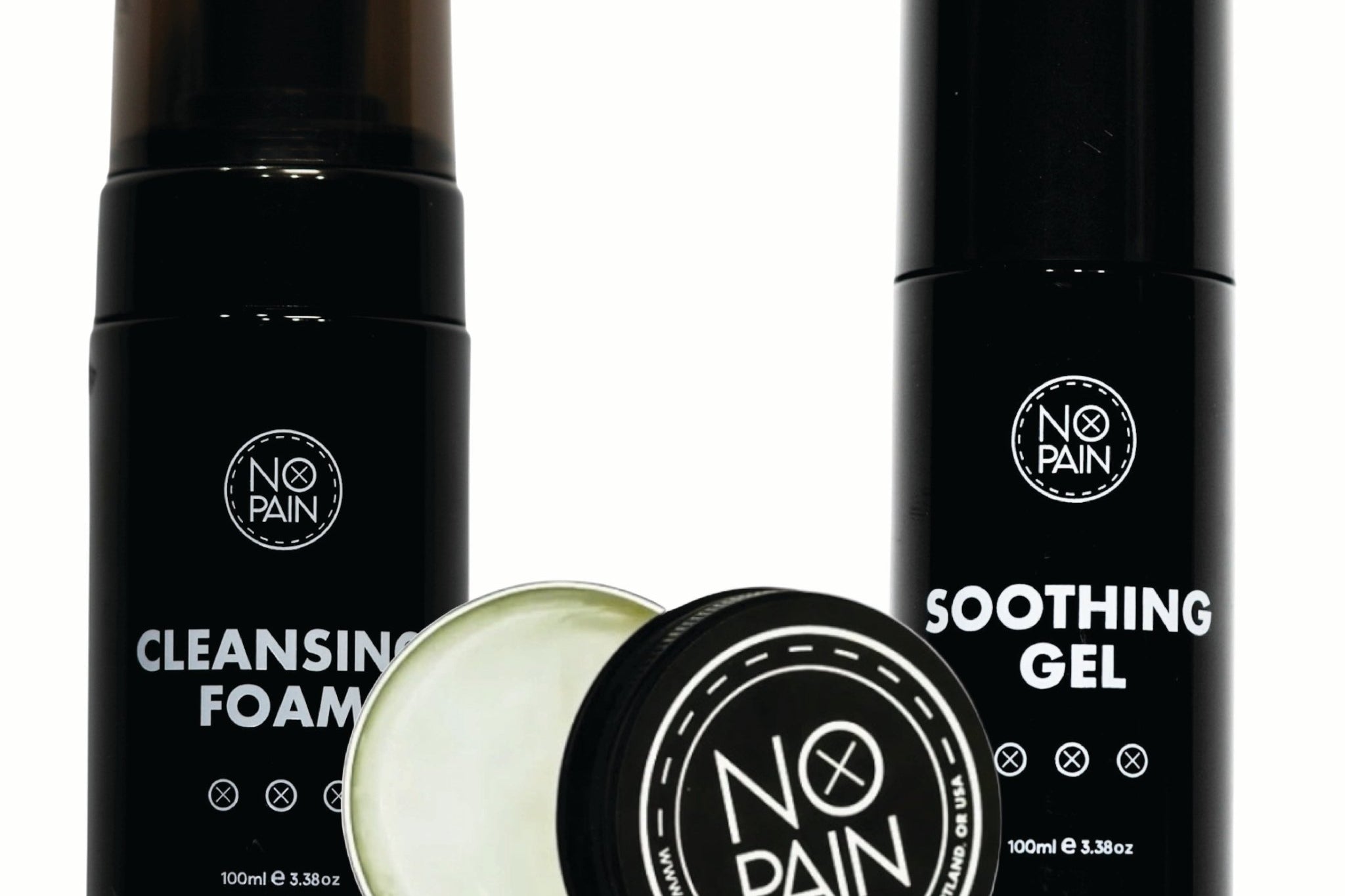
The more reliable approach is a product formulated specifically for tattoo healing, where every ingredient has been chosen with healing skin in mind. No Pain Tattoo Aftercare Balm is designed precisely for this: breathable enough to allow natural skin regeneration, nourishing enough to prevent the over-drying that causes thick scabbing, and free of the fragrances and occlusive ingredients that interfere with healing.
What About CBD for Pain During Healing?
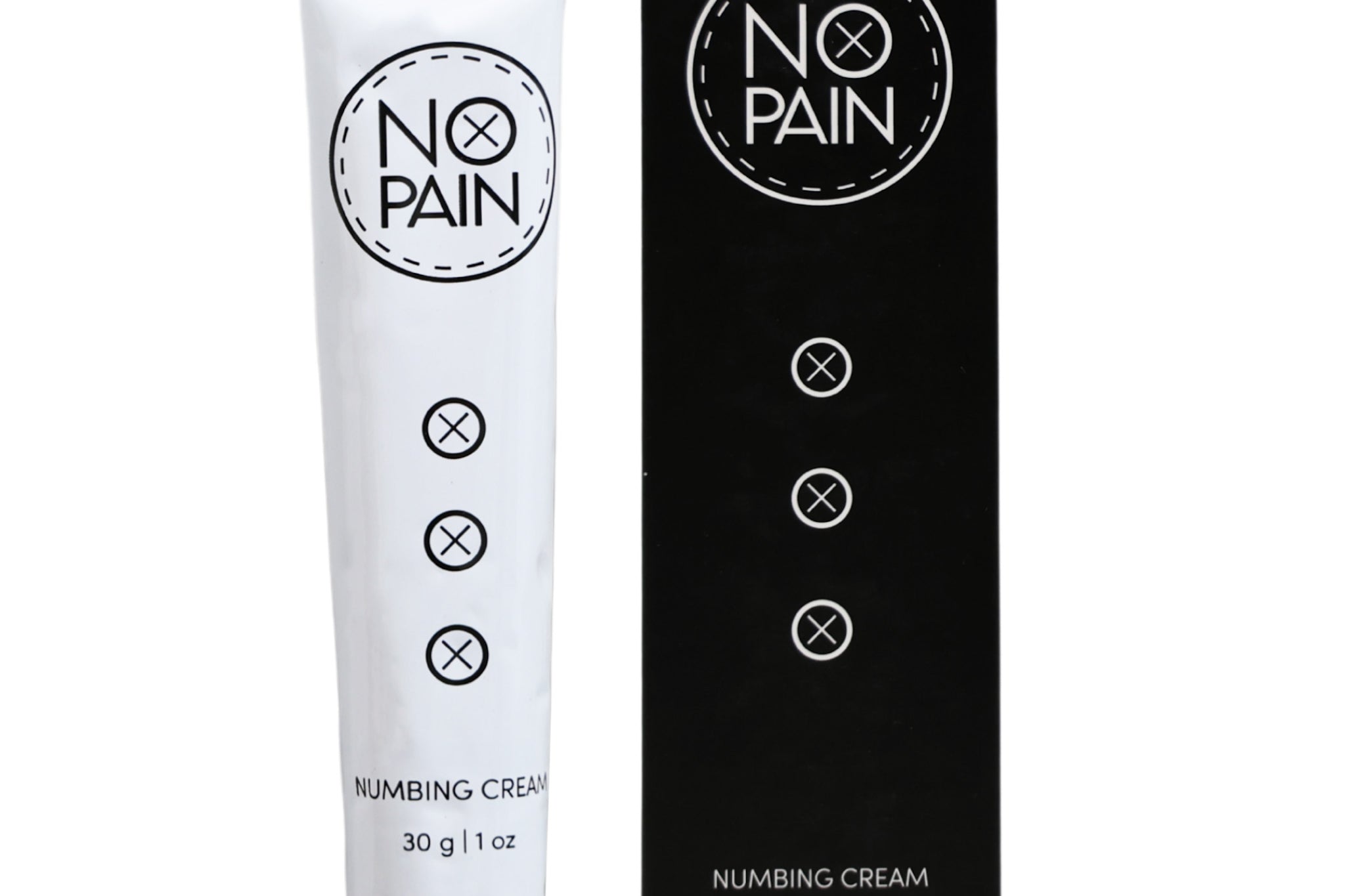
Some people reach for CBD products hoping for pain relief during the sore phase after getting tattooed. Topical CBD doesn't penetrate deeply enough to provide meaningful analgesia for the soreness that comes from tattooing — it works at the surface. For pain management during the session itself, a topical numbing cream applied before the appointment is far more effective. For post-session soreness, over-the-counter pain relief and keeping the area clean and moisturized does more than any topical CBD product.
If CBD is a wellness practice you value, there's no strong reason to stop using it on fully healed skin. But during the active healing phase of a new tattoo, give your skin what it actually needs: consistent, appropriate moisture and nothing that complicates the process.