

The price on a tattoo is not a starting point for a negotiation. It is a reflection of how long the work will take, what supplies it requires, and what a skilled artist's time is worth. Asking for a discount does not make you a savvy customer — it signals to the artist that you have not understood any of those things, and it sets a bad tone before a single needle touches your skin.
Here is exactly why tattooing does not work like buying a car, and what to do when your budget is tight.
In this article
- How tattoo pricing actually works
- What haggling signals to your artist
- The real risk of "getting a deal"
- The right way to work within a budget
- Protecting the investment you made
- Frequently asked questions
How Tattoo Pricing Actually Works
Most tattoo artists charge either an hourly rate or a flat rate for a specific piece. Neither number is arbitrary. An artist's hourly rate is set to cover the cost of professional-grade ink, single-use needles, gloves, film wrap, machine maintenance, and a share of the studio's overhead — rent, utilities, autoclave sterilization equipment, and liability insurance. What is left after those costs is the artist's actual income for the hours they worked.
A well-known or highly skilled artist commands a higher rate because demand for their time is high and because years of refinement went into the work you are looking at in their portfolio. That rate is not inflated — it reflects where they sit in the market. A walk-in studio in a tourist area may charge far less than a private studio with a six-month waitlist, and there is a reason for both of those facts.
When an artist gives you a quote, they have mentally run that math already. They know what the design will require and how long it will take. Asking them to drop the price is asking them to work for less than their time is worth after costs are covered.
What Haggling Signals to Your Artist
Artists talk. Studios have communities. The reputation of being difficult on price — even in a single interaction — follows clients around.
More immediately, trying to negotiate a tattoo price puts your artist in an uncomfortable position from the start of what is supposed to be a collaborative relationship. They have to either say no (awkward) or say yes and begin your appointment already feeling undervalued. Neither outcome sets you up for a great experience.
There is also a subtler message embedded in a price negotiation: that you think the work is worth less than what they quoted. For someone who has spent years developing a skill and a visual style, that lands as a judgment on their craft, not as normal business practice.
The Real Risk of Getting a Deal
If an artist agrees to cut their price, they have three ways to make that math work: spend less time on the piece, use cheaper supplies, or skip steps in the setup process. None of those outcomes are good for you.
A piece done under time pressure skips the refinement — the second pass on shading, the careful cleanup of the linework, the final check before wrapping. A piece done with lower-grade ink may fade faster or behave unpredictably under the skin. A setup that has corners cut on hygiene puts your health at risk in ways that do not become obvious until days later.
The tattoo industry has a saying: good work is not cheap, and cheap work is not good. It has stayed in circulation because it is accurate. The cost of correcting a bad tattoo — whether through touch-ups, cover-ups, or laser removal — almost always exceeds what you would have paid for a good one to begin with.
The Right Way to Work Within a Budget
Having a budget is completely normal. Every artist has worked with clients at every budget level. The difference is in how you approach it.
Tell your artist your budget before they start designing. Say you have $400 for this appointment and ask what can be done in that range. That is a productive constraint to work from. The artist can scale the design, simplify elements, or suggest breaking a larger piece into sessions. That conversation produces good outcomes.
Scale the design, not the artist. A smaller, simpler piece from an artist you genuinely want to work with will look better on your skin for longer than a large, ambitious piece from someone who agreed to do it at a price that made them uncomfortable.
Look at flash. Flash tattoos are pre-drawn designs offered at a set, lower price specifically because the design work is already done. Many artists do flash events — Friday the 13th specials, Halloween flash days, seasonal sheets — where you can get their work at an accessible price point without negotiating at all.
Save and come back. Good artists keep their books open for clients they have enjoyed working with. If the piece you want costs more than you have right now, book a consultation, put down a deposit to hold your spot, and save the remaining balance before the appointment. The piece will still be there in two months.
Protecting the Investment You Made
Once you have paid what the work is worth, protect it. The heal is the part of the process entirely under your control, and poor aftercare is one of the most common ways good tattoos end up looking mediocre. The first few days after your session determine whether the artist's linework heals crisp or blurry, whether color holds or pulls, and whether your skin settles cleanly without problems.
Don't Shortchange the Aftercare
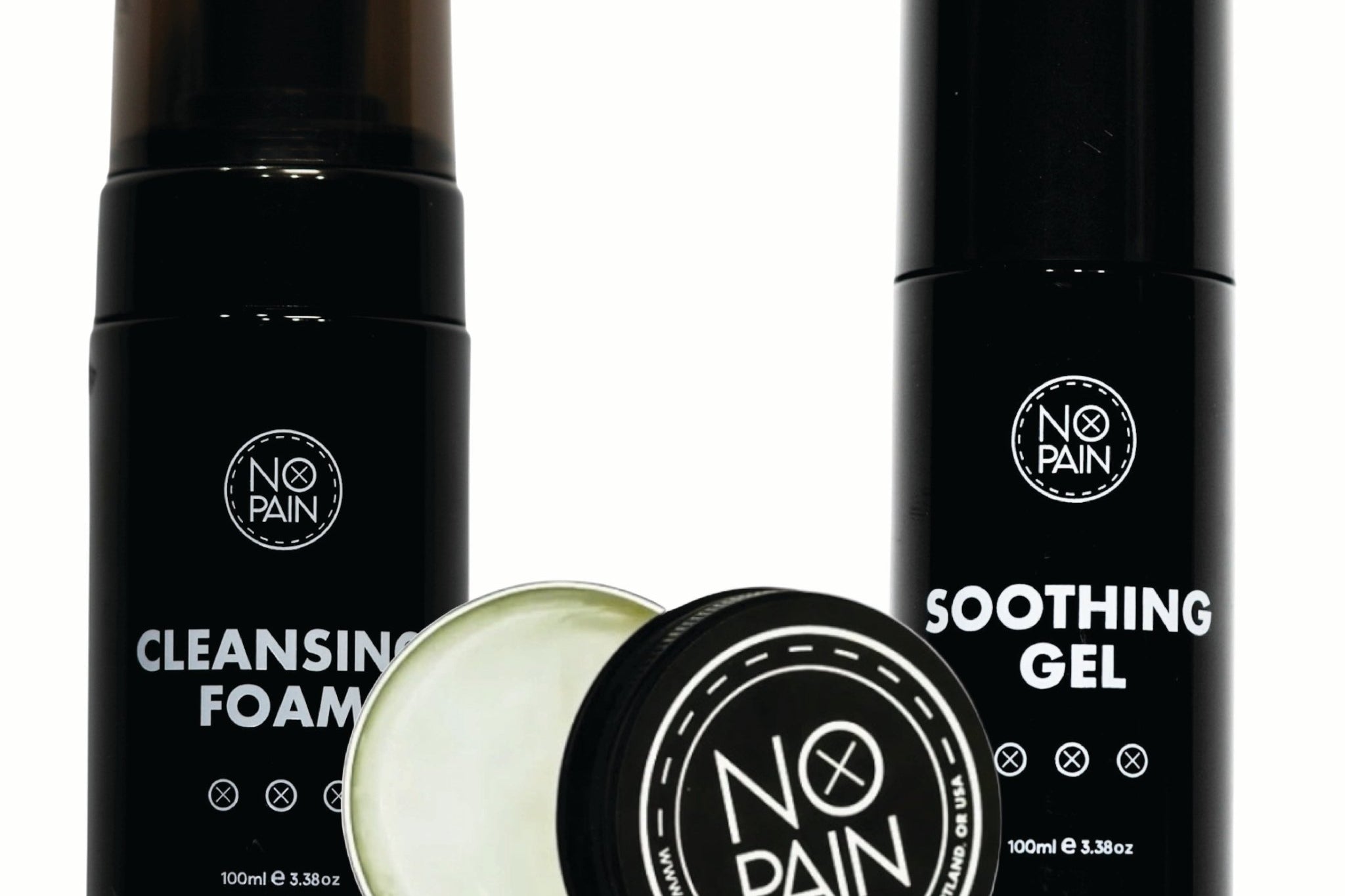
You paid for the art. The Aftercare Bundle protects it — Soothing Gel for days 1 to 3, Aftercare Balm for day 3 onward. Everything you need for a clean heal in one kit.
Shop the Aftercare Bundle →Formulated at Historic Tattoo in Portland, Oregon. 100% money-back guarantee.
Frequently asked questions
Can I ask a tattoo artist if they have any deals or specials?
Yes — and that is different from haggling. Asking whether an artist has upcoming flash days, holiday specials, or apprentice-rate work available is a completely normal way to find accessible pricing. The distinction is that you are asking about pre-set pricing structures, not asking the artist to reduce their standard rate for your specific project.
Is it okay to tell an artist I am on a budget?
Absolutely. Telling your artist your budget upfront is the professional way to handle a financial constraint. They can tell you honestly what is achievable in that range and help you design something that works. This conversation happens all the time and good artists handle it without issue.
What if the artist's quote is genuinely higher than I expected?
Ask them to walk you through what is driving the cost — the size, the detail level, the color work. Sometimes a design can be simplified or scaled down in ways that lower the price without compromising the piece. Sometimes the quote is accurate and the right answer is to save more before booking.
What if I get a much cheaper quote from another artist?
Find out why. A lower quote usually means less time on the piece, less experienced hands, or a studio with lower overhead that may reflect lower standards. Sometimes a newer but talented artist is building their portfolio at lower rates — that can be a genuine opportunity. But a dramatic price difference for what sounds like the same piece is worth investigating before you commit.
Is it rude to price-shop between artists for the same piece?
Getting quotes from multiple artists is reasonable, especially for a large piece. What crosses into rude territory is taking one artist's design concept to another artist for a lower price, or getting a detailed custom design from a consultation and then deciding not to book because you found someone cheaper. The design work in a consultation has value.
Do I still tip on a tattoo I felt was overpriced?
The tip is for the artist's work that day, not for your opinion of the studio's pricing structure. If the artist did good work and showed up professionally, the standard 15 to 20 percent tip still applies. If you genuinely felt the work was poor quality, that is a separate conversation — but it does not make the tip optional.