


Some scabbing is part of every tattoo heal. A tattoo is a wound, and your skin responds to it like any other wound: inflammation, plasma, and then a healing layer forming over the surface. What that layer looks like tells you a lot about how the heal is going.
Light flaking and peeling is the goal. Thin, translucent flakes lifting away from the surface are normal. Thick, hard, raised scabs are a warning sign. They usually mean the skin got too dry in the first few days, and they carry a real risk of pulling ink out when they fall off. Here's what to expect, how to tell the difference, and what to do about it.
In this article
- When does tattoo scabbing start?
- What normal tattoo scabbing looks like
- What problematic scabbing looks like
- What causes thick scabs
- How to manage the scabbing phase
- Frequently asked questions
When Does Tattoo Scabbing Start?
For most tattoos, scabbing and peeling begin between day four and day seven. The first two to three days are the acute phase: redness, swelling, plasma weeping. Once that settles, the skin starts forming a protective layer over the healing surface, and that's when you'll notice the texture starting to change.
A few factors shift the timeline. Heavily saturated tattoos (dense black packing or solid color fills) put more demand on the skin than fine-line work and tend to form slightly thicker surface layers. High-movement placements like elbows, knees, and wrists heal differently than still areas like the upper arm or calf. Your individual healing rate matters too. Some people peel by day five; others don't notice it until day nine or ten. Both can be normal.
The peeling and scabbing phase typically runs for one to two weeks after it starts. By the end of week two, most of the surface should have shed and the tattoo should look clear, even if the colors are still slightly muted. (Full healing timeline here.)
What Normal Tattoo Scabbing Looks Like
Normal scabbing on a well-cared-for tattoo isn't really scabbing in the traditional sense. It's peeling. The outer skin layer, damaged during the session, lifts away in thin flakes, similar to a healing sunburn. The flakes are translucent or lightly tinted with ink color. They're not raised above the surface in a hard crust.
The tattoo will be intensely itchy during this phase. That's expected and normal. The skin is regenerating underneath, and the nerve endings in the area fire frequently as new tissue forms. The itch is a good sign. It means the skin is doing exactly what it should.
What you'll also notice during this phase is that the tattoo looks dull, milky, or washed out. Colors that were vivid in the studio go flat. This is the new outer skin layer forming over the tattoo. It's slightly opaque while it's still immature. As it thickens and matures over the following one to two weeks, the tattoo sharpens and the colors come back.

Lightweight cooling gel for the first few days, before the scabbing phase begins. Calms inflammation without sealing the wound or trapping heat. What you use here determines whether you end up with light flaking or thick scabs.
What Problematic Scabbing Looks Like
Thick, hard, raised scabs are a different situation. If you can see or feel a distinct crust sitting above the skin surface, dark and dense, that's not normal peeling. It's a sign that the first few days of healing didn't go well.
Thick scabs hurt more, crack when the skin moves, and may ooze when disturbed. They take longer to separate from the skin. And when they do separate, whether on their own or because you couldn't resist, they often take ink with them. The result is patchy, faded areas in the tattoo that will need a touch-up once the skin is fully healed.
The tell: a thick scab is rigid and sits proud of the surrounding skin. Normal peeling sits flush or slightly above, and the individual flakes are thin enough to see light through.
What Causes Thick Scabs
Too dry in the first 48 to 72 hours. This is the most common cause. When a fresh tattoo is left without moisture for too long, the plasma and fluid weeping from the wound dries into a hard crust instead of forming a thin protective layer. That crust is the thick scab. Once it's formed, it's hard to reverse without disrupting the healing underneath.
Petroleum-based products used early. Products like Vaseline create an occlusive seal over the wound that traps heat and bacteria. Many artists still recommend Aquaphor in the first day or two, but applying too much, too thick, can contribute to moisture imbalance and uneven healing that produces heavier surface layers.
Over-moisturizing. The opposite problem: applying too much product keeps the skin too wet, softening the healing surface and disrupting the normal shedding process. A thin layer after each wash is the target, not a thick coating.
The tattoo itself. Dense work puts more demand on the skin. A highly saturated black-and-grey sleeve is going to form a heavier surface layer than a small fine-line piece, regardless of how good the aftercare is. This isn't a problem to fix, just a reality to know about.
How to Manage the Scabbing Phase
Do not pick, scratch, or peel. The scabbing skin is still attached to the dermis below. Lifting it before it's ready pulls ink with it. If a flake is separating naturally and just hanging on at one edge, you can gently remove it after a wash when the skin is soft. But if it's still attached and resisting, leave it. The itch is real and persistent, but tapping the area gently gives some relief without the damage. (Full guide to the peeling phase.)
Wash once or twice a day. Use a gentle, fragrance-free foam cleanser. Fingertips only: no washcloths, no scrubbing. Pat dry with a clean paper towel immediately after. Don't leave it sitting wet.
Apply a nourishing balm after each wash. During the scabbing and peeling phase, you've moved past the soothing gel stage. The skin now needs something more nourishing. A good aftercare balm keeps the skin supple, which lets flakes separate naturally rather than cracking off. Thin layer: you should barely be able to see it on the skin.

Nourishing shea butter balm for the scabbing and peeling stage. Keeps skin supple so flakes separate naturally, reducing itch and protecting against ink loss from picking.
Keep it out of water. Showers are fine. Soaking is not. Baths, pools, hot tubs, and ocean swimming soften the healing skin and create conditions for bacterial infection. Wait until the tattoo is fully healed, typically four weeks, before submerging it.
Keep it out of direct sun. UV exposure on a healing tattoo causes inflammation and fades ink. Cover it with clothing rather than sunscreen while it's still in the scabbing phase. Sunscreen goes on after the surface is fully healed.
Frequently asked questions
Is it normal for a tattoo to scab?
Yes, some degree of scabbing or peeling is part of every heal. The question is what kind. Light, translucent flaking is the expected and ideal outcome. Thin flakes of outer skin lifting away, starting around day four to seven, is completely normal. Thick, hard, raised scabs sitting above the skin surface are a sign that the tattoo got too dry in the early stages. Normal peeling looks like a healing sunburn. Problematic scabbing looks like a wound crust.
What happens if I pick my tattoo scab?
You pull ink out. The scabbing layer is still attached to the dermis below, where the ink lives. When you lift it before it's ready to separate, you're lifting ink with it. The result is pale, patchy areas in the tattoo where pigment was lost. In more serious cases, picking repeatedly causes scar tissue to form, which affects how the skin holds ink long-term. Any ink loss from picking can only be fixed by a touch-up session once the skin is fully healed.
How long does tattoo scabbing last?
The scabbing and peeling phase typically runs one to two weeks after it starts, putting the full window at roughly day four through day fourteen for most people. By the end of week two, the surface should have shed and the tattoo should look clear, though colors may still appear slightly muted for another week or two as the new outer skin layer matures. Heavily saturated tattoos or those on high-movement placements may take a few days longer.
My tattoo scabbed and now looks faded. Is the ink gone?
Probably not. The cloudiness and color loss during the scabbing phase is usually the new outer skin layer forming over the tattoo. While it's still immature and slightly opaque, it mutes everything underneath. As that layer thickens and matures over the following two to three weeks, the cloudiness clears and the colors return. If you had thick scabs that came off and left visibly pale patches with no color at all, that's different. That's likely ink loss from the scab pulling pigment. Give it six to eight weeks after the tattoo is fully healed and then assess whether a touch-up is needed.
Can I put anything on my tattoo to stop the itching?
Keeping the skin moisturized is the most effective thing you can do. A hydrated tattoo itches less than a dry one because dry, tight skin sends constant signals to the nerve endings in the area. Apply a thin layer of aftercare balm after each wash and reapply if the skin feels tight or uncomfortable between washes. Tapping the area gently rather than scratching gives some relief without the risk of damaging the surface. Do not use hydrocortisone cream on a healing tattoo without checking with your artist first, as it can affect healing.
My tattoo has thick scabs. What should I do?
Don't panic, but don't pick. Once thick scabs have formed, the goal is to get through the rest of the heal without making it worse. Keep the area moisturized so the scabs soften gradually and separate on their own. Wash gently, apply balm, and leave them alone. If a scab starts to separate at the edges naturally during a wash, you can gently help it along, but only if it's clearly ready. Any scab still firmly attached to the skin stays until it's ready. Expect some ink loss in the areas where thick scabs formed, and plan for a touch-up once the skin is fully healed, at least three months out.
Everything You Need for a Clean Heal
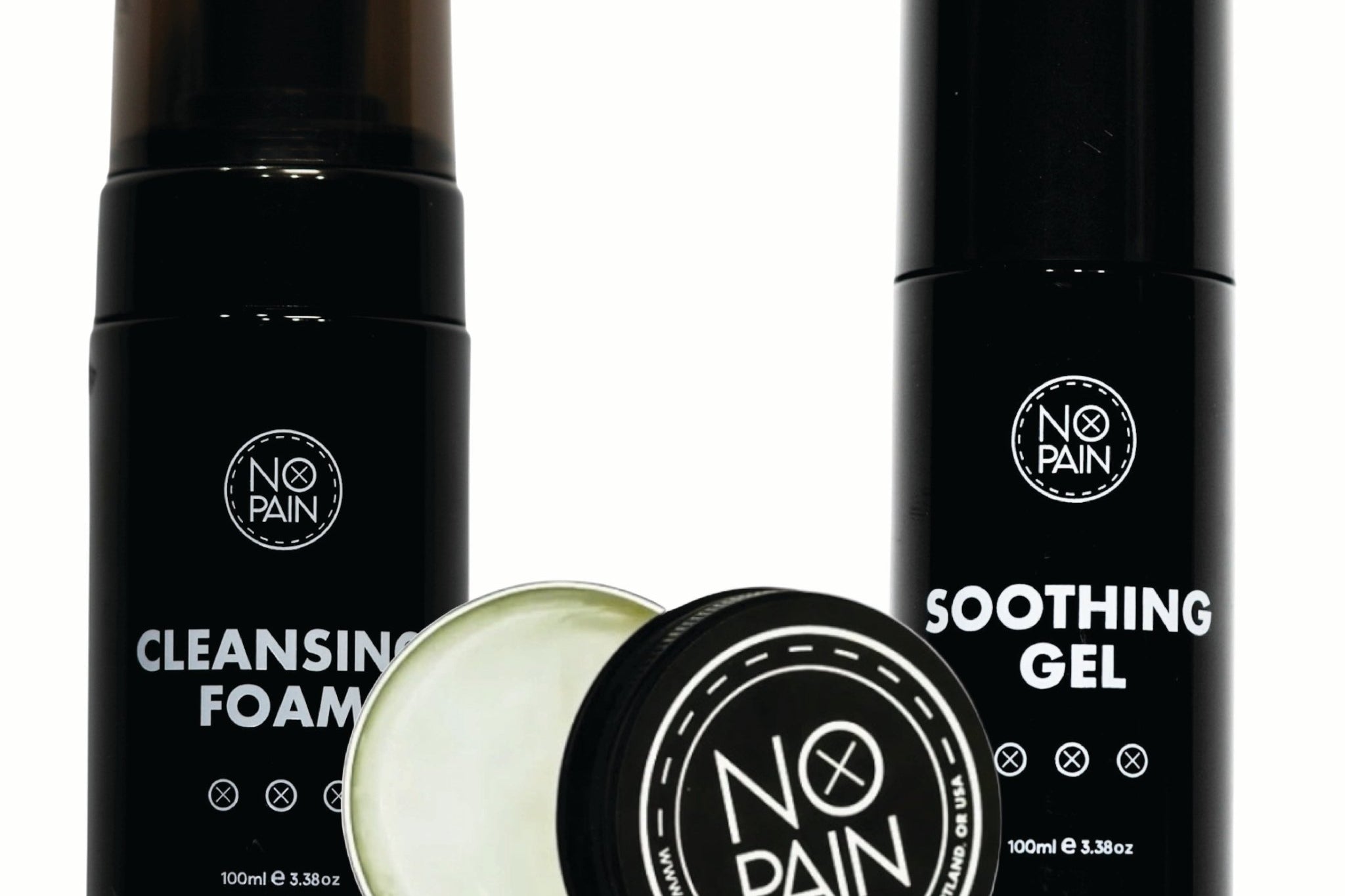
Cleansing foam, soothing gel, and aftercare balm in one kit. The right product for each stage of healing, from day one through the final weeks.
Shop the Aftercare Bundle →Formulated at Historic Tattoo in Portland, Oregon. 100% money-back guarantee.