


Talking about money with a tattoo artist can feel uncomfortable, especially when you like their work and are worried that mentioning a budget will change how they treat you as a client. It does not have to be awkward. Artists deal with budget conversations constantly, and the ones who have been tattooing for years are well-practiced at working within financial constraints. The key is framing the conversation correctly — as a creative parameter, not a request for a discount.
In this article
- When to bring it up
- How to frame the conversation
- What can change to fit a budget
- What should not change
- The phased approach for larger pieces
- What not to say
- Frequently asked questions
When to Bring It Up
Before the artist starts designing — ideally in your initial inquiry or at the very start of the consultation. If you wait until they have presented a finished design and then introduce a budget constraint, you are asking them to redesign something they have already spent time on. That is frustrating for the artist and puts you in an awkward position.
Mentioning your budget in your first message is perfectly acceptable and entirely professional: "I am working with a budget of around $400 to $500 for this appointment." That gives the artist a framework to design within from the start rather than after the fact.
How to Frame the Conversation
The most useful framing is a question rather than a constraint: "What can I get in this budget?" rather than "Can you do it for this price?"
The first version invites collaboration. The artist can tell you what is achievable, suggest design adjustments that fit the range, or propose doing the piece in phases. The second version asks them to reduce the value of their time, which creates a very different dynamic.
Leading with what you love about their work also helps. If you have been following their portfolio, say so. An artist who knows you genuinely want their style — not just a lower quote from anyone who will take the job — is more invested in finding a solution that works for both of you.
What Can Change to Fit a Budget
Size. The simplest and most impactful lever. A design that costs $800 at six inches might be achievable at four inches for $500. Some detail may be lost at a smaller scale, but the core concept usually survives a size reduction cleanly.
Color vs. black and grey. Color work takes longer than equivalent black and grey work. If the piece you want exists in either format and budget is a constraint, a black and grey version of the same design is often more affordable.
Detail level. A design with intricate background elements, heavy shading, and fine linework takes longer than a simpler version of the same subject. Simplifying the background, reducing the number of elements, or removing complex details can bring the scope — and the price — down without losing the heart of the design.
Session scope. You do not have to get everything in one appointment. A piece that would cost $1,200 all at once can be broken into two sessions at $600 each, with a deposit for each. The artist gets paid fairly for their time, and you work within what your budget allows on a given date.
What Should Not Change
The artist's rate. Asking an artist to lower their hourly rate because your budget is tight is different from asking what they can design within your budget. The first is asking them to devalue their work. The second is asking them to help you work within a real constraint. Those are not the same thing, and most artists will respond very differently to each.
The tip. Whatever the design ends up costing, tip 15 to 20 percent on top. If a tight budget makes tipping feel impossible, that is a signal the appointment should wait until you can absorb the full cost including the tip. Artists see a large share of the session price go to the studio — the tip is a meaningful part of what they take home.
The Phased Approach for Larger Pieces
If the piece you want is larger than your current budget can cover in one session, ask your artist whether they would be open to working on it across multiple appointments. Many artists are happy to do this, especially for clients they enjoy working with and for designs that lend themselves to being built in stages.
A sleeve, for example, might begin with a single focal piece in one session, add filler elements in subsequent sessions, and complete the background fill over additional appointments. Each session gets its own deposit, and you pay the session balance at the end of each appointment. The piece grows over time at a pace your budget can support.
This approach also gives you the advantage of seeing the work evolve and confirming the direction before committing to the full piece.
What Not to Say
Do not price-shop in the consultation room. Saying "I got a lower quote from another artist" in the middle of a consultation signals that price is your primary driver. If you want to understand whether an artist's rate is aligned with your budget, ask before the consultation, not during it.
Do not ask for a discount or a "deal." Budget transparency is welcome. Asking for a discount on a quoted price is not the same thing. If the quote is over your budget, ask what can be adjusted in the design — not whether the artist can reduce their rate for you specifically.
Do not say you are "flexible" and then reveal a fixed number at the end. If you have a specific number in mind, share it. Flexibility that does not exist wastes the artist's time on a design that will not work for you financially.
Make the Most of the Session You Book
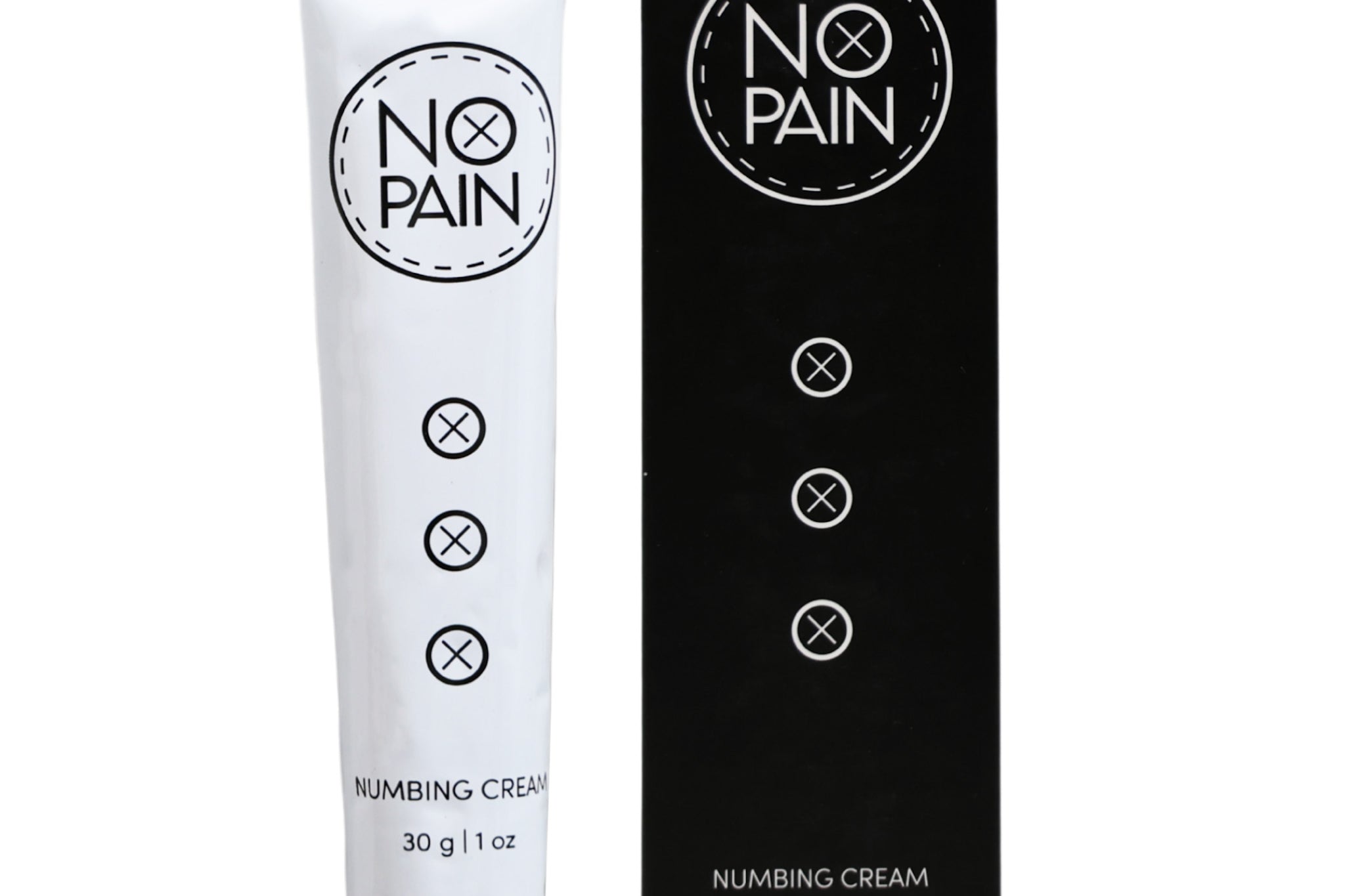
Whatever your budget, numbing cream helps you sit longer and more comfortably — letting your artist do their best work in the time you have. The Comfort Bundle covers the full session.
Shop the Comfort Bundle →Formulated at Historic Tattoo in Portland, Oregon. 100% money-back guarantee.
Frequently asked questions
Is it rude to tell an artist your budget?
Not at all. It is professional. Artists would rather know your budget upfront than design a piece you cannot afford and have to rework or scale down after the fact. Clear financial expectations save time for both of you.
What if the artist's minimum is already over my budget?
Every studio has a shop minimum — a floor price below which they do not take appointments. If that minimum is above what you have to spend, this artist may not be the right fit at this time. You can either adjust your budget by saving more before booking, look for flash events where this artist's work might be available at a set price, or find an artist whose rate fits your current range. Do not try to negotiate below the minimum.
Can I ask for an estimate before the consultation?
Yes, and it is often a good idea. Share the concept, size, placement, and budget range in your initial inquiry and ask whether the artist thinks it is achievable in that range before scheduling a full consultation. This filters out mismatches early and saves everyone time.
What if I book at one budget and the piece ends up costing more?
This happens when a piece takes longer than expected. Your artist should communicate as the session progresses if the piece is running over the estimated time and cost. If you reach your budget before the piece is finished, it is reasonable to schedule a second session for the remaining work rather than continuing past what you can pay for that day.
Should I mention my budget if it is on the lower end for what I want?
Yes — and be honest about it. An artist can tell you clearly whether your budget is realistic for the design you have in mind, and can suggest alternatives if it is not. What does not help is vagueness about what you can spend followed by sticker shock at the quote. The conversation will go better when the artist has accurate information from the start.
Is it okay to save up and book with a specific artist instead of finding someone cheaper?
Completely. Waiting a few months to book the artist you actually want is a reasonable approach to the same problem. Good tattoos last for decades — taking the time to save for the right artist is almost always the better long-term decision than booking someone whose rate fits your current budget but whose work does not.