


What Does It Mean to "Sit Like a Rock" During a Tattoo?
In the tattoo world, "sitting like a rock" means staying completely still through the entire session: no flinching, shifting, tensing, or pulling away, no matter how the pain builds. Artists use this phrase as shorthand for the ideal client: someone whose body stays predictable and controlled so the artist can focus entirely on the work.
This guide explains what that actually takes, why it matters more than most people expect, and the practical strategies that help you get there.
Why Stillness Matters More Than You Think
Most people understand in theory that moving during a tattoo is bad. The reality is more specific than that.
A tattoo machine deposits ink at a precise depth in the skin. The artist is constantly making micro-adjustments: varying pressure, angle, and speed to control line weight, shading density, and color saturation. Every one of those adjustments is calibrated to your skin being exactly where the artist expects it to be.
When you shift position, even slightly, the relationship between the needle and your skin changes. A line that was tracking smoothly can wobble. A circle that was coming together can close unevenly. A shading pass that was building the right gradient can produce a hot spot. The artist catches some of these in the moment and corrects them. Others they cannot.
The finer the work, the more this matters. Bold traditional lines have some forgiveness. Fine line work, geometric patterns, and portrait realism have almost none. A single flinch at the wrong moment in a geometric sleeve can introduce an asymmetry that is visible in the finished piece.
What Actually Breaks Stillness
Most movement during a session is not a conscious decision. Understanding what causes it helps you prevent it.
Involuntary flinching. The body has a withdrawal reflex that activates when it detects pain or unexpected sensation. This happens below the level of conscious control. When the needle hits a particularly sensitive spot, the limb or body part being worked on can pull away before your brain has processed the sensation. This is the hardest movement to manage because it happens faster than thought.
Tension buildup. As pain accumulates over a session, the body responds by bracing. Muscles tighten. Shoulders rise. Hands grip. Jaw clenches. This gradual stiffening does not look like movement, but it changes the position and firmness of the skin being worked on. It also accelerates fatigue, which makes the session harder to finish.
Breathing-induced movement. The chest and abdomen move with every breath. For placements on the torso, ribs, or sides, breathing is a constant source of micro-movement. Shallow chest breathing amplifies this. Slow, deep, controlled breathing reduces it.
Distraction and readjustment. Looking at what the artist is doing, trying to get comfortable mid-session, checking your phone, or reacting to something in the room can all prompt position changes that disrupt the work.
The Breathing Technique That Works
Controlled breathing is the single most effective technique for managing both pain and movement during a tattoo session. The approach used by athletes in high-stress situations translates directly to the tattoo chair.
Breathe in slowly through the nose for a count of four. Hold briefly. Exhale slowly through the mouth for a count of six or eight. The extended exhale activates the parasympathetic nervous system, which counters the stress response and reduces the perception of pain.
The rhythm also gives you something to focus on. When pain spikes, the instinct is to hold your breath or gasp. Both responses increase tension. Returning to the breath count overrides that instinct and keeps the body from bracing.
For torso and rib placements, the artist times their passes to your breathing. Establish a consistent breathing pattern early in the session and stick to it. An artist who can predict when you are exhaling can adjust their work accordingly.
The Mental Approach
The people who sit best during long or difficult sessions share a specific mental approach. They do not try to ignore the pain or pretend it is not happening. They observe it without reacting to it.
Pain during a tattoo session is temporary and controlled. The artist is not hurting you in an unsafe way. Nothing is going wrong. Framing the sensation as information rather than threat removes much of the urgency that drives the flinch response.
Some clients find it useful to pick a fixed point to look at and keep their attention there. Others listen to music or a podcast that gives the mind something to process. What matters is having a chosen focus rather than allowing attention to fixate on the sensation itself.
Long sessions benefit from breaking the time mentally into smaller units. Instead of thinking about the hours remaining, focus on the next ten minutes. When that passes, focus on the next ten. This prevents the psychological fatigue that comes from confronting the full duration of a difficult session.
Pain Management Helps You Stay Still
Reducing the intensity of the sensation before it becomes overwhelming is the most reliable way to stay still. This is not about avoiding discomfort entirely. It is about managing the signal your body receives so the flinch reflex has less to respond to.

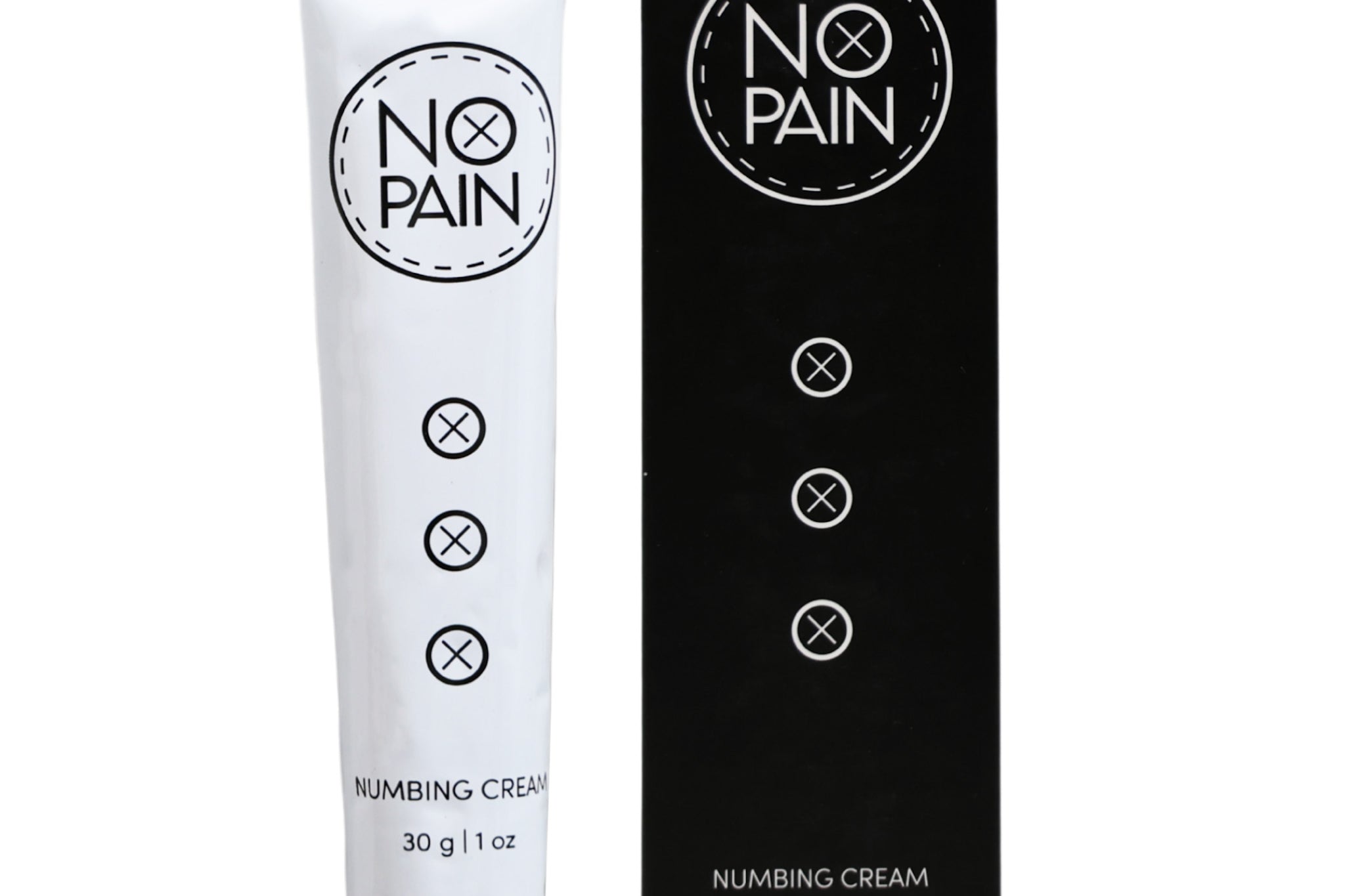
Numbing cream applied before the session reduces the intensity of sensation during the first portion of the work. For clients who struggle with the flinch reflex (particularly on bony or highly sensitive placements), this gives the body a lower baseline to manage. The breathing and mental techniques work better when the pain signal is not at its maximum from the first pass.
Physical preparation also matters: eat a full meal before your session, stay hydrated, and get adequate sleep the night before. Low blood sugar amplifies pain perception and reduces the body's ability to regulate stress. Arriving physically depleted makes stillness harder to maintain.
What to Do When You Need to Move
Every client needs to adjust position at some point in a long session. The difference between clients who sit well and those who do not is not that the former never need a break. It is how they handle the need for one.
Communicate before you move. Tell your artist you need a moment. Give them time to lift the machine and secure their position. Then move. This prevents the artist from being mid-stroke when your body shifts.
Ask for a break rather than adjusting incrementally while work continues. Small repositioning during a session often introduces more disruption than a clean pause. Most artists prefer a clear stop to a client who is slowly drifting out of position.
If you feel a flinch coming: a pain spike building before the withdrawal reflex fires: warn your artist immediately. They can pause, let the spike subside, and resume when you are settled.
Make Recovery as Easy as the Session
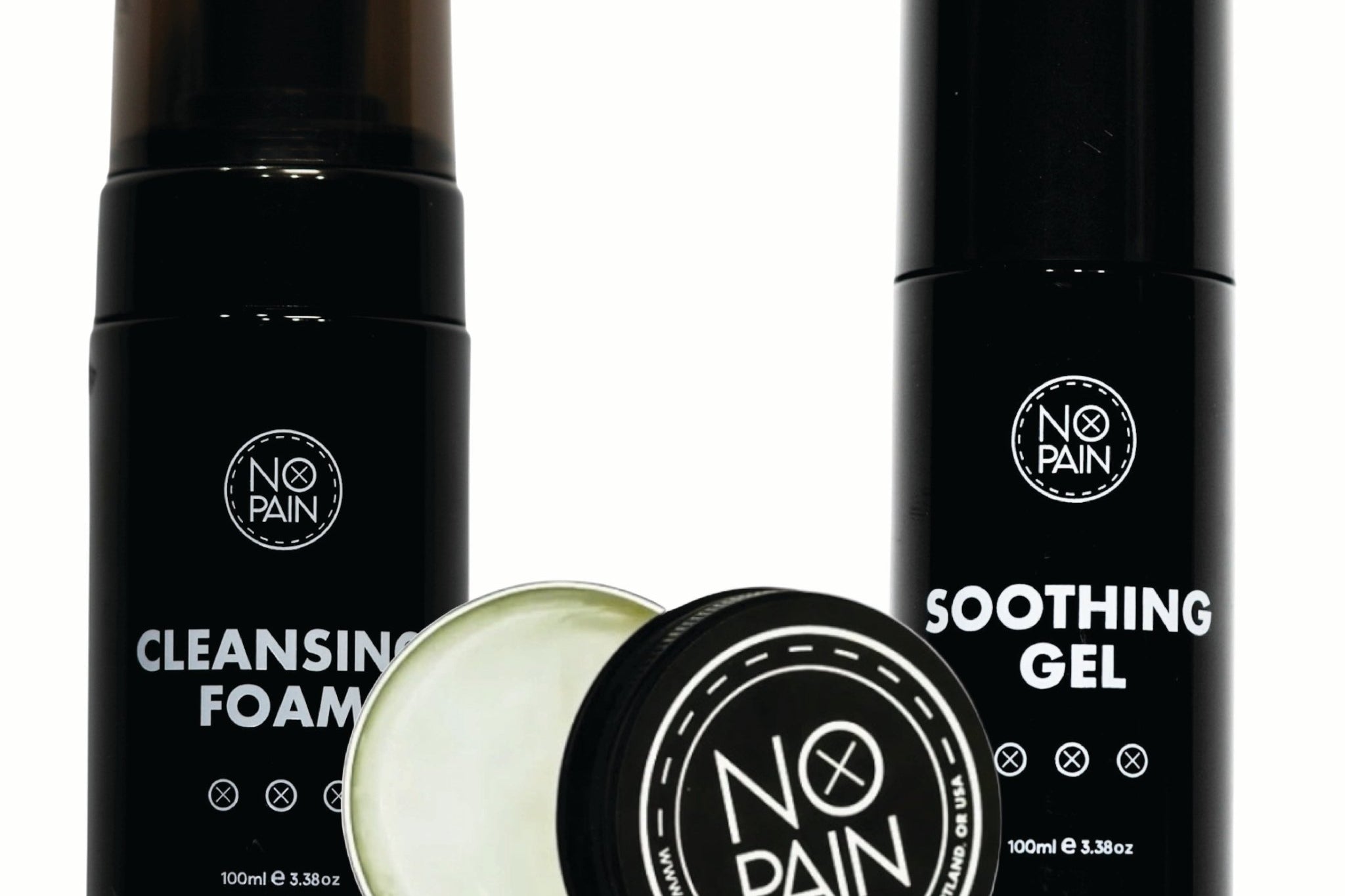
The Aftercare Bundle gives you everything for the full heal: soothing gel for the first three days, nourishing balm from day three onward.
Shop Aftercare Bundle →Frequently Asked Questions
What does it mean to "sit like a rock" during a tattoo?
It means staying completely still for the entire session, without flinching, shifting, or tensing, regardless of how the pain builds. Artists use this phrase to describe the ideal client: someone whose body remains predictable so the artist can focus on precision rather than compensating for movement. It is considered a mark of respect for the artist and the process.
Does everyone flinch during tattoos?
Most people experience involuntary movement at some point during a session, especially on sensitive or bony placements. The flinch reflex operates below conscious control. What separates clients who sit well from those who do not is preparation: managed pain levels, controlled breathing, and mental techniques that reduce how strongly the nervous system responds to the sensation.
Can numbing cream help you stay still?
Yes. Numbing cream reduces the intensity of the pain signal the body receives. A lower-intensity signal produces a weaker flinch response. This is particularly useful for placements near bone or in areas with high nerve density, where the involuntary withdrawal reflex is hardest to suppress through willpower alone.
What should I do if I feel like I cannot stay still?
Tell your artist immediately and ask for a break. Do not try to manage through a flinch mid-stroke. A clean pause is far less disruptive than moving while work is in progress. Most artists would rather stop and reset than continue while a client is struggling. There is no shame in needing breaks, particularly in long sessions or difficult placements.
Does breathing technique actually help during a tattoo?
Yes, and it is one of the most consistently effective tools available. Slow, extended exhales activate the parasympathetic nervous system and reduce the perception of pain. The breathing rhythm also gives the mind a focus point, which prevents attention from fixating on the sensation itself. Artists working on the torso or ribs particularly value clients who maintain a steady breathing pattern, as it makes timing passes much easier.
How do I mentally prepare for a long or painful tattoo session?
The most effective approach is to observe the sensation without reacting to it. Pain during a tattoo session is temporary and controlled. Framing it as information rather than threat reduces the urgency that drives the flinch response. Break the session into smaller mental units rather than confronting the full duration. Bring something to listen to. Choose a fixed visual focus. Communicate openly with your artist so there are no surprises.