
The fear of tattoo pain is one of the most common reasons people put off getting work they actually want. It's understandable — you're committing to a session of repeated needle penetration, and you don't fully know what to expect. But here's what most people don't realize: how much a tattoo hurts is only partly about the placement. A significant part of the equation is how well you've prepared going into it.
This guide covers the most effective physical and mental preparation strategies, plus the one tool that can meaningfully reduce pain regardless of placement or session length.
Physical Preparation: Setting Up Your Body to Handle It
Your body's ability to tolerate pain is directly affected by its baseline condition on the day of the appointment. The good news is that you have real control over this.
Sleep matters more than most people expect. Pain tolerance drops significantly when you're tired. Getting a full, uninterrupted night of sleep before your session is one of the simplest and most impactful things you can do. If you're running on five hours because you were anxious the night before, you will feel the tattoo more than you would have otherwise.
Eat a solid meal one to two hours before you go in. Something substantial with protein and complex carbohydrates — not a small snack, a real meal. Your blood sugar needs to be stable for the duration of the session. Low blood sugar during tattooing is what causes people to feel dizzy, lightheaded, or faint, especially in longer sessions. Bring a snack for anything over two hours.
Stay well-hydrated in the days leading up to your appointment. Well-hydrated skin is healthier, more elastic, and generally easier to tattoo — and it heals better afterward. Avoid alcohol for at least 24 hours beforehand. It thins your blood, which increases bleeding and can heighten sensitivity. Limit caffeine on the day of the appointment for the same reason.
Mental Preparation: The Role Your Mind Plays
Your perception of pain is shaped heavily by your mental state. Anxiety, tension, and anticipatory fear all amplify the experience. Going in calm and informed genuinely makes a difference.
The most useful thing you can do is get specific about what the sensation actually feels like. The most common description is a hot, vibrating scratch — an intense surface sensation that varies in sharpness depending on the area being worked. It is not a stabbing pain. It is not unbearable for the vast majority of people. Knowing this removes the fear of the unknown, which is often the worst part of the whole experience.
Breathing is your best real-time tool. When pain spikes, the instinct is to tense up and hold your breath — this actually makes things worse by increasing muscle tension and restricting oxygen flow. Instead, practice slow, deliberate breathing: four counts in, four counts out. It gives your brain something to focus on and keeps your body in a more relaxed state, which measurably reduces pain intensity.
Bring a distraction. A podcast, an audiobook, music you love, a downloaded show — anything that puts your attention somewhere other than what's happening on your skin. The brain can only process a limited amount of incoming information at once, and a good distraction is a legitimate pain management tool.
The Most Effective Tool: Numbing Cream
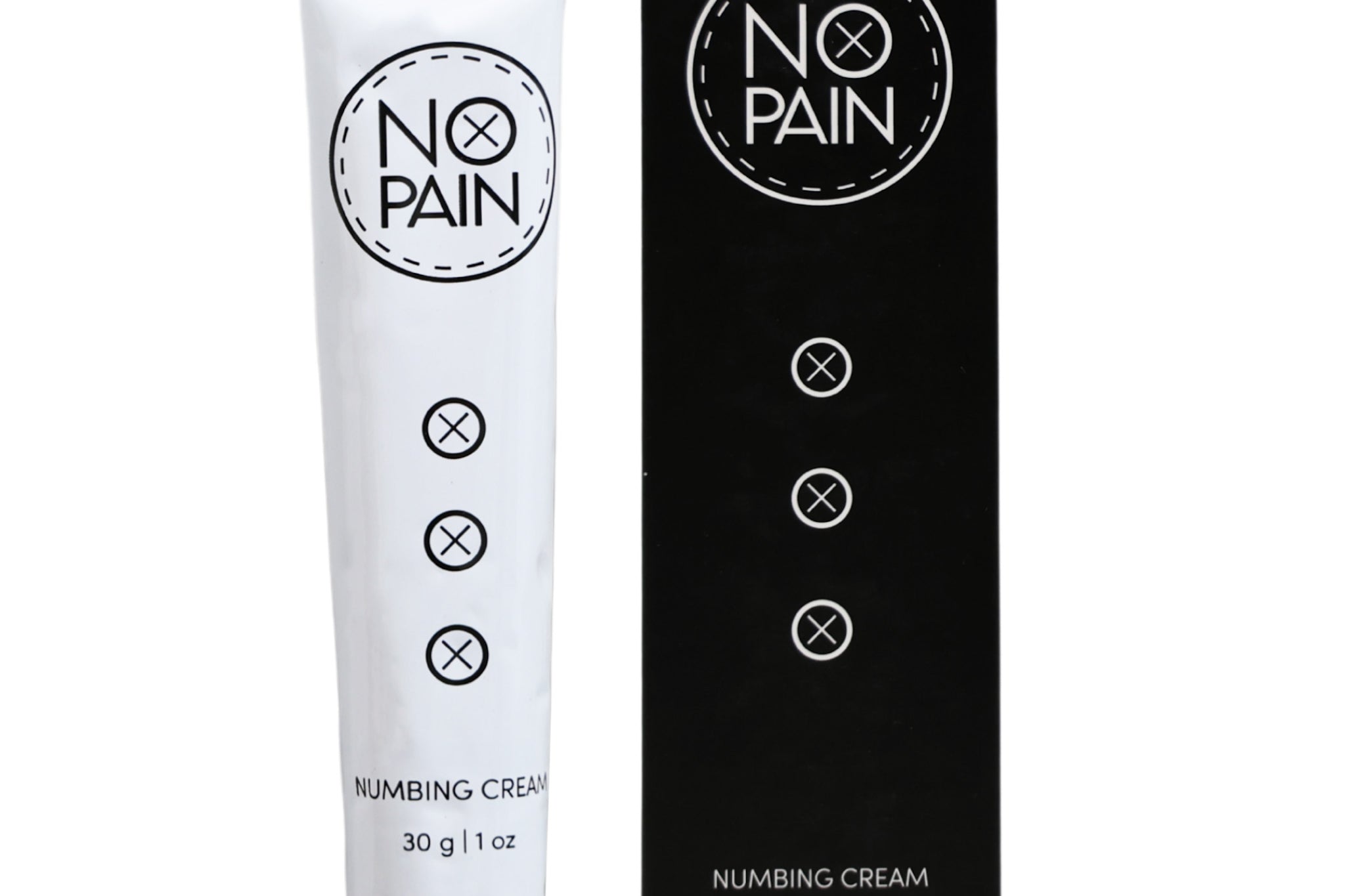
All of the above will help. But if you want to go into your session knowing that the pain is being managed at the skin level, a professional-grade topical numbing cream is the most direct solution available. No Pain Tattoo Numbing Cream works by blocking pain signals at the nerve endings in the skin. Applied 60 to 90 minutes before the session begins, it reduces the sharp, biting edge of the sensation to something much more manageable — most people describe what remains as a dull pressure rather than pain.
Using numbing cream doesn't mean the tattoo means less to you. It means you made a practical decision that lets you sit more comfortably, stay stiller for your artist, and potentially get more work done in a single session. Those are good outcomes for everyone.
The combination of physical preparation, a calm mindset, and effective numbing is as close to a guaranteed comfortable session as you can get. Set yourself up properly, and there's no reason to walk in afraid.