


Knuckle tattoos sit right on the edge of what's worth doing. They're one of the most visible placements on your body, they're genuinely painful, and they fade faster than almost anywhere else. None of that means they're a bad idea—but it means you should go in with clear eyes about what you're signing up for.
The case for knuckle tattoos
Visibility is the main draw. Your hands are in front of you—and in front of everyone you meet—all day. For people who want their tattoos seen rather than revealed, knuckles deliver in a way that almost no other placement does. The design options are also well-established: eight-letter words across all knuckles, four-letter words on a single hand, symbols, and imagery have all been refined over decades of tattoo history into formats that genuinely work. A skilled artist knows exactly how to use the space.
Knuckle tattoos also tend to age into something that looks intentional. As they soften and spread slightly over years, the slightly worn look often enhances rather than detracts—especially in traditional or bold styles that are built for that kind of aging.
The real downsides
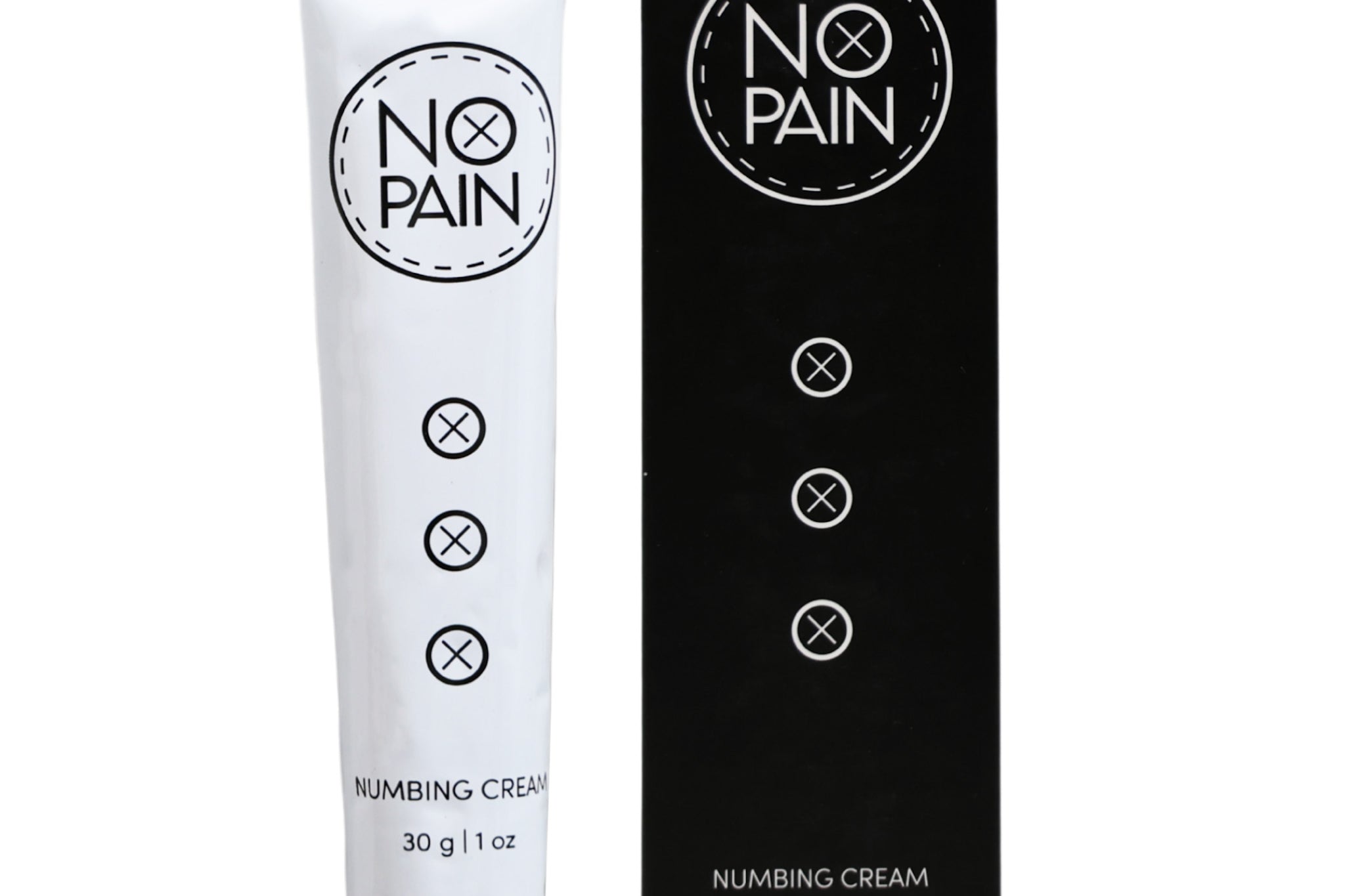
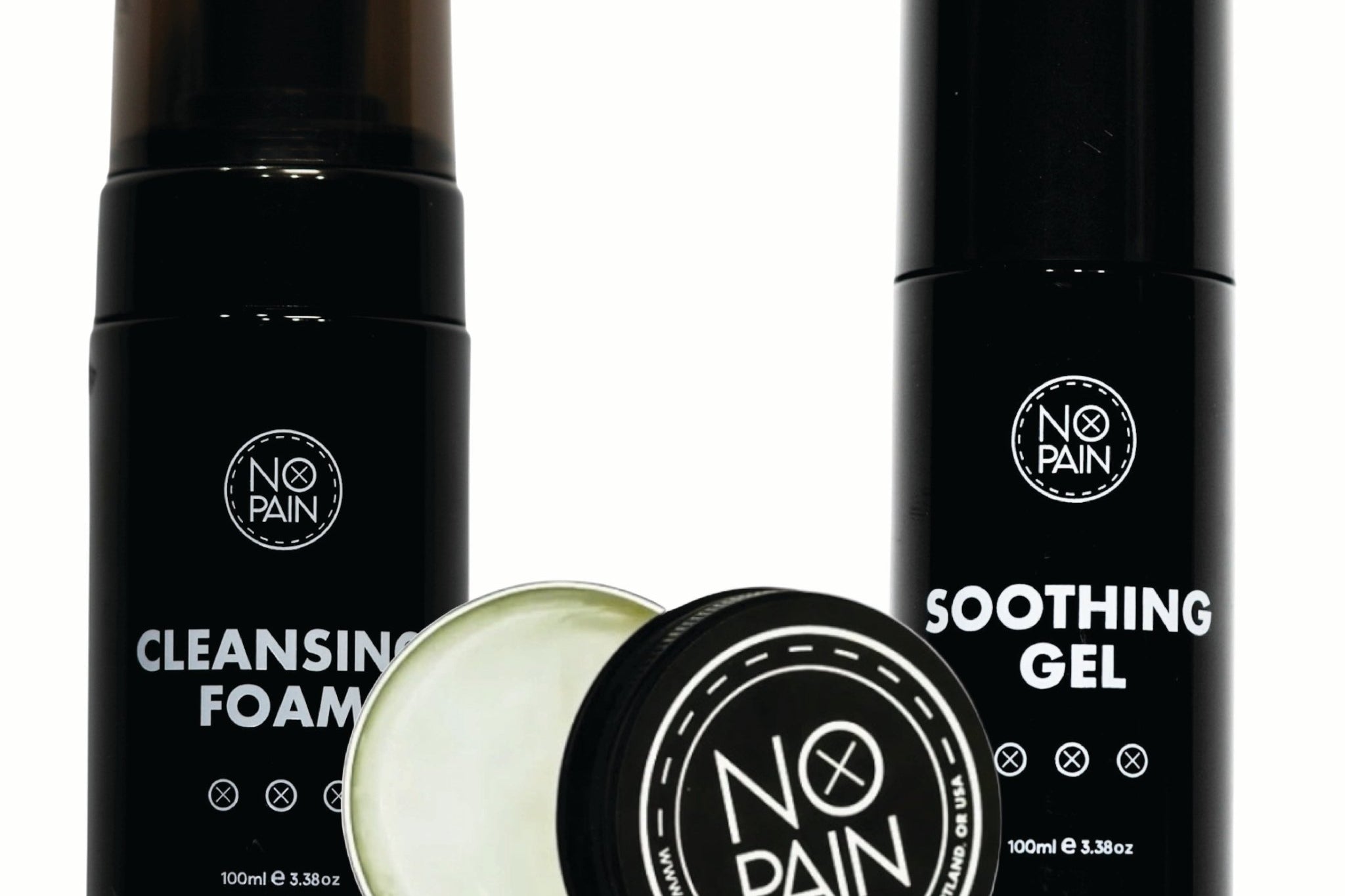
Pain is significant. The skin over the knuckles sits directly on bone with very little tissue in between, and the machine vibration transmits into the joints in a way that's hard to describe but hard to ignore. Unlike many painful placements, the discomfort from knuckles tends to persist through the session rather than becoming easier to manage. Applying No Pain Tattoo Numbing Cream to the area an hour before the session and wrapping with cling film can take the edge off meaningfully, especially for those getting multiple knuckles done in one sitting.
Fading is the other honest conversation to have. Hands are washed constantly, exposed to sun, friction, and chemicals more than virtually any other part of the body. Most knuckle tattoos need a touch-up within two to three years, and some need them sooner. This isn't a defect—it's the nature of the placement—but if you're budgeting for a knuckle tattoo, factor in maintenance costs as part of the total.
Job and life considerations
This used to be a bigger barrier than it is today. Attitudes toward visible tattoos in workplaces have shifted substantially, but they haven't shifted uniformly. Client-facing roles in conservative industries—law, finance, certain healthcare settings—may still present friction. Worth thinking about honestly rather than dismissing the concern entirely. If you're in a career where this matters, it matters. If you're not, or you've assessed it and it doesn't affect you, that's a legitimate position too.
The key question is whether you've thought about it rather than assumed it away. People whose careers or daily life genuinely aren't affected by visible hand tattoos often look back and realize the concern was overblown. People who didn't think it through sometimes end up in a different situation.
Design choices that work (and ones that don't)
Bold lines hold up. Fine line work on knuckles fades quickly and can blur into illegibility within a few years. Traditional lettering, solid symbols, and clean geometric shapes are the styles that age best in this placement. If your artist is recommending against fine line on your knuckles, take that seriously—they're not being conservative, they're protecting the integrity of the work.
Single-hand four-letter words are the most common format and for good reason: the proportions work well, artists have decades of experience executing them, and the design reads clearly at a glance. Eight-letter words across both hands work too, but they require more commitment and planning to ensure both hands complete at roughly the same time, since the two sides of your body can heal differently.
Finding the right artist
Not all artists are comfortable with knuckles—some prefer not to work on hands at all. This is usually because they want to protect their reputation and the quality of their work, since hands are difficult canvases that require specific experience. Seek out an artist who has a portfolio showing healed knuckle work rather than just fresh photos. Fresh knuckle tattoos photograph beautifully. It's the healed results that reveal whether an artist understands how to work this placement.
Ask specifically about their approach to the placement, their recommended touch-up timeline, and what aftercare they suggest. Those conversations tell you quickly whether you're working with someone who's done this many times or who's treating it like any other spot.