


A custom sleeve is the most ambitious project most tattoo clients will ever undertake. It's not a single tattoo — it's a collaboration that unfolds across multiple sessions, potentially over a year or more, producing a unified, large-scale work that moves with your body and tells a cohesive visual story. Getting it right requires more planning, more patience, and a different kind of relationship with your artist than any other tattoo you've had.
Here's how to approach it well.
Start With a Vision, Not a Wishlist
The most common mistake clients make at the beginning of a sleeve project is bringing a collection of images they like rather than a vision they want to inhabit. Individual reference images are useful, but a sleeve needs a unifying logic — a theme, a style, a mood, or a narrative thread that gives the artist something to build around.
Start by deciding on style. A sleeve reads best when it stays within a consistent aesthetic: Japanese traditional, American traditional, black and grey realism, neo-traditional, fine-line illustrative, and so on. A mix of incompatible styles creates visual noise rather than a flowing composition. Your references should primarily be examples of the style you want, not just imagery you find appealing.
Then think about theme. This doesn't have to be literal — some of the best sleeves are purely abstract or atmospheric — but there should be a reason the elements belong together. Botanical, mythological, nautical, illustrative portraiture, dark surrealism: whatever the thread is, your artist will use it to make design decisions that create coherence across the whole arm.
Choose Your Artist as a Long-Term Partner
This is the most important decision of the entire project. You will spend many hours with this person and trust them with a permanent, large-scale work. Style match is essential — find an artist whose portfolio is dominated by the style you want, not just someone who says they can do it. Look specifically for healed sleeve work, not just fresh pieces. Fresh tattoos always look good; healed sleeves show you whether an artist's work holds up over time and whether they understand how to compose large-scale pieces that age well.
The consultation is where you assess the relationship. Come with your vision, your references, and real questions: how do they typically approach sleeve composition? What's their timeline? What's their rate, and do they require session deposits? Are they open to input throughout the process, or do they prefer to work more independently? A good fit feels like creative alignment, not just a transaction.
Trust the Process During Design
Once you're working with an artist you trust, let them lead the composition. Your anatomy is unique — the curvature of your arm, the proportions of your forearm versus your upper arm, the way certain areas move — and an experienced sleeve artist understands how to design around these variables in a way you can't fully anticipate from reference images alone.
Communicate your priorities clearly: which elements are non-negotiable, which are flexible. Then be genuinely open to the artist's expertise on placement, sizing, and flow. The clients who end up happiest with their sleeves are the ones who provided clear creative direction and then trusted the artist to execute it with professional judgment.
Managing the Long Sessions
A full sleeve typically requires 40 or more hours of tattooing. Sessions are usually long — three to six hours — and some areas of the arm, particularly the inner bicep, elbow ditch, and wrist, are genuinely challenging to sit through. Your ability to remain still matters: a client who can't hold still after the third hour of inner bicep work is limiting what the artist can accomplish.
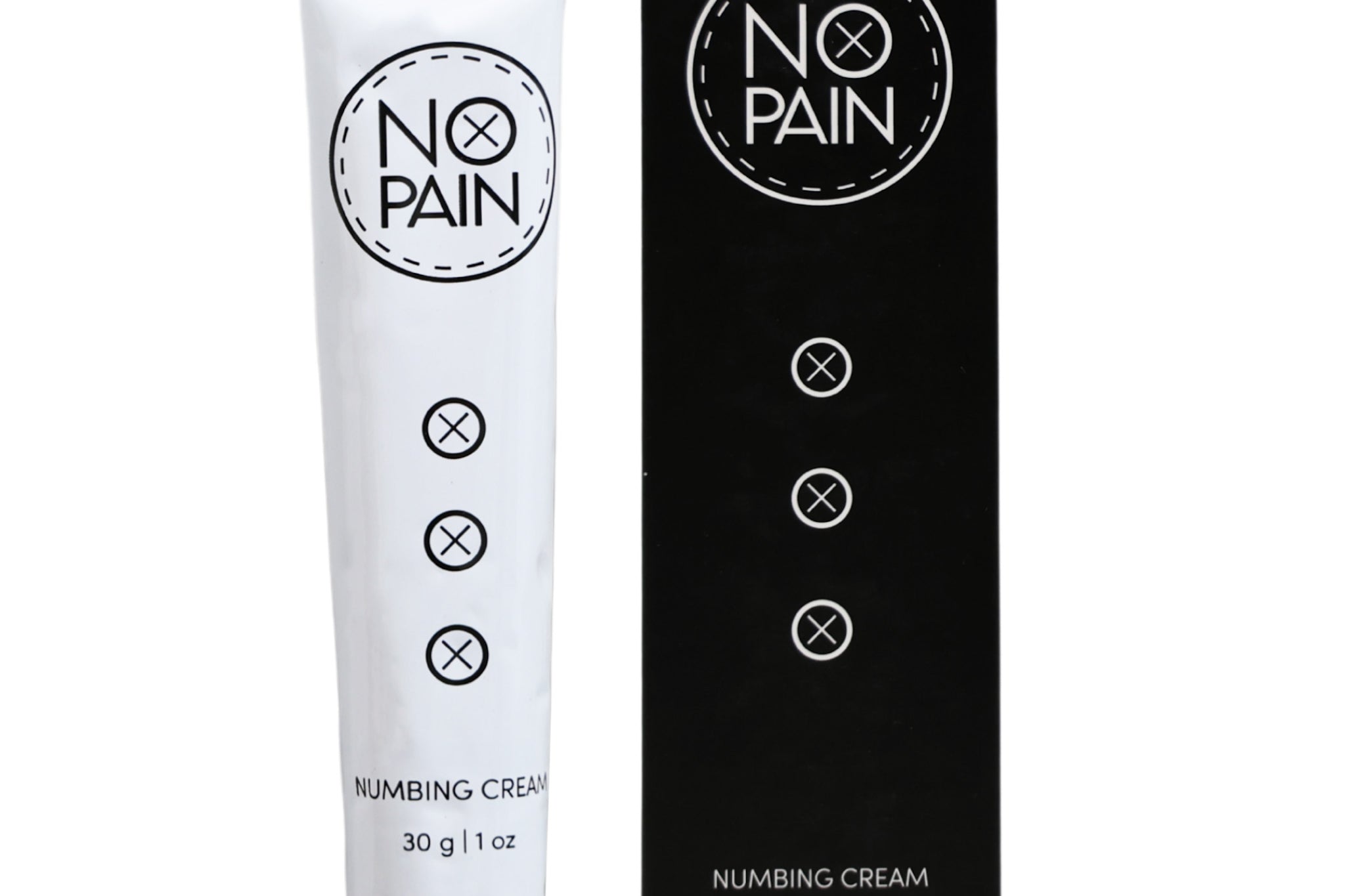
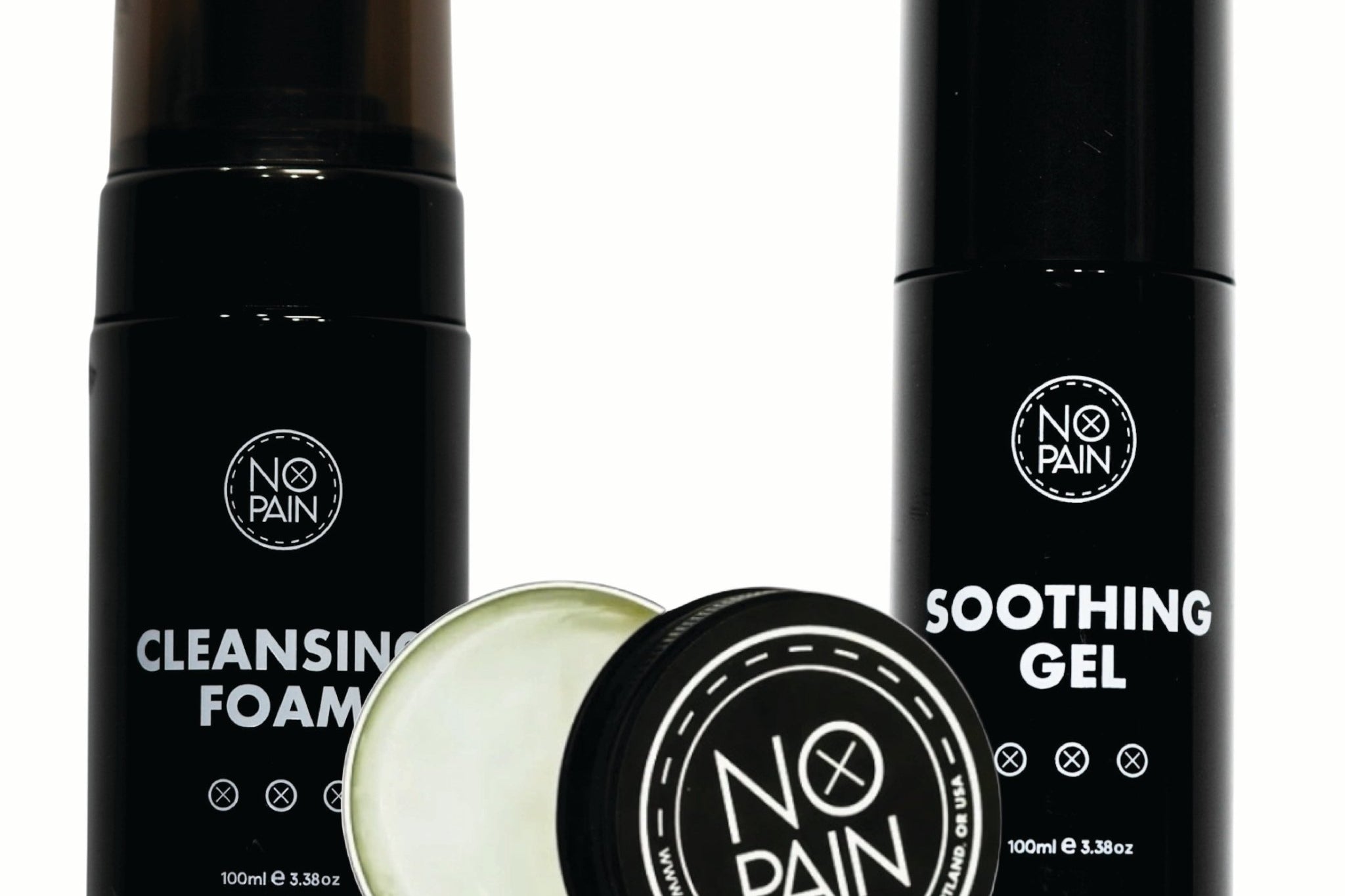
A topical numbing cream applied before each session is a practical tool for a project of this scale. No Pain Tattoo Numbing Cream significantly reduces the intensity of the most painful areas, letting you stay comfortable and still for longer — which directly benefits the quality of the work. For a multi-year project involving dozens of sessions, managing the pain experience thoughtfully isn't weakness; it's commitment to the outcome.
Aftercare as an Ongoing Responsibility
After each session, you have a large, fresh tattoo that needs proper care before the next session can build on it. Inconsistent aftercare during a sleeve project doesn't just affect the section you just got — it can compromise the foundation that future sessions depend on. Treat every healing phase with the same seriousness as the first, and your finished sleeve will show it.