

Most of what makes a tattoo session hard comes down to preparation, or the lack of it. Show up depleted, hungry, or with cream on for 30 minutes, and you'll feel everything. Show up rested, fueled, and properly numbed, and the same placement on the same artist feels like a different experience entirely.
This guide covers everything you need to do: the day before, the morning of, at the studio, and after you get home. The order matters, so read it front to back before your appointment.
In this article
- The day before your appointment
- The morning of
- How to apply numbing cream (the most important step)
- In the chair
- Managing longer sessions
- After your session
- Frequently asked questions
The Day Before Your Appointment
What you do 24 hours out has more impact on how your session goes than most people expect.
Skip the alcohol. Alcohol thins your blood, which means more bleeding during the session. Your artist will be wiping constantly rather than working. It also disrupts sleep and increases inflammation in the skin. Stop drinking at least 24 to 48 hours before your appointment, not just the night before.
Get a full night of sleep. Pain tolerance drops noticeably when you're tired. A well-rested body handles the sensation of tattooing much more easily than a run-down one. Eight hours is the target. If you're anxious about the appointment, keep the lights low in the evening and put your phone down early.
Hydrate properly. Drink water all day. Hydrated skin is more supple, accepts ink more cleanly, and tends to require less passes from the artist to saturate it. That's less time under the needle, and it matters.
Moisturize the area. If your skin is dry or flaky, apply an unscented moisturizer to the tattoo area the evening before. Don't apply it the morning of; you want clean, dry skin when the numbing cream goes on. But prepped skin the day before absorbs the cream more evenly the next morning.
Avoid blood thinners. Beyond alcohol, aspirin and ibuprofen thin the blood. If you're managing pain before a session, choose paracetamol (acetaminophen) instead. Skip your morning coffee too; caffeine increases circulation and can heighten skin sensitivity.
Do your spot test. If you're using numbing cream for the first time, apply a small amount to the inner elbow at least 24 hours before your session. Watch for unusual redness, swelling, or irritation. Mild warmth is normal. Anything more significant means don't use it for a full application.
The Morning Of
Eat a proper meal. Not a snack. A real meal, about one to two hours before your session. Keep your blood sugar stable and you'll stay steadier in the chair. Artists deal with clients who get lightheaded or nauseous from low blood sugar more often than you'd think. A good breakfast or lunch is one of the easiest things you can do to improve your session.
Dress for access. Wear clothing that gives easy access to the tattoo area and that you don't mind getting ink on. For a leg piece, wear shorts or loose pants. For a back piece, wear something you can take off easily or a front-zip. Tight sleeves that you have to wrestle over a fresh tattoo at the end of a session are not fun.
Bring snacks and water. Pack something to eat and a water bottle. For sessions over two hours, your blood sugar will drop before you're done. A granola bar in your bag is cheaper and easier than stopping the session because you're fading.
Apply your numbing cream on time. This is the step most people get wrong. The cream needs 90 to 120 minutes to fully activate. Not 30, not 60. Apply it at home before you leave. See the full method below.
How to Apply Numbing Cream (The Most Important Step)
Numbing cream does one thing: block pain signals at the nerve endings in your skin. But it only works if it has time to penetrate deeply enough, and that takes 90 to 120 minutes under plastic wrap. A thin smear applied in the car on the way to the studio will give you about 20 minutes of surface numbing and then nothing. Do this correctly and you get two to four hours of real coverage from the moment the wrap comes off.
What you need: maximum strength numbing cream, plastic wrap (cling film), and time.
Step by step:
1. Clean and dry the area. Wash the skin you're having tattooed, dry it thoroughly. If you want to maximize absorption, wipe with an alcohol pad and let it dry completely before applying the cream.
2. Apply the first coat (thin, rubbed in). Apply a thin layer of cream and rub it in completely, like a lotion. This primes the skin and starts the absorption process.
3. Apply the second coat (thick, left on top). Apply a thick second layer (a couple of millimeters) over the same area. Do not rub this one in. Leave it sitting on the surface of the skin, like frosting. This is the reservoir that feeds absorption across the full 90 to 120 minutes.
4. Cover tightly with plastic wrap. Seal the entire area completely. The wrap keeps the cream moist and drives the lidocaine down into the skin. Any gaps mean uneven numbing. Smooth it flat and tape the edges if needed.
5. Wait. 90 minutes for a standard session. 120 minutes for a longer or more intense placement (ribs, spine, knees, anything high-pain). Don't pull it early.
6. Travel with the wrap on. Leave it in place until your artist removes it. Don't wipe it off before you leave the house.
7. Your artist removes the wrap and wipes off the cream. They begin immediately. The numbing is at full effect right now. Don't waste it with a long setup delay.

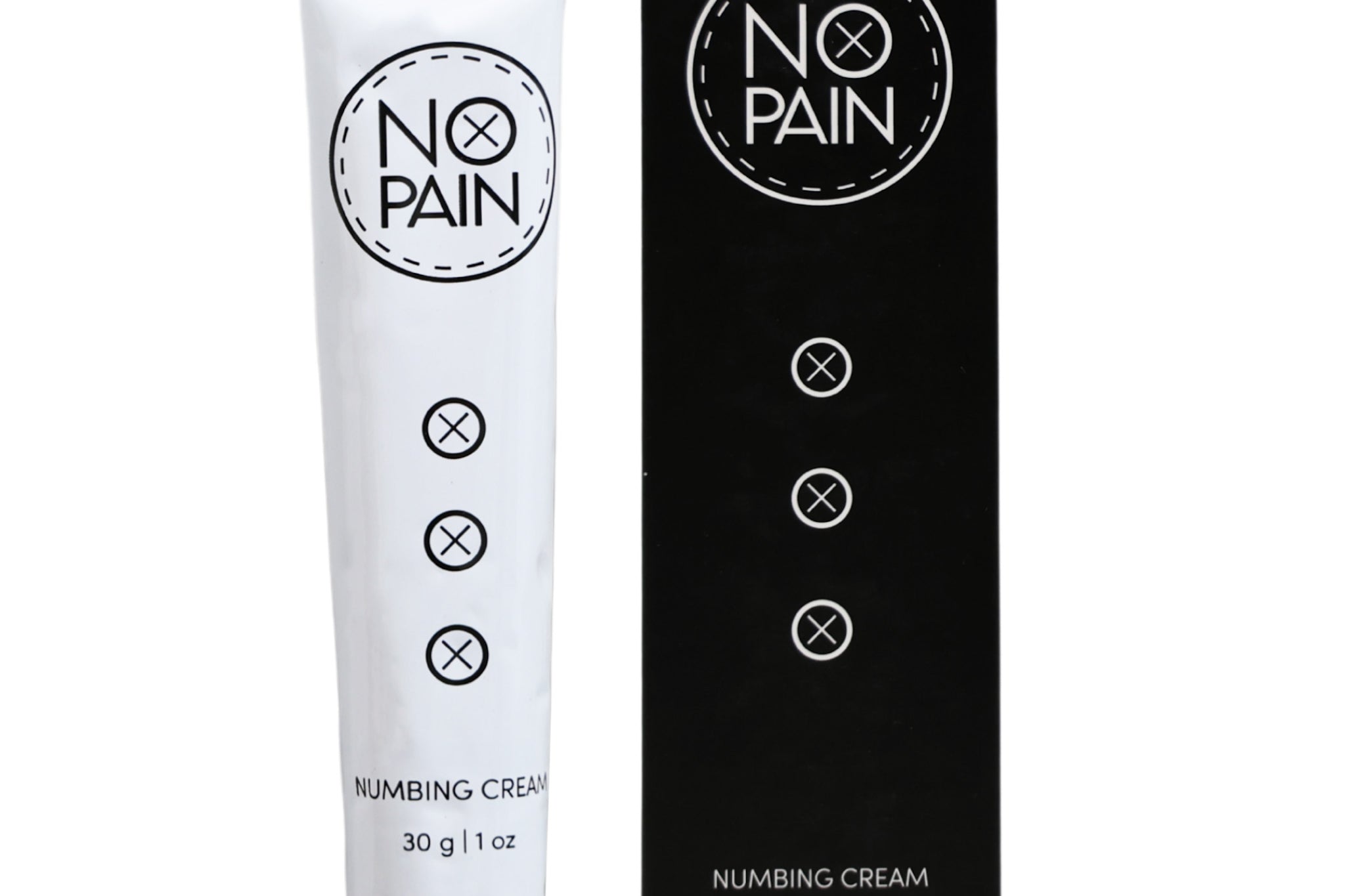
Maximum strength lidocaine in a thick, slow-absorbing base. Two to four hours of coverage from the moment the wrap comes off. Formulated at Historic Tattoo in Portland, Oregon.
In the Chair
Breathe through it. When the needle starts, focus on your breathing: in slowly through your nose, out slowly through your mouth. This engages your parasympathetic nervous system, which actively reduces the pain signal. It's not a coping technique, it's a physiological tool. Use it from the first pass.
Distract yourself properly. Don't sit in silence staring at the ceiling thinking about what's happening. Bring headphones. Put on a podcast, an audiobook, or a playlist you know well. Cognitive engagement pulls your brain away from monitoring the sensation. It works.
Communicate with your artist. Ask for breaks when you need them. Good artists would rather stop for five minutes than have a client flinching, and flinching leads to crooked lines. You're not being difficult. You're protecting the quality of the work.
Don't tense up. Relaxed muscle takes the needle better than tense muscle. Check in with yourself periodically: jaw unclenched, shoulders dropped, hand open rather than gripping the chair. When you catch yourself tensing, exhale and consciously let it go.
Stay warm. Cold makes pain worse. If the studio is cold or you're in a vulnerable position for a long time, ask for a blanket. Keeping your core temperature stable helps your body stay regulated.
Managing Longer Sessions
Pre-session numbing cream gives you two to four hours from the point the wrap comes off. For a session running past that point, the cream will start to thin and you'll begin feeling more of what's happening. That's when the numbing spray comes in.
The spray is designed for broken skin, meaning skin the needle has already been through. Your artist applies it directly to the tattooed area during a natural break, covers it with plastic wrap for 12 minutes on the first application, then wipes it off and continues. You get 20 to 30 minutes of renewed coverage per application. On subsequent top-ups within the same session, no wrap is needed. Spray and continue immediately.
For any session you're booking at two hours or longer, the Comfort Bundle is the right setup: cream applied at home for the start of the session, spray in your artist's hands for the middle and end.

Pre-session cream plus mid-session spray. Maximum strength lidocaine in both. Sit all day with the spray and cream combo. Cream handles the first two to four hours; spray tops you up on broken skin for the rest of the session.
After Your Session
A fresh tattoo feels like a bad sunburn. That's normal. The skin has been worked repeatedly and it needs time to settle. What you do in the first few hours matters for both comfort and healing.
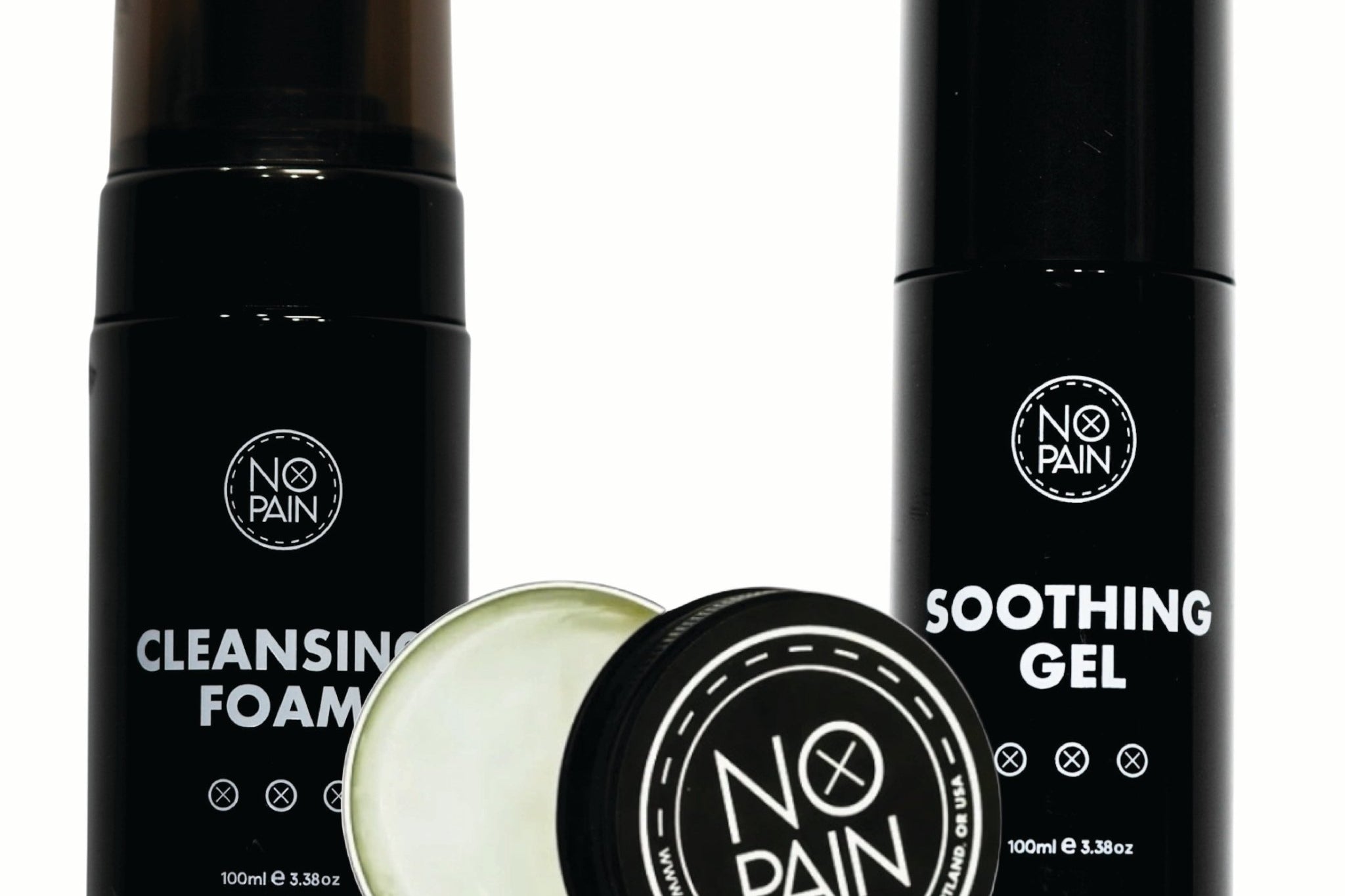
First wash. Your artist will wrap the tattoo before you leave. When you get home and remove it, wash the tattoo gently with a fragrance-free foam cleanser or mild soap, using your fingertips in soft circular motions. No scrubbing. Rinse with lukewarm water and pat dry with a clean paper towel. Never rub.
Moisturize lightly. For the first three to five days, apply a thin layer of fragrance-free, unscented moisturizer or soothing gel after washing. It reduces the inflammation that makes fresh tattoos uncomfortable and helps with high-movement areas like elbows, knees, and wrists, where skin tension slows healing.
What to avoid. No soaking: no baths, pools, or ocean swimming until the tattoo is fully healed (typically three to four weeks). No sun on the fresh tattoo. Keep it out of tight clothing that rubs across the area. Don't pick or peel anything that flakes off. Let it come away on its own.
Stay hydrated and sleep on it. Your body heals faster when you're rested and hydrated. The same prep habits that helped your session go well also help the heal go smoothly.
Frequently asked questions
How far in advance should I apply numbing cream before a tattoo?
90 to 120 minutes before your session starts, not when you arrive at the studio, but before you leave home. The cream needs that full window under plastic wrap to penetrate deeply enough to block tattoo pain. Apply it at home, wrap it, and travel with the wrap on. Your artist removes it when they're ready to start. Apply it too early and coverage peaks before the session begins; too late and you won't get the full effect.
Does it matter what I eat before a tattoo?
Yes. Eat a real meal one to two hours before your session, not a coffee and a snack. Low blood sugar during a tattoo session causes lightheadedness, nausea, and sometimes fainting, all of which are more common than people expect. Keep your blood sugar stable and you'll be steadier in the chair from start to finish. Bring something to eat with you for sessions running longer than two hours.
Should I tell my artist I'm using numbing cream?
Yes, and ideally at the consultation rather than on the day. Most artists are completely comfortable working with clients who use numbing cream. It often makes for a better session because a still client gets cleaner linework. Telling them in advance means they can factor in timing and won't be surprised by what they find when they remove the wrap.
Can I drink coffee before getting a tattoo?
It's better to skip it. Caffeine increases circulation and can heighten skin sensitivity, which works against you when you're trying to manage pain. It also increases anxiety, which tightens muscles and raises your baseline discomfort. If you can't function without caffeine, have a small amount with your meal. Don't drink it on an empty stomach right before heading in.
What if the numbing cream wears off mid-session?
Your artist can apply numbing spray to the tattooed area during a break. The spray is formulated for broken skin and works much faster than the cream: 12 minutes under wrap on the first application, then spray-and-go immediately on any top-ups after that. It gives 20 to 30 minutes of renewed coverage per application and can be reapplied as many times as needed. If you're booked for a long session, bring the Comfort Bundle so your artist already has the spray on hand.
Is there anything I should avoid doing right before a tattoo?
Alcohol (at least 24 to 48 hours before), blood-thinning medications like aspirin, heavy caffeine, and tanning or sunburning the area to be tattooed. Also avoid applying lotion or moisturizer the morning of; you want dry, clean skin for the numbing cream to absorb evenly. Waxing or shaving the area should be done at least 24 hours before, not right before your appointment.
Show Up Ready
The right prep makes the difference between an appointment you endure and one you actually enjoy. Start with maximum strength numbing cream, applied correctly 90 to 120 minutes before your session.
Shop Numbing Cream →Formulated at Historic Tattoo in Portland, Oregon. 100% money-back guarantee.