
The short answer: most tattoos start at a $100 to $150 shop minimum, small-to-medium pieces run $150 to $600, and large multi-session work is billed at $150 to $300+ per hour. But the price you actually pay depends on a handful of variables that are worth understanding before you book.
This guide breaks down how tattoo pricing works, what drives costs up or down, and what realistic budgets look like for everything from a small wrist tattoo to a full sleeve.
In this guide
- How tattoo pricing works
- What affects the cost
- Price ranges by size
- How style affects the price
- Why going cheap costs more in the long run
- Tipping and aftercare budget
- FAQ
How tattoo pricing works
Most tattoo artists use one of three pricing structures, and sometimes a combination of them.
Shop minimum. Every professional studio has a floor price: the least they'll charge for any tattoo regardless of size or time. This covers the cost of a sterile single-use setup (needles, ink caps, gloves, barrier film) plus the artist's time for setup and teardown. In most professional studios, the shop minimum runs $100 to $150. You'll pay this even if your tattoo takes fifteen minutes.
Per-piece flat rate. For tattoos that can be completed in a single session, most artists quote a flat price upfront based on size, complexity, and their hourly rate. This is the most common structure for small-to-medium work. The quote you get at a consultation is the price you pay.
Hourly rate. For large, complex, or multi-session work, artists charge by the hour. Rates vary widely by artist experience and location, but $150 to $250 per hour covers most professional artists in mid-size markets. Artists in major cities and highly sought-after artists with long waitlists often charge $250 to $400+ per hour.
What affects the cost
Size. The single biggest driver. More skin covered means more time, more ink, and more passes. A tattoo twice as large rarely costs exactly twice as much, and it often costs more, because larger pieces involve more shading, more color blending, and more total needle time per inch.
Complexity and detail. A simple black outline of a shape takes far less time than a detailed botanical illustration with shading and texture. Fine-line realism, intricate mandalas, and dotwork-heavy designs take longer than bold, clean American Traditional work of the same size.
Style. Realism and fine-line portraiture are among the slowest and most technically demanding styles. Traditional and neo-traditional work moves faster. Cover-ups cost more than equivalent new work because the artist has to design around what's underneath.
Color vs. black and grey. Full-color work typically takes longer than black and grey due to the number of pigments, blending passes, and saturation required. Saturated color on a large piece can add hours to a session.
Placement. Difficult placements (ribs, hands, feet, neck) slow an artist down because of skin movement, client discomfort, and the precision required. Some artists charge more for these areas; others simply factor the extra time into their quote.
Artist experience and demand. An apprentice finishing training might charge $80 to $100 per hour. A mid-career artist with a solid portfolio typically runs $150 to $250. An in-demand artist with a six-month waitlist may charge $300 to $400+ and won't negotiate. The best artists don't have to.
Location. Studio overhead and cost of living drive rates. A reputable artist in a major city like New York, Los Angeles, or Chicago charges more than an equally skilled artist working in a smaller market. Neither is wrong; it's cost of doing business.
Price ranges by size
Tiny (coin-sized or smaller): Even the smallest tattoo hits the shop minimum. Expect $100 to $150 regardless of how fast it goes.
Small (palm-sized, roughly 2-4 inches): A simple design in this range takes 30 to 90 minutes. Most artists quote $150 to $350 for clean, straightforward work. Detail and color push it toward the higher end.
Medium (4-6 inches, forearm or bicep size): One to three hours of work. Expect $300 to $600 for solid professional work, more for intricate styles or color.
Large (half-sleeve, thigh piece, back panel): Multi-hour work, often split across sessions. Budget $800 to $2,000+ depending on detail, color, and your artist's rate. Most artists won't quote a flat rate for work this size; they'll charge hourly.
Full sleeve: A completed sleeve typically represents 15 to 30+ hours of work. At $150 to $250 per hour, that's $2,250 to $7,500 or more before tip. Sleeves are built over months or years, so the cost is spread out, but the total adds up.
Full back piece: Among the most expensive single projects in tattooing. Expect 20 to 40+ hours for a fully realized back piece, which puts the total easily at $3,000 to $12,000+ depending on artist and complexity.
How style affects the price
American Traditional and Neo-Traditional: Bold lines and relatively efficient technique. Often on the more affordable end per hour of visual impact, since experienced artists work quickly. The style rewards confidence and speed.
Black and Grey Realism: Slow, detail-heavy work that demands long careful sessions. Budget for more hours than the size alone would suggest. A realistic portrait the size of a forearm might take six to eight hours.
Fine Line: Delicate and precise. Artists who specialize in fine line charge a premium for the skill required, and the work often takes longer than it looks like it should. Expect to pay a specialist premium.
Watercolor: The blending and layering involved makes watercolor work time-intensive. Artists who execute it well are skilled in both tattooing and color theory, and they price accordingly.
Cover-ups: Always cost more than the equivalent new piece. The artist has to work around what's already there, design something that functions as concealment, and often use denser ink than a clean-skin piece would require. Some artists also charge for pre-consultation to assess the existing tattoo.
Why going cheap costs more in the long run
There's a saying in tattooing: good tattoos aren't cheap, and cheap tattoos aren't good. It's a cliché because it's true.
A tattoo done at a sharply reduced price is almost always reduced for a reason: the artist is less experienced, the studio is cutting corners on sterilization, or both. The consequences aren't just aesthetic. Poorly executed tattoos can result in infection, blowout (ink bleeding below the dermis), uneven healing, or work that needs to be covered up within a few years at additional cost.
The right question isn't "how cheaply can I get this done?" It's "which artist does the style I want, and how much do I need to save to book them?" Save up. The tattoo is permanent. The savings timeline is not.

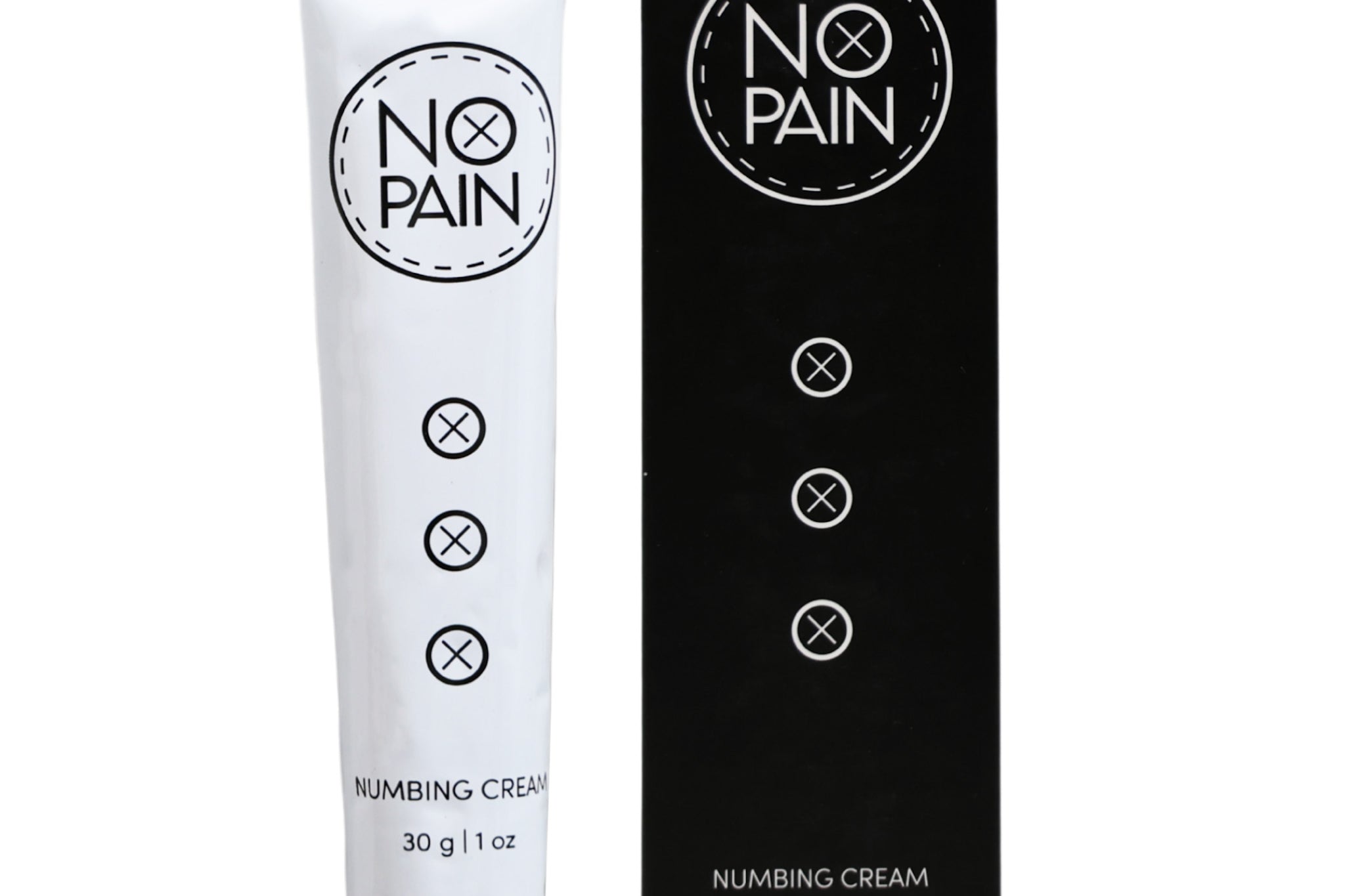
You're spending real money on your tattoo. Being able to sit still through the session directly affects the quality of the result. Maximum strength numbing cream applied in two coats under cling film, 90 to 120 minutes before your appointment. Backed by a money-back guarantee.
Shop Numbing Cream: $30
Tipping and aftercare budget
Tipping. The standard is 15 to 20 percent of the total price, in cash if possible. For a $300 tattoo, that's $45 to $60. For a $600 tattoo, $90 to $120. Always factor this into your budget before you book, not as an afterthought. Tips go directly to the artist, not the shop, and they matter more than most clients realize. Custom work, exceptional service, and an artist who accommodated your scheduling deserves the higher end of that range.
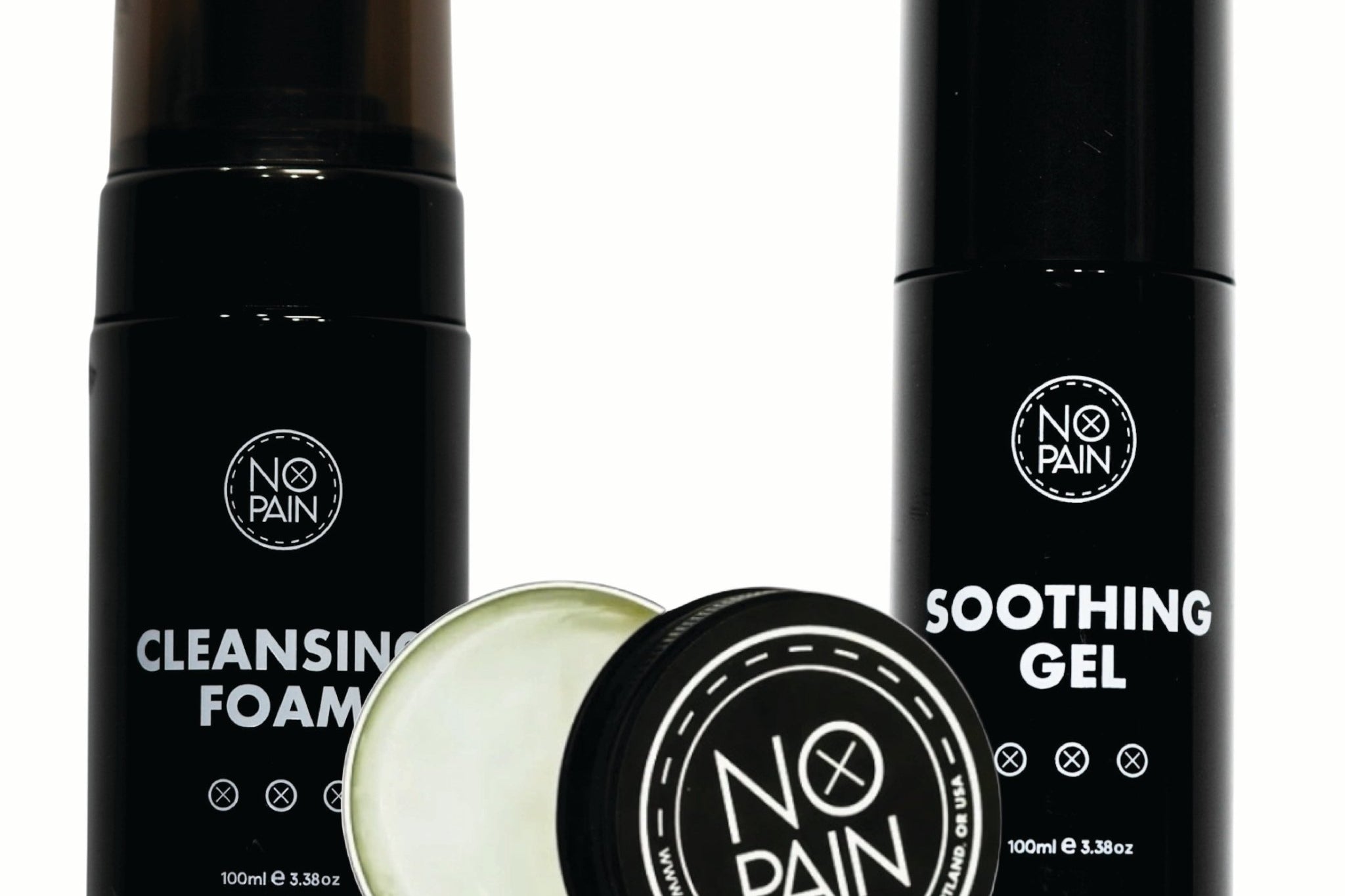
Aftercare. The aftercare supplies you need to heal your tattoo properly cost a fraction of what you spent getting it. But skipping them or using the wrong products during the healing phase risks ink loss, thick scabbing, and a final result that needs touching up at your own expense. Budget $15 to $35 for a proper aftercare setup alongside the cost of your tattoo.

No Pain Tattoo Aftercare Bundle
Soothing gel for the first week, aftercare balm for the scabbing phase, and cleansing foam for daily washing. Everything your tattoo needs to heal right and hold its color. Backed by a money-back guarantee.
Shop Aftercare Bundle: $33.60FAQ
How much does a small tattoo cost?
Any tattoo, no matter how small, will hit the shop minimum, which runs $100 to $150 at most professional studios. For a simple small design (coin-sized or slightly larger), that minimum is usually the price you pay. For a more detailed small piece in the 2 to 3 inch range, expect $150 to $350 depending on complexity and your artist's rate.
How much does a sleeve tattoo cost?
A full sleeve typically takes 15 to 30+ hours of work across multiple sessions. At $150 to $250 per hour, that's $2,250 to $7,500 or more before tip. A quarter sleeve (upper arm or forearm only) runs $500 to $2,000 depending on detail and style. Sleeves are usually built over months or years, so the cost is spread out over time rather than paid upfront.
Why do tattoo prices vary so much between artists?
Experience, demand, and location are the main factors. An apprentice charges less because they're still developing their skills. A sought-after artist with a six-month waitlist charges more because their time is limited and their work commands it. Location also matters: overhead in a major city is higher, and that's reflected in rates. The price difference usually correlates with skill and consistency of results.
Is it rude to ask how much a tattoo costs before booking?
No, asking for a quote is completely normal and expected. Most artists will give you an estimate at a consultation after seeing your reference and discussing placement and size. Some post their minimum or hourly rate publicly. What you shouldn't do is try to negotiate the price down once you've received a quote; professional tattoo artists set their rates based on their skill and time, and haggling is considered disrespectful in the industry.
Should I tip my tattoo artist?
Yes. Tipping is standard practice in tattooing. The artist's rate doesn't always reflect a full take-home; many studios take a 40 to 60 percent cut of the quoted price. A tip of 15 to 20 percent, in cash if possible, goes directly to the artist and is a meaningful part of their income. For custom work, longer sessions, or artists who made scheduling accommodations, tip toward the higher end.
Is cheaper always worse for tattoos?
Not always, but the correlation is strong enough to take seriously. Apprentices charge less while they're learning, and working with a talented apprentice under a good mentor can be excellent value. What you want to avoid is studios that undercut professional rates not because of apprenticeship but because they're cutting corners on sterilization, using lower-quality ink, or rushing sessions. Price alone won't tell you which situation you're in; look at healed portfolio work and the studio's hygiene practices before you decide.