



A shin tattoo sits in the top tier of painful placements. The tibia runs the full length of the front of your lower leg beneath almost no fat or muscle, so every needle pass goes straight to bone. On a 1-to-10 pain scale, most people rate it 8 to 10. That said, it is manageable with the right preparation, and the finished result is one of the most striking placements on the body. This guide covers exactly what to expect and how to get through it.
In this article
- Why shin tattoos hurt so much
- The pain scale: what to expect
- How to prepare and survive your shin session
- How shin tattoos heal
- Frequently asked questions
Why Shin Tattoos Hurt So Much
The short answer is bone. Your tibia is the second-largest bone in the body, and along most of its length down the front of your leg it sits directly beneath a thin, taut layer of skin with almost no fat or muscle between bone and surface. That combination creates three distinct types of discomfort:
Direct bone contact
With no cushioning tissue to absorb the needle's impact, every pass lands close to the periosteum, the nerve-rich membrane that covers bone. This produces a sharp, hot, grinding sensation that is more intense than the dull ache you get in fleshier areas. People frequently describe it as feeling like a blade dragged slowly across the bone.
Bone vibration
The tattoo machine transmits vibration through the needle into whatever it contacts. On fatty areas, that vibration is absorbed by soft tissue. On the shin, it travels directly into the tibia and resonates up and down your entire lower leg. Many people find this deep, rattling vibration more mentally exhausting than the pain itself.
Tight, reactive skin
The skin over the shin is stretched tightly over the bone, which makes it highly sensitive and means it reacts more intensely to the repeated trauma of tattooing. It flushes, swells, and becomes tender faster than skin on fleshier placements.
The Pain Scale: What to Expect
Most experienced tattoo collectors place the shin at 8 to 10 out of 10, putting it in the same tier as the ribs, feet, collarbone, and kneecap. For comparison, the back of the calf sits around 4 to 5 on the same scale, which shows just how much the change in anatomy matters over a short distance.
The sides of the shin are slightly more forgiving than the dead-center front where the tibia is closest to the surface. If your design allows your artist to work more toward the inner or outer edge, the pain intensity drops somewhat. The front-center is the most challenging part of the placement.
Shin tattoos also tend to feature long, straight lines and geometric or botanical designs that require the artist to make slow, deliberate passes rather than quick, short strokes. This means you experience the worst of the sensation for a sustained period rather than in brief bursts, which is its own kind of test.

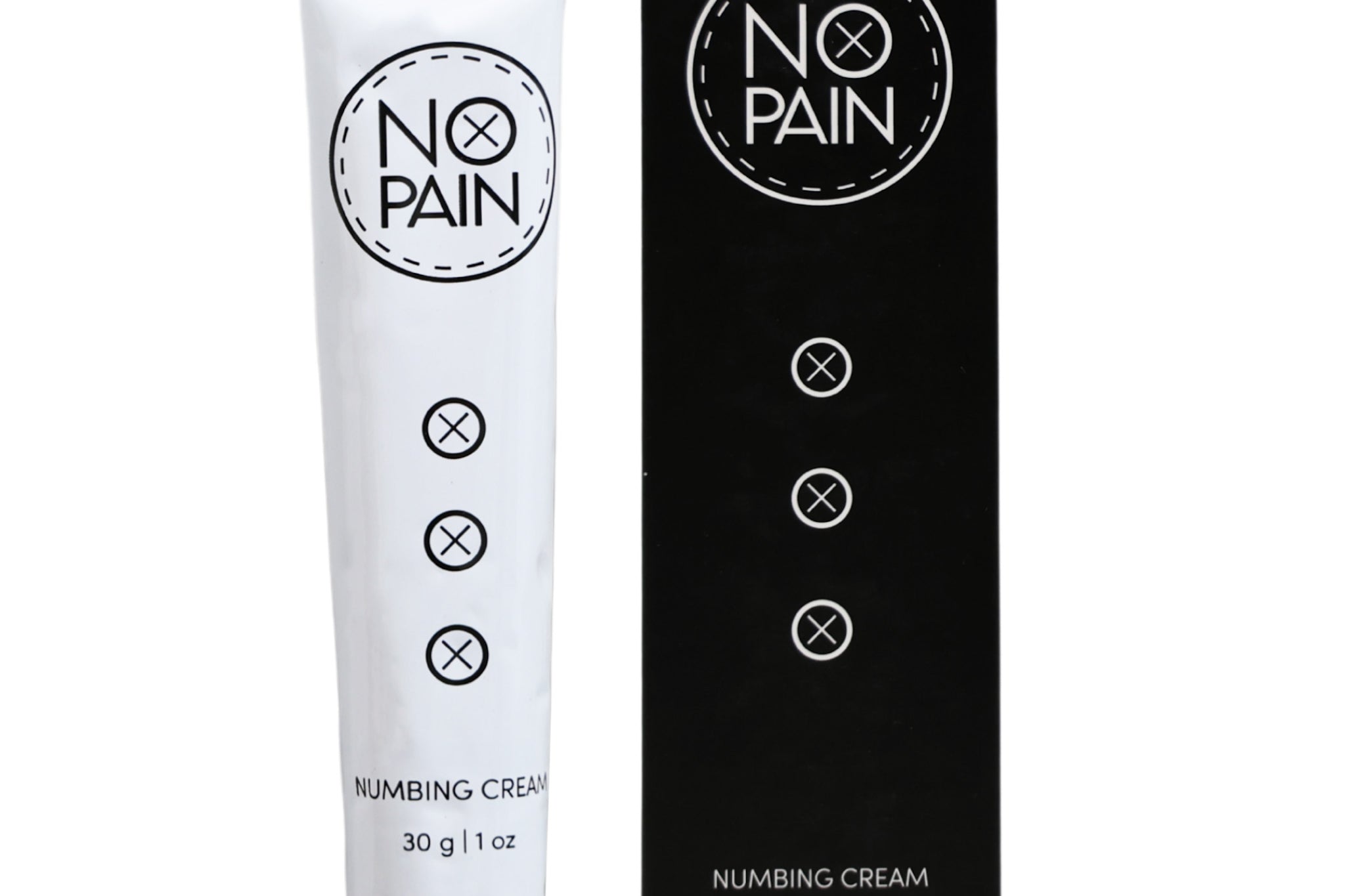
Apply 90 to 120 minutes before your session. Deeply numbs the shin's thin skin, dulls the grinding sensation, and lets you hold still so your artist can pull clean lines.
How to Prepare and Survive Your Shin Session
Shin tattoos are one placement where going in unprepared is genuinely risky. The combination of intense, sustained pain and the precision required from your artist means flinching or tensing your leg mid-session can affect the quality of the work. Managing the pain well is not just about comfort; it is about giving your artist the stable canvas they need.
Use numbing cream
For bony placements like the shin, numbing cream is the single most effective preparation you can do. Apply No Pain Tattoo Numbing Cream to the entire shin area 90 to 120 minutes before your appointment and cover with cling film. When the cream is fully activated, it deeply numbs the thin skin, turns the sharp grinding sensation into manageable pressure, and reduces the intensity of the bone vibration. The difference between a numbed and un-numbed shin session is dramatic.
Tell your artist in advance
Let your artist know at the consultation that you plan to use numbing cream, not on the day. They can advise on the timing, make sure the product is washed off with green soap before starting, and factor it into their approach for the session.
Book a shorter first session
If this is your first shin tattoo, consider booking a shorter session of two to three hours rather than going for the full piece in one sitting. This lets you gauge how your body handles the placement before committing to a four or five hour session.
Eat well and stay hydrated beforehand
Arriving well-fed and hydrated raises your pain tolerance and helps you avoid light-headedness during the session. A solid meal one to two hours before your appointment makes a real difference on high-pain placements like the shin.
Use numbing spray mid-session
If your session runs longer than three hours, or the numbing cream starts to fade, a numbing spray formulated for broken skin can extend your comfort through the final stretch without interrupting the work.

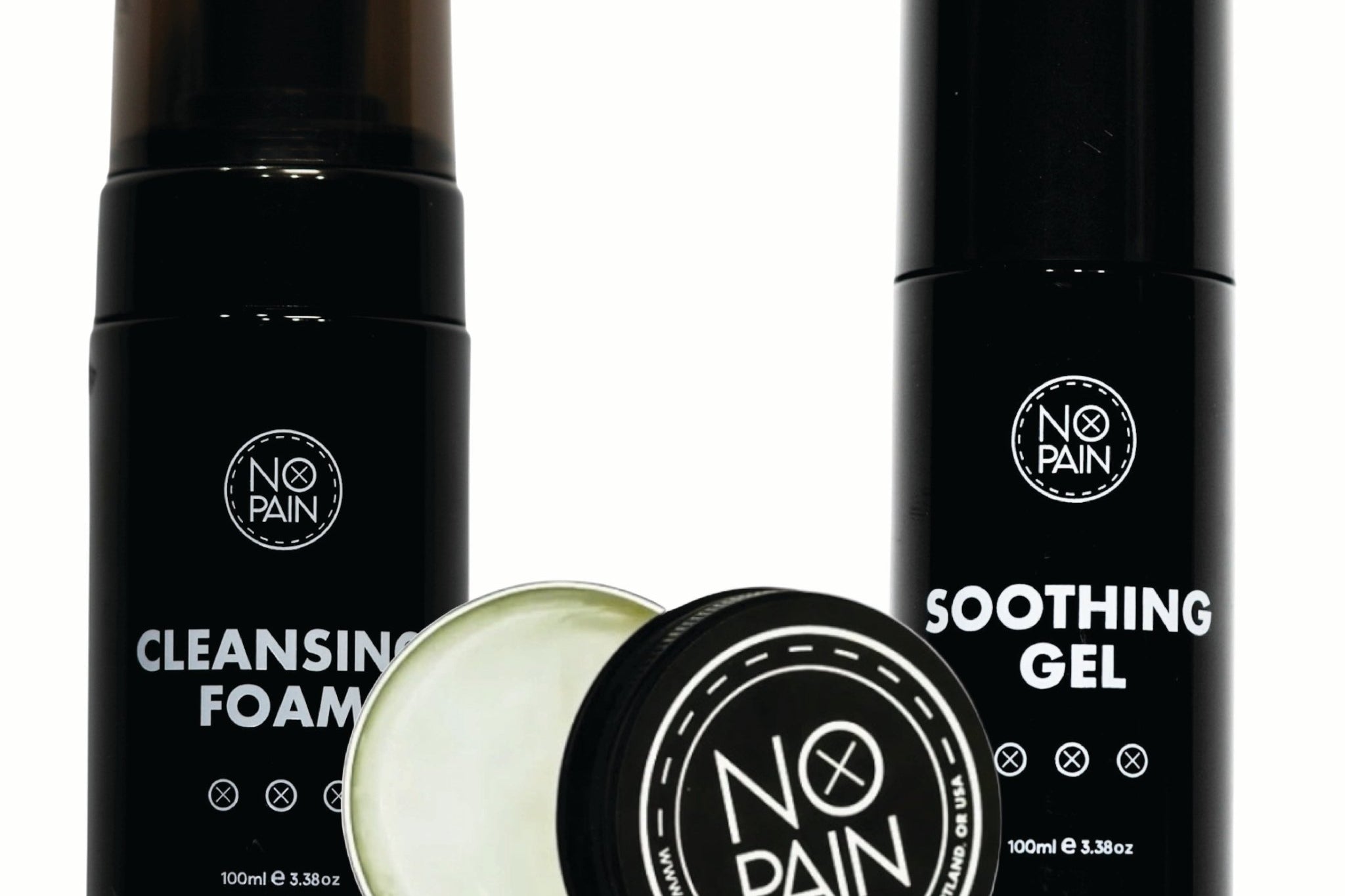
Fast-acting relief for broken skin. Kicks in within minutes and can be applied during your session to push through the final hours on a tough placement like the shin.
How Shin Tattoos Heal
The shin heals differently from most placements because of the leg's tendency to swell. Blood pools in the lower leg when you are on your feet, which can cause the tattoo to feel more swollen, tender, and weepy in the first few days than it would on an arm or upper body placement.
Elevating your leg when you are resting, especially in the first two to three days, makes a significant difference. When your leg is below heart level for extended periods, swelling increases and the tattoo stays angrier for longer.
The shin's tight skin also means it tends to peel in a firmer, less flexible layer than areas with more give. Keep it well-moisturized from day one to prevent that peeling layer from pulling on the fresh ink beneath. A cooling soothing gel in the first few days addresses the inflammation and makes the skin more comfortable while it closes.

Cooling gel that reduces the swelling, redness, and burning common in shin tattoos. Apply 3 to 4 times a day in the first days of healing.
Frequently asked questions
Do shin tattoos hurt?
Yes, shin tattoos are among the most painful placements you can get. The tibia sits directly beneath a thin layer of skin with almost no fat or muscle cushioning, which means the needle works very close to bone. Most people rate the pain 8 to 10 out of 10. The grinding, vibrating sensation that travels through the bone is especially difficult to sit through for long periods.
How bad is shin tattoo pain compared to other placements?
Very bad by most accounts. The shin ranks alongside ribs, feet, kneecap, and collarbone as one of the hardest spots on the body. For comparison, the back of the calf is significantly less painful at around 4 to 5 out of 10, despite being only inches away. The difference is entirely down to the lack of cushioning tissue over the tibia.
Can you use numbing cream for a shin tattoo?
Yes, and for a placement this painful it is strongly recommended. Apply a water-based numbing cream like No Pain Tattoo to the shin 90 to 120 minutes before your appointment, cover with cling film, then have your artist wash the area with green soap before starting. It will not eliminate the sensation entirely, but it takes the sharp, grinding pain down to a much more manageable level and reduces the bone vibration noticeably. Always tell your artist in advance that you plan to use it.
How long does shin tattoo pain last during the session?
For as long as the needle is working on that area. Shin designs often involve long, straight lines and precise linework that requires slow, sustained passes, so you are in the most intense part of the discomfort for longer than with designs in fleshier areas. Using numbing cream before your session significantly reduces how intense that sustained period of pain feels.
How long does a shin tattoo take to heal?
Surface healing typically takes three to four weeks. The shin tends to swell more than other placements in the first few days because of how blood pools in the lower leg, so elevate it when resting. The tight skin over the shin can also produce firmer peeling than softer areas, which makes consistent moisturizing from day one especially important to protect the ink.
Don't Let the Shin's Reputation Stop You
The right preparation turns one of the most painful placements into a session you can actually get through. Numb it before, support it after.
Shop Numbing Cream →Backed by our money-back guarantee.