


Yes—but not in a simple, linear way. Pain during a tattoo session isn't constant; it follows a pattern that most experienced clients recognize and that artists understand well. Knowing what to expect across a long session makes a real difference in how you approach and manage the experience.
The first hour: the hardest and the easiest
The first contact of the needle usually produces the most psychologically intense moment of the session—your body doesn't know what's coming, your nerves are fresh, and the sensation is unfamiliar. For most people, the first fifteen to twenty minutes of a session are subjectively difficult.
Then something shifts. Adrenaline, endorphins, and the body's natural response to sustained pain kicks in. Many clients hit a stretch around the thirty-to-sixty-minute mark where they feel more settled, almost comfortable—a kind of physiological adaptation where the sensation is still present but no longer feels as threatening. Experienced tattoo clients recognize this phase and sometimes describe it as the “zone.”
Hours two and three: the challenge builds
The body's adrenaline response is not infinite. It typically peaks early and fades over the course of one to two hours. As it fades, the skin that's been tattooed has also been accumulating trauma—and without the buffering effect of that initial response, the sensation starts registering differently. The same needle pressure that felt manageable at the forty-minute mark can feel notably more intense at the two-hour mark, not because the artist has changed anything, but because your body has changed.
This is the phase where people most commonly need breaks, where conversation becomes less appealing, and where clients start noticing discomfort in their body position as well as in the tattooed area itself. The surrounding muscles tense up, breathing becomes shallower, and everything starts to feel more effortful. None of this is abnormal—it's the body doing exactly what it's designed to do when subjected to hours of sustained pain stimulus.
Beyond three hours: the hard wall
Most people hit a significantly harder wall somewhere between the three and four hour mark. This is when the cumulative physical toll of the session becomes the dominant experience rather than the moment-to-moment needle sensation. The skin in the worked area is more sensitive than at the start of the session, the body's natural pain management has been running for hours, and physical fatigue—from lying still, tensing muscles, and processing sustained stress—compounds everything.
Artists who do large-scale work know this wall exists. Many structure sessions to get critical linework done in the first two to three hours when the client is freshest, and use the later part of a session for areas that require less precision or that are more forgiving of a client who needs more frequent breaks. If your artist suggests stopping at a certain point even though there's more work to do, they're usually reading your body and the skin's condition accurately.
Placement changes the curve
How dramatically pain increases over a long session is heavily affected by placement. Fleshy areas—outer thigh, upper arm, outer calf—have more natural buffering and tend to remain more manageable through longer sessions. Bony areas—ribs, sternum, shin, spine—tend to produce pain that escalates faster, both because there's less tissue between the needle and bone and because repeated passes on already-irritated thin skin amplify discomfort more quickly.
If your session involves multiple zones, the order in which they're tattooed matters. Most artists tackle the most sensitive areas early when your tolerance is highest and leave more forgiving zones for later. If you have preferences about session sequencing, mention it at the consultation.
Managing a long session
Preparation before the session is the most impactful thing you can do. Going in well-hydrated, having eaten a solid meal in the hours before, and getting adequate sleep the night prior genuinely affects how you process the sustained stress of a long session. These aren't just comfort tips—they affect your blood sugar stability, your nervous system's responsiveness, and how quickly fatigue sets in.
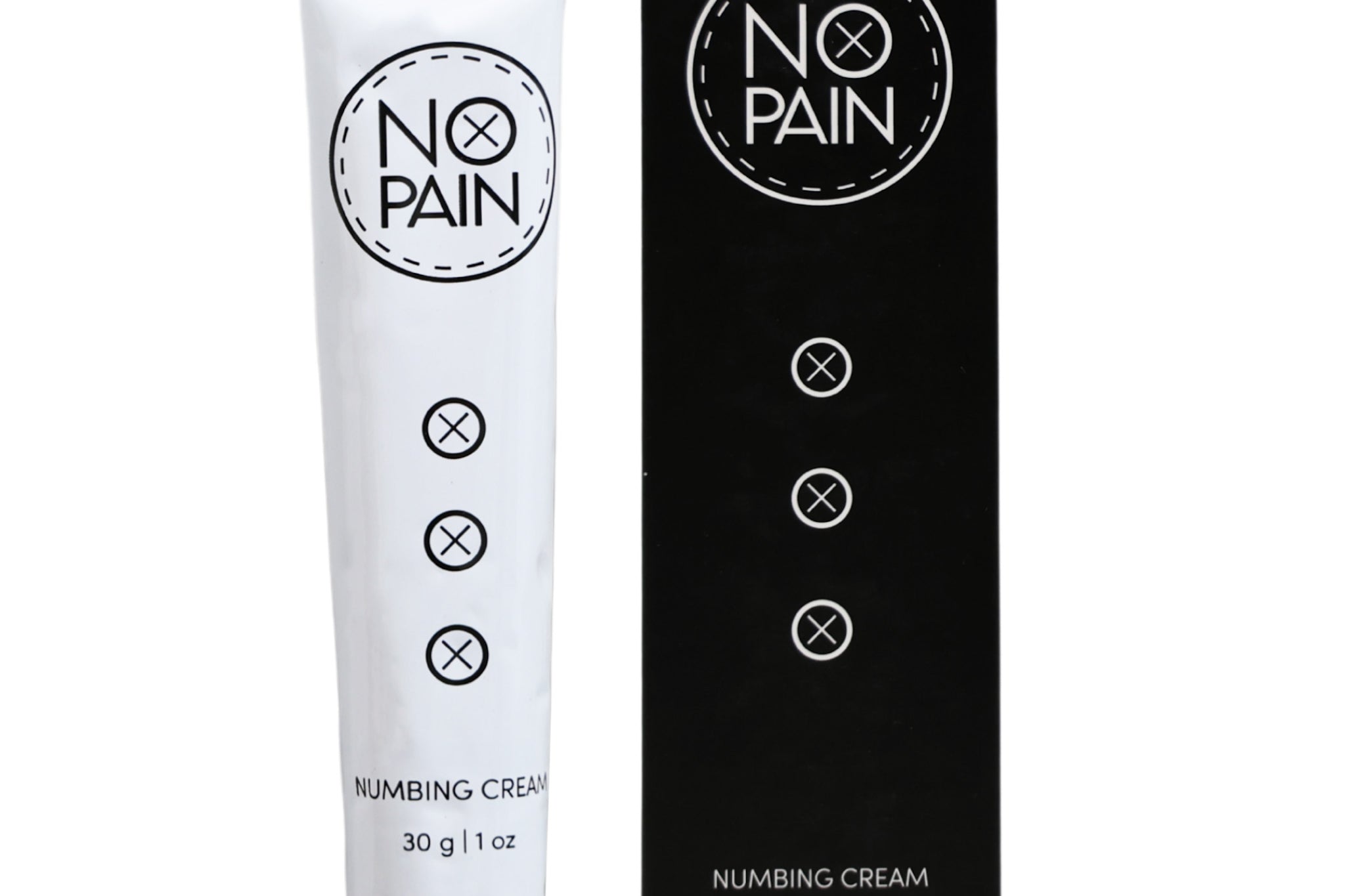
Using No Pain Tattoo Numbing Cream before a long session can extend how long you stay in the manageable range before the session becomes difficult. By reducing the surface pain in the first hour, it lets your body's natural response do more of the work before it's needed—effectively pushing the hard wall further into the session. Ask your artist whether topical midway reapplication is something they're comfortable with for extended sessions.
Taking breaks when you need them isn't weakness—it's strategy. A client who takes two ten-minute breaks and finishes the session in better condition than they started typically produces better work than one who pushes through and starts moving involuntarily in the last hour.