


Can a Different Artist Touch Up or Rework Your Tattoo?
Yes, you can have a different artist touch up or rework your tattoo. There is no rule that requires you to return to the original artist. In practice, going to a different artist for a touch-up or rework is common and sometimes the only realistic option, whether the original artist is unavailable, you have moved, or you are simply unhappy with the original work.
That said, the process has some nuances. A different artist touching up someone else's work requires both skill and tact. Knowing how to find the right person and how to approach the conversation will get you a better result.
Touch-Up vs. Rework: What Is the Difference?
A touch-up addresses small areas where the tattoo has healed patchy, faded unevenly, or lost definition. It is a targeted fix, usually done with the same design and the same colors as the original. Touch-ups are minor by nature, and any competent artist working in the same style should be able to do one.
A rework is more involved. It means changing, covering, or significantly altering an existing tattoo. This might be because the original tattoo faded badly, the design was never right, or you want a new direction entirely. Reworks require an artist who has specific experience working over existing ink, since the original tattoo affects how new ink sits in the skin.
The distinction matters when you are searching for an artist. For a simple touch-up, style match is the main consideration. For a rework, you want someone with a portfolio that includes cover-up and rework experience specifically.
Finding the Right Artist for the Job
Not every skilled tattoo artist is equally experienced at working over someone else's work. Here is what to look for:
Portfolio evidence of similar work. An artist doing a touch-up of fine linework should have fine linework in their portfolio. An artist doing a cover-up of a bold traditional piece should have cover-ups in their portfolio. Ask specifically to see examples of touch-ups or reworks if that is what you need.
Willingness to give an honest assessment. A good artist will tell you what is and is not achievable. If an artist promises to make a heavily saturated old tattoo look brand new without any indication of realistic expectations, be cautious. Experienced rework artists are specific about what the healed result will look like.
No pressure to do more than needed. Some artists will try to upsell a simple touch-up into a full rework or cover-up. A touch-up is sometimes all that is needed. If you want a touch-up and the artist immediately redirects to a full redesign without a clear explanation of why, get a second opinion.
How to Have the Conversation
When you approach a new artist about touching up or reworking another artist's tattoo, be direct and respectful. You do not need to disparage the original artist. Simply explain what you have, what you want fixed or changed, and ask whether it is something they can help with.
Bring clear photos of the tattoo in good lighting. The artist needs to see the existing work to give you an accurate assessment. If you had the tattoo for a long time and have photos from when it was new alongside current photos, those can be useful for showing how it has changed.
Ask about the healing timeline for a touch-up. Some artists want a tattoo to be at least a year old before they will work over it, particularly for reworks, because the skin needs to be fully settled. Others are comfortable with shorter timelines depending on the specific situation.
Aftercare After a Touch-Up or Rework
A touch-up or rework goes through the same healing process as a new tattoo. The skin has been tattooed again, and it needs the same care: keep it clean, keep it moisturized, and protect it from sun and friction.
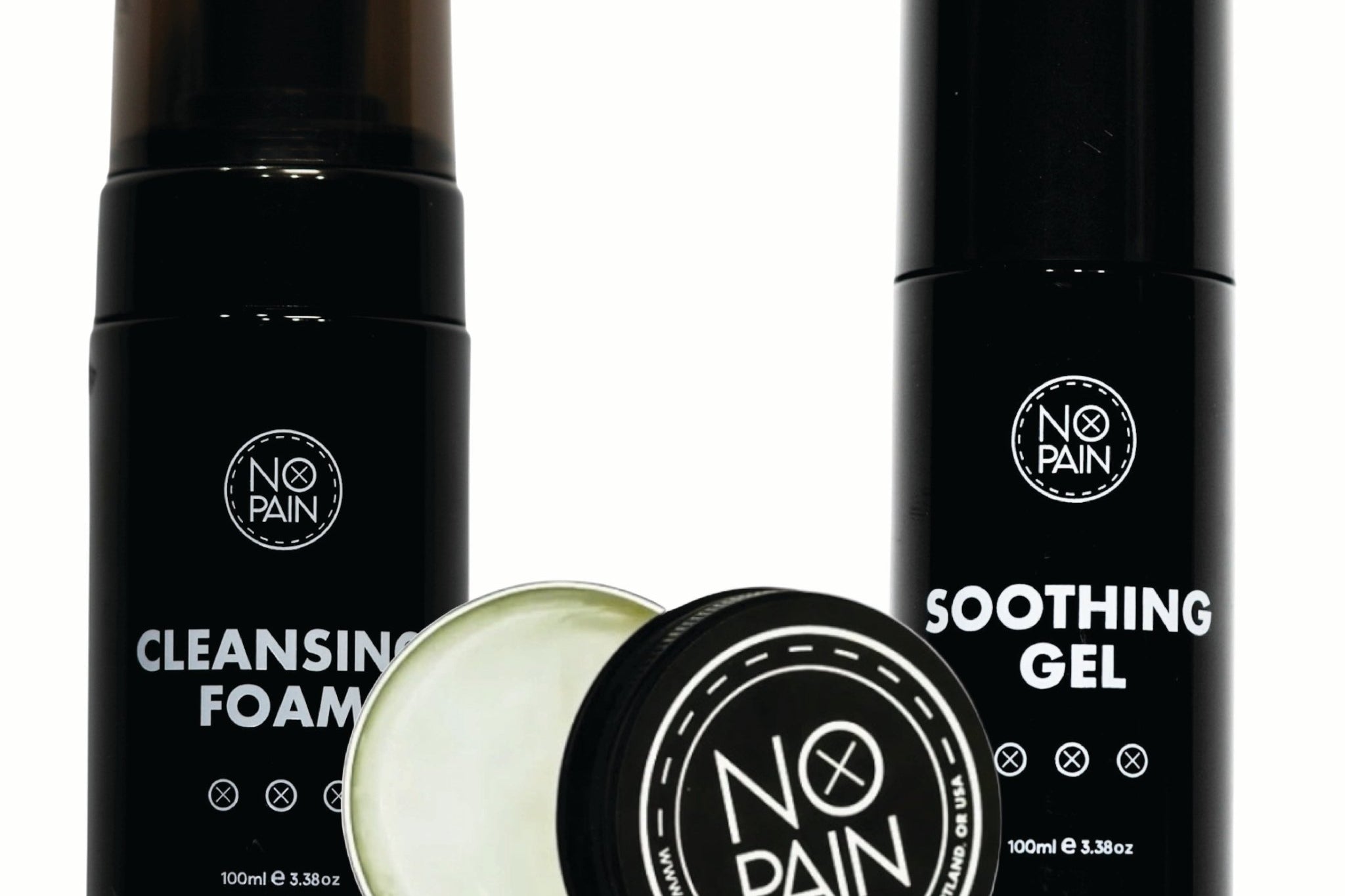
In the first few days, the area will be tender and the skin will go through the same peeling and flaking process as a fresh tattoo. A soothing, lightweight gel in the early days keeps the area comfortable and hydrated without suffocating the skin. Once the surface has healed over, a nourishing balm supports the longer skin repair process and keeps the color looking vibrant as it settles.


FAQ
Is it disrespectful to go to a different artist for a touch-up?
No. Artists understand that clients move, circumstances change, and sometimes the original artist is simply unavailable. You do not owe your original artist your future business. The only situation where it might create awkwardness is if you are a regular client at the same shop and the original artist is still there, but even then, a professional artist will not take it personally.
Will a new artist refuse to touch up another artist's work?
Some artists prefer not to touch up other people's work, particularly if the style does not match their own or the work is of very low quality. This is a professional preference, not a rule. Most artists are happy to help if the request is reasonable and within their skill set. If one artist declines, ask another.
Do I need to tell the new artist who did the original tattoo?
You do not need to name the original artist. It is polite to mention that it was done elsewhere and to give a rough timeline of how old the tattoo is. The artist mainly needs to see the work itself to assess what is needed. Avoid badmouthing the original artist even if you are unhappy with the work.
How long should I wait before getting a touch-up from a new artist?
The tattoo should be fully healed before any touch-up work is done. For a standard touch-up, this means waiting at least four to six weeks after the original tattoo. For a rework or significant alteration, many artists prefer the tattoo to be at least a year old so the skin has fully settled and the pigment has stabilized. Ask your chosen artist for their specific recommendation.
Can any artist do a cover-up, or do I need a specialist?
Cover-ups require specific experience and skill. Not every talented tattoo artist is experienced with cover-up work. Look for artists who list cover-ups in their specialty and have a visible portfolio of cover-up results. The constraints of working over existing ink are different from tattooing bare skin, and the design process is different as well.
What if the touch-up does not match the original tattoo exactly?
A perfect match to the original is not always possible. Ink fades and shifts over time, and different artists use slightly different techniques. Discuss color matching and style matching with the new artist before they begin. An experienced artist will tell you upfront what degree of match is realistic and what the healed result is likely to look like.