


Most tattoo clients operate within a small radius—their city, maybe a few nearby shops. But the modern tattoo industry is far more mobile than that. Artists travel constantly, spending days or weeks at studios outside their home market through an arrangement called a guest spot. For clients, this creates an opportunity that didn't exist a decade ago: access to artists you'd otherwise need to fly to see.
Understanding how guest spots work changes the way you collect tattoos.
What a guest spot actually is
A guest spot is a temporary residency—an artist from one studio travels to work at another studio for a short period, typically a few days to a couple of weeks. The host studio provides space and sometimes handles booking logistics; the traveling artist brings their portfolio, their equipment, and their existing client base from wherever they're from.
Studios invite guest artists because it introduces their existing clients to new styles and talent, it gives the traveling artist access to a new market, and the creative exchange between artists often benefits both shops. For clients, it means a world-class artist you follow on social media might show up in your city for four days—and you can book them as easily as booking anyone local.
How to find and track guest spots
The most reliable way is to follow artists you love on social media and turn on post notifications. Most artists announce upcoming guest spots weeks or months in advance—city, dates, and booking instructions. The catch is that slots fill quickly, often within hours of an announcement going up.
Following high-quality local studios is a secondary method. Reputable shops tend to host reputable guests, and their announcements give you early notice about talent coming through your area. Over time you'll start to recognize which studios in your city bring in the kind of artists you're interested in.
The booking process
When an artist announces a guest spot, their instructions will specify how to book—usually email, sometimes a form or DM. Read those instructions carefully and follow them precisely. Include what you want (concept and rough size), where you want it (placement), and a few reference images. Be concise. A traveling artist on a compressed schedule who receives fifty booking inquiries after an announcement doesn't have time for lengthy back-and-forth.
Be flexible on timing. Artists doing short guest spots may have limited availability, and the client who can work around that schedule is easier to book than one with restrictions. Deposits are standard and non-refundable if you cancel—that's part of working with in-demand artists.
The session itself
A guest artist is working in an unfamiliar environment with a tight schedule. Being a prepared client—on time, fed, well-rested, with clear references—matters more in this context than with a local artist you see regularly. The session is more efficient when the artist doesn't have to manage a client who's anxious, unclear, or physically unprepared.
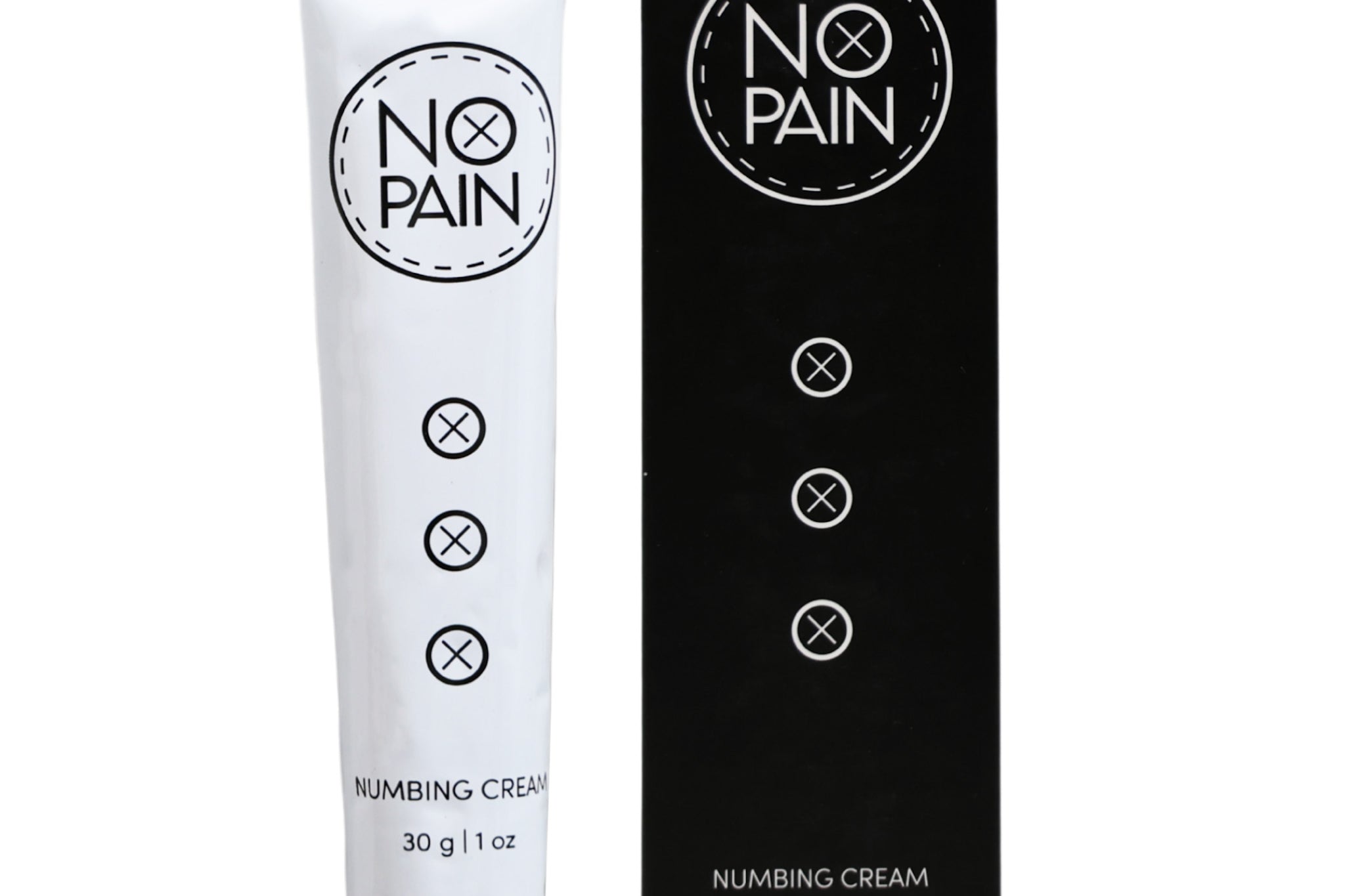
Pain management is worth planning for in advance. A traveling artist's time is genuinely valuable, and a client who can sit comfortably lets the artist work without interruption. Using No Pain Tattoo Numbing Cream before particularly sensitive placements is something many experienced collectors do as a matter of course.
Aftercare when you can't follow up
The main practical difference with a guest spot is that the artist won't be available for a touch-up in the normal timeframe. They're leaving town. That puts more responsibility on your aftercare—because if the tattoo heals poorly, you're waiting for either the artist's next visit or finding a qualified local person to do the correction.
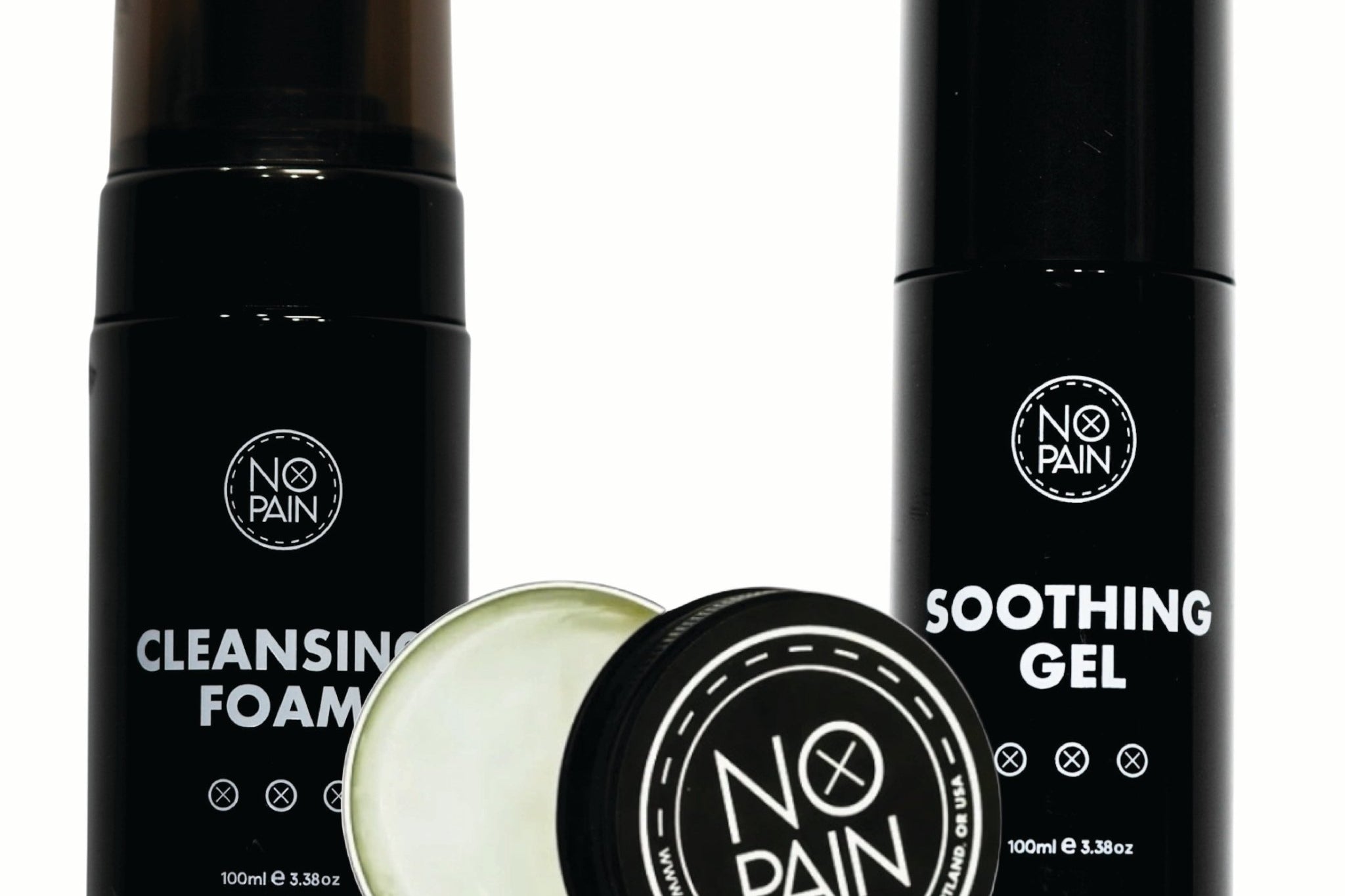
Treat the aftercare phase as seriously as you treat the booking process. The No Pain Tattoo Aftercare Bundle gives you a complete system that doesn't leave gaps—cleanser, soothing gel, and balm across the different phases of healing. A piece you waited months to book deserves an aftercare routine to match.