

No Pain Tattoo News & Tips: Numbing, Aftercare & Tattoo Advice
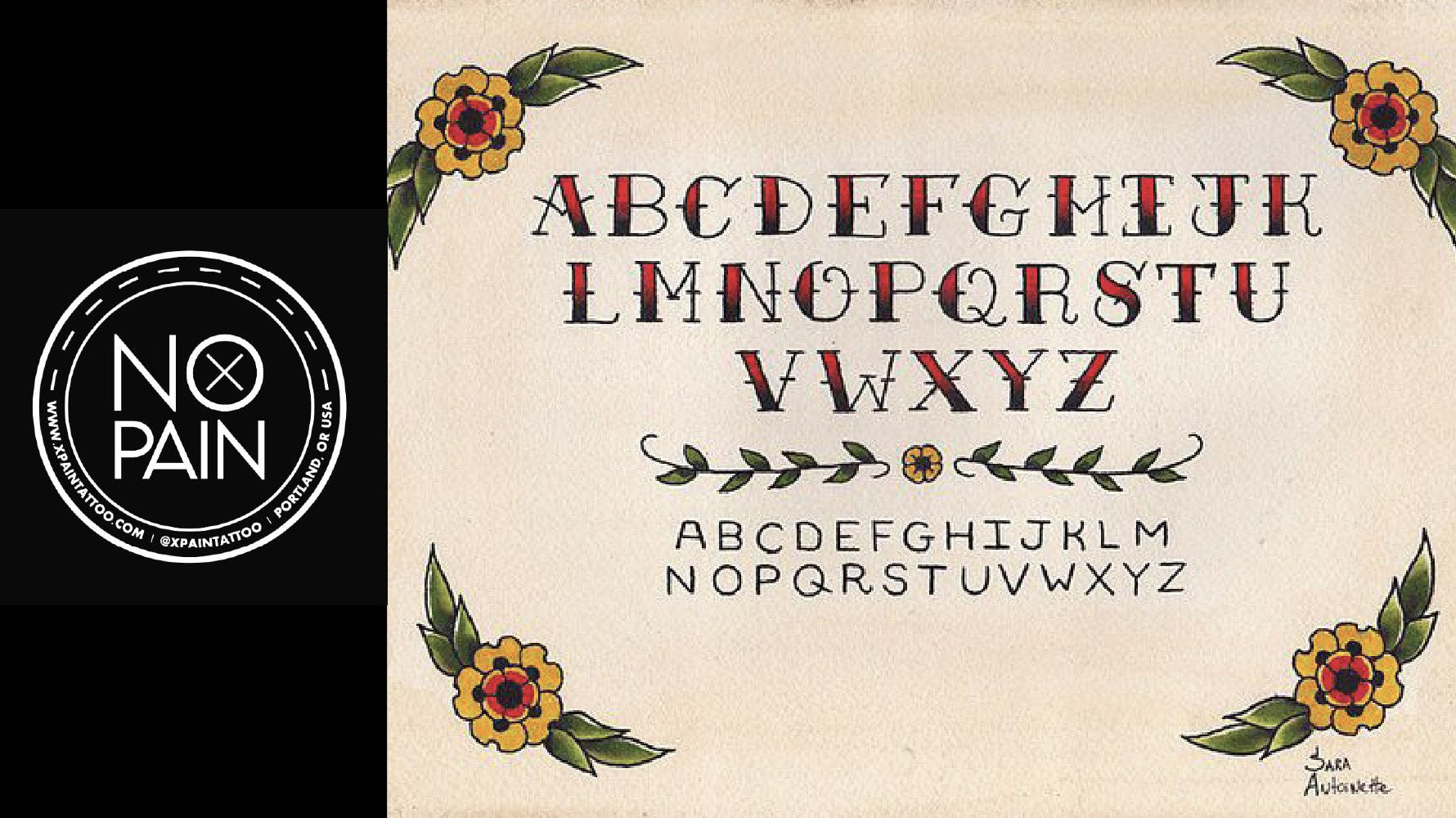
Script and Lettering Tattoos: Fonts, Placement, and Getting It Right
Lettering tattoos fail more often than people expect. The concept seems simple: words instead of images. But script and lettering require a specific skillset, and the most common mistakes (wrong...
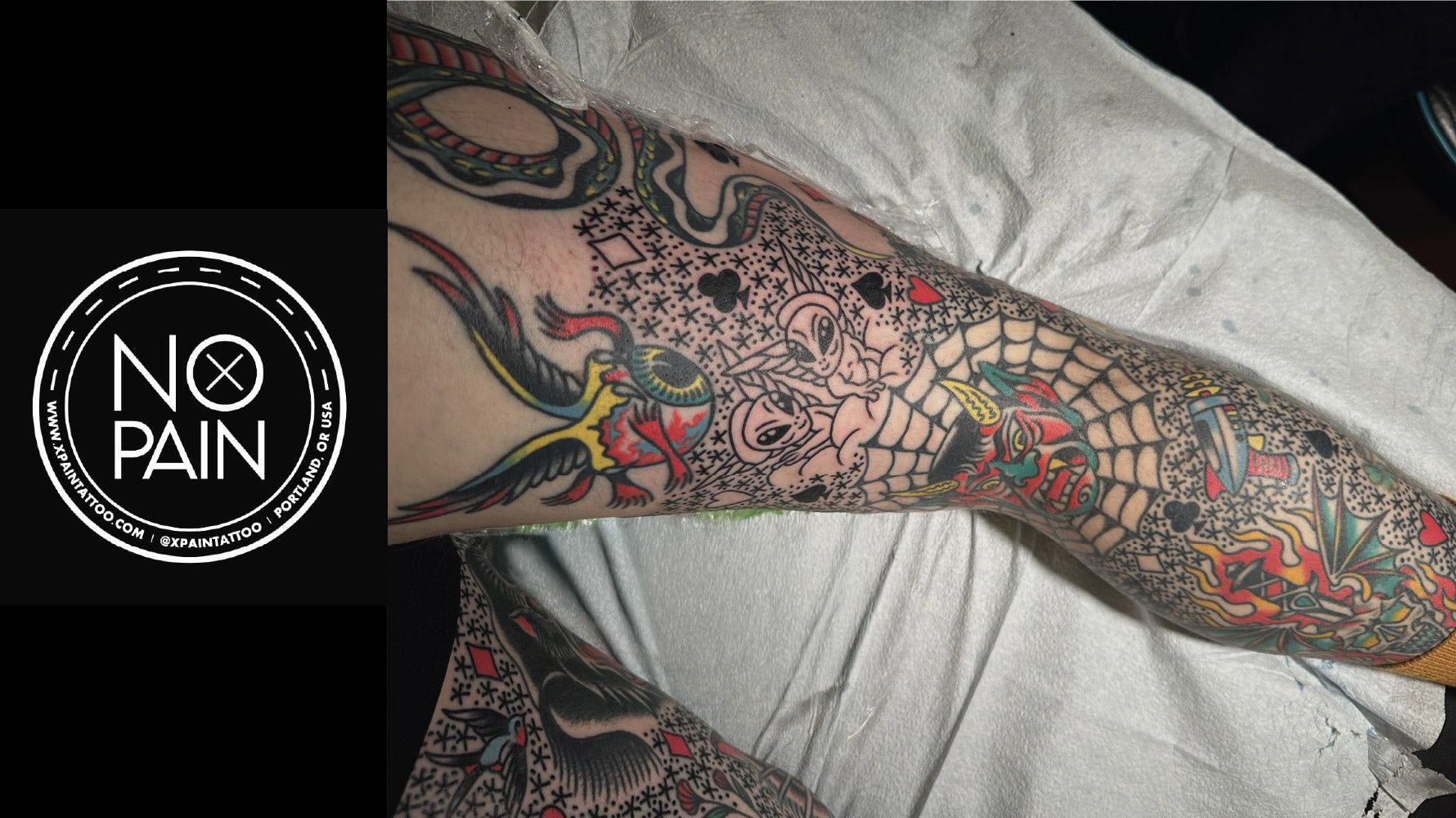
How to Design a Tattoo That Flows With Your Body
Some tattoos look like a natural extension of the person wearing them. Others look like a sticker applied to skin without regard for the anatomy underneath. The difference is almost...
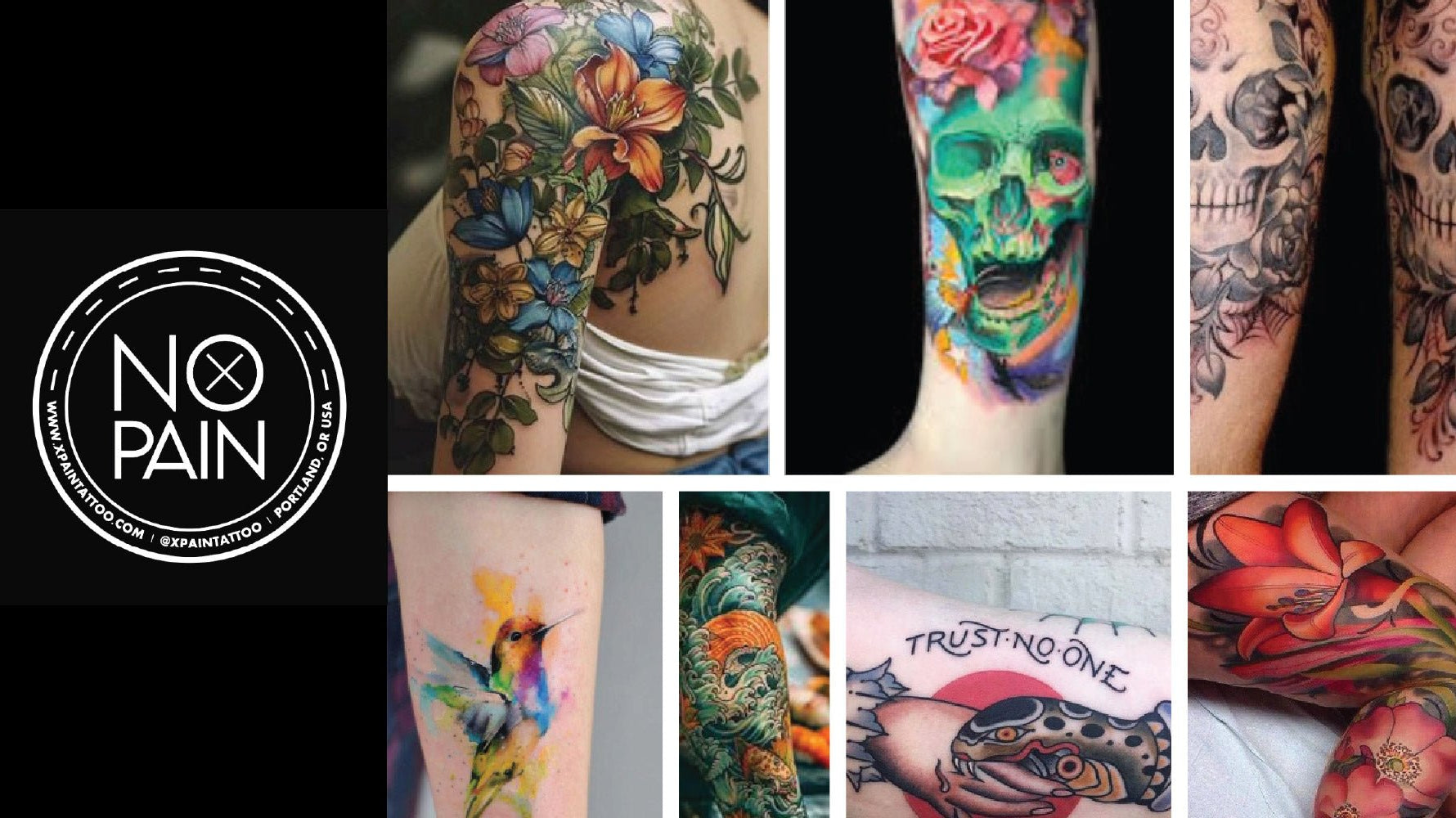
Tattoo Color Palette: How to Choose Colors That Last
Color selection is one of the decisions that most affects how a tattoo looks ten years from now. The colors you choose, how they interact with your skin tone, and...
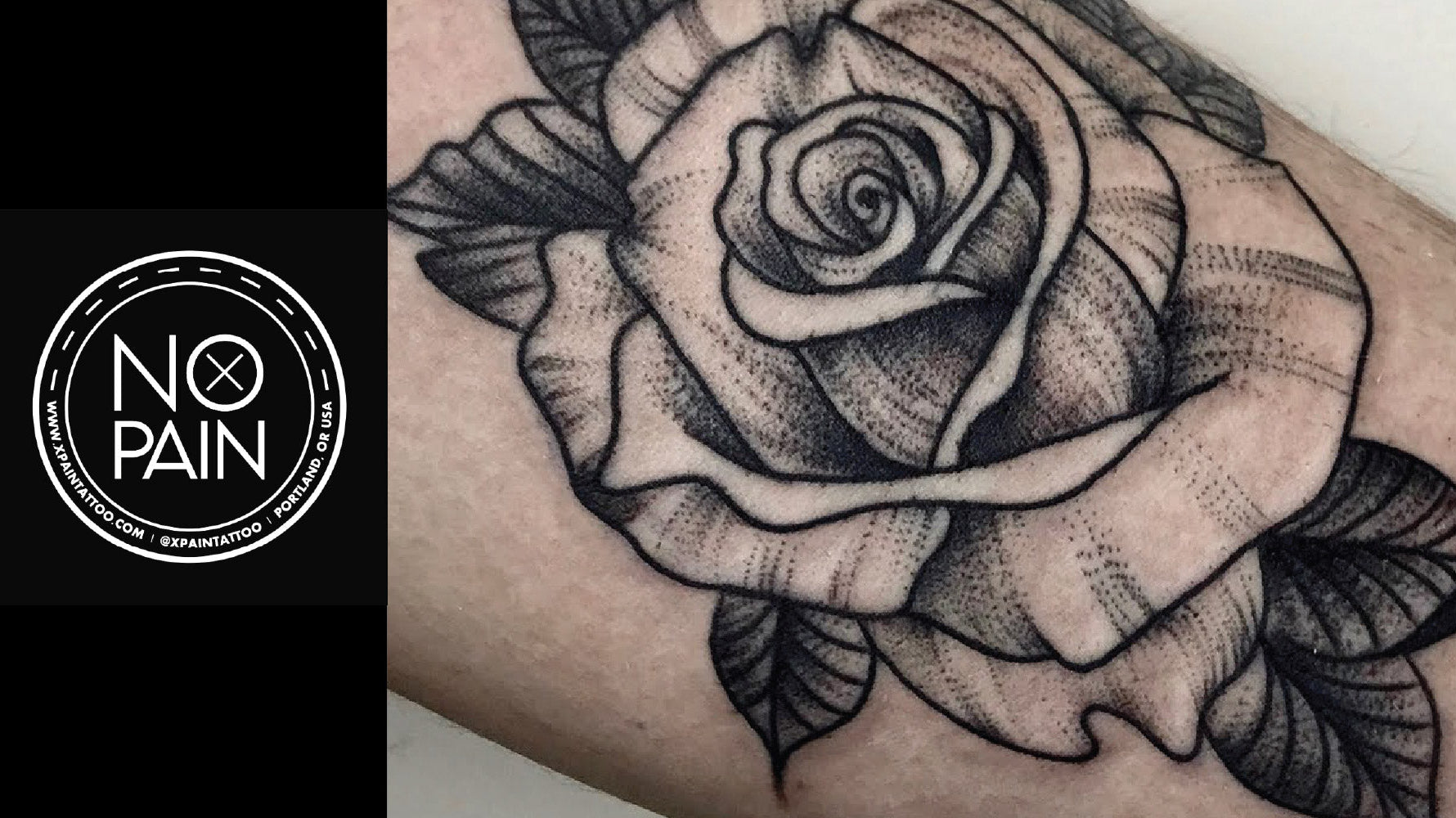
Whip Shading Tattoos: What It Is and How Artists Use It
Whip shading is a freehand needle technique that produces soft, tapered gradients — the kind that look almost brushed or sketched rather than mechanically shaded. Here's how it works, what...
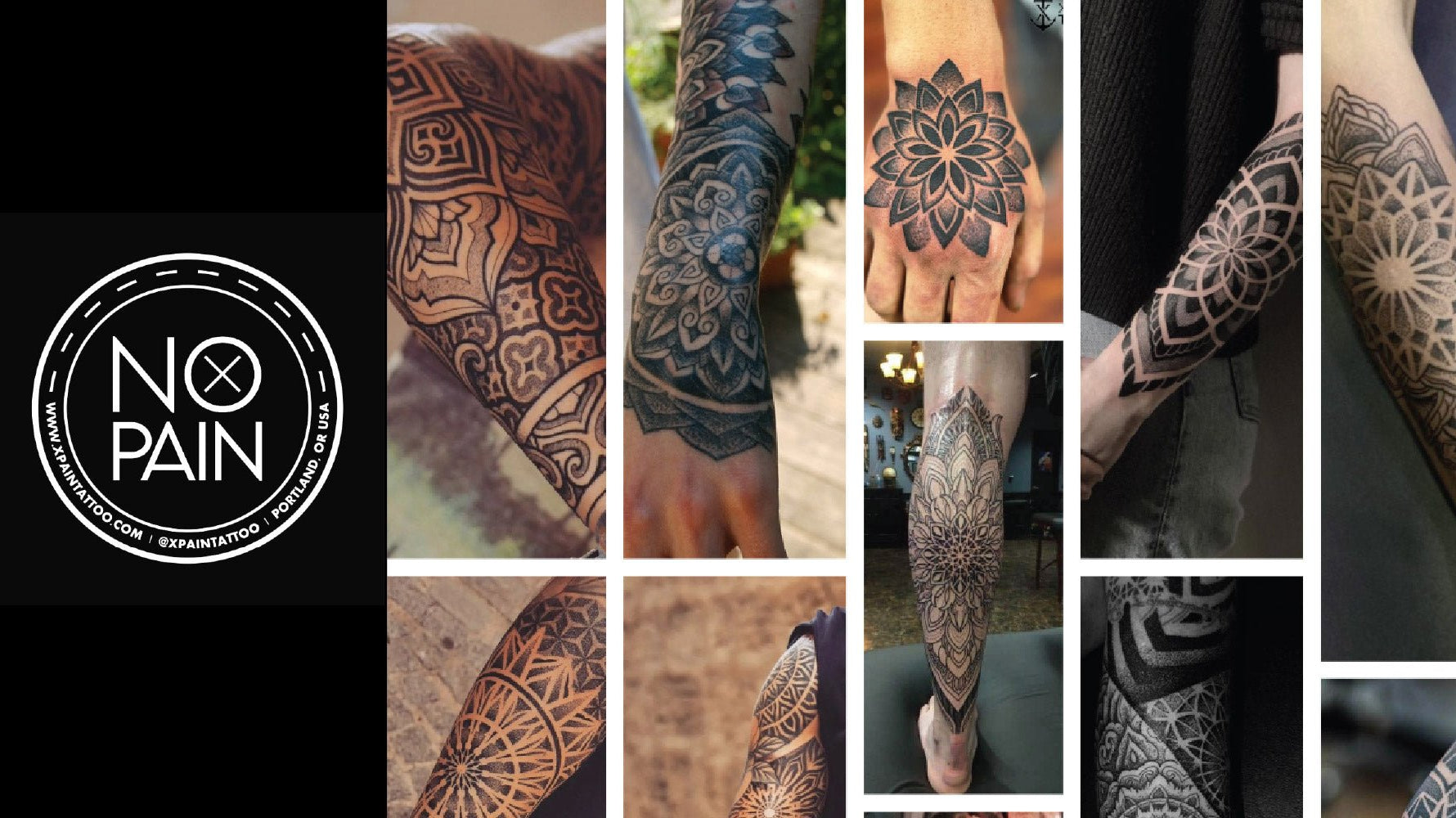
Mandala Tattoo: Meaning, Designs, and What to Know Before You Book
A mandala tattoo is built from repeating geometric patterns radiating outward from a central point. The design traces back to Hindu and Buddhist traditions, where mandalas represent the universe, wholeness,...
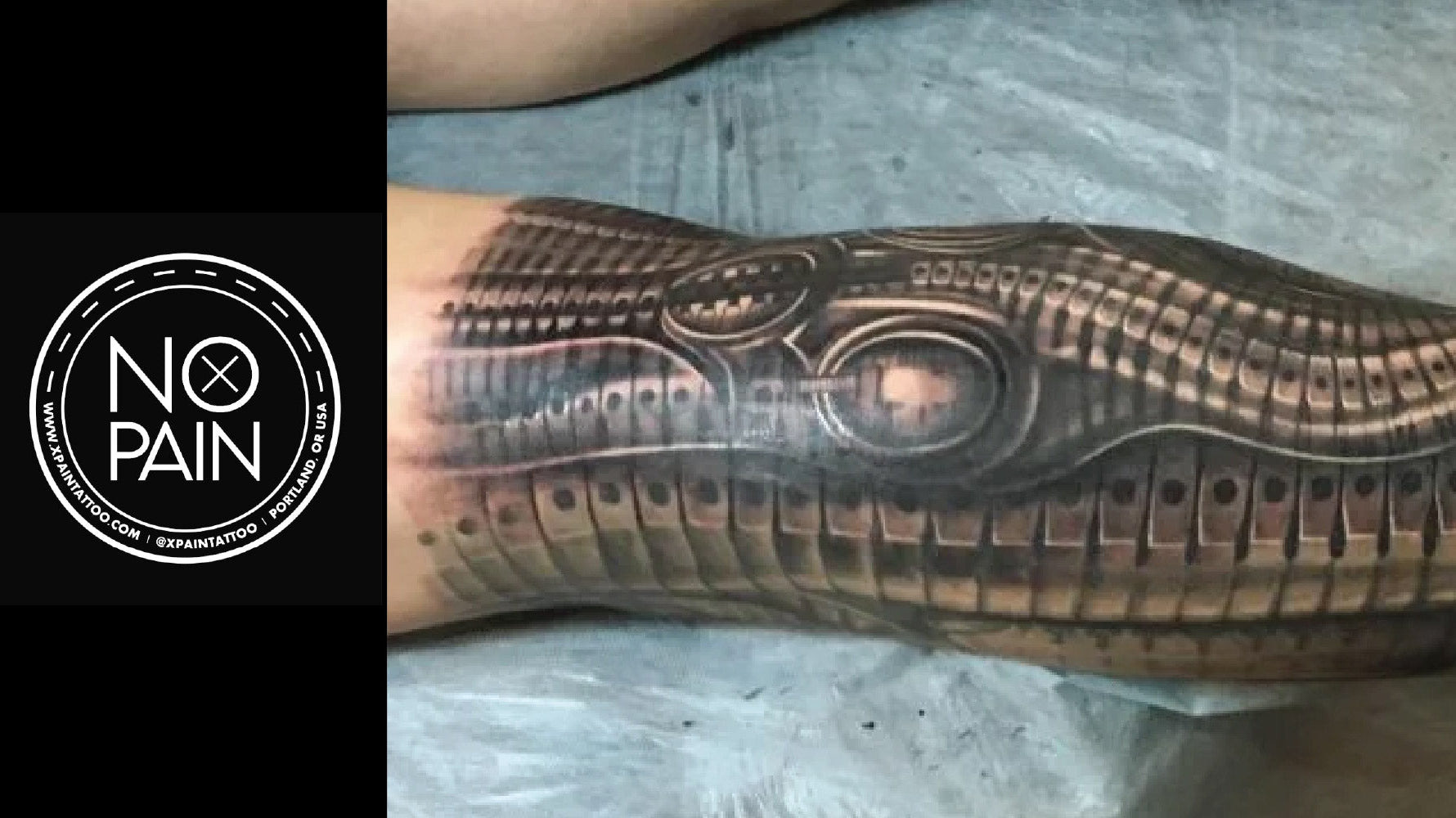
Biomechanical Tattoo: Style Guide, Best Placements, and What to Expect
A biomechanical tattoo is a style of body art that creates the illusion of machinery, robotics, or organic alien structures beneath the skin, as if the surface has been peeled...

Semicolon Tattoo: Meaning, Design Ideas, and Placement Guide
A semicolon tattoo means your story isn't over. In writing, a semicolon connects two thoughts the author could have ended separately, but chose not to. For millions of people worldwide,...
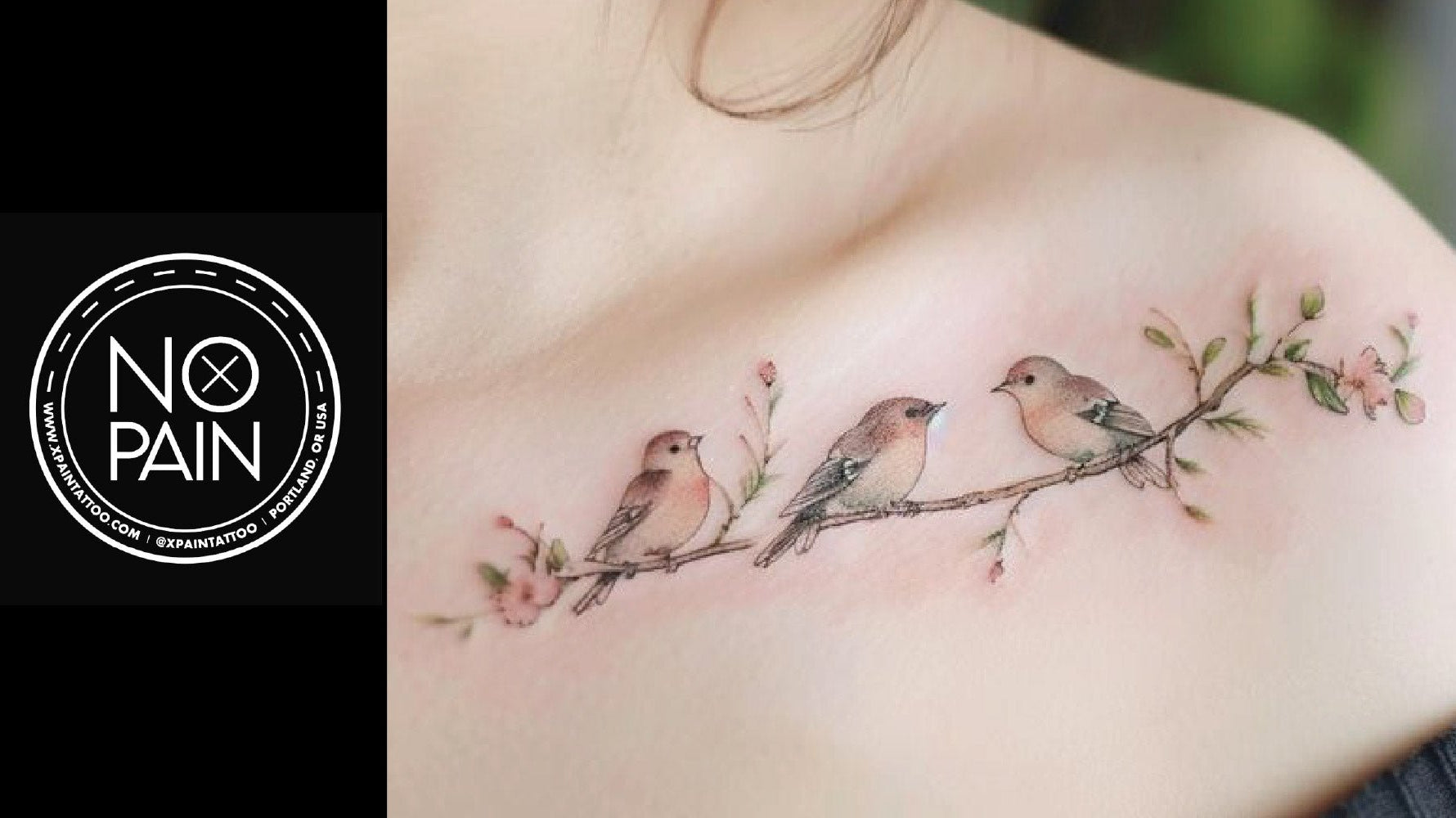
Fine Line Tattoo: What It Is, How It Ages, and How to Find the Right Artist
Fine line tattooing is a technique that uses very small needle groupings (often just one to three needles) to create thin, precise lines and intricate detail. The result is a...
How to Use Tattoo Transfer Paper: A Complete Step-by-Step Guide
Every tattoo starts as a drawing on paper. Before a single drop of ink enters your skin, your artist maps the design precisely onto the area using transfer paper. This...
Does a Cover-Up Tattoo Hurt More Than the Original?
The honest answer is: sometimes, in specific ways, yes. But for most people, cover-up sessions are no more painful than the original, and often easier to get through because the...
A Guide to the Different Types of Tattoo Needles (And Why They Matter)
Tattoo needles aren't a single thing—there's a range of configurations, each designed for a specific function. Artists choose between them constantly during a session, often switching multiple times. Understanding the...
What's the Best Way to Combine Tattoos into a Sleeve?
A sleeve that looks cohesive is almost always the result of planning—it rarely happens by accident across multiple sessions and artists over years. Whether you're starting with a blank arm...