


A semicolon tattoo means your story isn't over. In writing, a semicolon connects two thoughts the author could have ended separately, but chose not to. For millions of people worldwide, that small punctuation mark has become one of the most personal tattoos you can get: a quiet, permanent declaration that you kept going.
This guide covers what the symbol means and where it came from, the best design ideas, which placements work and how much they hurt, and how to care for a semicolon tattoo once it's done.
In this guide
- What does a semicolon tattoo mean?
- Project Semicolon: where the movement started
- Semicolon tattoo design ideas
- Where to put a semicolon tattoo
- Does a semicolon tattoo hurt?
- Aftercare for your semicolon tattoo
- FAQ
What does a semicolon tattoo mean?
The semicolon tattoo is a symbol of survival and continuation. It represents a moment where someone's story could have ended because of depression, anxiety, addiction, suicidal thoughts, or another mental health struggle. They chose to keep going.
The meaning draws directly from grammar. When a writer uses a semicolon instead of a period, they're saying: this sentence isn't done yet. Applied to a life, the message is the same.
For most people who wear it, the tattoo does three things at once. It's a personal reminder of what they came through. It's a signal to others who've been through similar things, an unspoken way of saying "me too." And it contributes to a broader conversation about mental health that, for most of history, didn't happen in public at all.
Not everyone who gets a semicolon tattoo has experienced a crisis firsthand. Some get it in memory of someone they lost. Some wear it in support of someone they love who is still fighting. Some simply identify with what it stands for and want to be part of the community it represents. None of those reasons require justification.
Project Semicolon: where the movement started
Project Semicolon was founded in 2013 by Amy Bleuel, whose father died by suicide. She chose the semicolon because its grammar meaning mapped cleanly onto the mental health experience: the author choosing to continue rather than end the sentence. She turned it into a symbol specifically for people struggling with depression, anxiety, addiction, self-harm, and suicidal ideation.
The organization asked people to draw a semicolon on their wrists on April 16, 2013. What started as a single social media moment grew into a global movement. The tattoo followed naturally: if you were going to carry the symbol, some people wanted to carry it permanently.
By the mid-2010s, the semicolon tattoo was one of the most widely recognized symbols in mental health culture. It appeared on celebrities, in news coverage, and in tattoo studios around the world. The Project Semicolon non-profit operated until 2021, when it ceased activities, but the meaning of the tattoo has outlasted the organization that created it.
Amy Bleuel died by suicide in 2017. The community she built continues to use the symbol she created.
Semicolon tattoo design ideas
The simplest semicolon tattoo is exactly what it sounds like: a clean punctuation mark, done in black ink, small enough to sit on a wrist or behind an ear. For many people, that minimalism is the whole point. The symbol carries enough weight without any additional elements.
There's a wide range of ways artists interpret it, though.
Simple and minimalist. A fine-line semicolon in black ink, nothing added. The most common version and the most recognizable. Fine-line artists handle this best: the key is getting clean curves on the dot and comma tail without blowout on thin skin. Ask to see healed examples of fine-line work, not just fresh photos.
Semicolon with a butterfly. One of the most popular variations: the top dot becomes the body of a butterfly, wings spreading upward. The butterfly adds a layer of meaning (transformation, new beginning) and gives the artist more to work with visually. Works well on the wrist or upper arm.
Heart-integrated semicolon. The top dot is replaced with a small heart. Common, clean, and warm. Works at very small sizes without losing clarity.
Floral semicolon. The dot and tail become part of a botanical arrangement: a single flower, a branch, small leaves. Tends to run slightly larger and sits well on the forearm or collarbone.
Word or phrase integration. Some people pair the semicolon with a word: "continue," "breathe," "enough," "still here," either woven into the design or placed as a separate piece nearby. Script in this context often goes on the inner forearm so it reads when you look down at your arm.
Color ink. Teal, yellow, and purple are common choices in the mental health awareness context: teal is associated with mental health awareness, yellow with suicide prevention. These add meaning without complicating the design and hold reasonably well in small tattoos.
Where to put a semicolon tattoo
The inner wrist is the most traditional placement, and there's a practical reason: visibility. The whole point of the symbol is that you and others can see it. The inner wrist reads naturally when you glance down and is easy to show when you want to.
Beyond the wrist, these placements all work well:
Behind the ear. Discreet, visible when your hair is up. Heals slightly harder than the wrist because the area is difficult to keep clean and tends to get covered by hair. Pain level is moderate: the thin skin over cartilage and proximity to the skull make it sharper than the size suggests.
Inner wrist. The classic. Small tattoos look proportional here, and the design reads clearly at tiny sizes. The medial cutaneous nerve running up the forearm means you'll feel this one, but most semicolons are small enough that the session is brief.
Ankle. Good visibility with sandals or shorts, popular for people who want the symbol accessible but not always on display. The inner ankle sits over bone and is one of the sharper placements on the lower leg. The outer ankle is more tolerable.
Finger. Minimal and intimate. Fair warning: finger tattoos fade faster than almost any other placement: constant flexion, rapid cell turnover, and friction erode the ink quickly. Touch-ups every one to three years are realistic if you go this route.
Collarbone or décolletage. Personal, less visible, still works at small sizes. The collarbone sits directly over bone and runs along the supraclavicular nerve. Pain tends to be higher here than most people expect.
Inner arm / inner bicep. More private. Medium pain for most of the placement, edging higher toward the armpit where the skin is thinner.
Ribcage. Concealed, personal. One of the more painful placements due to thin skin over ribs, intercostal nerve exposure, and the breathing movement during the session. Meaningful choice for a meaningful tattoo, but go in prepared.
Does a semicolon tattoo hurt?
The design is about as small as tattoos get. Most sessions are under 30 minutes. That limits the total time you're in discomfort considerably: even a painful placement is over fast.
That said, most of the popular semicolon placements are on the sharper end of the pain scale. Inner wrist, ankle, behind the ear, and collarbone all involve thin skin close to bone or dense nerve supply. If you're headed to any of those spots, numbing cream is worth using.

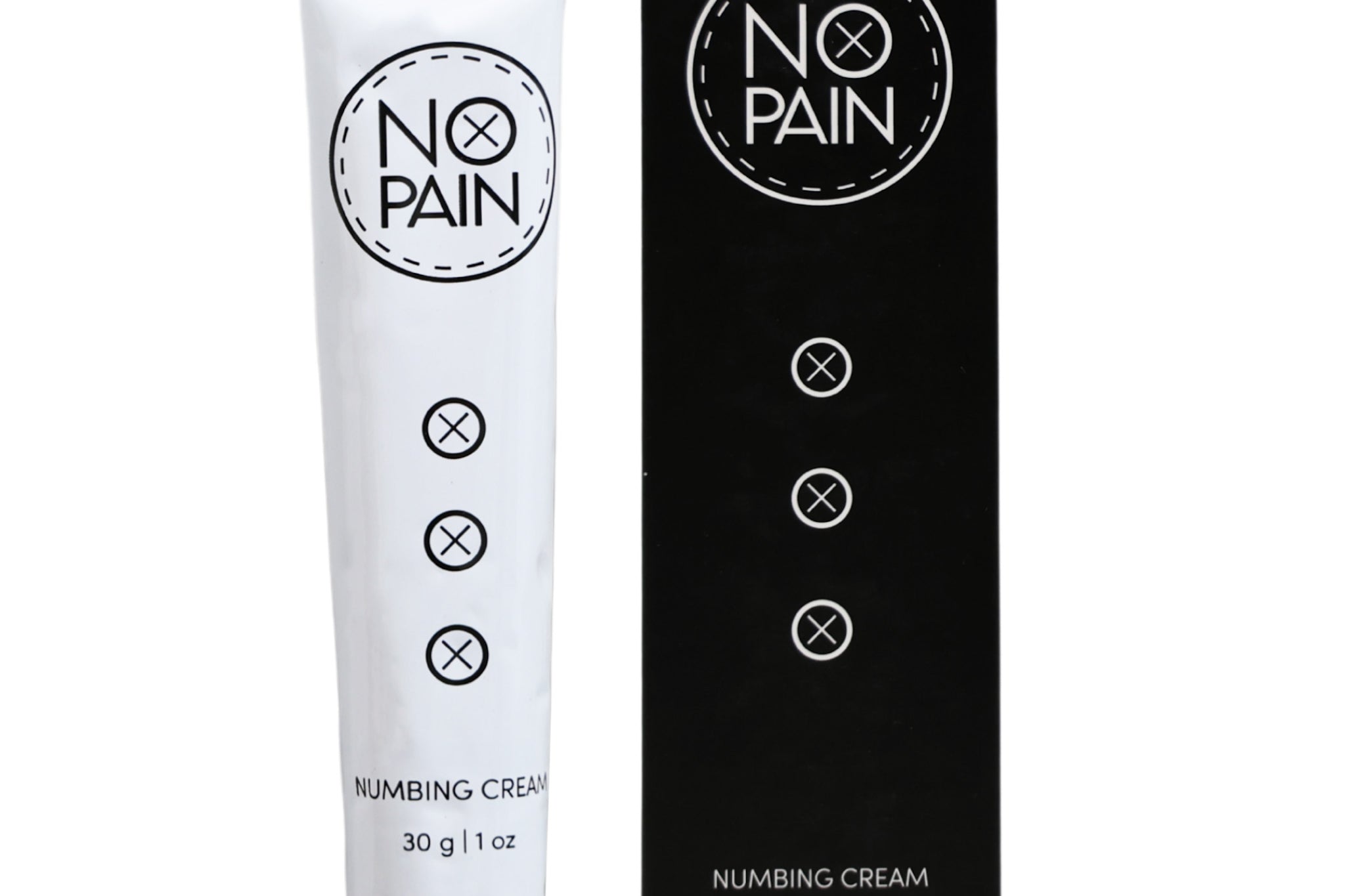
Maximum strength lidocaine in a thick, slow-absorbing base that penetrates deeper into the dermis and lasts longer than thinner formulas. Apply two coats under cling film, wait 90 to 120 minutes. Thin-skinned placements like the inner wrist, ankle, and behind the ear absorb the cream especially well.
Shop Numbing Cream: $30
Apply the cream at least 90 to 120 minutes before your appointment. Cover with cling film and leave it on until your artist is ready to start. The thinner skin at popular semicolon placements absorbs lidocaine faster than thicker-skinned areas, which works in your favor.
Aftercare for your semicolon tattoo
Small tattoo, same aftercare as any other. The design may be minimal, but the placements aren't always easy to heal. Wrist and ankle tattoos deal with constant movement; behind-the-ear tattoos sit under hair that traps moisture.
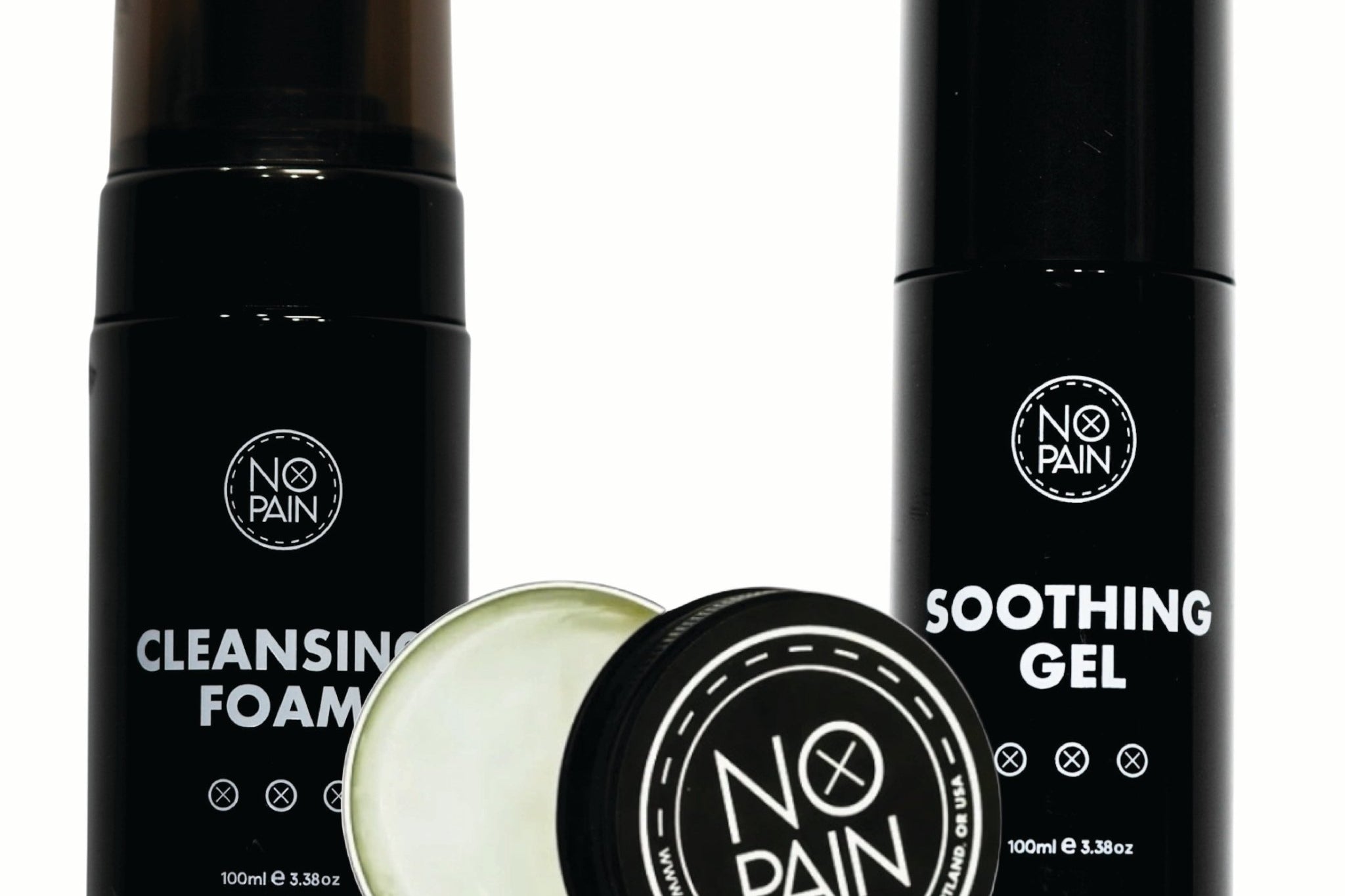
For the first three to six days: wash twice daily with a fragrance-free liquid soap, pat dry with a paper towel, and apply a thin layer of soothing gel. The gel keeps inflammation down and maintains the right moisture level for the surface to close without forming thick scabs, which on fine-line work can pull ink out and blur thin lines.

Cooling relief for the first week. Apply a thin layer after every wash. Keeps inflammation down and helps your semicolon tattoo heal without thick scabbing that can blur fine lines or pull ink from the crisp dot.
Shop Soothing Gel: $15
Around day two or three, switch to an aftercare balm. The balm's oil-and-butter base locks in moisture without blocking the skin: the right move for the peeling and itching phase.
A few placement-specific notes: wrist tattoos face constant flexion and clothing contact. Keep the area loose, avoid watches and bracelets for two weeks, and don't scrub it in the shower. Behind-the-ear tattoos need extra attention: pull your hair back so it doesn't mat against the healing skin, and check it daily for redness spreading outward, which is one sign of infection.
Long-term: apply sunscreen over your healed semicolon tattoo whenever you're in the sun. Fine-line work on high-UV placements like the wrist and ankle spreads and fades faster than the same design on a less-exposed spot. SPF 30 or higher, mineral or chemical, applied consistently, keeps it looking sharp for longer.

No Pain Tattoo Aftercare Bundle
Soothing gel for the first week, aftercare balm for week two, and cleansing foam for daily washing, everything your semicolon tattoo needs to heal cleanly and stay crisp. Backed by a money-back guarantee.
Shop Aftercare Bundle: $33.60FAQ
What does a semicolon tattoo mean?
A semicolon tattoo means your story isn't over. It's based on the grammar meaning of a semicolon, representing a pause not an ending, and has been adopted as a symbol of survival and continuation by people who have faced mental health crises, depression, addiction, or suicidal thoughts. The symbol was popularized by Project Semicolon, a movement founded in 2013 by Amy Bleuel.
Do you have to have experienced a mental health struggle to get a semicolon tattoo?
No. Many people get it in memory of someone they lost, in support of someone they love who is still fighting, or simply because they identify with what it represents. The community around the symbol is welcoming rather than exclusive. You don't need to justify your reason for getting it.
Where is the best placement for a semicolon tattoo?
The inner wrist is the most traditional choice because it's visible to you when you need a reminder and visible to others when you choose to share the meaning. Behind the ear, the ankle, and the collarbone are other popular options. Finger placements look clean initially but fade faster than almost any other spot due to constant flexion and friction. Plan for touch-ups if you go that route.
Does a semicolon tattoo hurt?
The design is small, so even a sharp placement is over quickly: most sessions are under 30 minutes. That said, many popular semicolon placements (inner wrist, ankle, behind the ear, collarbone) involve thin skin close to bone or dense nerve supply, so the sensation can be intense even if it's brief. Maximum strength numbing cream applied 90 to 120 minutes before your session takes the edge off all of them.
Why does the semicolon represent mental health?
Because in grammar, a semicolon means the author chose to continue rather than end the sentence. Project Semicolon applied that directly to mental health: you are the author, your life is the sentence. If you're still here, you made the choice to keep going. That framing resonated because it's direct, non-clinical, and frames survival as an act of authorship rather than passivity.
How do I take care of a semicolon tattoo after getting it?
Wash it twice daily with fragrance-free liquid soap, pat dry, and apply a thin layer of soothing gel for the first three to six days. Switch to an aftercare balm around day two or three as the peeling phase begins. Avoid soaking it, keep watches and tight sleeves away from wrist placements, and apply sunscreen over it once fully healed, especially on high-sun-exposure spots like the wrist and ankle.