

The honest answer is: sometimes, in specific ways, yes. But for most people, cover-up sessions are no more painful than the original, and often easier to get through because the session is shorter and more targeted.
What does change is the quality of the sensation. Cover-up work involves tattooing over skin that's already been worked. That changes how the needle feels, how the skin responds, and how much the artist has to push to achieve the result. Understanding what's actually different helps you know what to expect and how to prepare.
In this guide
- Why scar tissue feels different
- The ink density factor
- Placement still matters most
- How to prepare
- FAQ
Why scar tissue feels different
Every tattoo creates a small amount of scar tissue in the dermis: this is the layer where ink is deposited and where it stays permanently. When an artist works over an existing tattoo, the needle is passing through skin that has already gone through that repair process. The nerve endings in scar tissue can be more reactive than in untouched skin. Some people describe it as feeling sharper or more sensitive; others notice no difference at all.
The degree of scar tissue varies. A clean, well-healed older tattoo from a skilled artist has relatively little. A tattoo that was overworked, touched up multiple times, or healed with complications may have more pronounced scar tissue that responds more intensely to the needle. If you've had laser lightening done before the cover-up, those sessions add their own layer of tissue change, and the skin may behave differently again.
There's no reliable way to predict in advance exactly how your skin will respond. The most useful thing to know is that the difference, when it exists, is usually in the character of the sensation rather than the intensity: sharper rather than louder.
The ink density factor
To cover an existing tattoo, an artist typically needs to deposit more ink than they would in a first-time piece. Covering dark lines or solid fills requires saturation, and achieving that often means multiple passes over the same area. Each pass over already-worked skin adds cumulative rawness to the session. This is what most people actually notice in a cover-up: not the first pass, but the third or fourth over a section that's already been through it twice.
The extent of this depends on what's being covered. A faded, light tattoo requires less correction. A dense black piece being transformed into something entirely different is a harder ask from the artist and a harder session for the client. Large cover-up pieces that require extensive reworking are among the more demanding sessions an experienced client can sit through, specifically because of this cumulative layering effect.
Placement still matters most
Even with scar tissue and ink density factored in, placement remains the biggest variable in how much a cover-up hurts. A cover-up on the outer thigh is going to feel more manageable than a first-timer's rib piece, regardless of the scar tissue involved. The anatomy of where the needle is working (how close to bone, how dense the nerve supply, how thin the skin) dominates the experience.
If your cover-up is in the same location as the original, you already know what that placement feels like. Factor in that it may be slightly more intense on worked skin, but you're not going in blind. That familiarity counts for something: knowing what to expect makes the same sensation meaningfully easier to sit through.
How to prepare
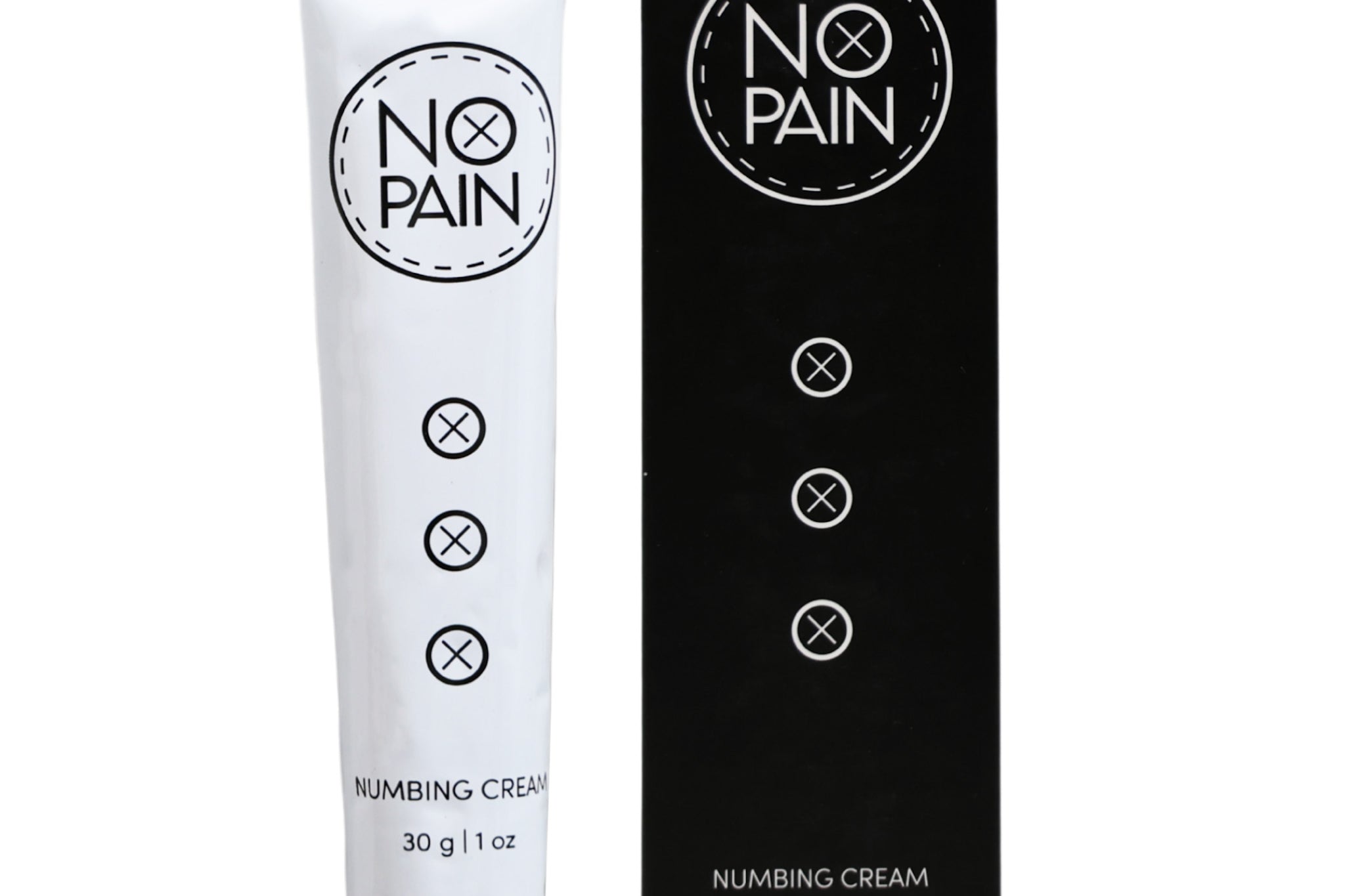
Numbing cream is worth taking seriously for cover-up work specifically because of the scar tissue sensitivity and the likelihood of multiple passes. Applied 90 to 120 minutes before the session under plastic wrap, maximum strength cream dulls both the initial contact and the compounding rawness of repeated passes over the same area. For a longer cover-up session, the spray extends that relief on broken skin mid-session.

Maximum strength formula with a thick, slow-absorbing base that penetrates deeper and lasts longer than thinner creams. Apply 90 to 120 minutes before your session under plastic wrap. Backed by a money-back guarantee.
Shop Numbing Cream: $30
A cover-up is still a fresh tattoo underneath, and it needs the same aftercare as any other piece. The skin has been worked harder in most cases, so consistency with the healing routine matters at least as much as it did the first time.

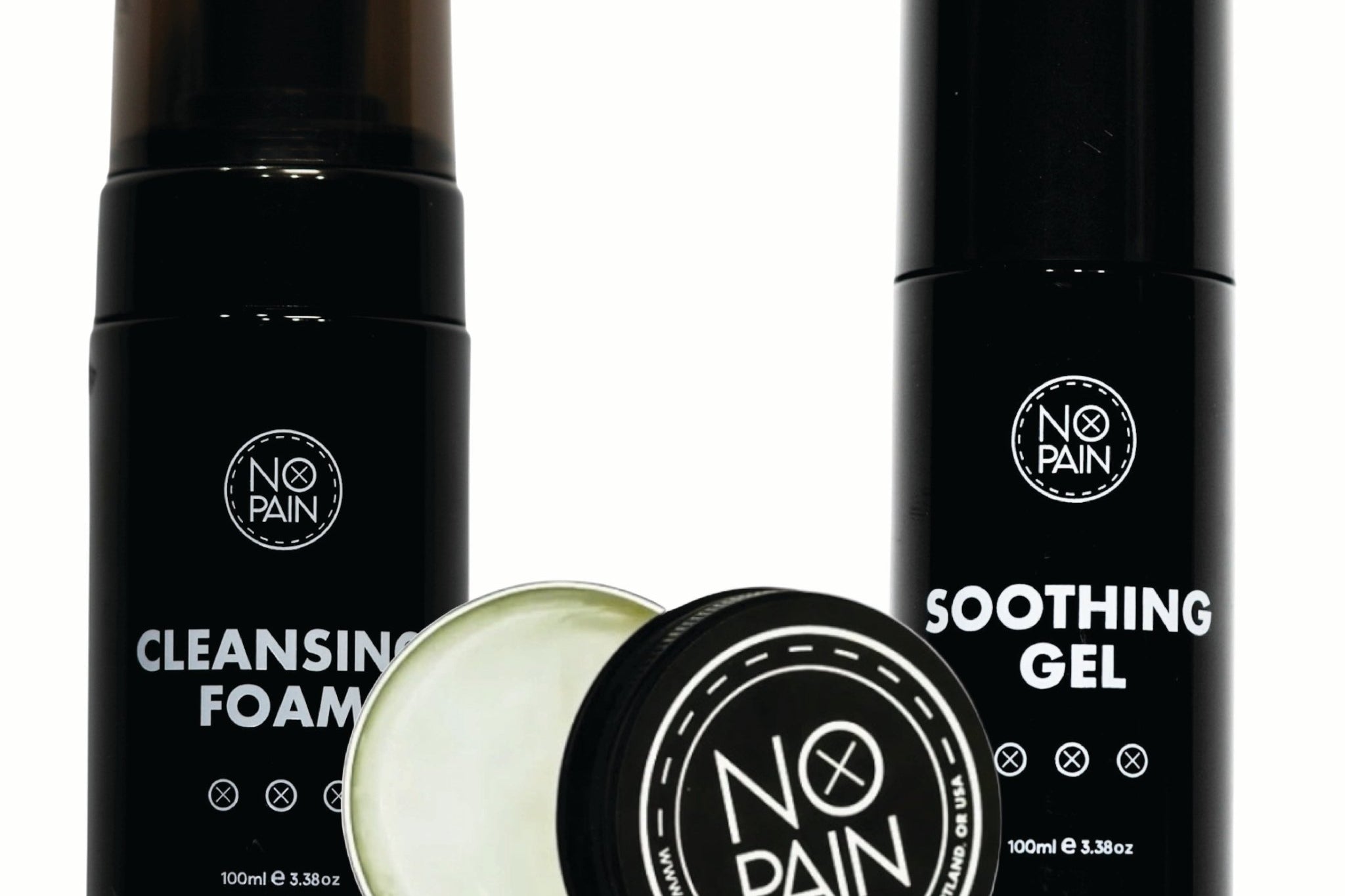
No Pain Tattoo Aftercare Bundle
Soothing gel for the first days, aftercare balm from day two or three, and cleansing foam for daily washing. Everything you need from day one. Backed by a money-back guarantee.
Shop Aftercare Bundle: $33.60FAQ
Does a cover-up tattoo hurt more than the original?
Not always, but it can feel different. Scar tissue from the original tattoo may be more reactive to the needle, and cover-up work often requires multiple passes over the same area to achieve saturation, which compounds the rawness over a session. For many people the cover-up is shorter and more targeted than the original, which makes it easier overall even if the sensation is slightly sharper in places.
Why does tattooing over scar tissue feel different?
The dermis where ink is stored goes through a repair process after tattooing that leaves a small amount of scar tissue. Nerve endings in that reworked tissue can be more reactive than in untouched skin. The effect varies by person and by how much scar tissue the original tattoo produced. Heavily reworked or overworked skin tends to respond more intensely than a clean, single-session piece.
Do cover-ups over laser-lightened skin hurt more?
Laser sessions cause their own tissue changes and can alter skin texture and sensitivity in the treated area. Some people find laser-lightened skin slightly more reactive during the subsequent tattoo; others notice no difference. The benefit of lighter skin from laser is that the artist has more flexibility with the new design and needs fewer passes to achieve coverage, which can offset any added sensitivity.
Does a larger cover-up hurt more than a smaller one?
Generally yes, for two reasons. Larger pieces take longer, and session fatigue accumulates over time. They also tend to require more ink density work, meaning more passes over already-worked skin. A small, targeted cover-up that takes an hour is a very different experience from a large piece requiring multiple sessions to fully transform the original.
Can numbing cream help with cover-up tattoo pain?
Yes, and it's particularly worth using for cover-up work. The scar tissue sensitivity and the likelihood of multiple passes over the same area are exactly what numbing cream addresses. Applied correctly 90 to 120 minutes before the session under plastic wrap, maximum strength cream reduces both the initial sensation and the cumulative rawness that builds during dense ink work.
How do I know if my skin is ready for a cover-up?
The tattoo being covered needs to be fully healed, not just surface-healed but settled at the dermal level, which typically takes three to six months minimum. Older, well-faded tattoos are easier to cover than fresh, dark ones. Your cover-up artist will assess the existing tattoo at consultation and may recommend laser lightening first if the original is too dense for the new design to work effectively over it.