


Some tattoos look like a natural extension of the person wearing them. Others look like a sticker applied to skin without regard for the anatomy underneath. The difference is almost always flow — whether the design works with the body's lines and curves or ignores them.
Here's how to think about flow before you get to the consultation.
In this guide
- Your body is not a flat canvas
- Matching design shape to placement
- How muscle and bone affect the design
- Making a sleeve flow as one piece
- Trusting your artist on placement
- Aftercare for large flowing pieces
- FAQ
Your body is not a flat canvas
The most common planning mistake is thinking of skin as a flat surface. Your body is three-dimensional, constantly in motion, and shaped by muscle groups, bones, and curves that vary depending on how you're standing, sitting, or flexing. A design that looks perfect in a flat reference image can read completely differently on a body once those curves come into play.
Good tattoo flow design accounts for this. It asks: how does this design look when the arm is hanging at rest? When the muscle is flexed? When the person is seated and the leg is compressed rather than extended? An artist who thinks this way during the design phase produces a very different result from one who doesn't.
Matching design shape to placement
Long, narrow placements (forearms, calves, shins). Vertical designs work best here — daggers, snakes, floral columns, tall figures, or scripts that run lengthwise. A horizontal design on a vertical canvas creates awkward negative space and compresses the composition. The design should run in the same direction as the limb.
Round or roughly square placements (shoulders, kneecaps, upper chest, bicep face). Circular or symmetrical compositions sit naturally here. Animal faces, mandalas, round florals, and traditional circular motifs all read well because their shape mirrors the shape of the body part they're sitting on.
Large, broad placements (back, thighs, ribcage). These allow for mural-scale compositions with a central subject and surrounding environmental elements — background clouds, water, smoke, or botanical detail that fills toward the edges. The key is having a clear focal point and letting the supporting elements follow the natural taper and curve of the body rather than fighting it.
How muscle and bone affect the design
Skilled artists design around muscle groups rather than treating them as obstacles. A design that wraps the bicep follows the curve of the muscle and reads differently when the arm is relaxed versus flexed — and a well-designed piece accounts for both states. A snake coiling around the forearm, a dragon winding up the calf, a floral piece cascading down the spine: each of these works because the design acknowledges the form underneath.
Bone creates different considerations. On bony areas — shin, collarbone, elbow ditch — the skin is thin and the needle is closer to the surface, which affects both the sensation during the session and how the ink settles. Artists who work frequently over bone adjust their approach; designs placed there should be planned with an artist experienced in those placements.
Making a sleeve flow as one piece
A sleeve that reads as one unified composition rather than a collection of separate tattoos achieves this through a consistent visual thread — usually a background element that connects the individual pieces. Soft clouds, smoke, water, or geometric linework can flow between hero images, creating a sense of continuous movement from shoulder to wrist.
The filler isn't filler in the dismissive sense — it's often the element that makes or breaks the sleeve's cohesion. It needs to be designed relative to what's already there, adjusting its density and character around each existing piece. This is why sleeve planning works best when you discuss the full composition with one artist rather than treating each addition as an independent decision.
Trusting your artist on placement
You don't need to be an expert in anatomical design — you need to find an artist who is. A skilled artist will often suggest rotating a design slightly, changing its orientation, adjusting its size, or shifting its position by a few centimeters to account for how it will read on your specific body.
These suggestions are generally worth taking seriously. An artist who makes them is doing exactly what you're paying them for. Bringing clear references and a clear sense of what you want is important — but being open to compositional adjustments within those parameters is what separates a good result from a great one.
Large flowing pieces — full sleeves, chest panels, back pieces — often require multiple long sessions. Managing those sessions comfortably helps your artist do their best work: staying still through a six-hour session is much easier than gritting through four hours of accumulated pain.

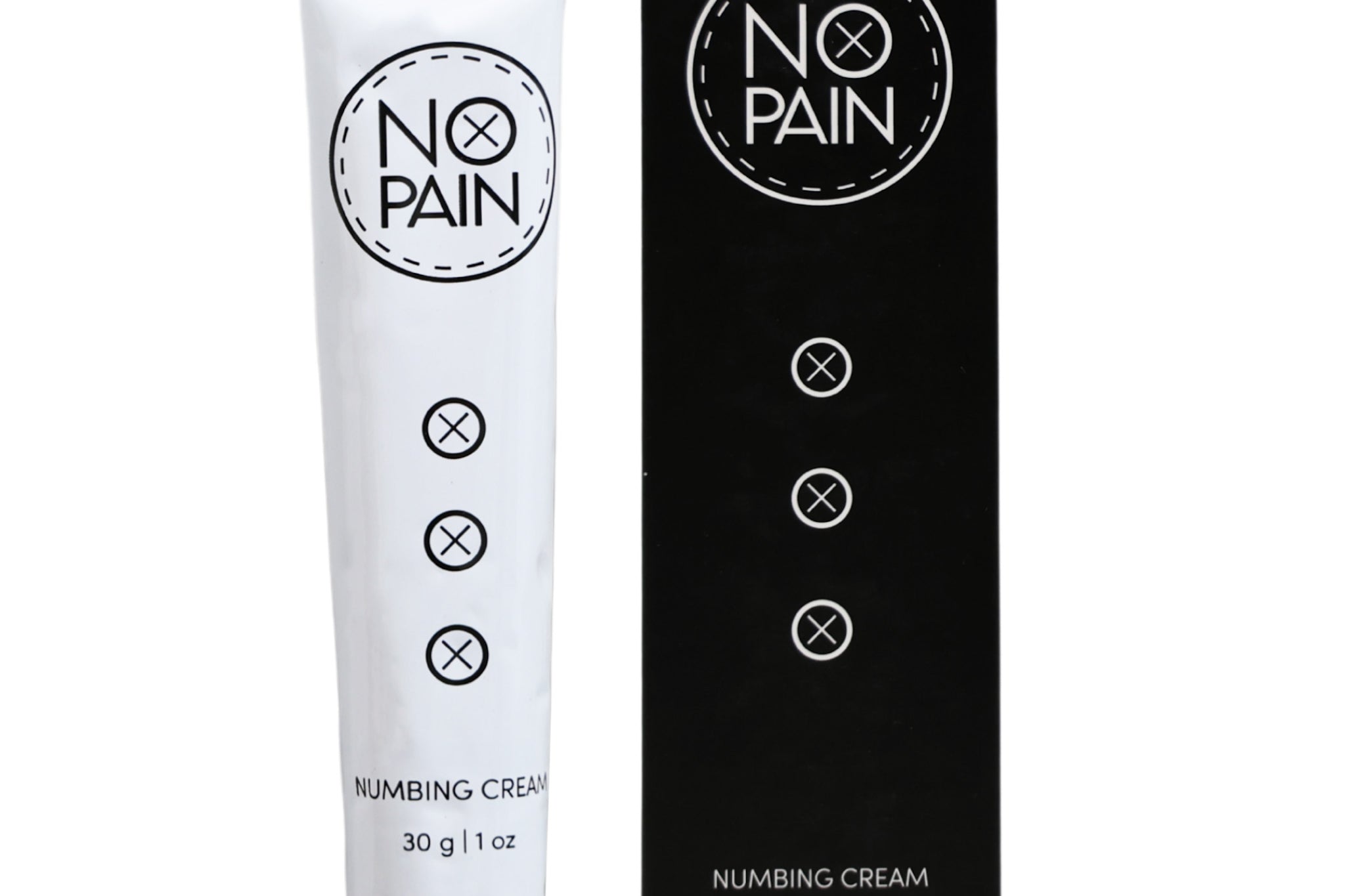
Numbing cream and numbing spray for sessions that run long. The cream handles pre-session numbing; the spray extends relief through extended work. Staying still through a long session is one of the best things you can do for a flowing, detailed piece. 100% money-back guarantee.
Aftercare for large flowing pieces
Large pieces that cover significant surface area have more skin to heal. Consistent aftercare across the whole piece — not just the freshest section — is important for getting an even, clean result.
Aftercare for Every Session
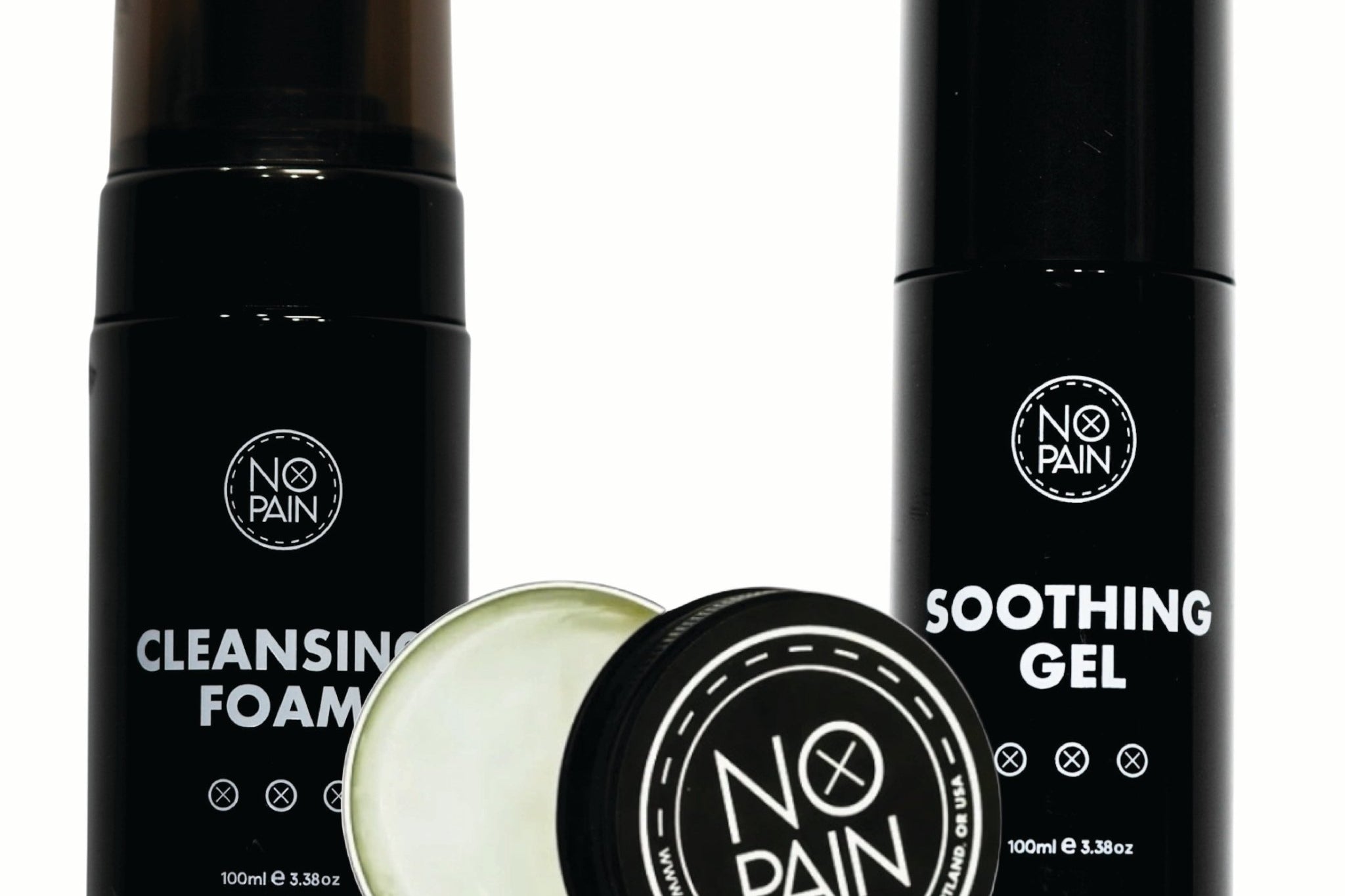
The Aftercare Bundle covers everything: cleansing foam for daily washing, soothing gel for the first few days, balm from day three onward. Consistent use means less heavy scabbing and a cleaner heal across the full piece.
Shop the Aftercare Bundle →Formulated at Historic Tattoo in Portland, Oregon. 100% money-back guarantee.
FAQ
What does "tattoo flow" mean?
Flow refers to how well a tattoo design works with the natural lines, curves, and anatomy of the body it's placed on. A tattoo with good flow looks like it belongs on the body rather than applied to it — the design's direction, shape, and composition all complement the underlying anatomy rather than fighting it.
How do I make my tattoo flow with my body?
The biggest factors are matching the design's shape to the body part (vertical designs on vertical placements, round designs on curved areas), choosing an artist experienced in anatomical composition, and being open to their suggestions about rotation, sizing, and exact placement. The design decisions made before the needle touches skin are what determine flow — it can't be added after the fact.
How do I make a sleeve flow?
A sleeve flows when the individual pieces are connected by a consistent background element — clouds, smoke, water, botanical detail, or geometric linework — that gives the eye a path to follow from shoulder to wrist. The filler and background work is what transforms a collection of separate tattoos into a unified composition. Have one artist handle this connective work rather than adding pieces from multiple artists with no planned connection between them.
Does tattoo placement affect how it looks?
Substantially. The same design can look dramatically different at different placements because the body's curves, muscle movement, and skin texture vary. A design on the outer bicep reads differently when the arm is flexed versus relaxed. A piece on the ribs compresses differently sitting versus standing. An experienced artist previews design placement with this in mind and adjusts accordingly.
Should I let my artist choose the placement?
Ideally, it's a collaboration. Come with a clear sense of the body area you want and any placement preferences you have. Then take your artist's suggestions seriously if they propose adjustments — they're looking at how the design will interact with your specific anatomy, which is information they have and you don't. Most compositional adjustments are improvements.