


The single most reliable way to tell the difference: track the direction of change. Normal healing irritation gets better each day. Infection gets worse. A tattoo that looks angry on day two but feels better on day four is healing. A tattoo that looks worse on day four than it did on day two is a problem. Here's what to look for at each stage.
In this article
- What normal irritation looks like, day by day
- What infection actually looks like
- The gray zone: things that look alarming but usually aren't
- What to do in each case
- Frequently asked questions
What Normal Irritation Looks Like, Day by Day
A new tattoo is a wound that's been punctured thousands of times. The body's inflammatory response to that is predictable and normal, and it looks alarming if you don't know what to expect.
Days 1 to 3. The tattoo will be red, raised, and warm to the touch. The surrounding skin may look pink or inflamed for an inch or two beyond the design. The area will feel tender and sore, similar to a bad sunburn or a fresh scrape. You'll see the wound weeping a thin, clear or slightly straw-colored fluid: this is plasma, part of your body's normal healing response, and it carries a small amount of surface ink with it. Swelling peaks in the first 48 hours and then begins to subside. All of this is expected.
Days 4 to 7. The redness and swelling should be noticeably less than at their peak. The weeping stops. The skin begins to feel tight as it starts to close. You'll likely start to see peeling and flaking as the outer layer of the epidermis sheds. The tattoo may look dull, milky, or muted under a thin layer of new skin. Itching often starts in this window as the nerves beneath the surface regenerate. All of this is expected.
Days 8 to 14. Surface healing continues. The area looks better with each passing day. Flaking resolves. Itching remains common. The tattoo looks increasingly settled as the milky film clears. Some raised texture or slight sheen is still normal in this phase.
The key characteristic across all of this: consistent improvement. If every day is at least a little better than the day before, you're healing normally. For the full week-by-week breakdown of what's happening biologically, see the healing process guide.
What Infection Actually Looks Like
Infection has a different signature. The symptoms don't follow the same improving trajectory. They plateau, then get worse. Here are the specific signs that indicate something more than normal healing.
Worsening pain and swelling after day 3. Some pain and swelling in the first 48 to 72 hours is expected. If pain is intensifying after day three rather than subsiding, that's a warning sign. The swelling should be decreasing by this point, not increasing. Redness that spreads beyond the original area, or that deepens from a sunburn pink to an angry, throbbing red, is also concerning.
Red streaks radiating from the tattoo. This is a serious sign. Streaking redness extending away from the tattoo in a line suggests the infection may be spreading through the lymphatic system (lymphangitis). This needs same-day medical attention.
Pus or colored discharge. Normal weeping fluid is clear or very slightly yellowish and watery. Infection produces thick, opaque discharge that is yellow, green, or gray. Any colored discharge from the tattoo after the first day or two warrants attention. A foul odor coming from the wound is another clear sign.
Pus-filled bumps directly on the tattoo. A cluster of small, pus-filled spots that forms on the tattooed area (not the surrounding skin) can indicate a staph infection. This is different from the small pimples that can appear on the surrounding skin from clogged pores, which are common and benign.
Fever, chills, or flu-like symptoms. If the local symptoms above are accompanied by a raised temperature, chills, or muscle aches, the infection may be systemic. See a doctor the same day. For a detailed breakdown of all infection warning signs and what to do if you have them, see the infected tattoo guide.
The Gray Zone: Things That Look Alarming But Usually Aren't
Some common scenarios alarm people but don't indicate infection.
Ink in the weeping fluid. Seeing ink in the clear plasma that weeps from a fresh tattoo is normal. This is excess ink from the upper epidermis, not the dermis where the tattoo lives. It doesn't mean the tattoo is ruined and it doesn't indicate infection.
Small white or pale bumps under the surface. If a tattoo is heavily moisturized or wrapped for extended periods, small milia (closed comedones) can form under the skin. These look like small white bumps beneath the surface and are not infectious. They resolve on their own when moisturizing is reduced and the skin is allowed to breathe.
Heat radiating from the tattoo after the first week. Localized warmth that persists longer than expected but isn't accompanied by increasing redness, swelling, or pain is usually just the skin still working through the inflammatory phase. It's more common with large pieces or heavily worked areas. If the warmth is the only symptom and everything else is improving, it's not a sign of infection on its own.
An allergic reaction to ink. Red ink in particular is associated with allergic reactions in some people. An allergic reaction to ink looks different from infection: the tattoo will be raised and itchy, often specifically over red-pigmented areas, and will react to sun exposure. It won't produce pus, and it won't be accompanied by fever. Allergic reactions are rare but do occur, and they require different management than infection.
Peeling that looks like damaged skin. The peeling phase in week two can look dramatic. Flakes of opaque, grey-white skin shedding from the tattoo can look like damage. This is the outer epidermis completing its renewal cycle. As long as the skin underneath looks clear and improving, it's normal.
What to Do in Each Case
If everything is improving day by day, you're in normal healing territory. The management is the same regardless of how irritated it looks: wash twice daily with a gentle, fragrance-free liquid soap, apply a thin layer of aftercare product after each wash, and keep it away from soaking, sun, and gym surfaces. For the mistakes that push normal healing toward complications, see the aftercare mistakes guide.
If you're seeing any of the infection signs above, especially worsening pain past day three, colored discharge, pus-filled bumps, or streaking redness, see a doctor. Don't wait to see if it improves on its own. Tattoo infections respond well to antibiotics when caught early. They can damage the tattoo permanently and spread if left untreated.
If you're genuinely unsure, err on the side of calling a doctor. The cost of a visit you didn't need is far lower than the cost of a delayed infection diagnosis.

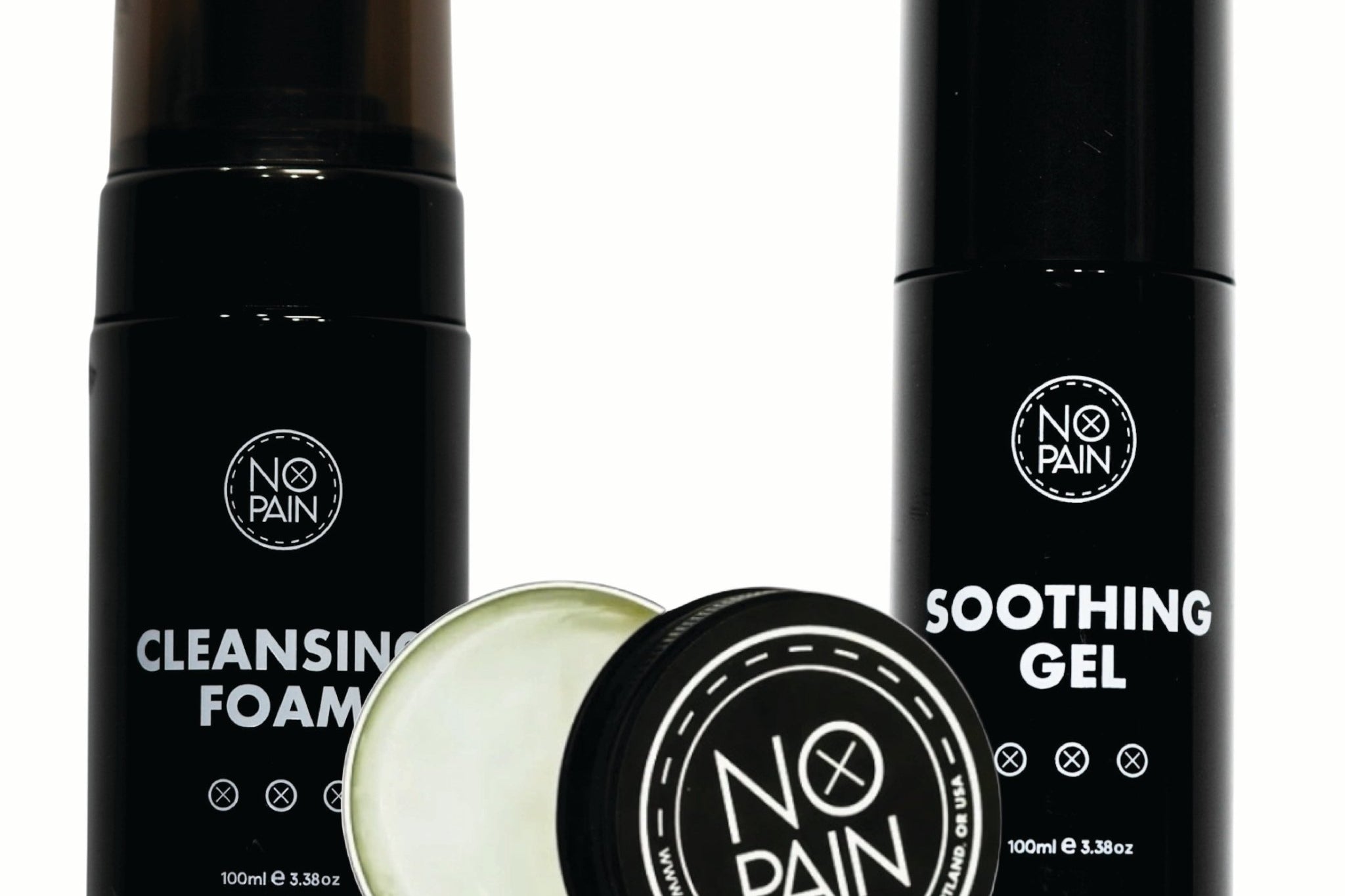
A lightweight, breathable gel that calms the redness and sting of a fresh tattoo without trapping heat or moisture. Apply after each wash in the first few days. Helps the healing skin stay comfortable while the wound closes cleanly.
Frequently asked questions
How do I know if my tattoo is infected or just healing?
Track direction, not severity. A healing tattoo looks its worst in the first two to three days and then improves consistently from there. An infected tattoo fails to improve or gets noticeably worse after day three. Specific signs of infection include worsening pain after the initial peak, discharge that is thick or colored rather than clear, pus-filled spots on the tattoo itself, and any red streaking radiating outward from the wound. If everything is getting better, you're healing. If things are getting worse, see a doctor.
Is it normal for a tattoo to be red and swollen after a week?
Some redness and mild swelling can persist into week two, particularly with large pieces or heavily worked areas. What matters is whether it's decreasing. A tattoo that is still somewhat red at day seven but was more red at day three is healing normally. A tattoo that is as red or more inflamed at day seven than it was at day three is not on a normal trajectory and should be looked at by a doctor.
What does infected tattoo discharge look like vs. normal weeping?
Normal weeping fluid (plasma) is thin, clear, or very slightly straw-colored. It may carry a small amount of ink from the surface. It stops within the first day or two. Infected discharge is thick, opaque, and colored: yellow, green, or grey. It may have an odor. If you're seeing discharge after day two that is anything other than clear and watery, that's worth getting checked.
Can a tattoo be infected without pus?
Yes. Pus is one sign of infection, but not the only one. Early infection often presents as increasing redness, spreading inflammation, and worsening pain without visible pus. The absence of pus doesn't mean the wound is clean. If pain and redness are worsening past day three rather than subsiding, that alone warrants a doctor visit even if there's no discharge yet.
When should I go to the doctor for a tattoo?
See a doctor if: pain or swelling is getting worse after day three instead of better; you see colored or thick discharge from the wound; you notice red streaking extending from the tattoo; you develop a fever or feel generally unwell alongside any of the local symptoms; or you're simply not sure and the wound isn't clearly improving. Don't wait for symptoms to become severe before seeking care. Tattoo infections respond well to antibiotics early and can cause lasting damage if treated late.
Does a painful tattoo mean it's infected?
Not on its own. Pain is expected for the first few days; it's a fresh wound. The question is whether the pain is decreasing over time or increasing. Pain that was at a 6 on day one and is at a 3 on day three is normal. Pain that was at a 6 on day one and is at an 8 on day three is a warning sign. Pain level at any single point in time doesn't tell you much; the trend over days is what matters.
The Right Products for Every Phase
The Aftercare Bundle includes a lightweight soothing gel for the first few days and a nourishing balm from day three onward. Clean aftercare is the single best defense against infection, and the best way to keep a healing tattoo on the right side of the line.
Shop the Aftercare Bundle →Formulated at Historic Tattoo in Portland, Oregon. 100% money-back guarantee.