

You used to sit for five, six hours without much drama. Now a three-hour session is your ceiling. The spots you sailed through at 22 are genuinely hard to get through at 38. And at some point you look around and realize half your collector friends with unfinished sleeves and abandoned back pieces aren't lazy. They just hit the same wall.
This isn't weakness. It's not mental. There are specific biological reasons your body handles tattoo sessions differently in your 30s and 40s than it did in your 20s, and once you understand what's actually happening, the experience makes a lot more sense. More importantly, you can do something about it.
In this article
- The threshold vs. tolerance paradox
- Your brain's pain dampener weakens
- Your skin is a different canvas
- Hormones play a role too
- What this means for your sessions
- What you can do about it
- Frequently asked questions
The Threshold vs. Tolerance Paradox
Here's the part that surprises most people: your pain threshold actually goes up as you age. That means you feel the first pass of a needle slightly less than you did when you were younger. Older adults detect pain later than young adults do in controlled studies.
But pain tolerance, which is how long and how intensely you can endure pain once it's there, goes in the opposite direction. It drops. And that's the number that matters in a tattoo chair.
What this means in practice: the first hour of a session might feel fine, maybe even easier than you remember. Then somewhere in the second or third hour your body starts struggling in a way it didn't used to. You haven't gotten soft. Your limit has dropped. And the science explains exactly why.
Your Brain's Pain Dampener Weakens
This is the main mechanism, and it's the one nobody talks about.
Your brain has a built-in pain suppression system. When you're exposed to sustained pain, descending neural pathways release noradrenaline and serotonin that actively dampen the incoming pain signals. Researchers call this DNIC, short for diffuse noxious inhibitory controls. The street version is "pain inhibits pain" - your brain fights back against prolonged discomfort by turning down the signal.
In your 20s, this system is working well. It's why a long tattoo session becomes progressively more manageable after the first hour. Your brain kicks in, suppresses the signal, and you find a rhythm you can sustain. Collectors learn to trust this. They know if they can get through the first 45 minutes, they'll settle into it.
By your late 30s and into your 40s, multiple studies have found this system weakens considerably. Older adults show noticeably reduced conditioned pain modulation compared to younger subjects. In some studies, the suppression effect disappears entirely. The brain still detects the pain, but the internal dampening mechanism that used to kick in and take the edge off just doesn't fire the way it once did.
This is the real reason a six-hour session that felt manageable at 25 becomes brutal at 40. It's not that the needle hurts more. It's that your brain no longer mutes it the same way over time. Every hour lands harder than it used to.
Your Skin Is a Different Canvas
Beyond the brain, the skin itself changes in ways that make tattooing more intense.
Collagen production drops by roughly 1% per year starting in your mid-20s. By 40 you've lost around 15% of your structural collagen. By 50, closer to 25%. The dermis gets thinner. The subcutaneous fat layer beneath the skin, which acts as natural cushioning between the needle and the tissue underneath, decreases in many areas. Elastin breaks down, so the skin has less snap and resilience.
What that means at the needle level: less natural buffering between the surface and the nerves below. Thinner skin transmits the sensation more directly. On bony placements like the spine, ribs, collarbone, or elbow, the loss of padding is particularly noticeable because there was never much to begin with. Spots that were manageable at 25 can become genuinely hard to sit through at 45 simply because the anatomical buffer that made them tolerable is no longer there.
Skin elasticity also affects how the needle moves through tissue. Younger skin has more give and springs back cleanly. Older, less elastic skin responds differently under repeated needle passes, and artists sometimes need to work a section more to get the same saturation. More passes means more cumulative sensation over the course of a session.
And healing slows. Cell turnover drops. The recovery between sessions takes longer, which compounds the problem for multi-session projects where you're stacking work on a body that's already taking more time to bounce back.
Hormones Play a Role Too
Pain is partly hormonal, and hormones change with age.
Testosterone has mild pain-protective properties, and in men it declines steadily from the mid-30s onward. Estrogen and progesterone fluctuations in women, particularly in the perimenopausal years, also affect pain sensitivity in ways that vary by individual. The hypothalamic-pituitary axis, which regulates stress response and pain modulation, becomes less efficient with age across both sexes.
None of these hormonal shifts are the primary driver of what you're experiencing in the tattoo chair. But they stack on top of the DNIC decline and the skin changes. The body's whole pain management infrastructure gets less efficient with age, not just one part of it.
What This Means for Your Sessions
The most common pattern in the collector community is shorter productive sessions. People who used to sit for six to eight hours find that four hours is now their real ceiling, sometimes less. Beyond that point the session stops being productive anyway, because fatigued, inflamed skin doesn't take ink as cleanly.
Placement choices also shift. Hard spots that were manageable in your 20s can become serious projects in your 40s. The ribs, the ditch, the spine, the sternum. Not because they hurt more in absolute terms, but because the brain's ability to suppress the signal over a sustained period has diminished. A two-hour rib session hits differently at 42 than it did at 27.
This is also why so many people have unfinished tattoos. A sleeve or back piece that someone started at 24 made complete sense as a project. By 35 or 40, the sessions that used to feel like a challenge feel like a wall. It's not that they lost the commitment. The physiology shifted under them while the project was still in progress.
None of this means you can't finish the work. It means you need to approach it differently than you would have ten or fifteen years ago. If you've always had a lower threshold for pain in general, the low pain tolerance guide covers a lot of the same ground on session strategy.
What You Can Do About It
You can't reverse the DNIC decline or rebuild your collagen. But you can work with where your body is now instead of fighting it.
Shorter sessions with more recovery time between them. There's no prize for suffering through seven hours when your body maxes out at four. Two good four-hour sessions produce better work than one brutal seven-hour session where the artist is working compromised skin in the back half anyway.
Numbing cream becomes more important, not less, as you get older. At 22 with a fully functional pain suppression system, numbing is a comfort upgrade. At 42 with a weakened DNIC response, it's doing a job your brain used to do automatically. The lidocaine blocks pain signals at the nerve endings, which partially compensates for the reduced internal suppression your brain is no longer providing.
The formula matters more too. Thin creams burn through in 45 to 60 minutes and wear off before you're deep into the session. A thick, slow-absorbing base builds deep numbness across the full application window and holds it. Apply 60 to 90 minutes before your session, cover with plastic wrap, and arrive already numbed. For sessions running longer than two hours, a secondary numbing gel your artist applies mid-session on broken skin extends the window into the back half of the appointment, which is exactly where older clients start struggling most.

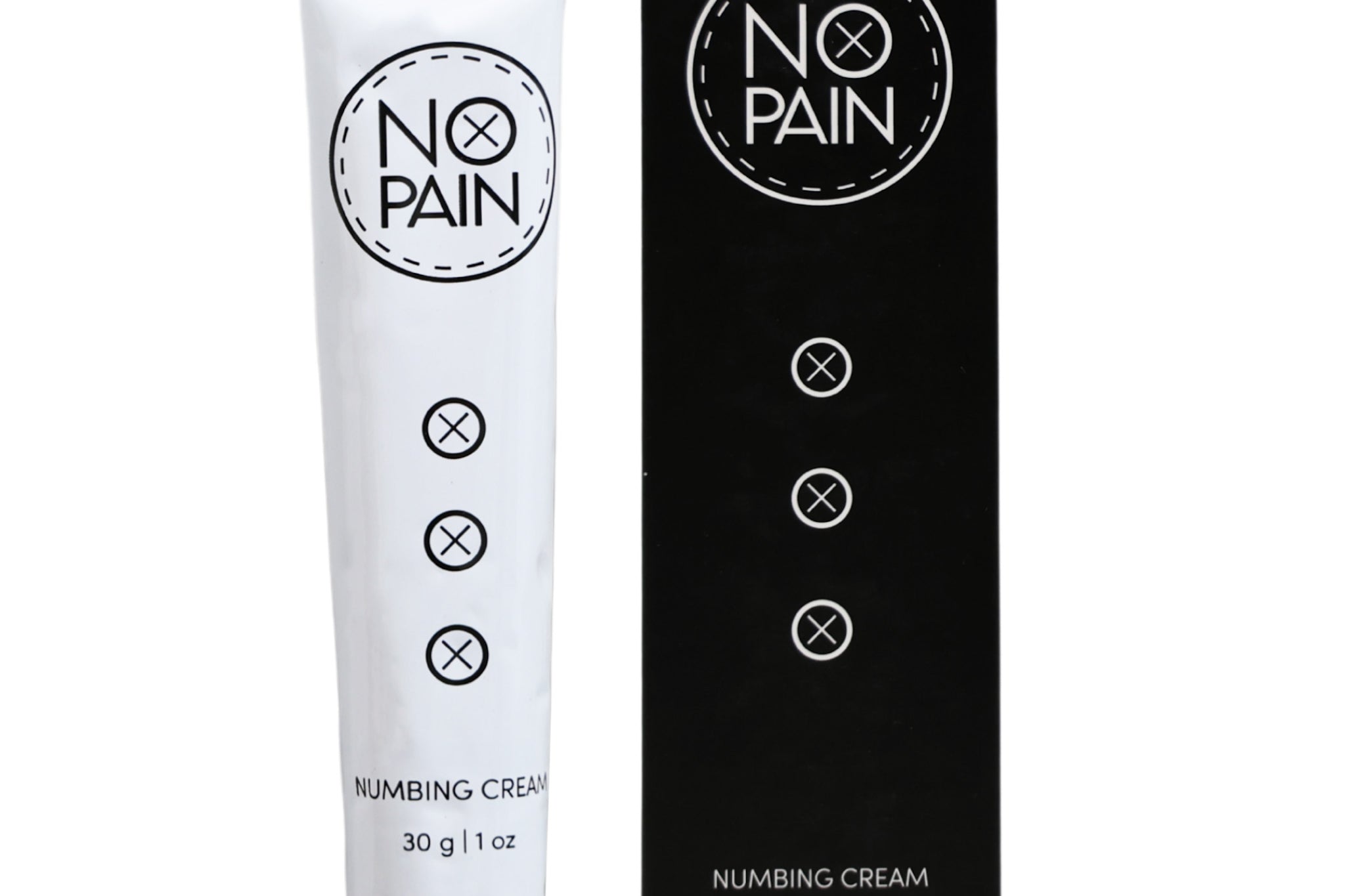
Maximum strength formula in a thick, slow-absorbing base that holds longer than thin creams that wear off in the first hour. Apply 60 to 90 minutes before your session, cover with plastic wrap, and arrive already numbed. As you get older, the numbing cream is doing part of the work your brain used to handle automatically. Formulated at Historic Tattoo in Portland.

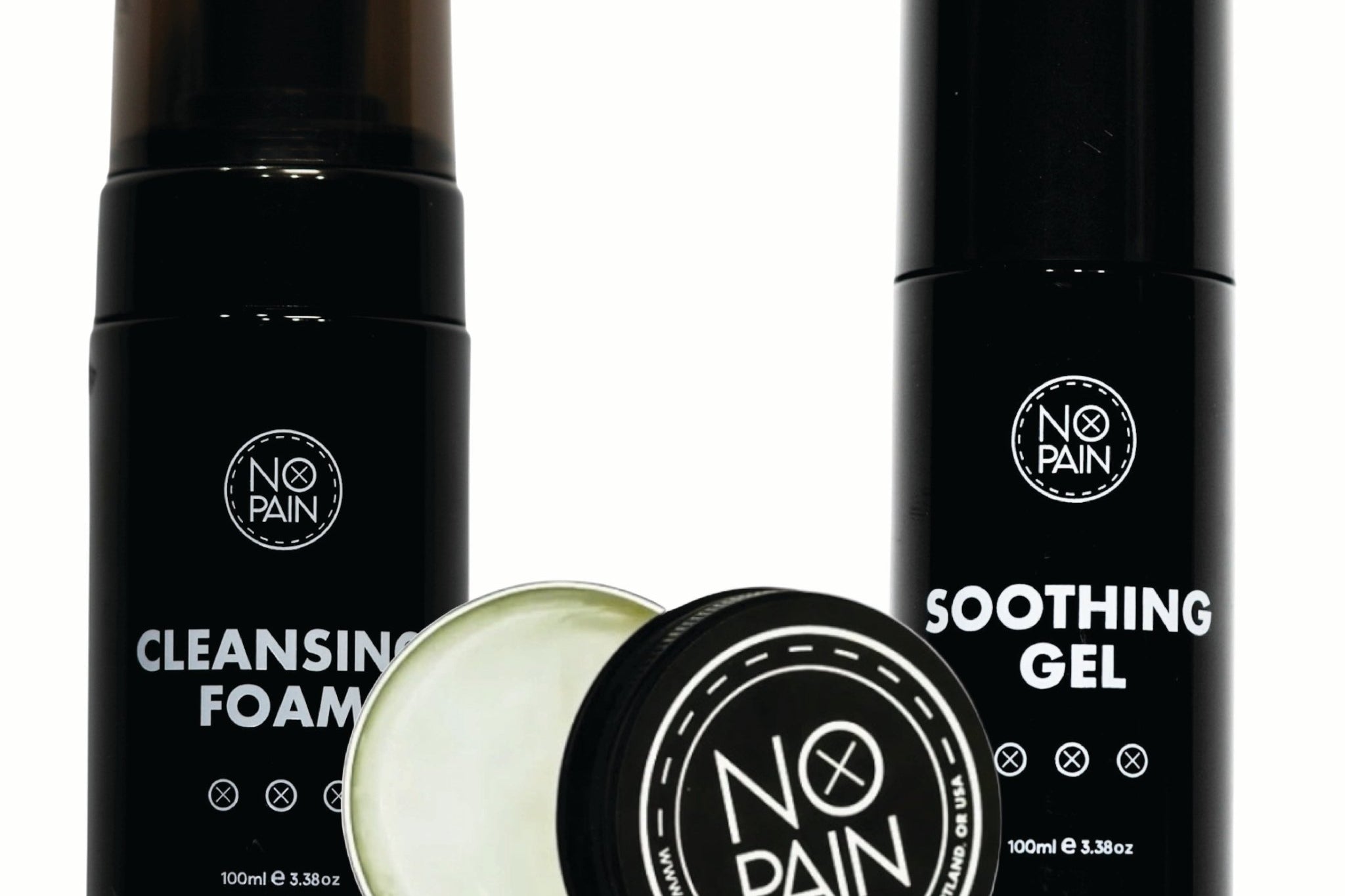
Pre-session numbing cream plus secondary numbing gel your artist applies to broken skin mid-session to re-numb and keep working. Together they cover the full sitting from first pass to last. For collectors in their 30s, 40s, and beyond who are finding sessions harder to sit than they used to be, this is the combination that keeps the back half of a session manageable. Formulated at Historic Tattoo in Portland.
Frequently asked questions
Do tattoos actually hurt more as you get older?
Yes, for most people. The experience is real and the biology backs it up. Pain threshold goes up slightly with age, so you might not notice the first pass as much. But pain tolerance, which is how long you can sustain the experience, drops. This is mostly driven by a decline in the brain's endogenous pain suppression system, which actively dampens pain signals during prolonged sessions. When that system weakens, every hour of a session hits harder than it used to. Combined with thinner skin, reduced collagen, and less subcutaneous fat padding, the body is simply less equipped to handle long sessions than it was in your 20s.
Why can't I sit as long as I used to?
The most likely reason is the decline of your brain's DNIC system, which stands for diffuse noxious inhibitory controls. In younger people, this system kicks in during sustained pain and releases natural compounds that suppress the pain signal. It's what makes the second and third hour of a session more manageable than the first. Multiple pain research studies have found that this system becomes considerably less effective with age, and in some older subjects it stops working altogether. Without it, there's no internal relief valve as a session progresses. You hit your limit sooner and harder.
What age does tattoo pain tolerance typically start dropping?
Research on pain modulation and aging suggests the decline begins gradually in the late 20s and becomes more noticeable from the mid-30s onward. Most collectors report a real shift somewhere between 35 and 45, though it varies. It's not a cliff, it's a slope, and how quickly it progresses depends on individual physiology, hormone levels, lifestyle factors, and the specific placements you're working on. Bony placements with less natural cushioning tend to feel the shift sooner than well-padded areas.
Does this mean I should stop getting tattoos?
Not at all. It means you approach them differently. Shorter sessions with more recovery time between them. Better preparation, including numbing cream, which does part of the work your brain used to handle automatically. More strategic placement choices that account for where your body is now rather than where it was at 25. Plenty of heavily collected people in their 40s, 50s, and beyond are still adding quality work. They've just learned to work with their current physiology rather than against it.
Can numbing cream compensate for lower pain tolerance?
Yes, and this is exactly why numbing cream becomes more valuable as you age rather than less. At 22, your brain's pain suppression system handles a lot of the heavy lifting during a long session. By 42, that system is less active. Lidocaine blocks pain signals at the nerve endings, which partially compensates for the reduced internal suppression your brain is no longer providing as reliably. The result is a session that feels closer to what you used to manage naturally. It won't perfectly replicate being 25, but it closes a meaningful part of the gap.
Why do some people have unfinished tattoos from their 20s they haven't been able to complete?
This is one of the most common and least discussed phenomena in the collector community. Someone starts a sleeve or a back piece at 24, gets a few sessions in, and then the sessions keep getting harder to complete. By 35 or 40, what used to be a manageable session has become a real ordeal. It's not that they lost interest or got scared. The physiological shift happened gradually while the project was still in progress. The good news is that most of these pieces are completable, particularly with numbing cream, shorter sessions, and working with an artist who understands the challenges of tattooing older or previously-worked skin.
Your Brain Used to Do This Automatically
The pain suppression system your brain provided for free at 22 weakens with age. Numbing cream picks up where it leaves off. Maximum strength formula, thick slow-absorbing base, 60 to 90 minutes before you sit down.
Shop the Comfort Bundle →Formulated at Historic Tattoo in Portland, Oregon.