


A tattoo that healed patchy is one of the more deflating experiences in the process. You waited weeks, cared for it as best you could, and ended up with spots where the color looks washed out, the black isn't solid, or the shading has gaps. The good news: it's common, and it's fixable. A touch-up session is how you get the result you originally paid for.
This guide covers why tattoos heal patchy, how touch-ups work, what they cost, and how to heal the second round correctly.
Why Tattoos Heal Patchy
Aftercare failure
The most common cause. When a new tattoo dries out too much, it forms thick, raised scabs instead of the light surface flaking that's normal in healing. When those thick scabs fall off (whether naturally or because they were bumped, picked, or caught on clothing) they pull ink out of the skin with them. The result is a pale or empty spot where the scab was.
The opposite problem also causes patchiness. Over-moisturizing, soaking in water, or applying thick occlusive products like Vaseline can soften the skin too much and let ink leach out during the early healing window. Getting a new tattoo wet at the wrong time has the same effect.
Difficult placement
Some areas of the body retain ink reliably. Others don't. Hands, fingers, feet, elbows, and knees are all high-movement, high-friction zones where some ink loss is expected. Artists who regularly tattoo these areas often tell clients upfront that a touch-up may be needed after the first session settles. It's not a failure of the artwork. It's the placement.
Skin type and the tattooing itself
Some skin types hold ink less consistently than others. Dry or damaged skin, skin that's been heavily tattooed before, or skin with a lot of scar tissue can all heal patchier than typical skin. In some cases, uneven ink saturation during the original session is the cause: the artist didn't pack the ink as densely or evenly in certain areas as the skin needed.
Does Your Tattoo Actually Need a Touch-Up?
Before assuming you need a touch-up, wait. A tattoo that looks patchy at two weeks may look fine at eight weeks. The surface skin heals within two to four weeks, but the ink continues to settle and the dermis continues to stabilize for another two to four months. Colors can look dull, lines can look fuzzy, and areas of grey can look lighter than they'll be once fully settled.
The clearest sign that a touch-up is genuinely needed: a spot that still looks pale, empty, or uneven once the tattoo has been fully healed for at least six weeks, ideally longer. If you're looking at it at week three and panicking, give it more time first.
Spots that may need a touch-up:
- Areas where thick scabbing occurred and the ink looks missing rather than faded
- Sections where the color is noticeably lighter than the rest of the piece
- Lines that look broken or blurry in a way that hasn't improved after full healing
- Any area where you can see the ink visibly thinned out compared to what the artist put in
How Tattoo Touch-Ups Work
A touch-up is a follow-up session where your artist goes back over the areas that need more ink. For small patches, it's usually a short appointment. For more extensive work across a larger piece, it can take an hour or more.
Your artist looks at the healed tattoo, identifies the spots that need work, and re-tattoos those specific areas with matching ink. Because you're working on healed skin rather than fresh skin, the artist can see clearly what's missing and pack the ink in with precision.
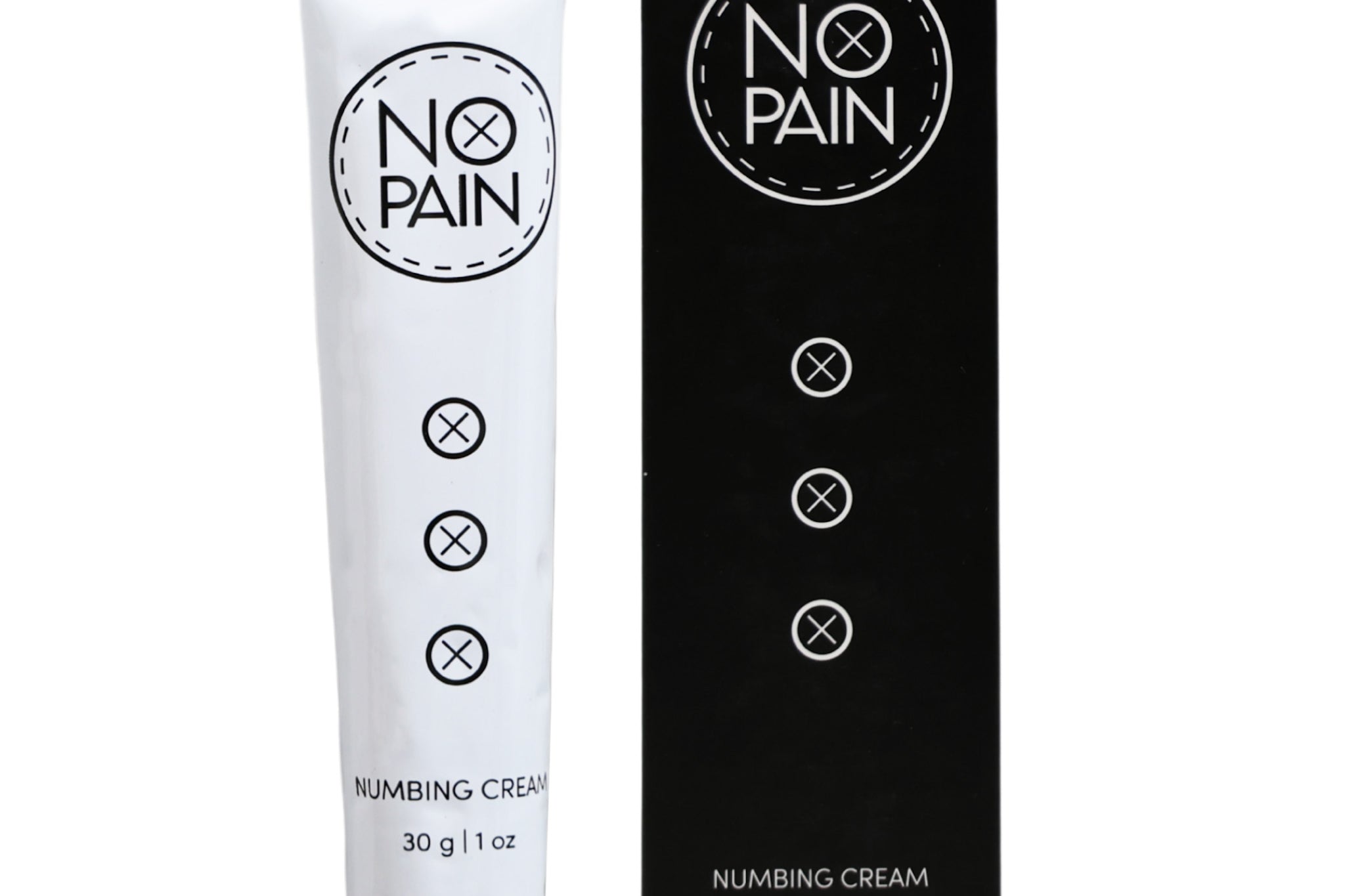
Touch-ups on healed skin can feel more intense than the original session in the same spot. Healed skin doesn't have the initial adrenaline response of a first session, and reworked areas can be sharper. Numbing cream applied beforehand takes the edge off, which is especially useful if the patchy areas are in a sensitive placement.

Maximum-strength numbing in a thick, slow-absorbing base. Apply two coats, cover with cling film, and arrive already numb. Covers the first two to four hours. 100% money-back guarantee.
Touch-Up Cost and Free Touch-Up Policies
Many tattoo artists offer one free touch-up within a set window after the original session, typically three to six months. The assumption built into this policy is that the patchiness wasn't caused by obvious client neglect. Getting a sunburn on a fresh tattoo, picking at scabs, soaking in water during the healing window, or applying the wrong products are all things that can void a free touch-up offer at the artist's discretion.
If the patchiness was clearly caused by normal healing variation or by an area that's simply known to lose ink (hands, feet, elbows), most artists are happy to fix it free of charge within their policy window. Outside that window, or for issues the artist considers client-caused, expect to pay a setup fee or a partial session rate.
Always contact the artist through their preferred channel and send clear, well-lit photos of the areas you want addressed. Professional artists want their finished work to look good. Most will respond constructively.
Healing the Touch-Up Right
A touch-up is a new tattoo on top of healed skin. The aftercare rules are identical to the original session. The difference is that you now know what went wrong the first time, which gives you a genuine opportunity to get the second heal right.
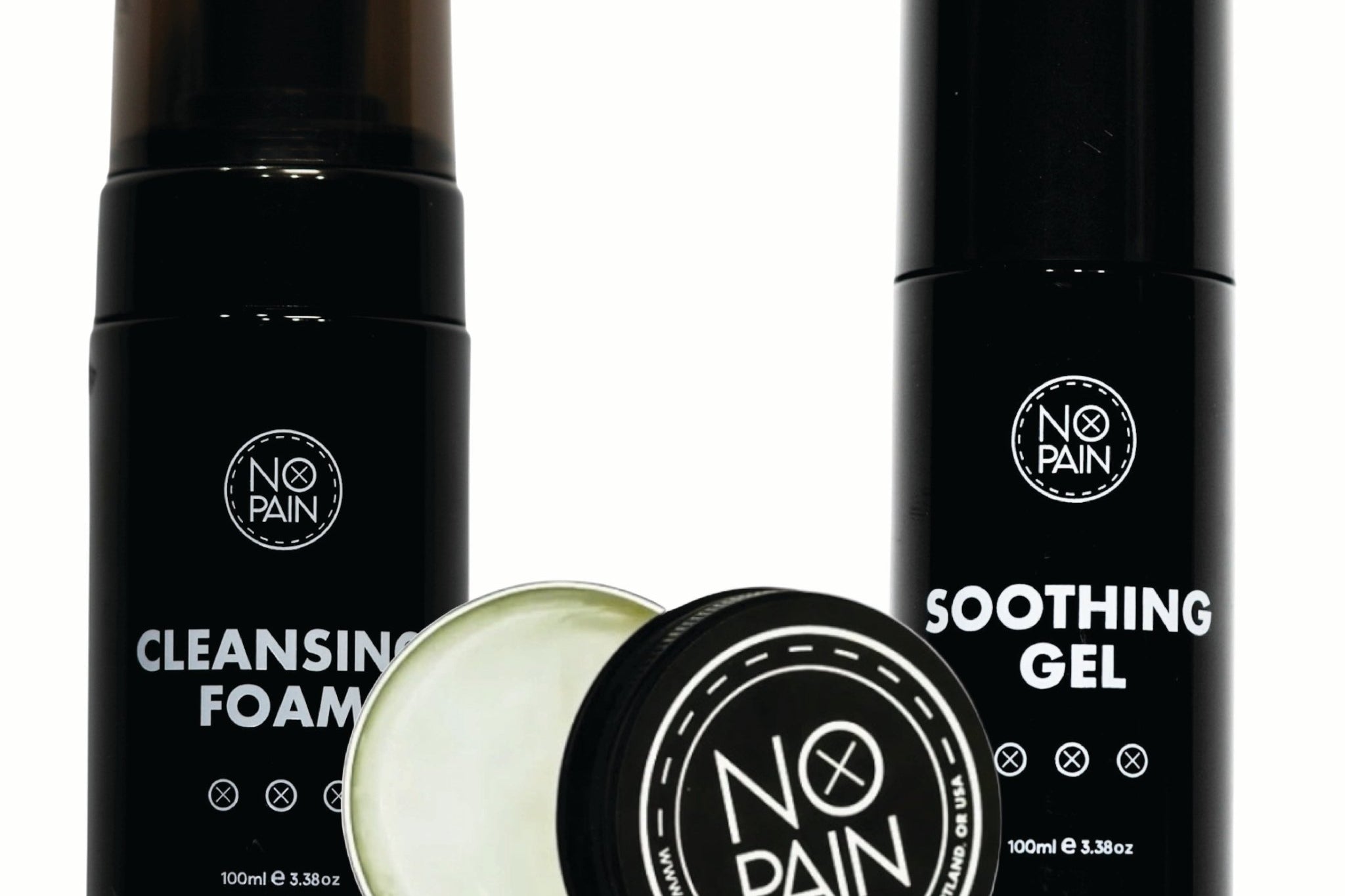
For the first three days, keep the touched-up area moisturized with a lightweight soothing gel applied in thin layers after each wash. This prevents the surface from drying out too fast and forming the thick scabs that pull ink. From day three onward, switch to an aftercare balm. Thin layers, two to three times a day, through the peeling phase.
The rules that sink a first heal sink a second one too: no picking, no soaking, no sun. If the patchiness from the first session came from one of these, the second session gives you a clean slate to fix it. Nail the aftercare and the ink stays.
Get the Second Heal Right
The Aftercare Bundle has everything for the touch-up heal: soothing gel for the first three days, aftercare balm from day three onward, and cleansing foam to keep the area clean. The same routine that protects a first session protects the second one.
Shop the Aftercare Bundle →Formulated at Historic Tattoo in Portland, Oregon. 100% money-back guarantee.
Frequently Asked Questions
How long after a tattoo can you get a touch-up?
Wait until the tattoo is fully healed before scheduling a touch-up. Surface healing takes two to four weeks, but the skin beneath continues to stabilize for several months. Most artists ask clients to wait a minimum of four to six weeks, and ideally eight weeks or longer, before coming back in. Going too early means the artist is working on skin that isn't stable yet, which can affect how the touch-up takes.
Are tattoo touch-ups free?
Often, yes, within the artist's policy window. Most professional artists offer one free touch-up within three to six months of the original session, provided the patchiness wasn't caused by client neglect. Outside that window, or if the artist determines the issue was caused by improper aftercare (picking, sunburn, soaking), a touch-up fee may apply. Always check the artist's policy before assuming the fix is free.
Do tattoo touch-ups hurt more than the original?
Many people find touch-ups on healed skin sharper than the original session. Without the adrenaline of a first tattoo and without fresh-skin numbness, the sensation can feel more immediate. The area being reworked is also often tender from the previous tattooing, even years later. Numbing cream applied 90 to 120 minutes before the appointment takes the edge off and makes the session more manageable.
Can a touch-up fix a faded tattoo?
Yes. Whether the fading came from sun exposure, poor healing, or just age, a touch-up can restore saturation and sharpen lines. Old tattoos that have softened over time can be refreshed with the same technique used for patchy healing. The main difference is that a full refresh of an older piece may require more time and passes than a targeted patch on a newer tattoo.
What if my artist won't fix it for free?
If you feel the patchiness wasn't caused by anything on your end and the artist declines to fix it free of charge, it's worth reviewing their posted touch-up policy carefully before pushing back. If there's a genuine disagreement, you can seek a second opinion from another artist who can assess whether the patchiness looks like a healing issue or a technique issue. In most cases, simply having the conversation politely and with photos resolves it.
How do I prevent my tattoo from healing patchy again?
The main causes of patchy healing are thick scabbing from dryness, ink loss from soaking, and picking at the healing skin. Use a lightweight soothing gel for the first three days to prevent the surface from drying out and forming thick scabs. From day three onward, switch to an aftercare balm in thin layers. Keep the tattoo out of water beyond a quick shower, don't pick at the peeling skin, and keep it out of direct sun until fully healed. Our full day-by-day aftercare guide walks through exactly what to do at each stage.