


Yes. A new tattoo being raised, bumpy, and slightly swollen is a normal part of the healing process. Your body is responding to what just happened: thousands of needle punctures depositing ink into the dermis. The raised texture is inflammation, and inflammation is how skin repairs itself. It's not a sign that something went wrong. Here's what's actually happening under the skin, how long it lasts, and when a raised tattoo means something different.
In this article
- Why a new tattoo feels raised
- How long does a new tattoo stay raised?
- How to help it settle
- Why a healed tattoo gets raised
- When to see a doctor
- Frequently asked questions
Why a New Tattoo Feels Raised
Getting tattooed is controlled trauma to the skin. The needle punctures the dermis (the second layer of skin beneath the surface) tens of thousands of times per session, depositing pigment as it goes. The moment the needle starts, your body launches a healing response: blood flow increases to the area, plasma rushes in to begin repair, and the tissue swells. That swelling is what makes the tattoo feel raised and embossed, almost like the design has been pressed into the skin from beneath.
At the same time, your immune system sends cells to the site to deal with the ink particles, which it recognizes as foreign material. Those cells surround and contain the pigment, which is why tattoos stay put permanently instead of being absorbed or expelled. This immune activity also contributes to the localized swelling and heat you'll feel in the first few days.
The raised feeling isn't uniform across the healing timeline. It tends to be most pronounced in the first few days, when inflammation is at its peak. As the surface begins to peel and new skin forms, the texture shifts from raised and taut to slightly rough and flaky. By the time peeling is done, the skin should feel noticeably smoother, though some raised texture can persist until the dermis fully settles. For a breakdown of each healing phase in detail, see the healing process guide.
How Long Does a New Tattoo Stay Raised?
For most tattoos, the noticeable raised feeling fades within two to three weeks. The surface layer (the part you can see and touch) closes and smooths first. The dermis takes longer, often two to four months, to fully settle. During that deeper healing phase, you might feel subtle texture variations when you run your fingers over the tattoo, even though it looks normal from the outside. That's expected and not a cause for concern.
A few factors affect how long it stays raised. Heavily worked areas (dense linework, shading over shading, or sections the artist had to go back over multiple times) tend to swell more and take longer to flatten. Placement matters too: skin over bone (ribs, knuckles, spine) tends to react more intensely than skin over muscle. And individual healing rates vary: some people clear in two weeks, others take four.
If the raised feeling is getting worse rather than better after the first week, or if it's accompanied by increasing redness, heat, and pain, that's not normal inflammation. That pattern needs attention. See the section on when to see a doctor below.
How to Help It Settle
You can't skip the inflammation phase, and you shouldn't try to. It's doing useful work. What you can do is support the skin so it heals efficiently without complications that extend the timeline or leave the tattoo looking uneven.
Keep it clean, twice a day. Wash the tattoo morning and night with a fragrance-free liquid soap, using only your fingertips. No scrubbing, no bar soap, no body wash with added scent. Pat dry with a clean paper towel, never a cloth towel. The goal is to clear bacteria and weeping plasma before they dry into a thick crust. For more on the washing routine, see the scabbing guide.
Use the right product for the phase. In the first week, the wound is still open. What it needs is a lightweight, breathable gel that cools the skin, reduces irritation, and doesn't trap heat or block airflow. A heavy balm or ointment in week one does the opposite: it seals the wound before it's ready, traps moisture, and can worsen swelling. The balm has its place, but not yet.
Don't over-moisturize. Apply a thin layer after each wash, rub it in completely until you see a slight sheen on the skin, and stop there. Too much product creates the same problem as the wrong product: sealed, oxygen-starved skin that stays inflamed and puffy longer than it should.
Stay out of sun, water, and heat. Sun exposure on a healing tattoo inflames the skin further. Hot showers, saunas, and pools introduce heat and bacteria into a wound that doesn't have a sealed barrier yet. Keep the tattoo covered, out of water deeper than a quick rinse, and away from direct sunlight for the first three to four weeks.
Leave it alone. Don't scratch, peel, or pick at flaking skin. Every time you disrupt the surface before it's ready to shed, you pull ink, create new entry points for bacteria, and add time to the raise. Let the skin do what it's doing.

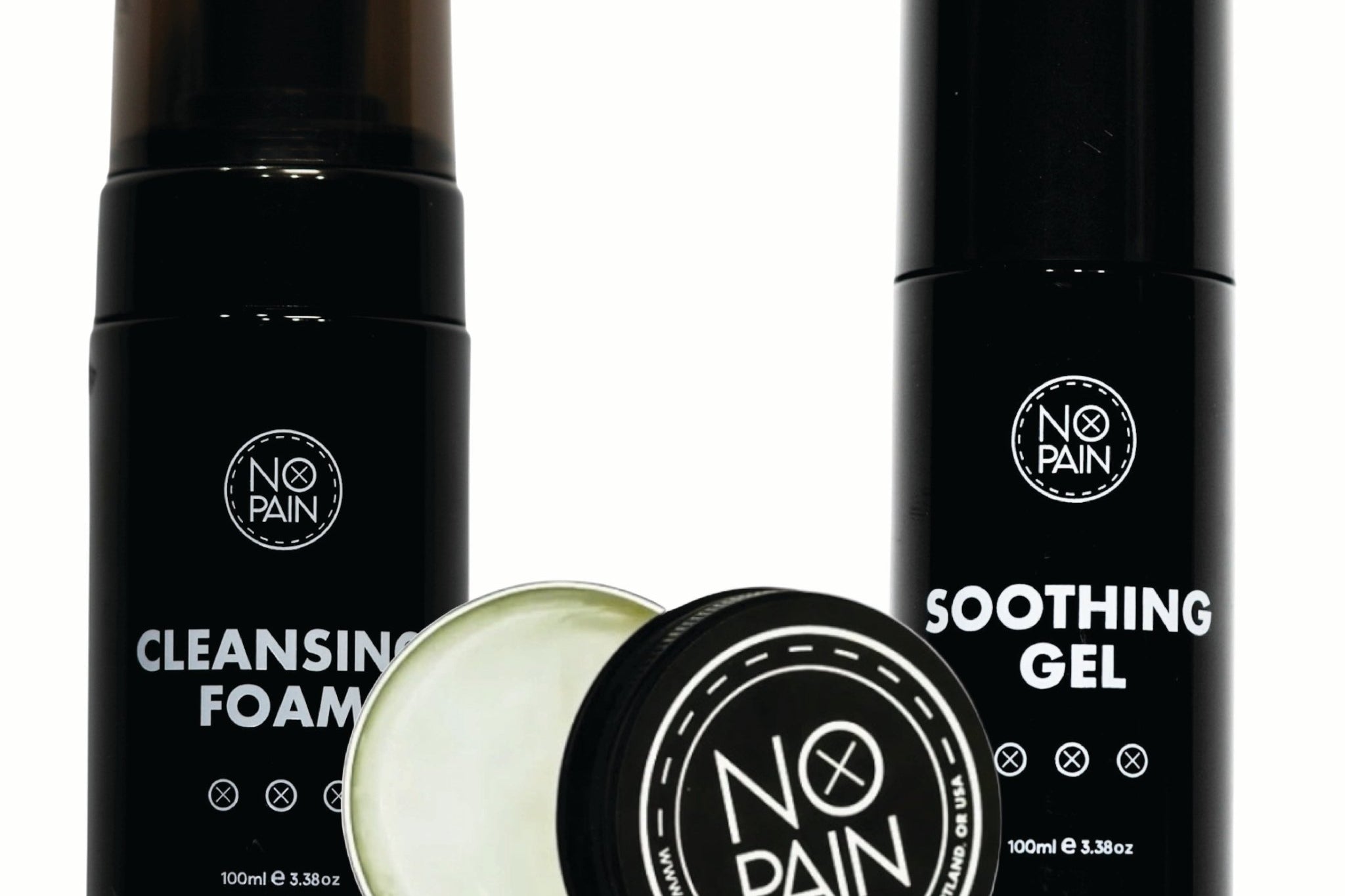
A cooling, lightweight gel that reduces irritation and absorbs fully into the skin without trapping heat or moisture. Designed for the first week of healing, when the wound is still open and needs support, not occlusion.
Why a Healed Tattoo Gets Raised
A fully healed tattoo that suddenly feels raised and itchy months or years later is a different situation with different causes. It's more common than most people expect, and it's usually harmless.
Histamine reactions are the most common culprit. Your immune system can mount a localized reaction to the ink pigments already in your skin, triggered by something unrelated to the tattoo: seasonal allergies, temperature changes, illness, stress, or even a bug bite nearby. The tattoo swells slightly, feels itchy and raised for a few hours or a day, then settles on its own. It's not a sign that the ink is bad or that the tattoo is being rejected. For more on this pattern and how to manage it, see the healed-tattoo itch guide.
Skin conditions like eczema or contact dermatitis can flare up on tattooed skin, causing the design to look and feel raised and irritated. The tattooed area isn't the cause of the condition, but the skin there can react alongside the surrounding skin.
Hypertrophic scarring happens when the body produces too much collagen during the initial heal, leaving a raised, sometimes shiny ridge over part of the tattoo. This is more common in areas that were overworked during the session or in people whose skin tends to scar more readily. Unlike keloid scarring, hypertrophic scars typically stay within the original design boundaries. They don't always flatten on their own, and a dermatologist can advise on options if they're bothering you.
Keloid scarring is less common but more pronounced: thick, raised tissue that extends beyond the original tattoo design. People who have a history of keloids should discuss this with their artist and a dermatologist before getting tattooed. Once a keloid forms on a tattoo, it's difficult to treat without risk of triggering more growth.
When to See a Doctor
A normally healing tattoo should follow a consistent pattern: raised and inflamed in the first few days, gradually settling as the surface skin peels and closes, smooth and flat by weeks three to four. Each day should be a small improvement on the last.
See a doctor if the raised area is getting worse, not better, after the first week. Specific red flags: redness that is spreading outward from the tattoo rather than staying within it, discharge that is yellow, green, or foul-smelling, pain that is increasing rather than decreasing, heat in the skin that isn't going away, or fever accompanying the symptoms. These are signs of infection, not normal healing. For the full list of what to watch for, see the infected tattoo guide.
For a healed tattoo that has been raised and itchy for more than a week with no obvious trigger, or one that is raised in a specific section of the design that looks thickened or scarred, a dermatologist is the right call. Persistent raised areas on healed tattoos are not emergencies, but they're worth getting assessed if they don't resolve on their own.
Frequently asked questions
Is it normal for a tattoo to be raised after 2 weeks?
Yes, some raised texture at two weeks is still within the normal range, especially for larger or more heavily worked tattoos. The outer skin has largely finished peeling by this point, but the dermis underneath is still settling. You should see clear improvement compared to days one through seven. If the raised feeling is the same or worse than it was at week one, that's worth paying attention to.
Why is my tattoo raised and itchy?
During healing, itching and raised texture go together. Both are signs that nerves are regenerating and the skin is renewing itself. Keeping the tattoo moisturized with a breathable gel reduces both. If the itch and raised texture arrive on a tattoo that's already fully healed, that's usually a histamine reaction: your immune system briefly responding to the pigment, often triggered by seasonal allergies, temperature change, or illness. It typically resolves within a day. For more, see the healed-tattoo itch guide.
My tattoo has been healed for months and suddenly feels raised. What's happening?
Almost certainly a temporary immune reaction. The most common trigger is something happening elsewhere in the body: seasonal allergies, illness, hormonal changes, temperature swings, or stress. The immune system becomes more active, and the tattoo pigment, which your body has been quietly containing for months, gets a little extra attention. The reaction is localized, harmless, and usually resolves within a day or two without any treatment. If it keeps happening or lasts longer than a week, see a dermatologist.
Can over-moisturizing make a tattoo more raised?
Yes. Applying too much product, or using a heavy occlusive ointment in the first week, traps moisture against the wound and prevents proper airflow. The skin becomes waterlogged (a condition called maceration) and the tattoo looks soft, raised, and soggy in a way that looks different from normal healing inflammation. The fix is to stop applying product, let the area dry completely, and restart with a much thinner layer of a breathable gel. Twice a day is enough for most people.
Will the raised texture affect how the tattoo looks when it heals?
Normal healing inflammation doesn't affect the final appearance of the tattoo. The raised texture is in the skin tissue itself, not the ink, and as the tissue settles the design becomes visible as it's meant to look. What does affect the final appearance is anything that disrupts the surface skin before it's ready: picking, scratching, thick scabbing from under-moisturizing, or infection. Those can pull ink and leave patchy areas. Letting the raise subside naturally, without interference, leaves you with the result your artist intended.
Can a tattoo be permanently raised?
In most cases, no. Normal healing inflammation resolves completely. In some cases, particularly where the skin was overworked during the session, the body can produce excess collagen during healing that leaves a raised, sometimes shiny ridge over part of the design. This is called hypertrophic scarring. It's more common in certain placements and in people whose skin tends to scar more readily. If a specific section of your tattoo feels permanently raised, firm to the touch, and looks different from the rest of the design, a dermatologist can assess it and discuss options.
Support the Heal From Day One
The Aftercare Bundle includes a lightweight soothing gel for the first few days and a nourishing balm from day three onward. The right product at the right phase helps inflammation settle faster and keeps the ink looking exactly the way it should.
Shop the Aftercare Bundle →Formulated at Historic Tattoo in Portland, Oregon. 100% money-back guarantee.