


A patchwork tattoo sleeve is not designed all at once. It's built session by session over months or years: individual pieces placed across the arm, collected from artists you love, gradually filling in until you have a sleeve that tells the story of your collecting journey. It's a fundamentally different philosophy from a cohesive Japanese or illustrative sleeve, and it requires a different kind of planning. Here is how to do it well.
In this article
- What makes a sleeve patchwork
- Where the patchwork aesthetic comes from
- Modern patchwork: beyond American Traditional
- Planning hero piece placement
- Style cohesion: the rule and the exceptions
- Filler: how to handle the gaps
- Working with multiple artists
- Managing pain across sessions
- Aftercare for each new addition
- Frequently asked questions
What Makes a Sleeve Patchwork
A traditional cohesive sleeve is conceived as one piece. The artist designs a single flowing composition that wraps the arm from shoulder to wrist, usually with a unified background, consistent subject matter, and elements that flow into each other. Japanese sleeves are the clearest example: koi and chrysanthemums connected by water and wind bars, designed by one artist for the arm as a single canvas.
A patchwork sleeve works differently. Each tattoo is a standalone piece with its own defined space. They're collected from different artists or different appointments over time, each one complete in itself. The "sleeve" emerges gradually from the accumulation, and the art of building one lies in how you place the pieces as you go and how you eventually decide to tie them together.
This is how a lot of serious collectors build their arms. You get a piece from an artist whose work you love at a convention, another from your regular artist six months later, one more when you travel and visit a studio you've been following. Over years the arm fills. The result doesn't look designed. It looks collected, which is exactly the point.
Where the Patchwork Aesthetic Comes From
The patchwork sleeve is rooted in the culture of American Traditional tattooing, and its origins are literal. Sailors and soldiers in the early twentieth century collected tattoos the way they collected experiences: one in this port, another in that country, a third to mark a particular tour or milestone. Each piece was standalone and symbolic. The goal was never a coherent mural but a collection of bold, individual statements.
The artists who worked this era built an aesthetic around it. American Traditional tattoos are designed to stand alone: thick black outlines that hold the design over decades, a limited saturated color palette, and subject matter that reads clearly from a distance. An eagle. A rose. A dagger. A ship's anchor. Each piece works by itself and alongside whatever surrounds it.
That collecting philosophy passed directly into modern tattooing. Artists who travel to conventions, guest spots, and studios around the world still build their arms this way. Each new city, each new artist, each new piece. The sleeve fills in over years.
Modern Patchwork: Beyond American Traditional
The patchwork format has expanded well beyond its Traditional roots. The same philosophy now drives collectors working in styles that didn't exist fifty years ago.
Fine-line and illustrative blackwork works especially well in the patchwork format. Individual pieces with clean, defined edges sit next to each other with negative space between them, and the result can be just as intentional-looking as any cohesive design. The contrast between negative space and detailed blackwork becomes part of the aesthetic.
Color realism collectors build sleeves from smaller, palm-sized pieces: a favorite film character here, a botanical study there, a pet portrait that took three hours. Each piece is its own finished work of art. The cohesion comes from scale and execution quality rather than thematic unity.
The "sticker sleeve" format has become its own genre: any collection of similarly styled tattoos placed like stickers on the arm, with or without filler connecting them, the white space between pieces as much a design choice as the pieces themselves.
Planning Hero Piece Placement
Even if you're building organically, a little strategic thinking about where the major pieces go pays off over time.
The prime real estate on a sleeve is the outer bicep and the outer forearm. These are the most visible zones: what you see when someone's arm hangs at their side, what faces outward when the arm is extended. Your largest, most important pieces belong here. Pieces that are personally meaningful or that come from artists you've most wanted to work with. A piece buried in the inner arm or on the inside of the wrist, where it can only be seen when deliberately displayed, is a different kind of placement than something that leads the sleeve.
Think about scale as you go. Large pieces next to other large pieces with no visual breaks can create a cluttered wall of imagery. Small pieces next to each other can look scattered. Variation in scale gives the sleeve visual rhythm: a large piece anchors a zone, medium pieces fill around it, smaller pieces and filler fill in the gaps.
If you have a rough idea of the final shape of the sleeve, sketch a loose map before you're too far in. Nothing precise, just a rough sense of where the big pieces will live. This prevents you from filling the outer bicep with something small early and then having nowhere to put the artist you've been saving up for.
Style Cohesion: The Rule and the Exceptions
A patchwork sleeve almost always looks better when the pieces share a consistent style. American Traditional next to fine-line realism next to geometric blackwork creates visual chaos, not a collection. The eye has no way to read it as intentional. It reads as unplanned.
The cohesion doesn't require thematic unity. You don't need a connecting narrative: all snakes, all flowers, all Japanese subjects. What you need is visual consistency: similar line weight, similar color approach, similar rendering style. All American Traditional reads as a collection even if the subjects vary wildly. All illustrative blackwork reads as a collection even if one piece is a portrait and another is a botanical study.
The exception is deliberate contrast. Some collectors intentionally mix traditional black-and-grey work with high-color pieces, or bold traditional imagery with fine-line illustrative work, and make it look considered rather than accidental. The difference is intention. When the mixing is deliberate and clearly controlled, a coherent decision rather than a series of disconnected choices, it can work. When it looks like you couldn't decide, it doesn't.
The practical implication: before you book an artist whose style is a departure from what's already on your arm, think carefully about whether the new piece will read as a deliberate contrast or just a mistake. If you're not sure, it's worth sitting with it rather than booking immediately.
Filler: How to Handle the Gaps
Once you have the main pieces in place, you'll eventually be left with the awkward negative spaces between them. What you do with those gaps is what takes a collection of tattoos and turns it into a sleeve.
In American Traditional, the most historically accurate answer is stars and dots: simple black stars and dot clusters filling the negative space to create a uniform dark background that makes the main pieces pop. It's a proven approach with real aesthetic logic: the dark background unifies everything, the simplicity of the filler keeps attention on the hero pieces, and the traditional motif is consistent with the style. It's also consistently controversial. Plenty of traditional collectors love it; plenty more consider it a lazy solution. Neither camp is wrong. It's purely a matter of what you want.
For collectors who want something more elaborate, the options are: decorative geometric or organic patterns that flow between pieces; waves, smoke, or clouds in the style of the surrounding pieces; botanical elements like vines, leaves, or branches that weave through the gaps; or small additional pieces placed deliberately to fill specific zones. Each approach has its own logic and its own demands. Smoke and waves require an artist who can render them well in the style of the sleeve, not just any artist who does filler.
One underrated option: leave the gaps. A patchwork sleeve with deliberate negative space between pieces (the sticker sleeve format) reads as clean and modern rather than incomplete. Not every gap needs to be filled. If the pieces are strong enough and similar enough in style, the white space becomes part of the design rather than a problem to solve.
Working with Multiple Artists
A patchwork sleeve almost always involves multiple artists, and managing that well is part of building a good sleeve.
Communication between artists matters. When you go to a new artist to add a piece to a sleeve that's already in progress, bring clear photos of what's already there. Show them the overall composition, point out where the new piece will sit, explain what you're trying to achieve. A good artist will design with the existing sleeve in mind: matching the scale, accounting for the visual weight of neighboring pieces, leaving appropriate space at the edges. An artist who ignores the context will create a piece that technically looks good in isolation but fights with everything around it.
Be careful about adding pieces in zones that are adjacent to another artist's work if you haven't thought through the join. Two pieces from different artists, both with hard edges, placed right next to each other can create a visual seam. If you're planning pieces that will be adjacent, it's worth considering whether the outer edges of each will read well together or whether you'll need connecting filler to bridge them.
When you're collecting pieces from guest spots and conventions, confirm with the artist that they're comfortable designing for an existing sleeve rather than a clean canvas. Most artists are, but it's a conversation worth having upfront rather than discovering after the deposit.
Managing Pain Across Sessions
A patchwork sleeve means a lot of sessions. For most collectors, that's part of the appeal: the process stretches over years and each new session adds a chapter. But it also means managing pain and session energy across a long collecting journey.
The zones that tend to be most challenging on the arm are the inner bicep, the elbow ditch, and the inner wrist. If you're placing pieces in these areas, they will hurt more than comparable work on the outer arm or forearm. Budget extra session preparation for these placements and consider whether they're the right spots for pieces that require long, detailed work.
For any session running beyond two hours, having a numbing plan in place lets you stay still through the detail work and gives the artist a steady canvas for the duration. That matters more on a patchwork sleeve than on a shorter one-off piece, because the quality of each addition affects how the whole sleeve eventually reads.

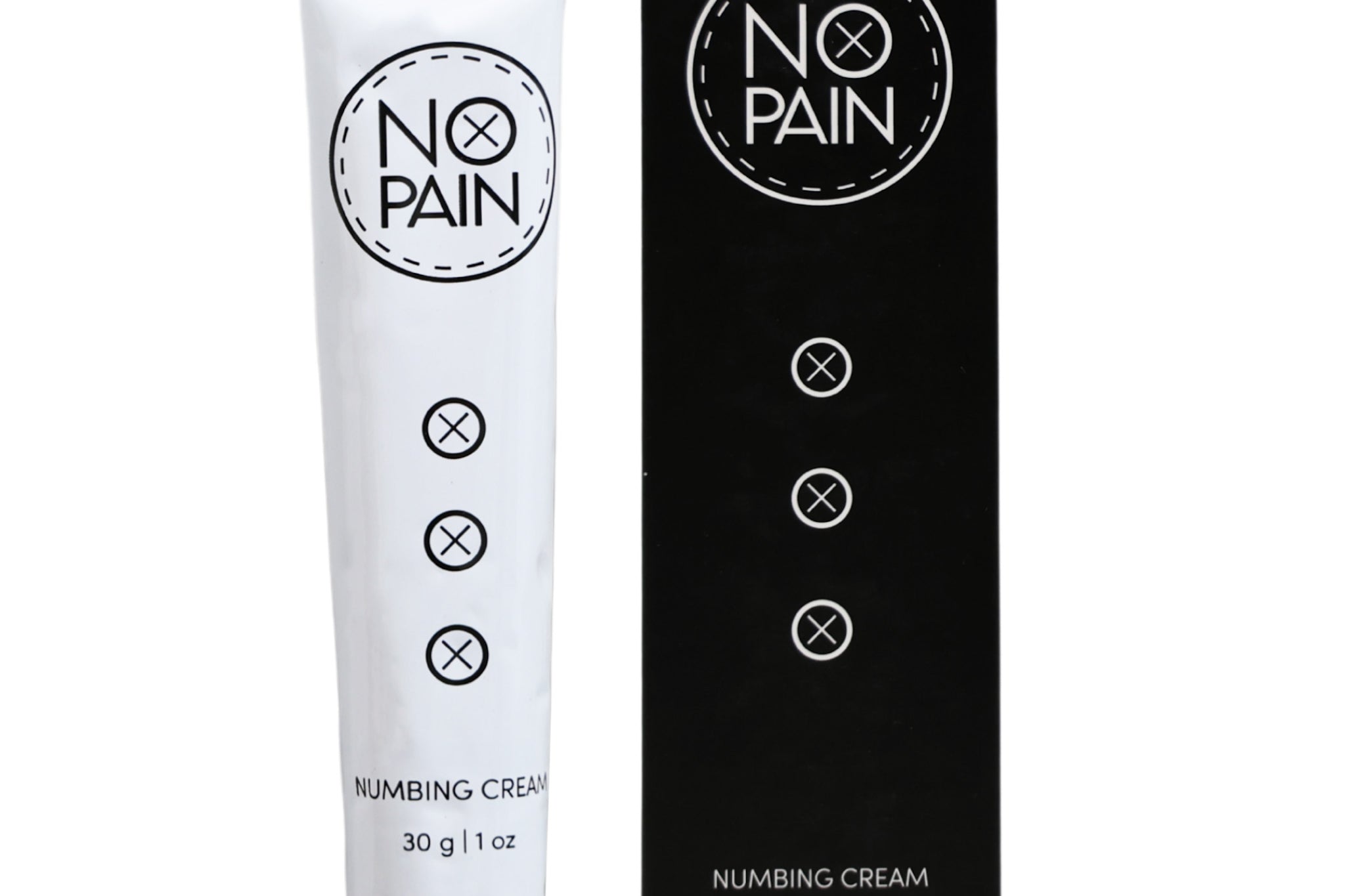
Maximum strength lidocaine cream in a thick, slow-absorbing base that lasts two to four hours from the moment the wrap comes off. Apply a generous coat to the placement area, cover with cling film, and wait 90 to 120 minutes before your appointment. For sleeve sessions running into complex inner-arm zones or detail-heavy filler work, arriving pre-numbed is the difference between a session that goes cleanly and one you have to cut short.
Aftercare for Each New Addition
Every piece you add to the sleeve is a fresh tattoo that needs full aftercare. That's obvious in the first week but easy to get complacent about once you're an experienced collector. A tattoo you've been sitting for six hours deserves the same care protocol as your first piece, even if you know the routine by now.
The basics don't change regardless of how many sleeves you've built: keep the surface moist enough to prevent thick scabbing in the first week without trapping moisture against the wound, transition to a richer balm once the surface has sealed in week two, and protect from sun exposure long-term. For sleeve work specifically, sun protection matters more than it might for smaller isolated pieces. You're building something that lives on the outer arm, one of the most UV-exposed surfaces on the body.
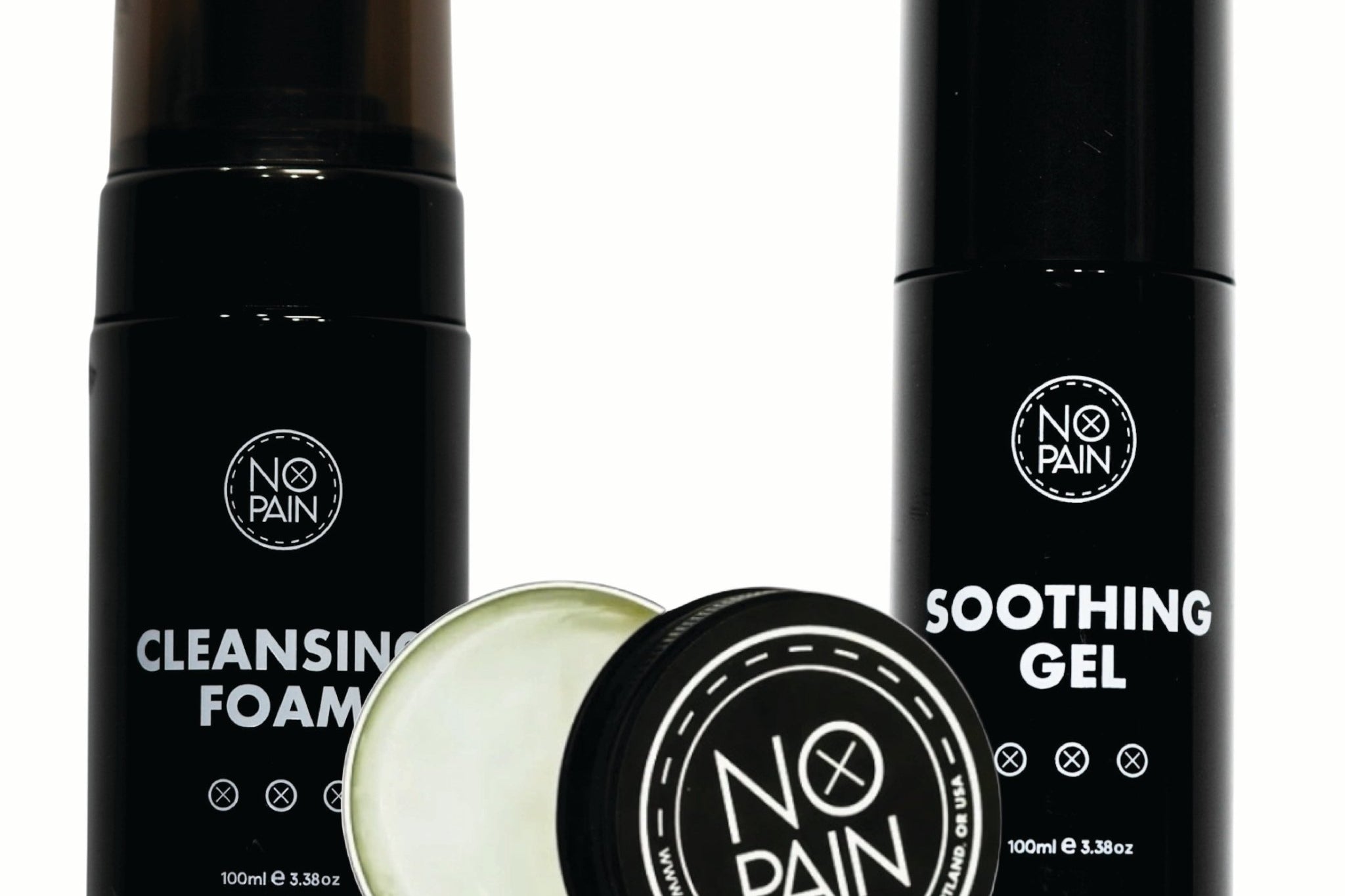
If you're adding a piece to an arm that already has healed tattoos, the existing pieces will be fine during the healing of the new one. Just keep the existing aftercare products on the new piece and off the healed skin. The gel or balm is for the wound, not a general arm treatment.
Consistent aftercare across every addition is what makes a sleeve look unified even years after you started. A piece that healed well looks different from one that healed poorly, and on an arm full of pieces those differences are visible.
Frequently asked questions
What is a patchwork tattoo sleeve?
A patchwork sleeve is built from individual, standalone tattoo pieces collected over time rather than designed as one cohesive composition from the start. Each piece has its own defined space and works on its own. The sleeve emerges gradually from the accumulation. Patchwork sleeves are associated with American Traditional tattooing historically but are now built in many styles, including fine-line blackwork, color realism, and illustrative work.
Do patchwork tattoo sleeves need to have a theme?
Not a thematic one. They do benefit from visual consistency in style: similar line weight, rendering approach, and color philosophy across the pieces. What you don't need is a narrative connection between subjects. A collection of American Traditional pieces can include an eagle, a rose, a portrait, and a nautical scene and still read as a coherent sleeve because the visual language is consistent. The subjects can vary; the style generally shouldn't.
How do I decide what filler to use on a patchwork sleeve?
Start with the style of the surrounding pieces. American Traditional filler classically uses stars and dots; illustrative or blackwork sleeves might use geometric patterns, botanical elements, or smoke and waves. The filler should feel like it belongs in the same visual world as the hero pieces. Alternatively, consider leaving deliberate negative space: a sticker-sleeve format with gaps between pieces reads as clean and modern rather than unfinished, and not every gap needs to be filled.
Can I get pieces from multiple tattoo artists for the same sleeve?
Yes, and most patchwork sleeves involve multiple artists. The key is communication: always bring photos of your existing sleeve to a new artist and discuss how the new piece will sit in context. A good artist will design with the surrounding work in mind: matching scale, leaving appropriate edge space, accounting for the visual weight of neighboring pieces. Pieces that ignore their context tend to fight with the rest of the sleeve rather than add to it.
How long does it take to build a patchwork sleeve?
Most serious collectors build a sleeve over two to five years, sometimes longer. The pace depends on how frequently you sit, your budget, and how deliberately you're choosing each new piece. There's no rush that serves the sleeve. Waiting for the right artist or the right design tends to produce better results than filling space quickly. Part of the appeal of a patchwork sleeve is that it grows with you over time rather than being completed in a single extended run.
Is a patchwork sleeve easier or harder to plan than a cohesive sleeve?
Different, not easier or harder. A cohesive sleeve requires upfront planning and committing to one artist's vision for the whole arm. A patchwork sleeve requires ongoing decision-making across years of collecting: which pieces go where, which artists to work with, when and how to add filler, how to maintain style consistency as your tastes evolve. The planning is distributed rather than front-loaded. Many collectors find that freedom more appealing than the commitment of a single-artist cohesive sleeve, but it requires more ongoing judgment to execute well.
Sit All Day with the Comfort Bundle
The Comfort Bundle pairs the numbing cream for pre-session application with the mid-session spray for longer sittings. Built for collectors doing extended sleeve work who need coverage that goes beyond the first two hours.
Shop the Comfort Bundle →$54.00 $43.20 · Formulated at Historic Tattoo in Portland, Oregon. 100% money-back guarantee.