


You can't make your body heal in three days. The surface takes two to four weeks; the dermis takes two to six months. Nothing changes that timeline. What you can change is whether your tattoo spends those weeks progressing cleanly or getting derailed by setbacks that add time, damage the result, or require a touch-up. Here's what actually matters.
In this article
- Why some tattoos heal faster than others
- What you control: internal factors
- What you control: the aftercare routine
- What slows healing down
- Frequently asked questions
Why Some Tattoos Heal Faster Than Others
Before talking about what you can do, it helps to understand what you can't control. Some tattoos are simply slower to heal than others regardless of how well you take care of them.
Placement. Areas that flex constantly (elbow ditch, back of knee, wrists, hands) heal more slowly because the skin never stays still long enough to close cleanly. Areas over bone (ribs, spine, collarbone) can stay raised and inflamed longer due to the body's heightened response near the periosteum. Fatty areas with good blood supply (outer thigh, upper arm) typically clear fastest.
Ink density and session intensity. A small, simple linework piece done in 45 minutes on a healthy area of skin heals in a different timeframe than an eight-hour color-packed sleeve section. The more trauma to the tissue, the longer the surface repair. Heavily overworked skin (where the artist had to go back over sections repeatedly) takes noticeably longer and is more prone to thick scabbing.
Age and skin condition. Cell turnover slows with age. Older skin regenerates more gradually, which extends the surface healing phase. Dry or compromised skin (eczema, psoriasis) presents additional challenges. This isn't a reason not to get tattooed. It's a reason to be realistic about timelines.
For a week-by-week breakdown of what the biology actually looks like, see the healing process guide.
What You Control: Internal Factors
Your body is doing the actual work. What you eat, drink, and how you rest affects how efficiently it does that work.
Hydration. Skin regeneration requires water. Dehydrated skin is less elastic, slower to repair, and more prone to cracking and thick scabbing during the peeling phase. Drink water consistently, especially in the first two weeks. Not a specific daily target. Just consistently more than usual.
Sleep. The majority of cellular repair happens during sleep. Your immune system is most active, growth hormone peaks, and tissue regeneration runs at full capacity. Cutting sleep short or sleeping erratically slows the process in a way that no amount of good aftercare can fully compensate for.
Nutrition. Protein is the raw material for skin repair. Vitamin C supports collagen production in the dermis. Zinc plays a role in wound healing and immune function. You don't need supplements. Just eat reasonably well with enough protein in the first two weeks. If your diet is poor during healing, the tissue regeneration reflects that.
Alcohol. Alcohol thins the blood, dehydrates the body, and suppresses immune function. All three directly interfere with wound healing. A glass of wine at two weeks isn't a problem. Drinking heavily in the first few days after getting tattooed adds real time to the timeline and increases infection risk. For the full breakdown, see the alcohol and tattoos guide.
What You Control: The Aftercare Routine
External aftercare can't override biology, but it can prevent every setback that adds time. Most extended healing timelines are caused by the same handful of mistakes: infection, thick scabbing from poor moisture management, and premature disruption of the surface skin.
Keep it clean. Wash the tattoo twice a day with a gentle, fragrance-free liquid soap and lukewarm water. Fingertips only: no cloth, no scrubbing, no bar soap. Pat dry with a clean paper towel. This matters more than almost anything else in the first two weeks. Bacteria on an open wound is the single fastest way to derail a healing timeline.
Get the moisture balance right. The goal is to keep the surface from drying out enough to form thick, raised scabs. Thick scabs take much longer to resolve than thin, light flaking, and they're far more likely to pull ink when they shed. Apply a thin layer of product after each wash and before bed.
Phase matters here. In the first week, when the wound is still open and actively weeping, the skin needs something breathable that won't trap heat or block airflow. A lightweight gel absorbs fully and lets the surface breathe. In week two, when the outer layer is peeling and closing, the skin needs deeper hydration without the occlusion risk that worried you in week one. That's when a balm becomes appropriate.
Using a heavy occlusive ointment in week one is one of the most common mistakes people make when trying to speed up healing. It does the opposite: it traps moisture and heat, softens the healing tissue, and actually slows surface closure. For more on this specific mistake and the others that cost people weeks, see the aftercare mistakes guide.
Let it breathe. After washing and applying product, leave it uncovered where possible. Oxygen is a component of wound healing. Tight clothing pressing against a fresh tattoo restricts airflow, traps sweat, and keeps the tissue environment warm and moist longer than it needs to be.

A cooling, lightweight gel that absorbs fully into the skin without trapping heat or moisture. Keeps the wound supported without blocking airflow. Exactly what the first week needs. Apply after every wash and before bed.
What Slows Healing Down
Some things extend the timeline in ways that are worth knowing about before you end up doing them.
Soaking. Baths, pools, hot tubs, and open water expose a healing tattoo to prolonged moisture and bacteria. Soaking softens the forming surface skin (called maceration), increases ink loss, and raises infection risk. A quick shower is fine. Submerging the tattoo in any water is not, for at least three to four weeks. For the specifics on swimming, see the swimming guide.
Sun exposure. A healing tattoo is an open wound. UV radiation on a wound causes inflammation, extends the surface repair phase, and breaks down ink before it's settled into the dermis. Keep the tattoo covered with clothing for the first three to four weeks. Sunscreen only goes on healed skin.
Picking and scratching. Peeling skin and scabs are part of the normal process. Pulling flakes or scabs before they're ready to shed reopens the wound underneath, forces the repair to restart for that section, and pulls ink out of the dermis in the process. The itch in weeks one and two is a sign that nerves are regenerating, not a problem to solve by scratching. For more on managing that itch and what causes thick scabbing, see the scabbing guide.
Exercise too soon. Friction from clothing rubbing against a healing tattoo, sweat pooling over an open wound, and bacteria from gym equipment all add risk. Light walking is fine in the first week. More demanding activity should wait until the surface has begun to close.
Under-moisturizing. Applying too little product, or skipping applications, lets the surface dry out between washes. Dry healing leads to thick scabbing, which takes longer to resolve and causes more ink loss than properly managed moist healing. Twice a day plus before bed is the minimum cadence.
Frequently asked questions
How long does it actually take for a tattoo to heal?
The surface skin heals in two to four weeks for most tattoos. During that time it goes through a weeping phase (days one to six), a peeling and itching phase (days seven to fourteen), and a settling phase (weeks three to four) where the surface closes and the milky, washed-out look fades. Underneath the surface, the dermis continues healing for two to six months. You can influence the surface timeline with good aftercare. You can't meaningfully rush the dermal phase.
Does keeping a tattoo moist help it heal faster?
Yes. Moist wound healing means keeping the surface properly hydrated without over-occluding it. This produces thinner, lighter flaking rather than thick raised scabs. Thin flaking resolves faster and causes less ink loss. The key is the right level of moisture: enough to prevent drying out, not so much that you're sealing the wound shut and trapping heat. A lightweight gel in week one works better than a heavy ointment for this reason.
Can I speed up tattoo healing by using more moisturizer?
No. Over-moisturizing is actually one of the most common causes of extended healing timelines. Too much product creates a thick barrier that traps moisture, heat, and bacteria against the wound. The skin becomes waterlogged (a condition called maceration), and the surface struggles to close. Apply a thin layer you can rub in completely. If your skin looks soggy, shiny, or the tattoo feels soft and swollen, you're over-moisturizing. Back off, let it dry, and restart with less.
Does the placement affect how fast it heals?
Yes, noticeably. Placements over bone (ribs, spine, collarbone, shins) tend to stay inflamed longer. Areas with constant movement (hands, feet, elbows, knees, wrists) heal more slowly because the skin flexes before it's ready. Areas with good blood supply and more tissue between skin and bone (outer thigh, upper arm, shoulder) typically heal fastest. No amount of good aftercare will make a heavily worked shin tattoo heal as fast as a simple bicep piece.
Is dry healing faster or slower?
Slower, for most people. Dry healing allows the surface to crack and form thick, raised scabs that take longer to shed and are more likely to pull ink. Moist healing produces thinner flaking that resolves more quickly. The old advice to avoid moisturizing tattoos came from a time before purpose-formulated tattoo aftercare products existed. It was based on the (correct) observation that heavy ointments caused problems, not that moisture itself was the issue. The solution is breathable moisture management, not dryness.
What's the one thing most likely to slow down tattoo healing?
Infection. An infected tattoo doesn't just heal slowly. It may not heal cleanly at all without medical treatment, and the ink damage can be permanent. Infection comes from bacteria entering an open wound: dirty hands, shared surfaces, gym equipment, contaminated water, or skipping washes. Everything else on this list adds days to your timeline. An infection can add weeks and damage the final result. Washing twice a day and keeping the tattoo away from bacteria in the first two weeks is the most important thing you can do.
The Right Product for Every Phase
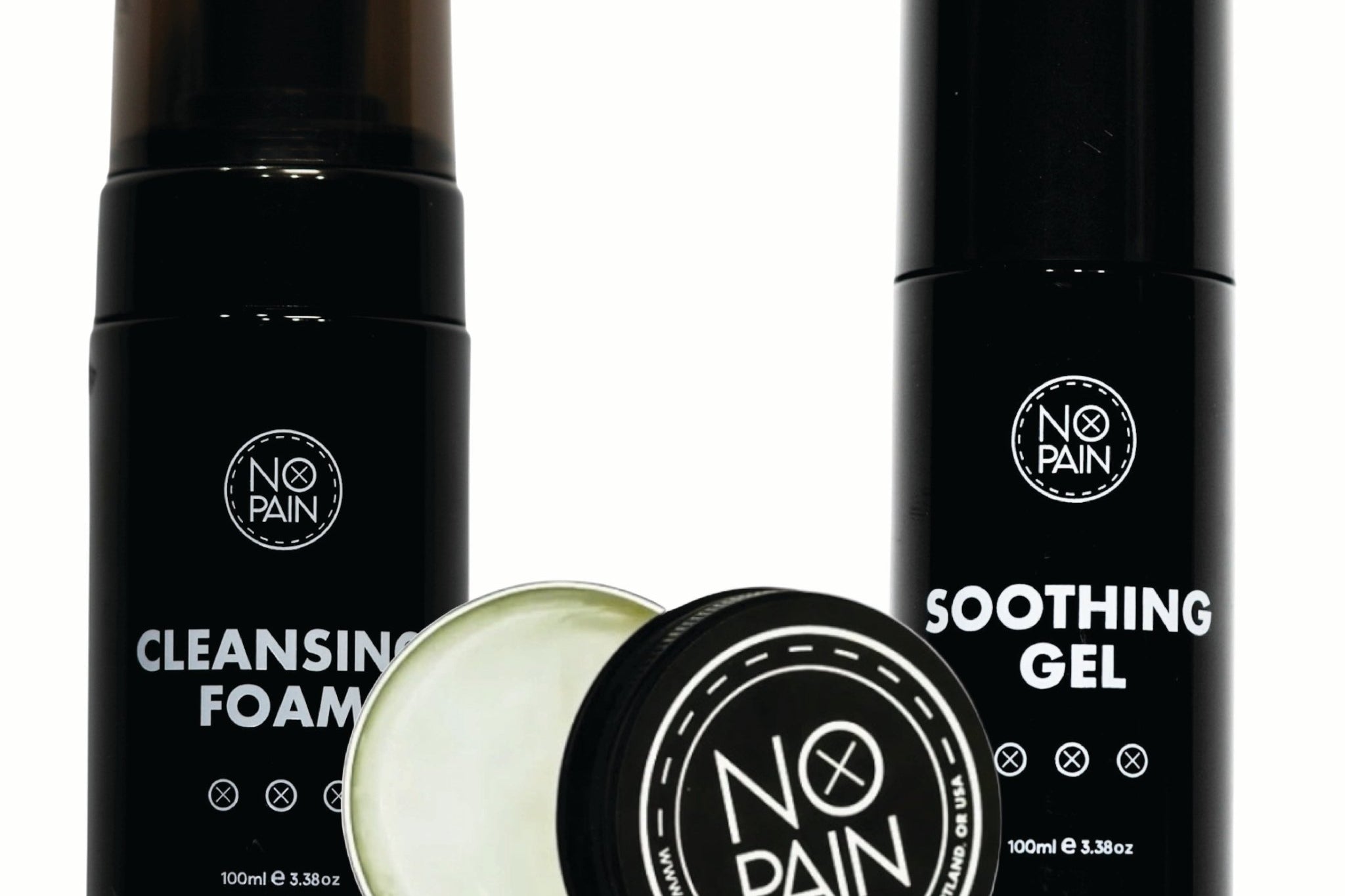
The Aftercare Bundle includes a lightweight soothing gel for the first week and a nourishing balm for the second week and beyond. Two products, two phases, one system built to get your tattoo healed as efficiently as possible.
Shop the Aftercare Bundle →Formulated at Historic Tattoo in Portland, Oregon. 100% money-back guarantee.