


No. Not in a tanning bed, not sunbathing, not for at least four to six weeks after getting tattooed. Even after your tattoo is fully healed, UV exposure is the fastest way to fade your ink over time. Here's why, how long to wait, and what to do if you still want a glow.
In this article
- What tanning does to a healing tattoo
- What tanning does to a healed tattoo
- Tanning beds vs. the sun: is one safer?
- Safe alternatives if you want a glow
- How to protect your tattoo from the sun
- Frequently asked questions
What Tanning Does to a Healing Tattoo
A new tattoo is an open wound. The skin has been punctured thousands of times to deposit ink into the dermis, and that surface hasn't sealed yet. Exposing it to UV radiation while it's still in the healing phase causes damage on several levels at once.
It burns faster than undamaged skin. Traumatized skin has almost no UV defenses. Melanin production is disrupted in healing tissue, and the compromised surface layer offers very little protection. A healing tattoo will burn in a fraction of the time normal skin would, and the blistering pulls fresh ink directly out of the dermis.
It fades the ink before it sets. During the first four to six weeks, the ink is still migrating and settling into the dermis. UV exposure during this window breaks down pigment molecules before they've stabilized. Colors lose intensity. Lines lose definition. The healed result ends up noticeably less sharp and vibrant than it should have been. There's no fixing that after the fact.
It triggers inflammation that slows healing. UV radiation causes an inflammatory response in skin. In a wound that's already inflamed and trying to close, adding more inflammation prolongs the surface healing phase. Swelling, redness, and weeping that should have resolved in a week or two can drag on considerably longer.
Tanning beds add an infection risk that sunbathing doesn't. Beyond the UV damage, tanning bed surfaces are warm, shared, and difficult to fully sterilize. Lying on one with an open wound is direct exposure to bacteria from every previous user. The UV damage applies indoors and outdoors equally. The bed adds a separate layer of risk on top of it.
The rule for healing tattoos: zero UV exposure, no exceptions, for at least four to six weeks. For the week-by-week breakdown of what the skin is doing during this period, see the healing process guide.
What Tanning Does to a Healed Tattoo
Once your tattoo is fully healed, it's no longer a wound. You're not risking infection. But UV exposure doesn't stop causing damage; it just becomes a long-term problem instead of an immediate one.
Tattoo ink sits in the dermis. UV rays penetrate past the surface skin to this layer and physically break apart the pigment molecules. The immune system then processes and removes those smaller fragments. This is a gradual process, but it's cumulative and irreversible. Every tanning session accelerates it.
Color tattoos fade fastest. Lighter pigments, including whites, yellows, pinks, and light blues, can fade to near-invisibility with sustained UV exposure over months or years. Vibrant reds, greens, and purples lose saturation and shift in hue as different components of the pigment break down at different rates. The result is a tattoo that looks muddier and less distinct than it did when it healed.
Black ink turns grey. Bold, saturated black ink becomes softer and greyer over time with regular UV exposure. Fine lines spread and lose definition. Heavy black shading that once looked solid starts to look uneven.
The rate of fading depends on how much UV exposure accumulates over time. Someone who tans regularly, year after year, will see noticeably faster degradation than someone who covers up or uses sunscreen consistently. Tattoos on areas that are routinely exposed (forearms, shoulders, chest, upper back) fade faster than those that stay covered. For a full breakdown of what makes tattoos fade, see the fading guide.
Tanning Beds vs. the Sun: Is One Safer?
No. Tanning beds use concentrated UVA radiation at higher intensities than average sunlight. They deliver UV damage faster, not slower. For healing tattoos, beds add the bacterial exposure risk on top of the UV problem. For healed tattoos, beds accelerate ink breakdown at least as fast as direct sun, and often faster.
Some people assume that because tanning beds feel more controlled, they're gentler on tattoos. They're not. The UV load delivered by a 20-minute session in a bed can exceed what you'd get from hours in filtered outdoor sun. From a tattoo preservation standpoint, there's no version of tanning that's safe.
Safe Alternatives If You Want a Glow
If you want the look of a tan without the UV damage, spray tanning and self-tanner are the practical options. Both avoid UV entirely. There are two things worth knowing about using them with tattoos.
First, wait until your tattoo is fully healed before applying any self-tanner or spray tan. The chemicals can irritate a healing wound and may affect how the ink settles. Four to six weeks minimum, and only once the surface has completely closed and the skin texture feels normal.
Second, self-tanner and spray tan will temporarily alter how the tattoo looks by tinting the surrounding skin. This makes the ink appear slightly different while the product is active. The effect is temporary and fades as the product wears off over about a week. If you're getting a professional spray tan, letting the technician know where your tattoo is gives them the option to work around it if you want the ink to look true.
How to Protect Your Tattoo from the Sun
For fully healed tattoos, sunscreen is the most practical tool for slowing UV-related fading. Use a broad-spectrum SPF 30 or higher, applied before sun exposure and reapplied every two hours if you're staying outside. Many tattoo artists prefer mineral sunscreens (zinc oxide or titanium dioxide) because they sit on top of the skin rather than absorbing into it. For the full breakdown of when to apply and what to look for, see the sunscreen guide.
Clothing is more reliable than sunscreen for extended sun exposure. A long-sleeved shirt over a forearm tattoo blocks UV completely; sunscreen applied once and not reapplied does not. When you're going to be outside for hours, covering with clothing is the better default, with sunscreen as a supplement for when covering isn't practical.
Keeping the skin moisturized consistently also matters. Healthy, hydrated skin holds ink better than dry, sun-damaged skin. Dry skin turns over faster, taking surface pigment with it. A balm used regularly on healed tattoos keeps the dermis environment healthier, which means slower natural fading over time, independent of UV protection.

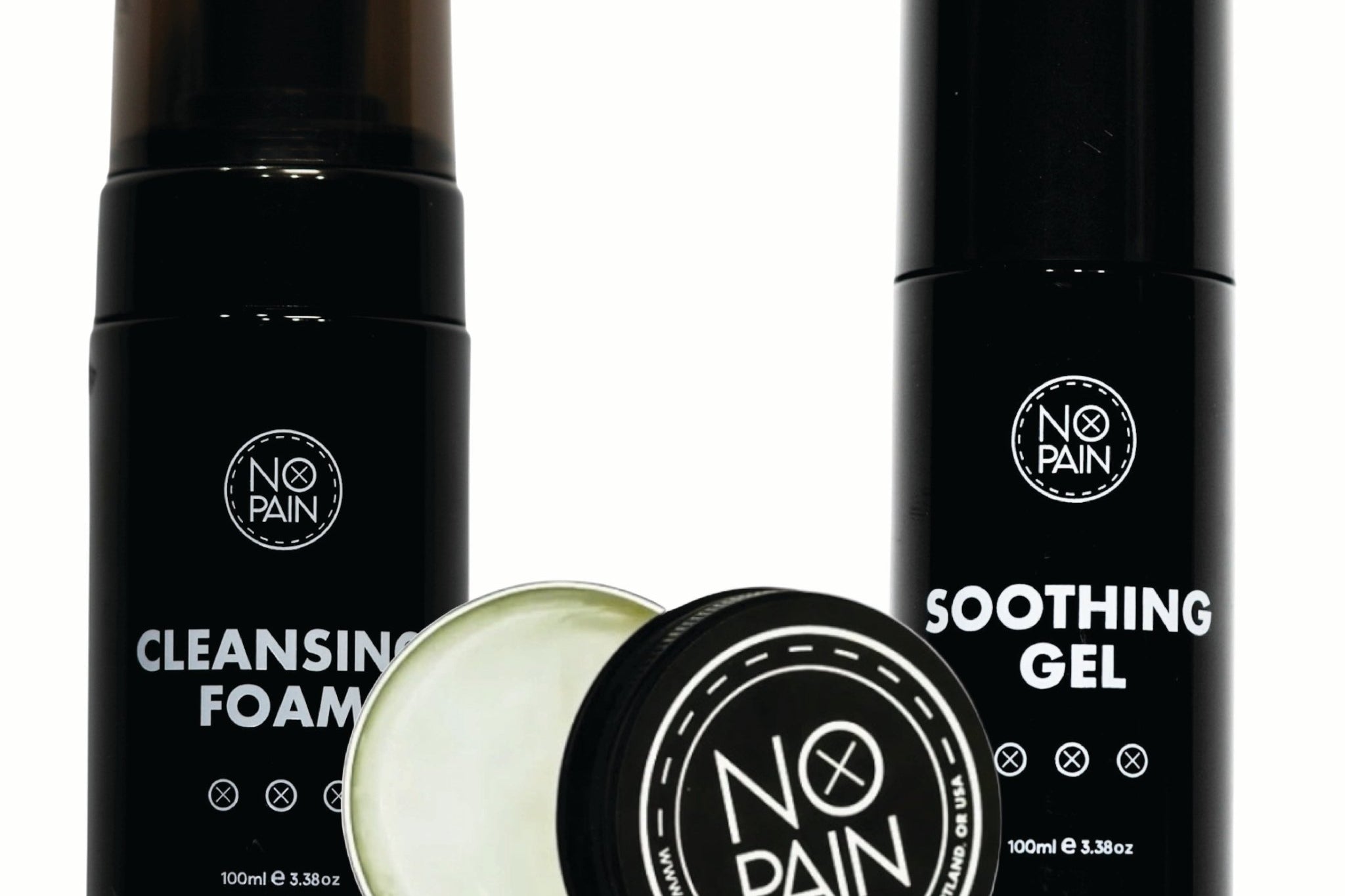
A nourishing balm that keeps healed tattoo skin healthy and hydrated. Well-moisturized skin holds ink better and resists the natural fading that comes with time and sun exposure. Use it daily on healed tattoos the way you'd use a face moisturizer. Apply it consistently, not just when the skin feels dry.
Frequently asked questions
How long after getting a tattoo can you go tanning?
Four to six weeks minimum, and only once the tattoo is completely healed. That means the surface skin has fully closed, the peeling phase is done, the texture feels normal, and there's no shine or raised area remaining. Larger or more heavily worked pieces may not be ready at four weeks. When in doubt, wait longer. The extra UV exposure you'd get from one more week of tanning won't change your color noticeably. Damage to a not-quite-healed tattoo can affect the final result permanently.
Will tanning fade a healed tattoo?
Yes. UV radiation breaks down tattoo ink molecules in the dermis over time. Every session adds to the cumulative damage. Color tattoos fade fastest; lighter pigments can be nearly erased by sustained tanning over months or years, but black ink greys out over time too. The rate of fading depends on the intensity and frequency of UV exposure, the colors in the tattoo, and how consistently the skin is protected between sessions.
Can I use a tanning bed with a tattoo?
Not on a healing tattoo. The UV and bacterial exposure risks are both too high. On a fully healed tattoo, tanning beds aren't medically prohibited, but the UV concentration in beds is higher than typical outdoor sun, so they accelerate ink breakdown faster than sunbathing does. If you use tanning beds and want to protect the tattoo, covering it with clothing or a UV-blocking physical barrier during the session is the only way to meaningfully reduce the damage.
Does sunscreen protect a tattoo from fading?
It helps, but only when applied correctly and reapplied on schedule. Sunscreen reduces UV penetration and slows fading. The problem is that most people don't apply it thickly enough or reapply it often enough to match the SPF rating on the label. For extended sun exposure, clothing coverage is more reliable. Sunscreen works well as a supplement to clothing, or for short outdoor exposure where covering isn't practical. It should only go on fully healed skin, never on a tattoo that's still in the healing phase.
Can I get a spray tan with a tattoo?
Yes, but only after your tattoo is fully healed. Four to six weeks minimum. Once it's healed, spray tanning is safe for the skin. Be aware that the product will tint the skin around the tattoo, making the ink appear slightly different while the tan is active. Some people ask the technician to skip the tattooed area to keep the ink looking accurate. The self-tanner fades off naturally over about a week, and the tattoo returns to normal underneath.
What's the best way to keep a tattoo looking vibrant long-term?
Three things make the biggest difference: keep the tattoo out of direct sun as much as practical, use broad-spectrum sunscreen when sun exposure is unavoidable, and keep the skin moisturized consistently. Hydrated skin retains ink better than dry skin, which turns over faster and takes surface pigment with it. A quality aftercare balm used daily on healed tattoos does more for long-term vibrancy than most people expect. Not because it has special ink-preserving chemistry, but because healthy, supple skin is a better environment for tattoo ink than dry, sun-damaged skin.
Heal It Right Before the Sun Sees It
The Aftercare Bundle includes the lightweight soothing gel for the first week and the nourishing balm for the second week and beyond. Two products, two phases, one system to get your tattoo healed cleanly before sun exposure becomes something you have to think about.
Shop the Aftercare Bundle →Formulated at Historic Tattoo in Portland, Oregon. 100% money-back guarantee.