
No. Forty-eight to seventy-two hours is the minimum. Before your appointment is also a hard no. Alcohol is a blood thinner and a vasodilator, and a fresh tattoo is an open wound that can't afford either of those things right now. Here's exactly what's at stake.
In this article
- Why you can't drink before a tattoo
- Why you shouldn't drink after a tattoo
- How long to wait
- What to do for your tattoo instead
- Frequently asked questions
Why You Can't Drink Before a Tattoo
Alcohol thins the blood. That's not a metaphor: it inhibits platelet aggregation, the clotting process that normally stops bleeding quickly. When you get tattooed after drinking, you bleed more than you should, and that extra blood dilutes and pushes the ink out of the skin before it can settle. The result is a patchy, faded tattoo that looks fine when you leave the studio and reveals its problems as it heals.
Alcohol is also a vasodilator: it widens blood vessels, which increases blood flow to the surface. More surface blood flow means more weeping during the session, which compounds the ink problem. Your artist has to wipe constantly, the lines become harder to read, and the quality of the work suffers regardless of their skill level.
Any reputable studio will turn you away if you show up intoxicated. This isn't a liability thing. It's because tattooing someone who's been drinking produces worse work, full stop. If you've had a drink before your appointment, reschedule.
Why You Shouldn't Drink After a Tattoo
The blood-thinning effect doesn't switch off the moment the session ends. Your body is now managing an open wound that needs to form a stable clot and begin the healing process. Introducing alcohol at this point works against every one of those processes.
Blood thinning increases weeping
The clotting cascade that seals the surface of a fresh tattoo requires functional platelets. Alcohol continues to impair platelet function for hours after your last drink. The wound weeps more than it should, plasma and ink keep moving, and the surface that needs to stabilize doesn't. Excess weeping in the first hours is one of the main drivers of thick scab formation, which leads to ink loss later.
Dehydration dries out healing skin
Alcohol is a diuretic. It increases urine output and draws fluid out of your tissues. Healing skin needs hydration. When the dermis is dehydrated, the surface becomes tight and less elastic, healing slows, and the peeling phase becomes more cracked and abrasive than it needs to be. You're pushing toward the kind of dry, difficult heal that produces uneven results.
Immune suppression increases infection risk
A fresh tattoo is an open wound across a large skin surface. Your immune system is actively dispatching white blood cells to manage inflammation, fight any bacteria that enters the wound, and begin the repair process. Alcohol temporarily suppresses immune function. You're reducing your defenses exactly when they're needed most. For more on the infection risk window and what to watch for, see the infected tattoo guide.
Impaired judgment leads to bad aftercare
After a few drinks you're less careful. You forget the aftercare steps, you bump the tattoo into things, you fall asleep on it and wake up with it stuck to your sheets. The first 48 hours require consistent, deliberate care: washing on schedule, applying product correctly, keeping the area covered in appropriate situations. Alcohol makes all of that worse.
How Long to Wait
The minimum is 24 hours. The safer target is 48 to 72 hours, which gives your body enough runway to get through the acute phase of healing without interference. By the 72-hour mark, the surface has typically sealed, the heaviest weeping is done, and the immune response has had a clean window to work. A moderate amount of alcohol at that point is unlikely to cause problems for most people.
For larger pieces (a full sleeve, a back piece, anything that covered a lot of surface area), waiting longer makes sense. The more skin involved, the more immune resources are committed to healing, and the more impact any suppression has.
The same timeline applies to cannabis and some other substances that affect blood viscosity, though alcohol is the most common concern and the most extensively documented.
What to Do for Your Tattoo Instead
The hours after your session are when your aftercare matters most. The first wash removes dried plasma and excess ink before they can harden into thick scabs. What you put on the tattoo after that first wash sets the tone for the next two weeks.
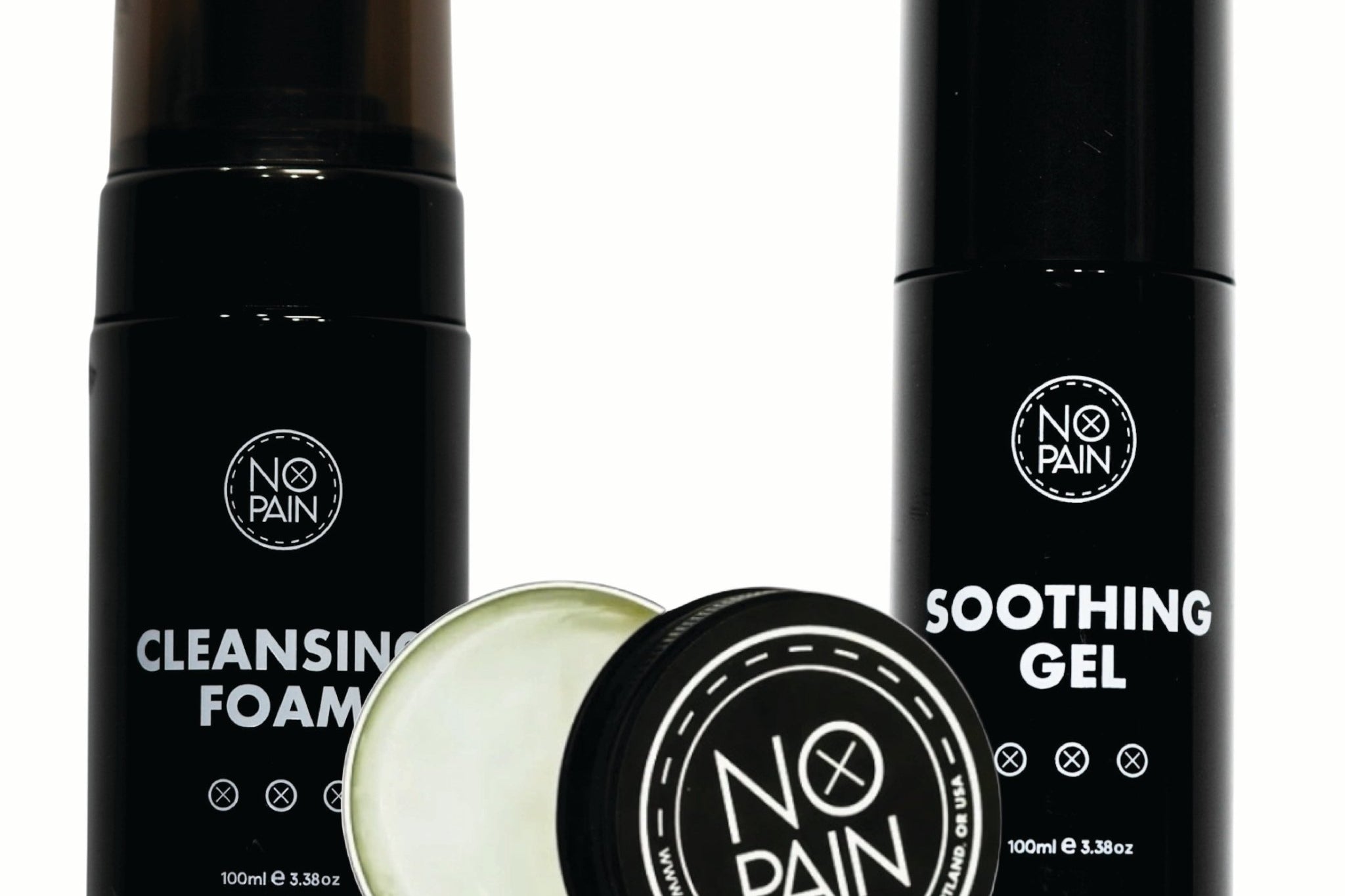
In the first few days, the skin is inflamed and weeping. A lightweight, non-occlusive gel cools the inflammation and keeps the surface hydrated without sealing the wound or trapping heat. Heavy ointments or petroleum-based products create a sealed environment that can cause problems. A breathable gel doesn't.

Lightweight cooling gel for the first days of healing. Calms inflammation, keeps the surface hydrated, and lets the wound breathe. The opposite of what alcohol does to a fresh tattoo.
Water is actually what your body needs in the 72-hour window. Staying well-hydrated supports the immune response, keeps the healing skin supple, and helps move the acute phase along faster. For the full stage-by-stage breakdown of what to expect, the tattoo healing process guide covers everything from day one through month two.
Frequently asked questions
Can I have just one beer after a tattoo?
One drink isn't going to undo your tattoo, but the 48-72 hour window exists for a reason. Even moderate alcohol consumption has measurable effects on platelet function and immune response. In the first 24 hours especially, when the wound is still actively weeping and clotting, it's not worth the risk. If you're asking whether a single drink will definitely cause a problem: probably not. If you're asking whether it's a good idea: no, not yet.
What happens if I already drank after my tattoo?
Don't panic. One night of drinking after a session isn't guaranteed to cause lasting damage. Check the tattoo: if it's weeping more than expected, keep it clean, apply your aftercare gel, and stay on top of the washing routine. Watch for signs of infection over the next few days (spreading redness, thick colored discharge, worsening pain after day three). If it heals unevenly, that's what touch-ups are for. Going forward, stay dry for the remainder of the 72-hour window.
Does alcohol really affect tattoo healing that much?
Yes, particularly in the first 24 hours. The mechanisms are real: platelet inhibition slows clotting, vasodilation increases surface blood flow and weeping, dehydration dries the healing skin, and immune suppression opens the infection window. Each effect alone is manageable. All four at once, on a large open wound, is a meaningful risk to the heal quality and the final result.
Can I drink before a tattoo if I stop several hours before the appointment?
It depends on how much you drank and how long ago. Alcohol's platelet-inhibiting effect can persist for 24 hours after your last drink, depending on the amount consumed. If you had a couple of drinks the night before a morning appointment, you're probably fine. If you were drinking heavily the night before, or you drank anything the same day, the effect is likely still active. When in doubt, your artist can see immediately if you're bleeding more than expected once they start. If you are, they may stop the session.
What about energy drinks or caffeine before a tattoo?
Caffeine doesn't thin the blood or suppress immune function the way alcohol does, but high doses can increase anxiety and make the skin more reactive during the session. Moderate caffeine (one coffee) is generally fine. Energy drinks in large quantities can cause jitteriness that makes it harder to sit still and can heighten pain sensitivity. Stick to water and a solid meal as your primary prep. The healing guide has prep tips in the intro section.
How does alcohol affect tattoo color or longevity?
Drinking after a session doesn't directly change ink chemistry, but it affects the heal, and a poor heal affects the final result. Excess weeping in the first 24 hours can push ink out of the skin before it has time to settle. Dehydration and immune suppression can lead to more aggressive scabbing, and thick scabs pull ink when they fall off. A tattoo that heals cleanly retains color better than one that healed roughly. Alcohol in the acute phase is one of the more controllable variables in that equation.
Give Your Tattoo a Clean Start
Cleansing foam, soothing gel, and aftercare balm. Everything you need from day one through the final weeks, in one kit.
Shop the Aftercare Bundle →Formulated at Historic Tattoo in Portland, Oregon. 100% money-back guarantee.