
Eat a proper meal before you go, pack snacks and water, charge your devices, and bring your ID. That covers most of what goes wrong at a long session. Here's the full list, broken down by what actually matters.
In this article
- Before you leave the house
- Food and drinks
- Comfort items
- Entertainment
- The admin stuff
- Pain management
- Frequently asked questions
Before You Leave the House
Eat a real meal. Not a snack, just a proper meal, one to two hours before your appointment. Your body burns calories managing pain and running the healing response. Low blood sugar during a long session means dizziness, nausea, and a lower threshold for discomfort. The single most common reason someone has to cut a session short is not eating enough beforehand.
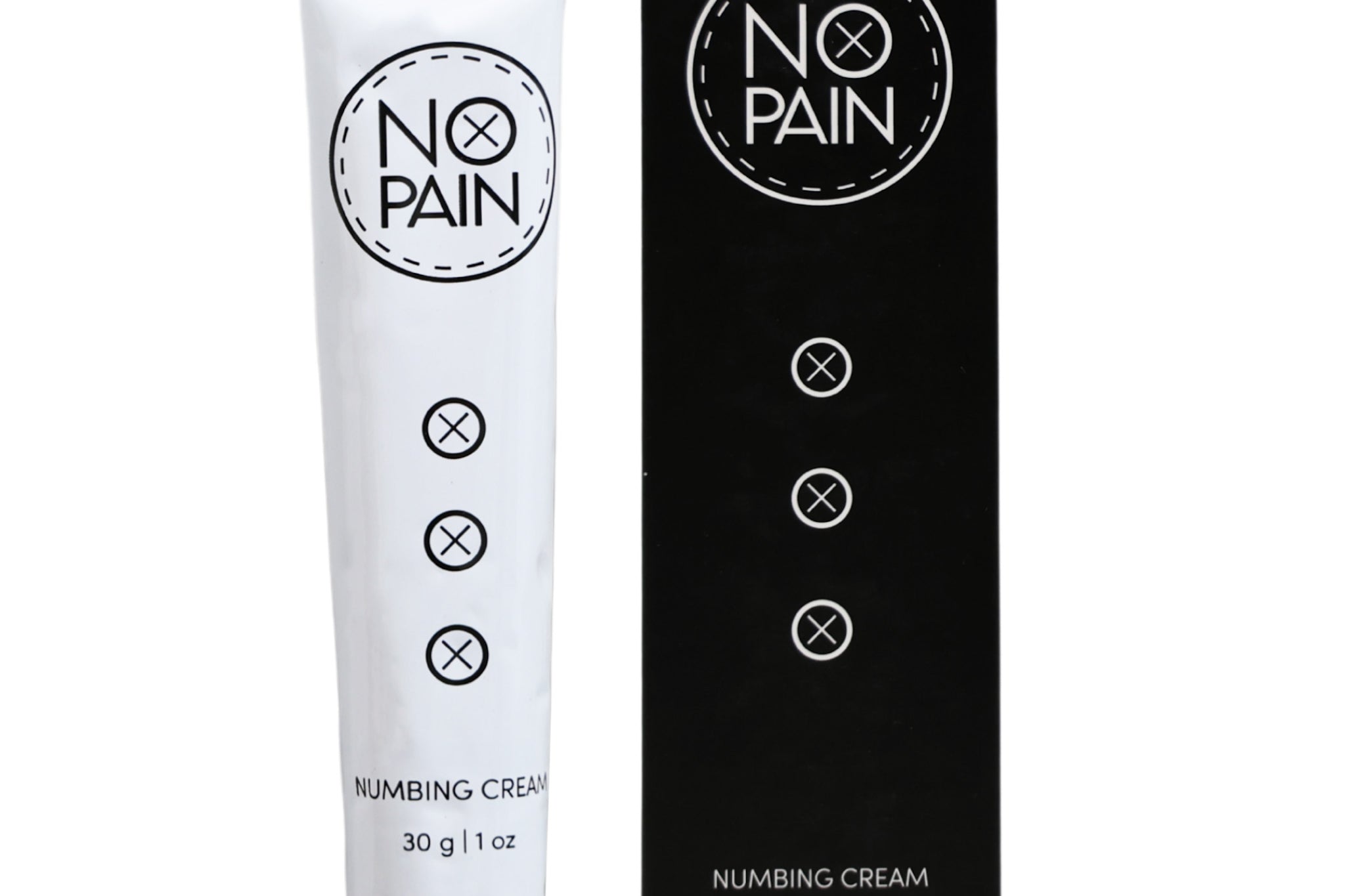
Apply numbing cream. If your placement is painful, apply the cream at home before you leave. It takes 90 to 120 minutes to reach full effectiveness under cling film wrap, which means you need to start before you're in the car, not when you arrive at the studio. You'll walk in already numb for the first pass.

Maximum-strength lidocaine in a thick, slow-absorbing base. Apply at home before you leave, wrap with cling film, arrive numb. Covers the first two to four hours of your session.
Wear the right clothes. Loose, comfortable, and expendable. Tattoo studios involve ink, ointment, and plasma, none of which wash out easily. For placement-specific clothing advice, the what to wear guide breaks it down by body part.
Food and Drinks
Snacks. Easy-to-eat, no mess, doesn't need refrigeration. Granola bars, trail mix, fruit, a sandwich, crackers and peanut butter. Bring more than you think you'll need. After three or four hours you will be hungrier than expected.
A sugary drink. Gatorade, fruit juice, or similar. Keep it in your bag for the moment you start feeling lightheaded or your hands go cold. It works faster than food when blood sugar drops mid-session.
A large water bottle. Hydration affects how you feel and how your skin behaves. Bring a full bottle and refill it if the studio has water available. Don't rely on finding drinks once you're in the chair.
Comfort Items
A travel pillow. Small, compressible, and one of the better quality-of-life improvements for a long session. It props up your neck while sitting, cushions a hip or knee while lying on your side, or just gives you something to hold. Eight hours on a leather chair without one is noticeable.
Layers. Tattoo studios run cold from the air conditioning, and your body temperature often drops when you're in the chair for a long time. A lightweight zip-up or hoodie you can put on and take off is enough. Don't rely on the studio having a blanket.
Entertainment
Headphones. Noise-canceling if you have them. The buzz of a tattoo machine is constant and becomes mentally tiring after the first couple of hours. Headphones let you disappear into your own audio world and stop thinking about how much time is left. They're the single most useful distraction item for a long session.
A fully charged phone or tablet, plus a power bank. Download everything before you leave: playlists, podcasts, audiobooks, shows, movies. Studio Wi-Fi is often unreliable or unavailable. A portable power bank means you don't have to stop the session to hunt for an outlet.
A book or e-reader. For placements where you can hold something comfortably (back, certain leg placements), a book is a good screen-free option. Better for very long sessions where staring at a phone screen for eight hours leaves you more tired than the tattoo did.
The Admin Stuff
Your photo ID. Most studios require government-issued ID every visit, including returning clients. Don't assume they have your details on file. Driver's license or passport.
Cash for a tip. Tips are standard practice. 20% is the usual range for tattoo work. Many artists prefer cash. Even if the studio takes card payments, having cash on hand is the easiest way to handle it at the end of a long session when you're tired and just want to get home.
Nicotine substitute if you smoke or vape. Frequent smoke breaks interrupt your artist's flow and add time to the session. Nicotine pouches (Zyn and similar brands) let you get what you need without leaving the chair or returning smelling of smoke. If you're a regular smoker, this is worth thinking about in advance.
Mints or a small toothbrush. After several hours in a chair you'll want to feel human again during a break. A simple one, but noticeable.
Pain Management for Multi-Hour Sessions
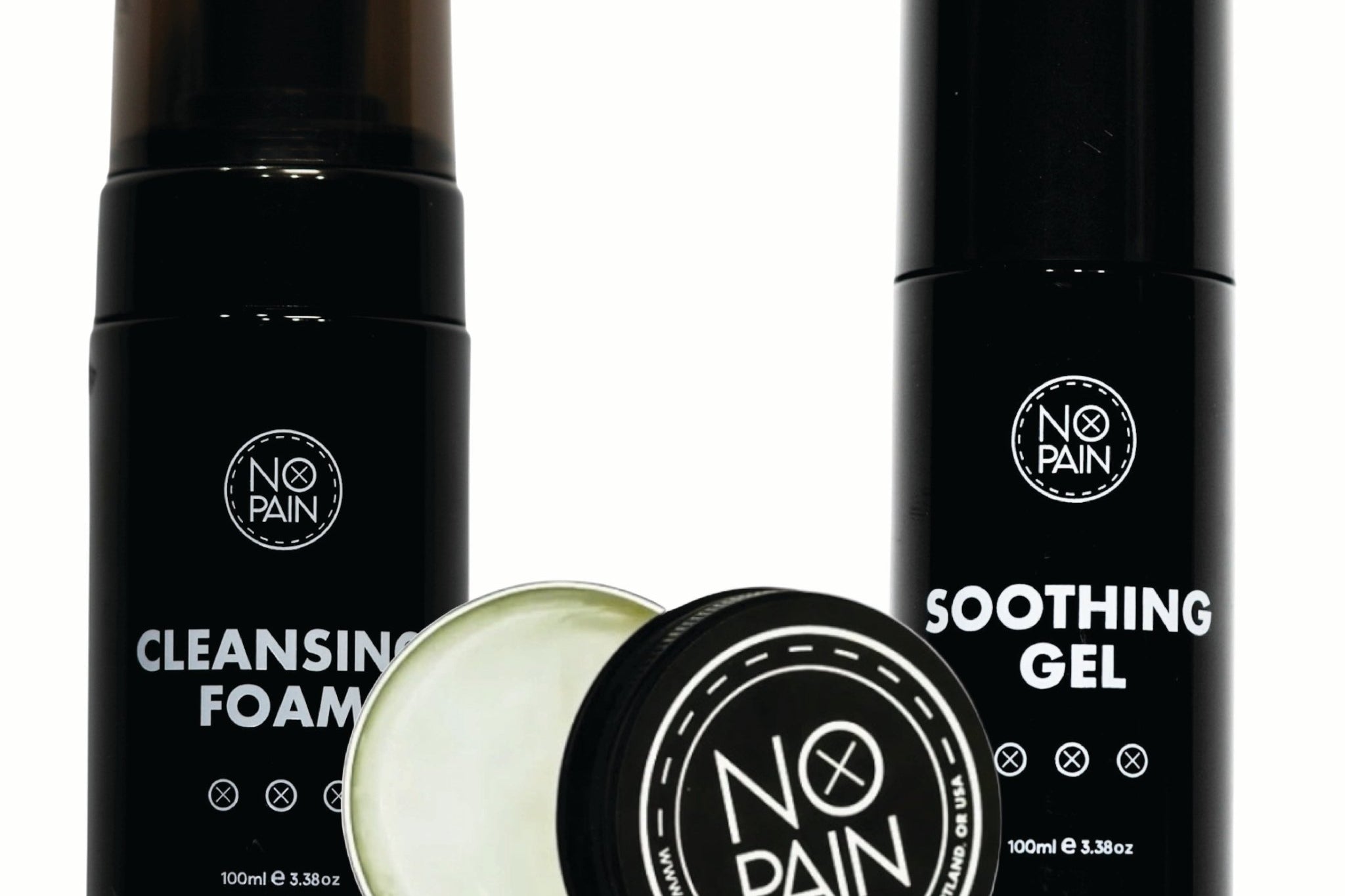
The cream gets you through the first two to four hours. After that, as the skin becomes more reactive and tender from repeated passes, the numbing spray takes over. Your artist applies it directly to the broken skin between passes, no wrap, no wait time, just a quick application and you continue. For sessions running beyond three hours, having both is the practical approach.
For the full step-by-step on timing, application, and what to expect at each phase of a long session, the tattoo preparation guide covers it in detail.
Frequently asked questions
What should you bring to a tattoo appointment?
The basics: a solid meal before you go, snacks and water for during the session, your photo ID, and cash for a tip. For anything longer than two hours, add headphones, a phone charger or power bank, and something to keep you mentally occupied. If it's a painful placement, add numbing cream applied at home 90 to 120 minutes before you leave.
Should you eat before a long tattoo session?
Yes, and it matters more than most people expect. Eat a proper meal one to two hours before your appointment, not just a snack. Your body burns more calories than usual managing pain and running the healing response during a session. Low blood sugar causes dizziness, nausea, and a lower pain threshold. It's one of the most common reasons people have to end a session early. Pack snacks too; you'll need them for sessions running past two hours.
Do you need to bring anything for numbing?
If you're planning to use numbing cream, you need to bring it with you and apply it before leaving home. The cream takes 90 to 120 minutes under cling film wrap to reach full effectiveness. Studios don't typically stock numbing products, and you can't apply it in the parking lot and expect it to work by the time you're in the chair. Buy it in advance and apply it as part of your pre-session routine at home.
Should you bring headphones to a tattoo?
Yes, they're worth it. The constant buzz of a tattoo machine becomes mentally tiring over a long session even when the discomfort is manageable. Headphones let you tune out the noise and focus on something else. Noise-canceling headphones are ideal for this reason. Download your content before you go since studio Wi-Fi is often unreliable.
How much cash should you bring for a tip?
Twenty percent of the session cost is standard for tattoo work. So for a $500 session, $100 in cash is appropriate. Some people tip more for exceptional work or unusually challenging sessions. Cash is preferred by most artists, so bring it even if the studio takes card payments for the tattoo itself. It's good practice to sort this out before the session ends and you're too tired to think about it.
What should you NOT bring to a tattoo appointment?
Anything that requires you to be fully mobile or requires desk space. Large bags are inconvenient in a small studio. Strong perfume or heavily scented lotion bothers artists working close to you in a small space for hours. Don't bring someone whose energy will make you anxious rather than calm. Support people can be great, but only if they're genuinely relaxing to have around. Skip alcohol beforehand entirely; it thins the blood, increases bleeding, and some studios will turn you away.
Built for Longer Sessions
The Comfort Bundle includes numbing cream for the first two to four hours and numbing spray for mid-session top-ups on broken skin. The practical choice when you're planning a session that runs three hours or more.
Shop the Comfort Bundle →For Longer Sessions | 100% money-back guarantee.