
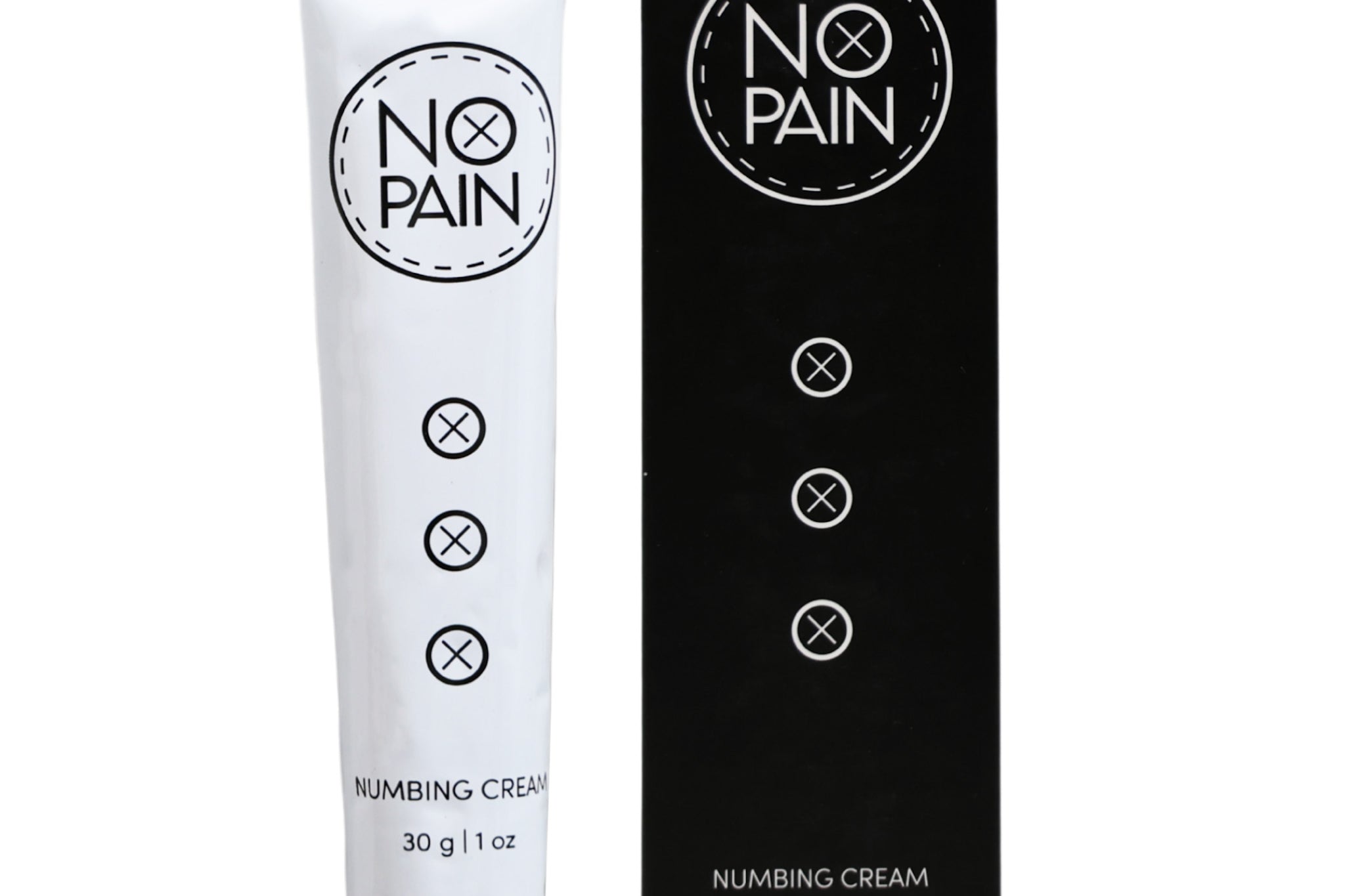


Vanicream is safe for a healing tattoo. It has no fragrance, no dyes, no parabens, and it's gentle enough for the most sensitive skin. If it's all you have on hand, it won't cause damage. But safe and optimal aren't the same thing, and there are two reasons Vanicream isn't the best choice for the first two weeks of healing. Here's the full breakdown.
In this article
- What Vanicream actually is
- What it does right
- Where it falls short for tattoos
- What to use instead
- The honest verdict
- Frequently asked questions
What Vanicream Actually Is
Vanicream Moisturizing Cream is a thick, white petrolatum-based cream formulated without the most common skin irritants: fragrance, dyes, parabens, lanolin, and formaldehyde releasers. Dermatologists prescribe it for eczema, psoriasis, and reactive skin because its ingredient list is short and predictable. It's a genuinely good product for what it was designed to do.
The key ingredient is petrolatum (white petrolatum), the same base found in Vaseline and Aquaphor. Petrolatum is an occlusive agent: it forms a layer on top of the skin that slows moisture loss. It doesn't actively add moisture or speed healing. It seals what's already there.
What It Does Right
For a healing tattoo, Vanicream's ingredient profile is genuinely solid:
No fragrance. Fragrance is the number-one cause of contact dermatitis on healing tattoos. Vanicream has none, which means you're not adding an irritant to already-inflamed skin.
No dyes. Dye additives are another common irritant. Vanicream is colorless from top to bottom.
Non-comedogenic. Despite being petrolatum-based, the formulation is designed to avoid clogging pores, which matters more for the peeling phase than the early raw phase.
Well-tolerated by sensitive skin. If you've reacted to other moisturizers in the past, Vanicream is a low-risk choice. You're very unlikely to have an allergic reaction to it.
Where It Falls Short for Tattoos
It's occlusive when your skin needs airflow. In the first several days of healing, a fresh tattoo is an open wound. The skin is weeping plasma, the surface is raw, and airflow matters for proper healing. A heavy petrolatum-based cream applied too thickly creates a seal over the wound that traps heat and moisture. That's not what you want in week one. It can prevent the skin from breathing properly, lead to excess softening of the fragile surface, and create conditions that encourage bacterial growth. A lightweight gel is a better tool for this stage.
It has no soothing actives. Vanicream's job is to moisturize. It doesn't contain anything specifically chosen to calm the inflammation, reduce itching, or support the skin's repair processes. A tattoo isn't just dry skin, it's a wound going through active healing stages. A product formulated for that process does more than a general-purpose moisturizer can.
Compared to Aquaphor, Vanicream is the safer choice; it's less greasy and less occlusive. But the comparison to Aquaphor isn't the right standard. The right comparison is a product actually designed for tattoo healing, and against that benchmark, Vanicream is solid but not optimal. For more on the Aquaphor question, see Is Aquaphor Good for Tattoos?
What to Use Instead
Tattoo healing has two distinct phases that benefit from different products:
Days 1-3 (open wound/weeping phase): The skin is raw, inflamed, and producing plasma. You need something lightweight that keeps the surface hydrated without sealing it under a thick occlusive layer. A soothing gel applied in a thin layer two to three times a day covers this phase correctly. It keeps the surface from drying out and forming thick, ink-pulling scabs without smothering the wound. For more on what thick scabs do to healed tattoo quality, see the scabbing guide.

Lightweight cooling gel for the raw first few days. Keeps the surface hydrated and prevents thick scab formation without blocking airflow or trapping heat over the wound.
Day 3 onward (peeling/milky phase): The surface has closed. The skin is now flaking and going through the milky phase where new skin forms underneath. This is when you want a richer moisturizer that nourishes the new skin as it finishes forming and helps it clarify so the ink underneath shows through cleanly. Vanicream is more defensible here than in week one, but a shea butter-based aftercare balm formulated for this purpose does a better job. For a full breakdown of what's happening in the skin at each stage, see the tattoo healing process guide.

Shea butter balm for the peeling and milky phase. Nourishes the new skin layer as it finishes forming and helps the surface clarify so the ink shows through at its best.
The Honest Verdict
Vanicream won't hurt your tattoo. If you're out of your usual aftercare products and Vanicream is what you have, use it sparingly and don't panic. It's better than nothing, better than Vaseline, and better than most scented drugstore lotions.
But it's not the right tool for either healing phase. In week one it's too heavy for a raw wound. In week two it does the job adequately but without any of the formulation work that goes into a dedicated aftercare balm. For a tattoo you've paid real money for, the difference between "won't cause harm" and "actively supports the best possible healed result" is worth caring about.
Frequently asked questions
Is Vanicream safe to use on a new tattoo?
Yes, it's safe. Vanicream has no fragrance, no dyes, no parabens, and is gentle enough for reactive skin. It won't cause an allergic reaction in most people, and it won't pull ink from your dermis (nothing applied to the surface can do that). The concern isn't safety, it's whether a generic moisturizer is the right tool for tattoo healing, and the answer to that is no, even if the safety answer is yes.
Is Vanicream better than Aquaphor for tattoos?
Slightly, yes. Vanicream is less occlusive than Aquaphor and less likely to completely seal the skin during the raw first phase of healing. Both are petrolatum-based, but Vanicream has a lighter texture and won't create as heavy a barrier. That said, neither is the ideal choice. A lightweight gel in the first few days and a dedicated aftercare balm from day 3 are better tools than either.
Can you use Vanicream on a fully healed tattoo?
Yes, and this is where Vanicream is most defensible. Once the tattoo is fully healed, the primary concern shifts to long-term moisture and UV protection. Vanicream can be a fine everyday body moisturizer for healed tattoos. Apply SPF separately, keep the skin consistently hydrated, and your healed tattoo will hold up. For ongoing care, a shea butter-based balm is still a better formulation choice for the tattooed area, but Vanicream isn't going to cause problems on healed skin.
When during healing can you start using Vanicream?
If you're going to use it, around day 3 (after the peeling starts) is when it becomes more appropriate. In the first few days the skin is still an open wound producing plasma, and a heavy petrolatum-based cream is too occlusive for that stage. Once the surface has closed and the peeling phase begins, a richer moisturizer is appropriate, though a dedicated aftercare balm formulated for this stage will do a better job of supporting the new skin as it forms.
What should you avoid putting on a new tattoo?
Anything with fragrance (the most common irritant), alcohol (drying), petroleum jelly (Vaseline) applied in thick layers, heavy petroleum-based ointments in the first week, sunscreen on unhealed skin, lotion with dyes or preservatives that the skin might react to, and any products that haven't been kept clean. The goal is gentle, non-occlusive, fragrance-free products that keep the surface from drying out without smothering it.
Does Vanicream affect tattoo ink?
No. Your tattoo ink sits in the dermis, the layer of skin below the epidermis. Products applied to the surface cannot reach the dermis and cannot affect the ink's color or position. Surface products affect only the quality of healing, which then affects how clearly the ink shows through the healed skin above it. Getting healing right matters for vibrancy, but it's not because any product is reaching the ink itself.
Everything Your Skin Needs to Heal Right
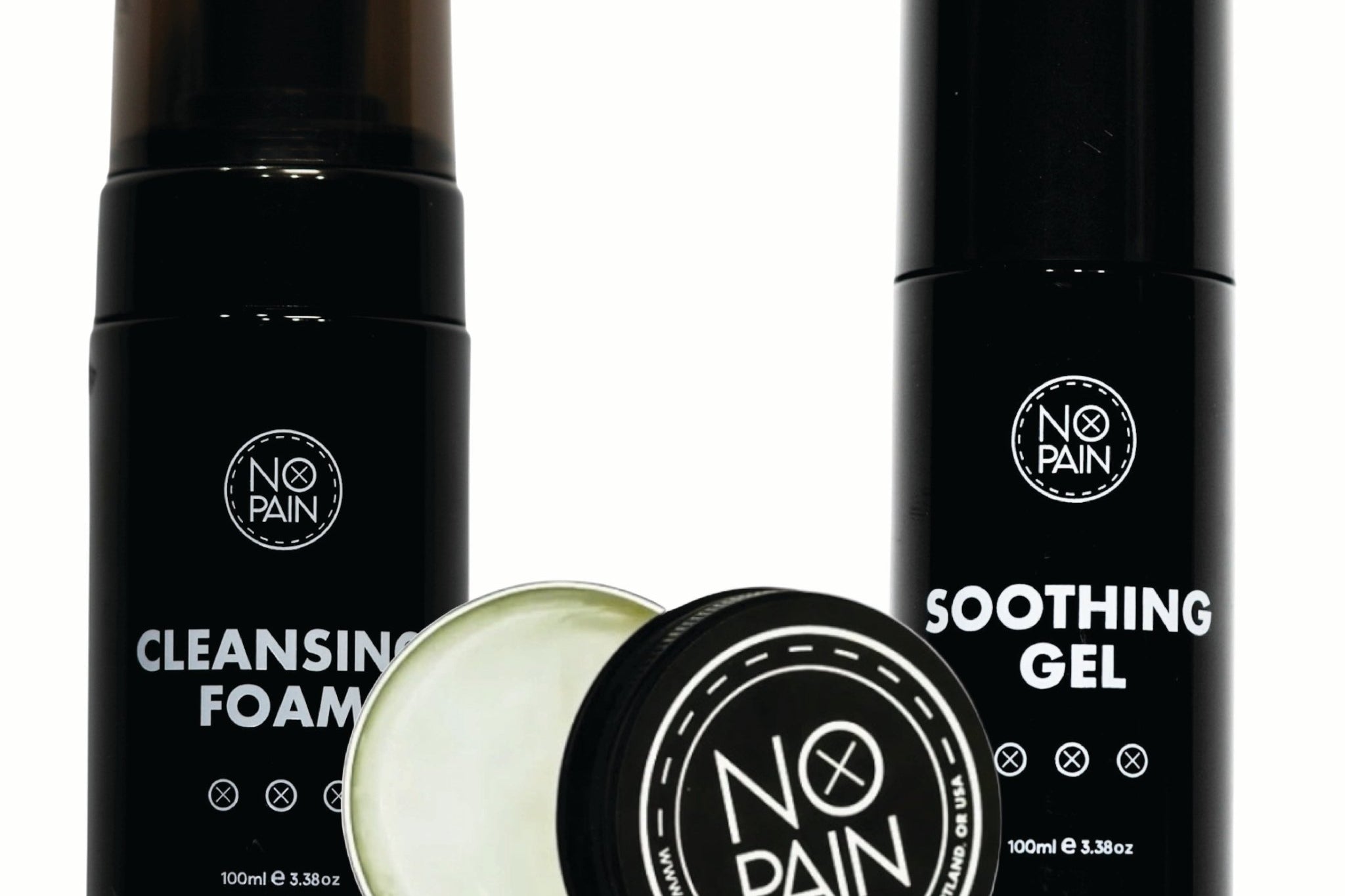
Cleansing foam, soothing gel, and aftercare balm. Each product covers the stage it's designed for, from day one through the end of the milky phase and beyond.
Shop the Aftercare Bundle →Formulated at Historic Tattoo in Portland, Oregon. 100% money-back guarantee.